Australians take great pride in their unique cultural identity, which is shaped by the rich history of Indigenous roots and European settlement. From the vibrant festivals that fill the streets to the incredible music and art that reflects the country’s diverse heritage, there’s no shortage of fascinating traditions to explore. You might be surprised by the depth and complexity of Australian culture, with its blend of Aboriginal customs and modern influences. As we delve into the heart of this cultural melting pot, you’ll discover the ways in which music, art, and festivals come together to create a truly distinctive identity. By exploring Australia’s traditions from all angles, we can gain a deeper understanding of what makes this country so special – its people, its history, and its rich cultural heritage that is woven into every aspect of daily life.
Understanding the Basics of Australian Culture
Let’s start by understanding the fundamental aspects that shape the unique Australian identity, including the country’s history and its people. From colonial roots to modern-day values, we’ll explore what makes Aussie culture tick.
Indigenous Roots and Influence
Aboriginal and Torres Strait Islander cultures are woven into the fabric of modern Australian society. This rich heritage is a product of over 65,000 years of history, with stories passed down through generations by word of mouth. The Dreamtime – a complex network of ancestral beings, songs, dances, and rituals – underpins much of Indigenous culture.
The impact of European settlement was devastating for Aboriginal people, leading to the loss of land, language, and culture. However, in recent decades, there has been a significant resurgence of interest in and celebration of Indigenous cultures. This can be seen in the growing number of Aboriginal and Torres Strait Islander artists exhibiting their work in galleries and museums.
Indigenous traditions continue to influence contemporary society, from music to art to politics. Many Australians now acknowledge the importance of recognizing and honoring this heritage. Visitors to Australia can experience this rich cultural landscape firsthand by attending a traditional dance performance or visiting an Indigenous art exhibition. By engaging with and respecting these cultures, we can deepen our understanding of what it means to be Australian today.
European Settlement and Its Impact
The arrival of British colonizers in Australia had a profound impact on the country’s cultural landscape. As European settlement expanded, new customs and values were introduced, often coexisting alongside Indigenous practices or gradually displacing them. The British brought with them their language, English, which eventually became the dominant tongue, replacing many Indigenous languages.
The influence of Christianity also played a significant role in shaping Australian culture. Many early settlers were Christian, and churches were built to serve their communities. This led to the introduction of Christian holidays and traditions, such as Christmas and Easter, which blended with existing Indigenous festivals like the Dreamtime celebrations.
In terms of values, the British brought a strong emphasis on hard work, self-reliance, and egalitarianism, which became core Australian values. These values were often at odds with Indigenous concepts of communal land ownership and shared responsibility for the environment. As European settlement continued to expand, many Indigenous practices were suppressed or forgotten, leading to a loss of cultural heritage.
Today, Australians continue to grapple with the legacy of European settlement and its impact on their culture.
Celebrations and Holidays
Australia loves a good party, and our celebrations and holidays are a vibrant reflection of our unique cultural heritage. From New Year’s Eve fireworks to bush Christmas barbecues, get ready for a festive journey!
Christmas Traditions in Australia
Australians have a unique approach to Christmas celebrations. Gone are the snowflakes and hot chocolate; instead, you’ll find barbecues, beach trips, and picnics by the pool. The country’s laid-back attitude towards this festive period is reflected in its casual and relaxed traditions.
On Christmas Day, many families gather at the beach or a nearby park for a barbecue or picnic. This tradition has become an integral part of Australian culture, where the focus is on spending quality time with loved ones rather than adhering to traditional holiday norms. In fact, it’s not uncommon for Australians to celebrate Christmas in their swimwear or beach gear.
For some families, Christmas Day might also involve a trip to the local sports event or a game of backyard cricket. The emphasis is on enjoying the outdoors and taking advantage of Australia’s pleasant summer weather. While some traditional elements like decorating trees and exchanging gifts are still observed, they’re often done in a more low-key manner.
Australians have adapted Christmas to suit their climate and lifestyle, creating a unique and relaxed festive atmosphere that’s distinctly Australian.
Australia Day: A Celebration of National Identity
Australia Day marks a significant moment in Australian history and culture. On January 26th each year, Australians come together to celebrate their national identity. The date commemorates the arrival of the First Fleet in 1788, which marked the beginning of European settlement in Australia.
However, it’s essential to acknowledge that this date holds different meanings for Indigenous Australians. For many Aboriginal and Torres Strait Islander peoples, January 26th is Invasion Day or Survival Day, marking the loss of their land, culture, and sovereignty. To be respectful of these complexities, some Australians choose to celebrate on alternative dates or participate in events that acknowledge the country’s rich Indigenous heritage.
Across the country, Australia Day celebrations range from backyard barbecues to official ceremonies. Many people attend citizenship ceremonies, where new Australians take the pledge of allegiance and become citizens. Others join community events, such as flag-raising ceremonies or cultural performances. Whether you’re a proud Aussie born and bred or a newcomer to the country, Australia Day is an opportunity to connect with others and celebrate what it means to be Australian.
Cultural Festivals and Events
You’ll love Australia’s vibrant cultural festivals, which bring together music, art, food, and community to create unforgettable experiences for locals and tourists alike.
From Sydney’s iconic New Year’s Eve fireworks to the Melbourne Comedy Festival, each event showcases the country’s unique spirit and diversity.
Sydney Festival: A Showcase of Arts and Culture
The Sydney Festival is a premier cultural event that showcases Australia’s rich artistic talent and international collaborations. Held annually in January, the festival features a diverse range of performances, exhibitions, and workshops across various venues in Sydney.
One of the standout aspects of the Sydney Festival is its commitment to showcasing local artists alongside international talents. The event often includes world-premiere productions of opera, dance, and theater pieces, as well as live music performances that highlight the country’s vibrant music scene. Visitors can also expect to see a variety of visual arts exhibitions, featuring works by established and emerging Australian artists.
In addition to its artistic offerings, the Sydney Festival also provides a range of interactive workshops and events for audiences to engage with. These may include masterclasses with renowned performers, behind-the-scenes tours of festival venues, or even hands-on craft sessions led by local artisans. By attending the Sydney Festival, visitors can gain a deeper understanding of Australia’s cultural heritage while enjoying world-class entertainment.
Melbourne Comedy Festival: Laughter and Mirth
The Melbourne Comedy Festival is a premier event on the Australian cultural calendar, attracting top comedians from around the globe. Spanning several weeks in April and May, it transforms Melbourne into a hub of laughter and merriment. The festival’s eclectic lineup features stand-up comedy, improv, sketch comedy, and even silent comedy – something for every taste and preference.
Each year, the festival showcases over 3,000 performances across various venues, from intimate club rooms to large theaters. This diversity ensures that there’s always a show to suit any mood or interest. What sets Melbourne Comedy Festival apart is its unique ability to bring together local and international talent, providing a platform for both established acts and up-and-coming comedians.
Some of the festival highlights include popular comedy nights like “Laughter Factory” and “Comedy Club,” as well as more experimental and avant-garde performances. With so many shows on offer, attendees can create their own customized schedule to suit their interests and schedule.
Traditional Australian Foods and Drinks
From barbecues on the beach to bush tucker feasts, traditional Australian cuisine is all about simplicity, freshness, and a deep connection to the land. Let’s take a closer look at some of our favorite Aussie foods.
Meat Pie Frenzy: A National Obsession
Meat pies are an integral part of Australian food culture, with a rich history and a wide range of variations. Traditional recipes typically consist of minced meat, often beef or lamb, encased in a thick pastry crust. However, modern twists on this classic have led to the creation of unique flavor combinations such as chicken and mushroom, seafood, and even vegetarian options.
Meat pies are a staple at Australian sporting events, festivals, and casual gatherings. They’re an easy and convenient snack that can be consumed on-the-go or savored with a hot cup of coffee. The popularity of meat pies has also led to the emergence of artisanal bakeries and pie shops, offering high-quality, handcrafted pies made with premium ingredients.
Some popular types of meat pies in Australia include the classic beef and gravy, as well as chicken and vegetable pies. Many bakeries and cafes offer their own unique variations, often incorporating local flavors and ingredients. For those looking to try their hand at making traditional Australian-style meat pies, a simple recipe can be found online, requiring only basic pantry staples and some practice with pastry-making techniques.
Bush Tucker: Exploring Indigenous Cuisine
Bush tucker, a staple of Indigenous Australian cuisine, refers to native plants and animals used as food. This traditional diet is deeply connected to the land and its seasonal cycles. For Aboriginal and Torres Strait Islander peoples, bush tucker provides essential nutrients and plays a significant role in cultural practices.
Some examples of bush tucker include bush tomatoes, goanna (a type of lizard), and various types of seafood. These foods are often consumed during special occasions and ceremonies. In addition to their nutritional value, bush tucker holds spiritual significance, connecting people to their ancestral lands and traditional ways of life.
When foraging for bush tucker, it’s essential to follow local protocols and guidelines to ensure the sustainable harvesting of native species. This may involve obtaining permission from Traditional Owners or following specific gathering practices. By embracing bush tucker, non-Indigenous Australians can gain a deeper appreciation for Indigenous culture and traditions. They can also contribute to the preservation of these important cultural practices by respecting and learning about local protocols.
Australian Music and Arts
Australian music is a vibrant reflection of the country’s cultural diversity, from Indigenous rock bands to contemporary folk artists pushing boundaries. You’ll discover some of Australia’s most talented musicians in this next section.
The Rise of Aussie Rock: From AC/DC to INXS
Aussie rock has left an indelible mark on global music. Emerging in the late 1960s and 1970s, Australian bands such as AC/DC and INXS rose to international fame with their unique blend of hard rock and pop. AC/DC’s raw energy and Bon Scott’s charismatic stage presence propelled them into superstardom, while INXS’s fusion of rock, funk, and reggae captivated audiences worldwide.
These iconic bands not only represented Australian music on the global stage but also helped shape the country’s musical identity. Their success paved the way for future generations of Australian musicians to experiment with new sounds and styles. Bands like Midnight Oil and Men at Work continued this trend, incorporating folk and rock elements into their music.
The impact of Aussie rock can be seen in its influence on subsequent genres and artists. Many international bands have cited AC/DC as a major inspiration, while INXS’s fusion of rock and funk has been emulated by artists such as Red Hot Chili Peppers. Today, Australian musicians continue to make waves globally, from indie rock outfits like Tame Impala to pop sensations like Sia.
Aboriginal Art: A Unique Expression of Culture
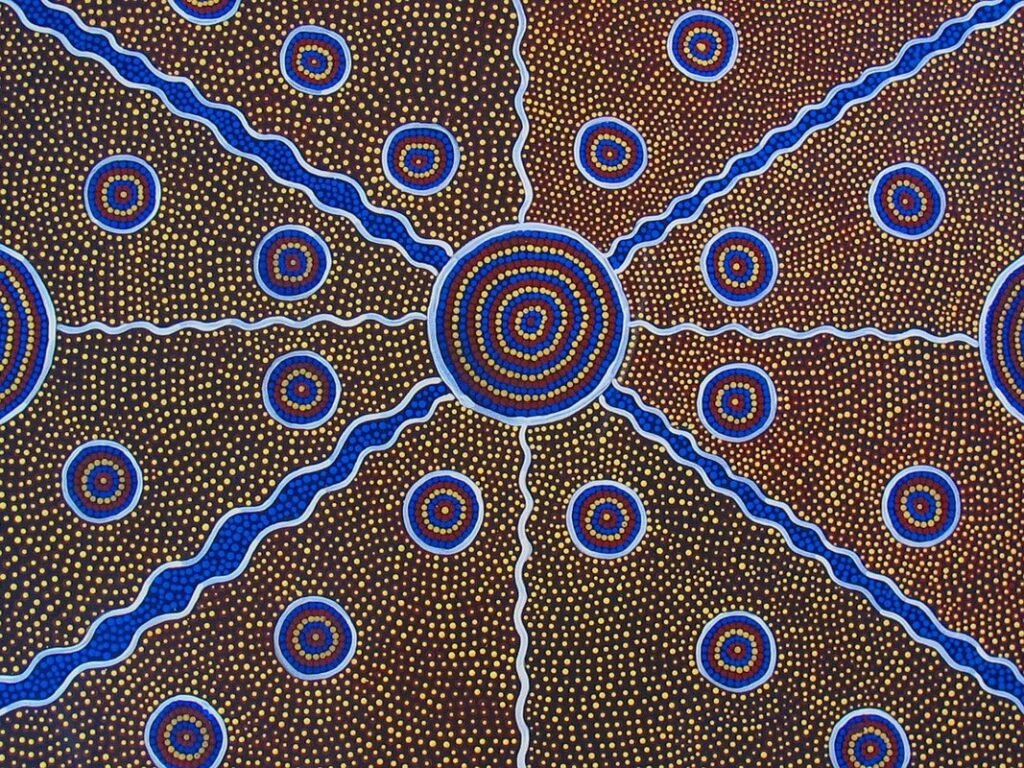
Aboriginal art is a vital part of Australia’s cultural heritage, offering a unique window into the history and traditions of Indigenous Australians. The art often features intricate dotwork, bold colors, and symbolic motifs that reflect the stories and cultures of various Aboriginal groups.
One notable style is the “dot painting” technique, popularized by artists like Emily Kame Kngwarreye. This method involves using small dots to create detailed images and patterns on canvas or wood. The result is a visually striking representation of the land, people, and animals that are central to Aboriginal culture.
Aboriginal art frequently incorporates natural materials, such as earth oxides, plant dyes, and animal fat. These mediums not only add an organic touch but also connect the artwork to its environment and community. For instance, some artists use ochre pigments derived from iron-rich soil or burnt tree bark, which are often associated with ancestral sites.
Some notable Aboriginal art pieces include “Bark Paintings” from Arnhem Land, which showcase intricate designs and patterns created using natural pigments on the inside of eucalyptus bark. These artworks not only demonstrate technical skill but also convey deep cultural significance and connection to the land.
Frequently Asked Questions
What if I’m planning a trip to Australia and want to experience the unique culture firsthand? How can I immerse myself in local traditions during my visit?
Yes. To truly experience Australian culture, consider attending cultural festivals like the Sydney Festival or Melbourne Comedy Festival. You can also visit Indigenous cultural centers, such as the Australian Museum’s First Australians gallery, to learn about the history and significance of Aboriginal and Torres Strait Islander cultures. Additionally, try traditional Australian foods like meat pies or bush tucker at local markets or restaurants.
Can I incorporate elements of Australian culture into my own family traditions or celebrations?
Yes. You can bring a touch of Australia’s laid-back attitude to your Christmas celebrations by hosting a backyard barbecue or beach trip with family and friends. Consider also incorporating traditional Australian music, such as Aussie rock classics from AC/DC or INXS, into your playlists. For a more meaningful experience, learn about the significance of Aboriginal art and incorporate it into your home decor or gift-giving traditions.
How can I respectfully participate in or appreciate Indigenous cultural practices when visiting Australia?
Respect is key. When attending cultural events or visiting Indigenous sites, be mindful of any specific protocols or rules that may be in place. For example, some sites may require permission to take photographs or have restrictions on where you can walk. It’s also essential to acknowledge the traditional owners and their connection to the land. You can do this by learning about local history, attending cultural events, and supporting Indigenous-owned businesses.
What if I’m interested in sharing Australian culture with my community back home? How can I go about doing that?
Start small. Begin by organizing a cultural event or workshop that showcases Australian music, art, or traditions. You could also invite an Australian guest speaker to share their experiences and insights. For a more hands-on approach, consider teaching your community how to make traditional Australian foods like meat pies or bush tucker. This will not only bring a taste of Australia to your community but also help build cultural bridges between your local culture and that of the country.
Can I adapt Australian traditions to fit my own personal style or preferences?
Yes. While it’s essential to respect the origins and meaning behind traditional practices, you can certainly put your own spin on them. For example, if you love the idea of a backyard barbecue for Christmas but prefer a more intimate setting, consider hosting a small gathering with close friends and family in a cozy outdoor space. The key is to stay true to the spirit of Australian culture while making it your own.