
When you’re chatting with locals in Australia, there are certain words that can make all the difference between being seen as a seasoned Aussie or just a tourist. One such term is used to describe those pesky insects buzzing around your head during outdoor gatherings – and it’s not “mosquito”! In fact, Aussies have a whole range of slang terms for these tiny creatures, from bogger to mozzie. Learning this lingo can go a long way in avoiding misunderstandings and showing respect for local culture. This article will explore the most popular Australian slang for mosquitoes, helping you to communicate more effectively with your hosts and friends when discussing these unwanted visitors. By the end of this post, you’ll be able to confidently use terms like bogger and mozzie in everyday conversations.
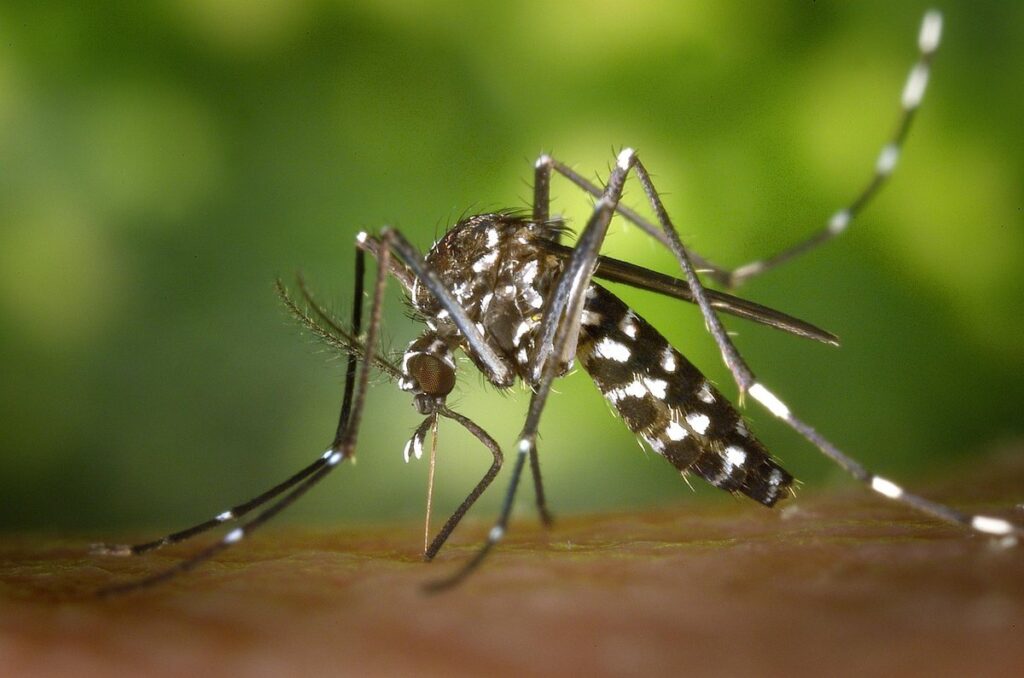
What is Australian Slang for Mosquito?
In Australia, mosquitoes are often referred to by some rather creative nicknames, and understanding these terms can help you navigate conversations with locals. Let’s take a look at some of the most common ones used in everyday Aussie slang.
The Origins of Aussie Mosquito Terminology
The origins of Aussie mosquito terminology can be traced back to the country’s early days. During this time, many Indigenous languages were spoken by the Aboriginal and Torres Strait Islander peoples. These languages often had unique words for mosquitoes, which were adapted into Australian English over time. For example, in some Indigenous languages, mosquitoes are referred to as “midge” or “midgie,” a term that has since been adopted by non-Indigenous Australians.
British influences also played a significant role in shaping Aussie mosquito slang. Many British settlers brought their own words and phrases with them when they arrived in Australia, which were often blended with existing Indigenous terms. This blending of languages resulted in the development of distinct regional dialects. In some parts of Australia, mosquitoes are still referred to as “mozzies,” a term that is believed to have originated from the British slang word for mosquito.
The evolution of Aussie mosquito terminology reflects the country’s complex history and cultural heritage. Understanding these origins can help you better appreciate the nuances of Australian slang and use it more effectively in your everyday interactions.
Why is Aussie Slang Important for Mosquitoes?
Understanding local terminology is crucial when discussing mosquitoes with Australians. When you use Aussie slang for mosquitoes, it shows respect for their culture and way of life. It’s not just about using a different word; it’s about participating in the community’s shared language.
In everyday conversations, failing to understand or use local terminology can lead to misunderstandings. For instance, if you refer to a mosquito as “a mozzie” when speaking with an Aussie, they might know exactly what you’re talking about, but if you say “an insect,” it could spark confusion. This is especially true in situations where accuracy matters, such as when discussing pest control or public health.
Using local terminology also opens up communication channels and fosters connection with locals. When you speak their language, you demonstrate an effort to understand their perspective and way of life. It’s not just about avoiding misunderstandings; it’s about building relationships and being part of the community. In many Australian cultures, using local slang for mosquitoes is a sign of acceptance and belonging.
Common Australian Terms for Mosquito
You might be familiar with Aussie slang, but did you know there are several local terms used to describe mosquitoes? Let’s explore some of the most common ones.
The Most Popular Aussie Words for Mosquito
The most widely recognized words for mosquitoes in Australia are “bogger,” “mozzie,” and “pissant.” These terms are commonly used across different regions and are a great starting point for anyone looking to learn Australian slang.
“Bogger” is a colloquialism that refers specifically to mosquitoes, particularly those found near wetlands or swamps. It’s often used in rural areas where these insects are more prevalent.
“Mozzie,” on the other hand, is a shorter and catchier term for mosquitoes. It’s widely recognized and used by people of all ages, from children to adults. You’ll commonly hear it in everyday conversations, especially during summer months when mosquitoes are most active.
“Pissant” is another term that’s often used interchangeably with “mozzie.” However, some Australians might use it specifically to refer to smaller or more aggressive mosquitoes.
It’s worth noting that these words can be used in a variety of contexts – from casual conversations to warning others about mosquito-borne illnesses. By incorporating these terms into your vocabulary, you’ll be better equipped to communicate with locals and navigate everyday situations in Australia.
Regional Variations in Australian Slang
Regional variations in Australian slang are shaped by local cultures, histories, and environments. For instance, in rural areas of New South Wales, mosquitoes are often referred to as “mozzies” or “bush flies,” while in coastal regions like Queensland, they’re commonly called “sandflies.” These regional differences can be attributed to the unique ecosystems and agricultural practices found in each area.
In Western Australia, particularly in the southwestern region, mosquitoes are sometimes referred to as “midgies” due to their small size. This term is also used in some parts of South Australia. In contrast, the Northern Territory and parts of Western Australia use the term “mozzie” more frequently.
If you’re traveling or communicating with people from different regions, it’s essential to be aware of these variations. Using local terminology can help show respect for regional cultures and improve communication. When speaking about mosquitoes in a specific area, try to adopt the terms commonly used by locals. This might involve using “mozzies” in New South Wales or “sandflies” in Queensland.
History of Aussie Mosquito Slang
You might be curious about how our quirky terms for mosquitoes originated, and this section takes a look at their history and evolution over time. From “mozzie” to other colorful nicknames, we’ll explore where they came from.
Early Influences on Australian Slang
The use of indigenous languages and British terminology has significantly influenced the development of Australian slang. For instance, many Aboriginal words for mosquito have been incorporated into modern Aussie vocabulary. The Yawuru people from Western Australia call mosquitoes “mungi,” while the Yolngu people from North East Arnhem Land refer to them as “dhalinymirri.” These indigenous terms not only reflect the deep connection between Australian cultures and their environment but also demonstrate the country’s rich linguistic heritage.
British terminology has also played a substantial role in shaping Aussie slang. Many common mosquito-related words, such as “mozzie” itself, have their roots in British English. This blending of languages is a hallmark of Australian culture, where different influences come together to create something uniquely local. Understanding these early influences can help you better appreciate the evolution of Aussie slang and use it more effectively in your everyday interactions with locals. By acknowledging the diverse linguistic history behind Australian terms for mosquito, you’ll gain a deeper understanding of the cultural context surrounding this distinctive aspect of Aussie culture.
How Aussie Slang for Mosquitoes Has Changed Over Time
Terms like “bogger” have been a part of Australian slang for mosquitoes since the early 20th century. These vintage words give insight into the country’s history and its relationship with mosquitoes. On the other hand, modern terms are influenced by contemporary culture. Words like “mozzie” have become more widely used in recent years, especially in everyday conversations.
The change in terminology over time reflects shifting attitudes towards mosquitoes. In the past, Australians might have viewed mosquitoes as a nuisance, but not necessarily a serious threat to health. This is evident in the use of words like “bogger”, which connotes annoyance rather than danger. In contrast, more recent terms often acknowledge the importance of taking precautions against mosquito-borne illnesses.
This shift in language also reflects changes in societal values and awareness about public health. As Australians become increasingly informed about the risks associated with mosquitoes, their slang evolves to reflect this new understanding.
Using Australian Slang for Mosquitoes in Everyday Life
When chatting with locals, you’ll likely come across some unique terms to describe those pesky mosquitoes that are buzzing around. Let’s explore how to use Aussie slang to talk about them in everyday conversations.
Effective Communication with Local Terms
Using local slang can help you connect with Australians and avoid confusion when discussing mosquitoes. When communicating about mosquitoes in everyday conversations, using Australian terms can make a significant difference in how others understand and respond to you. For instance, instead of saying “mosquito,” you could say “mozzie” – a more informal and widely used term among locals.
In regional areas, the usage of certain mosquito-related slang might differ from what’s commonly used in cities. In some parts of Australia, particularly in rural areas, mosquitoes are often referred to as “sandflies.” This variation highlights the importance of being aware of local terminology when discussing mosquitoes with people from different regions.
To effectively communicate with Australians using local terms, it’s essential to be mindful of your audience and adjust your language accordingly. If you’re unsure about the specific term used in a particular area or context, don’t hesitate to ask locals for clarification. By adopting local slang, you’ll not only show respect for Australian culture but also facilitate more accurate and meaningful conversations about mosquitoes.
Avoiding Misunderstandings with Non-Australian Speakers
When communicating with people from other countries, using Aussie slang for mosquitoes may lead to misunderstandings. This is particularly true for non-native English speakers who may not be familiar with local terminology. For instance, a traveler from the US might use the term “mosquito” when referring to a pest that’s commonly known as a “mozzie” in Australia. If they’re speaking to an Australian, this could lead to confusion and miscommunication.
To avoid misunderstandings, it’s essential to be aware of the language barrier that can arise from using local slang. When communicating with non-Australian speakers, consider using more general terms or explaining the specific Aussie terminology you’re referring to. For example, if you want to complain about a mosquito buzzing around your head, say “I’m being bugged by this mozzie” instead of just saying “mozzie”. This approach helps avoid confusion and ensures that your message is conveyed effectively.
Additionally, be mindful of cultural differences in terminology for mosquitoes. Some cultures might use specific words or phrases to describe these pests that don’t exist in Australian slang. By being sensitive to these variations, you can foster a more inclusive and respectful communication environment when interacting with people from diverse backgrounds.
Cultural Significance of Australian Slang for Mosquitoes
Australian slang often references mosquitoes in playful ways, reflecting the country’s lighthearted attitude towards these tiny insects. We’ll explore some examples of how Aussie culture views mosquitoes.
The Importance of Local Terminology in Australian Culture
Australian slang is deeply ingrained in the country’s culture and identity. For mosquitoes, adopting local terminology is not just a matter of communication; it’s about being respectful of Australian customs. Using Aussie slang for mosquito-related interactions demonstrates an understanding of the cultural nuances that underpin everyday conversations.
In Australia, locals use distinct terms to describe mosquitoes, such as “mozzie” or “bogger.” These colloquialisms are more than just words – they’re a reflection of the country’s informal and friendly nature. By incorporating these terms into their vocabulary, mosquitoes can avoid unintended offense or miscommunication.
Moreover, embracing local terminology is essential for effective communication with Australians. When interacting with locals, using the correct slang can help establish a rapport and create a sense of connection. For instance, referring to a mosquito bite as a “bogger” rather than a “mosquito bite” shows that you’re aware of and value Australian cultural practices.
By incorporating Aussie slang for mosquitoes into their language, individuals can foster greater understanding and appreciation between cultures.
How Using Aussie Slang for Mosquitoes Contributes to Cultural Exchange
Using local terminology when referring to mosquitoes can facilitate cross-cultural understanding and exchange. When Australians use specific slang terms for these pests, it not only showcases their cultural identity but also encourages others to adopt similar language patterns. This, in turn, fosters a sense of shared experience and communal understanding.
For instance, when an Australian says “mozzie” instead of “mosquito,” they’re using a term that’s deeply ingrained in local culture. By adopting this slang, visitors or newcomers can demonstrate their appreciation for the culture and blend in more seamlessly with locals. This mutual understanding can lead to richer conversations and more meaningful connections.
Moreover, embracing Aussie slang for mosquitoes also highlights the importance of language in shaping cultural identity. By choosing to use specific terms, individuals are participating in a long-standing tradition that’s unique to Australia. As people from different backgrounds engage with each other using local terminology, they’re contributing to a vibrant cultural tapestry that celebrates diversity and promotes cross-cultural exchange.
Conclusion: Embracing Aussie Slang for Mosquitoes
Now that you’ve learned some of the most common Aussie slang terms for mosquitoes, it’s time to put them into practice and confidently chat about these tiny pests. Let’s take a look at how to seamlessly incorporate this lingo into your everyday conversations.
Benefits of Learning Local Terminology
Learning Australian slang for mosquitoes can greatly enhance your communication skills when interacting with locals. When you’re familiar with local terminology, you’re able to express yourself more effectively and accurately convey your message. This is especially important when discussing everyday topics like mosquito encounters. You’ll be better equipped to respond to questions or warnings from others, such as “Don’t go out without a mozzie repellent” or “There’s been some pretty nasty sandflies in the area lately.” By learning local terms, you’ll also avoid misunderstandings that can arise when using non-Australian vocabulary. For instance, if you describe an annoying mosquito as a “pest,” a local might assume you’re talking about something far more severe than just a mosquito. To start, begin by listening to how locals refer to mosquitoes in casual conversations or online forums. Make note of the most common terms and try incorporating them into your vocabulary.
Final Thoughts on Using Aussie Slang in Your Daily Life
When you’ve learned Aussie slang for mosquitoes, it’s time to put it into practice. You can start by using local terms with your friends and family who are familiar with Australian culture. For example, if someone asks if there are “mozzies” outside, you can respond with a confident “no worries, mate.” Using Aussie slang in everyday conversations will not only show that you’re making an effort to understand the local culture but also help you connect with others on a deeper level.
As you continue to use Australian terms for mosquitoes, pay attention to how they fit into different contexts. You might find that certain words or phrases are more suitable for casual conversations, while others are better suited for formal discussions. This nuance is essential when using local terminology, as it shows respect for the culture and its nuances.
To take your Aussie slang skills to the next level, try incorporating them into your writing or social media posts. Share a funny anecdote about using an Aussie term in the wrong context or ask others to share their own experiences with mosquito-related slang. By doing so, you’ll not only improve your language skills but also contribute to the cultural exchange that Aussie slang embodies.
Frequently Asked Questions
How Can I Use Aussie Slang in My Daily Conversations Without Sounding Insincere?
You can use Australian slang for mosquitoes naturally by listening to locals and observing how they use the terms in everyday conversations. Try incorporating one or two new words into your vocabulary each day, and don’t be afraid to ask if you’re unsure about the meaning of a particular term.
What If I Use Aussie Slang Incorrectly and Someone Corrects Me? Should I Feel Embarrassed?
No, using Australian slang incorrectly is not a reflection on your intelligence or ability to communicate. It’s okay to make mistakes – even locals may use terms incorrectly at times. The key is to be open to feedback and willing to learn from others.
Can I Use Aussie Slang When Communicating With People From Other Countries Online?
While using Australian slang can facilitate cross-cultural understanding, it may lead to misunderstandings when communicating with people who aren’t familiar with the local terminology. Consider adapting your language to suit your audience or clarifying any unfamiliar terms for their benefit.
How Can I Learn More Aussie Slang Terms for Mosquitoes and Other Insects?
You can find more information on Australian slang by reading online resources, such as blogs and forums, where locals share their knowledge of local terminology. You may also consider speaking with Australians directly to learn more about the nuances of their language.
What If I’m Not Familiar With Indigenous Languages – Can I Still Use Aussie Slang for Mosquitoes?
Yes, you can still use Australian slang for mosquitoes even if you’re not familiar with indigenous languages. Many terms have origins in British terminology or have evolved over time through cultural exchange. Focus on learning the most commonly used words and phrases to enhance your communication skills.

