
Bangkok’s markets are a sensory overload in the best possible way, with their vibrant colors, enticing aromas, and chaotic energy drawing you in like a magnet. But there’s more to these bustling bazaars than just shopping and souvenirs – they’re also a window into Thailand’s rich history, culture, and economy. From the traditional floating markets of Damnoen Saduak to the sprawling night bazaars of Patpong, each market has its own unique character and charm. By exploring the history, significance, and impact of Bangkok’s markets on Thai society, you’ll gain a deeper understanding of this fascinating country and its people. This article will take you on a journey through the traditional floating markets, night bazaars, and other iconic markets that make Bangkok so special, and show you how they contribute to Thailand’s economy and culture.
The History and Evolution of Bangkok’s Markets
Bangkok’s markets have been a cornerstone of Thai commerce for centuries, their rich history and evolution shaped by cultural traditions and changing trade dynamics. We’ll take a closer look at how these bustling hubs came to be.
Origins of Traditional Markets
Bangkok’s traditional markets owe their existence to ancient trade routes that connected the city to its neighbors and beyond. The Khmer Empire, which ruled much of Southeast Asia from the 9th to the 15th century, left a lasting legacy on Bangkok’s market culture. As merchants traveled along the Chao Phraya River, they brought with them exotic goods, ideas, and customs that would eventually shape the city’s markets.
Temples played a significant role in the development of traditional markets. Many temples served as centers for commerce and community gathering, where monks would often provide shelter and support to traveling traders. In return, merchants would offer donations and goods to the temple, creating a symbiotic relationship between trade and spirituality.
Royal patronage also contributed to the emergence of Bangkok’s traditional markets. King Rama I, founder of the Chakri dynasty, encouraged trade and commerce in the city by establishing markets near key temples and along major waterways. His vision for a thriving commercial center has endured to this day, with many of these original markets still operating today.
Influence of Foreign Trade and Colonization
Bangkok’s market landscape underwent significant transformations due to the influence of foreign trade and colonization. The arrival of European powers, particularly Britain and France, brought about changes to the city’s infrastructure, including the construction of new ports, warehouses, and transportation systems. These developments facilitated the growth of international trade, which in turn led to an influx of exotic goods and products into the market.
The introduction of foreign goods, such as textiles, porcelain, and glassware, altered the types of products available for sale in Bangkok’s markets. Local artisans were forced to adapt their skills and materials to compete with these new imports, resulting in a blending of traditional techniques with modern technologies. Business practices also changed, with foreign traders introducing new concepts like credit systems and commercial insurance.
The influence of colonial powers can still be seen in the layout and design of some Bangkok markets today. For example, the Old Siam Plaza market, located near the Grand Palace, was built by French colonizers in the late 19th century to promote international trade. Understanding this history provides valuable context for navigating and appreciating the city’s vibrant markets, where ancient traditions meet modern influences.
Types of Markets in Bangkok
From bustling night markets to tranquil flower sellers, Bangkok is home to a diverse range of market experiences that showcase its unique culture. Let’s explore some of the most fascinating types of markets found in this vibrant city.
Floating Markets
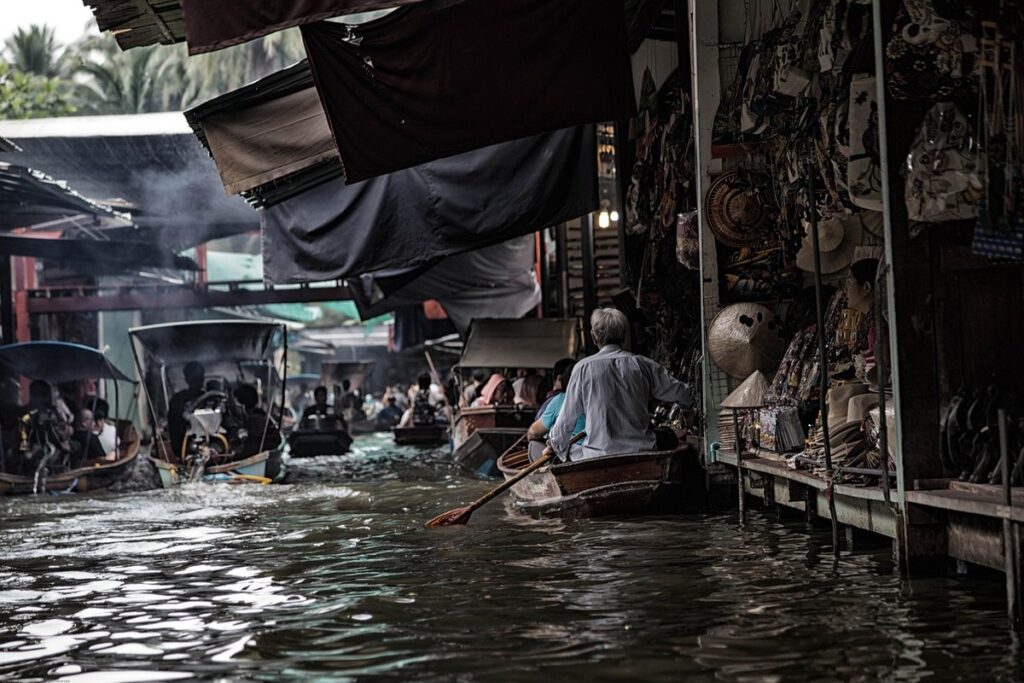
Damnoen Saduak and Amphawa are two of Bangkok’s most iconic floating markets. These water-based bazaars offer a unique shopping experience where vendors sell everything from fresh produce to handicrafts from their boats. As you wander along the canals, you’re surrounded by the sights, sounds, and smells of traditional Thai culture.
One of the highlights of visiting these markets is trying local specialties such as grilled river fish, boiled corn on the cob, or coconut ice cream. Be sure to try some of the sweet treats like sticky rice with mango or tubtim krob (crystal water chestnut dessert). These delicacies are not only delicious but also a great way to experience the market’s culinary traditions.
When shopping at floating markets, it’s essential to be mindful of your surroundings and the vendors. Many of these markets are still family-owned businesses that have been passed down through generations. Be respectful of their space and traditions, and always negotiate prices politely. With a little patience and flexibility, you can find some truly unique souvenirs and immerse yourself in the vibrant culture of Bangkok’s floating markets.
Night Markets
Bangkok’s night markets are a magnet for visitors seeking an immersive experience. Rot Fai and Patpong Night Market stand out as popular destinations, each offering a unique blend of shopping, dining, and entertainment. At Rot Fai, you’ll find a sprawling market with over 2,000 vendors selling everything from vintage clothing to antique furniture. The atmosphere is lively, with live music and street performers adding to the excitement.
Patpong Night Market, on the other hand, is known for its focus on shopping and dining. You can browse stalls selling local handicrafts, try traditional Thai street food, or visit one of the many bars and nightclubs in the area. Both markets are open late into the night, making them perfect for visitors looking to experience Bangkok’s nightlife.
When visiting either market, be prepared to haggle – it’s a part of the shopping culture here. Also, keep an eye on your belongings, as pickpocketing can be a problem in crowded areas. With their diverse offerings and vibrant atmosphere, Rot Fai and Patpong Night Market are must-visits for anyone looking to delve into Bangkok’s market culture.
Traditional Products and Food
Bangkok markets are a treasure trove of traditional goods, from hand-woven silks to intricately crafted wooden carvings, each item telling a story of Thai craftsmanship. Let’s explore some of these timeless products and delicious local food that showcase the city’s rich cultural heritage.
Local Cuisine
Bangkok’s culinary scene is a reflection of its rich cultural heritage. Iconic dishes like pad thai, tom yum soup, and som tam are staples at street food stalls and local eateries throughout the city. These beloved dishes have been refined over time through generations of cooks and merchants who perfected their recipes.
Street food stalls, known as “mooks,” can be found in almost every market. They offer a wide range of dishes, from spicy tom yum soup to savory pad thai. At these stalls, locals often gather to socialize while enjoying their meals. For visitors, trying street food is an essential part of the Bangkok experience.
In addition to street food, local eateries, or “krobs,” offer more substantial meals in a seated setting. These restaurants often specialize in specific regional cuisines and are popular with both locals and tourists. Some notable examples include Jay Fai, a Michelin-starred restaurant serving traditional Thai dishes, and Som Tam Nua, which specializes in spicy papaya salad.
When trying local cuisine, consider the following: opt for stalls or restaurants that have been recommended by locals or have a high rating on review platforms; be mindful of food safety guidelines to avoid getting sick; and don’t be afraid to try new dishes – you might discover your new favorite.
Handicrafts and Souvenirs
Bangkok markets are a treasure trove for shoppers seeking unique handicrafts and souvenirs. You’ll find an array of traditional crafts on display, showcasing Thailand’s rich cultural heritage. Wood carvings are a staple, with intricate designs and patterns adorning everything from figurines to decorative boxes.
Silverware is another popular choice, with delicate filigree work and ornate patterns on show. Look for silver-plated items, which offer excellent value without sacrificing quality. Silk products, including beautiful scarves, shawls, and embroidered clothing, are also widely available. These high-quality textiles are often woven using traditional techniques passed down through generations.
Some notable handicrafts include hand-painted ceramics, colorful batik prints, and handmade paper crafts. Keep an eye out for vendors offering custom orders or bespoke pieces, which can be a great way to take home a truly unique souvenir. When shopping for handicrafts, be sure to inspect the items carefully, as quality can vary greatly depending on the vendor and materials used.
The Role of Markets in Thai Culture
Thai markets are more than just places to shop – they’re vibrant community hubs where locals and visitors come together, playing a vital role in daily life. From food stalls to fresh produce, we’ll explore how these bustling spaces shape culture.
Social Significance
In Thai culture, markets serve as vibrant hubs where community gatherings and social bonding take center stage. For Thais, visiting a market is often an occasion to catch up with friends and family over a plate of street food or while browsing the latest handicrafts. Markets like Damnoen Saduak Floating Market and Rot Fai Night Market are particularly popular gathering spots, attracting locals and tourists alike.
To truly experience the social significance of Bangkok’s markets, be sure to visit during peak hours when they’re bustling with activity. You’ll see vendors expertly juggling multiple customers at once, while neighbors chat over steaming bowls of tom yum soup. This is where Thai culture’s emphasis on community and relationships comes alive.
Markets also play a vital role in cultural preservation by providing a platform for artisans to showcase their traditional skills. You can find authentic, handmade products such as wood carvings, woven baskets, and intricate silver jewelry at markets like Patpong Night Market. By supporting local vendors, you’re not only taking home a unique souvenir but also contributing to the preservation of Thailand’s rich cultural heritage.
Economic Impact
Bangkok’s markets are a significant contributor to the local economy, providing employment opportunities for thousands of people. Many vendors and stall owners rely on their daily earnings from selling goods and food to support themselves and their families. In fact, it’s estimated that a large portion of Bangkok’s informal workforce is engaged in market activities.
The revenue generated by these markets also has a ripple effect, benefiting local businesses and services such as suppliers, transportation providers, and maintenance workers. Moreover, the influx of tourists visiting these markets injects significant amounts of foreign currency into the economy. This, in turn, stimulates business growth and entrepreneurship, as vendors and stall owners often invest their profits back into expanding their operations or diversifying their product offerings.
To give you a sense of scale, some popular night markets like Rot Fai and Patpong attract hundreds of thousands of visitors each month. These tourists not only generate revenue from sales but also create opportunities for local artisans to showcase and sell their handmade goods. By understanding the economic impact of Bangkok’s markets, you can appreciate the vital role they play in supporting the local community and driving business growth.
Modernizing Traditional Markets
Bangkok markets have long been a staple of the city’s culture, but modernization efforts are bringing new life and energy to these traditional spaces. Let’s take a closer look at how this evolution is shaping the market experience.
Adaptation to Tourism
Bangkok’s markets have undergone significant changes to cater to the influx of tourists. To meet the demand for unique souvenirs and experiences, vendors now offer a wide range of products tailored specifically for visitors. These may include intricately designed t-shirts, colorful handmade jewelry, or traditional Thai instruments.
Some markets have also introduced services catering to tourists’ needs, such as food courts with international cuisine options, currency exchange counters, and even ATMs. The infrastructure has been upgraded to accommodate the large number of visitors, with some markets now featuring air-conditioned walkways and modern restrooms.
However, this adaptation comes with its own set of challenges. Vendors must balance their traditional products with tourist-friendly offerings, which can be a delicate task. Moreover, the influx of tourists has led to concerns about over-commercialization and the potential loss of authentic market experiences. To navigate these changes effectively, visitors should explore lesser-known markets and engage directly with vendors to understand their products and services. By doing so, they can support local artisans while also experiencing the vibrant culture that Bangkok markets have to offer.
Challenges and Opportunities
As Bangkok’s urban landscape continues to evolve, traditional markets face unique challenges in adapting to the changing environment. One major hurdle is the increasing competition from modern shopping malls and online retailers, which offer a wider range of products at competitive prices. This has led some vendors to struggle with declining sales and reduced foot traffic.
Another challenge lies in maintaining the authenticity and character that defines these traditional markets. With the rise of tourism, some vendors feel pressure to cater exclusively to foreign visitors, sacrificing their traditional practices and cultural significance in the process. To mitigate this risk, some markets have implemented initiatives to promote local products and authentic experiences.
However, there are also opportunities for innovation and growth. For instance, incorporating technology to enhance customer experience can help increase sales and attract new customers. A small minority of vendors have successfully integrated digital payment systems, online ordering platforms, and even social media marketing campaigns into their operations. These forward-thinking approaches not only boost business but also help preserve the cultural heritage of these iconic markets.
Frequently Asked Questions
Can I find authentic traditional products in modern night markets?
Yes, while some night markets may prioritize tourist-friendly souvenirs over local handicrafts, many still offer authentic and high-quality traditional items. Look for stalls with clear labels indicating the origin and materials used, or ask vendors about their products to ensure you’re getting genuine goods.
How do I navigate the crowded floating markets without getting overwhelmed?
To avoid feeling overwhelmed in floating markets like Damnoen Saduak or Amphawa, start by observing the local vendors and customers, then try to find a central location with minimal distractions. Focus on one stall at a time, and don’t be afraid to ask for help from friendly locals or your tour guide if needed.
Are there any specific etiquette rules I should follow when shopping in Bangkok markets?
When shopping in Bangkok markets, it’s considered polite to haggle respectfully and avoid high-pressure sales tactics. Also, be prepared to remove your shoes before entering temples or certain market stalls, as this is a sign of respect for the local culture.
Can I take photos of vendors or their products without permission?
While many vendors are happy to have their photos taken, it’s always best to ask for permission before snapping shots of individuals or their wares. This shows respect for their property and allows them to potentially benefit from your photo in the future.
What if I get lost or separated from my group while exploring Bangkok markets?
If you become lost or separated from your group while navigating Bangkok markets, try to remain calm and stay in a populated area until help arrives. Look for signs with English translations, ask locals for directions, or seek assistance from market staff or security personnel.

