Denmark is a winter wonderland during the holiday season, with Christmas markets popping up in towns and cities across the country. You’re probably familiar with the magical atmosphere of Copenhagen’s Tivoli Gardens or Aarhus’ Dokk1 market, but there are many more hidden gems to discover. From traditional Danish treats like gløgg and æbleskiver to unique shopping finds, Denmark’s Christmas markets have something for everyone. But what sets them apart from other European destinations? In this article, we’ll take you on a tour of the best Christmas markets in Denmark, highlighting insider tips on getting there, budgeting for your day out, and even meeting Santa Claus. By the end of it, you’ll be ready to plan your own festive trip to Denmark and experience the magic of these special events for yourself.
Discovering Denmark’s Festive Spirit
From twinkling lights to cozy cabins, Denmark’s Christmas markets are a winter wonderland waiting to be explored. Let’s dive into what makes each one unique and special.
What to Expect from Danish Christmas Markets
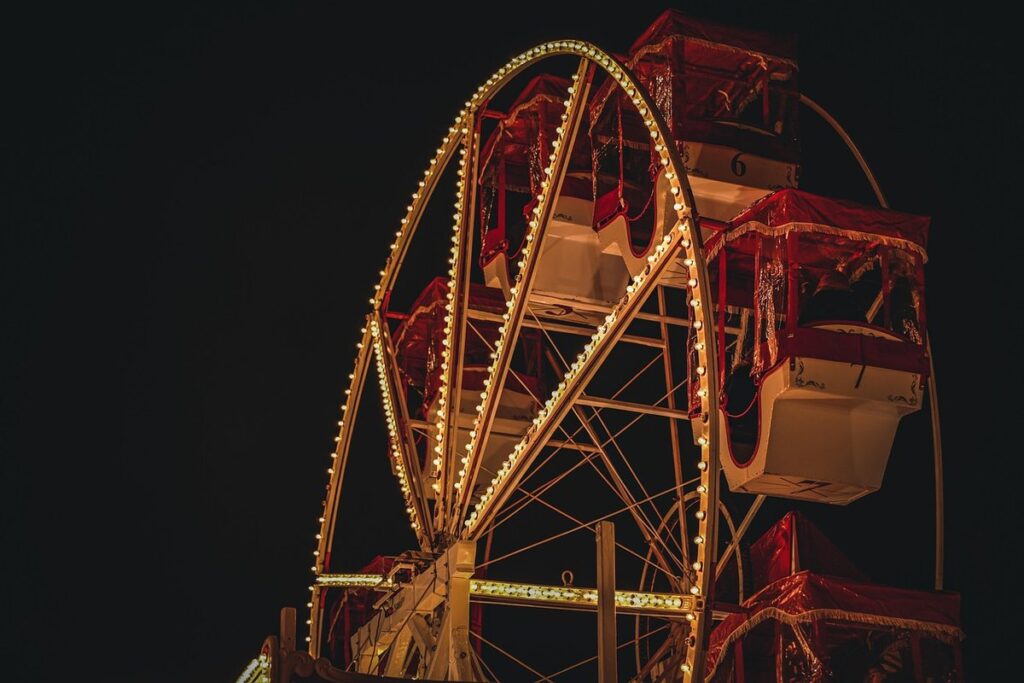
At a traditional Danish Christmas market, you’ll find a festive atmosphere with twinkling lights, wooden stalls, and the scent of gløgg wafting through the air. The markets typically take place in the weeks leading up to Christmas and are often held in historic locations such as castles, churches, or town squares.
Stalls at Danish Christmas markets usually offer handmade crafts, including decorations, textiles, and ceramics. You can also expect to find local food vendors selling traditional Danish treats like æbleskiver (apple fritters) and pebernødder (small peppercorn cookies). Many markets feature live music, often featuring folk bands or choirs.
One of the unique features of Danish Christmas markets is the focus on sustainability. Many stalls aim to reduce waste by using biodegradable materials and minimizing packaging. Some markets also offer workshops where visitors can learn traditional crafts like knitting or woodworking. Be sure to check out the local specialties at each market, as they often reflect the region’s unique traditions and flavors.
Popular Locations for Christmas Shopping
Copenhagen is a must-visit destination for Christmas shoppers, with several markets scattered throughout the city. The Tivoli Gardens Winter Wonderland is one of the most famous and popular spots to get into the holiday spirit. Visitors can stroll through the festively decorated gardens, sample traditional Danish cuisine, and browse through stalls selling handmade crafts and local goods.
Aarhus also hosts a charming Christmas market in the historic Latin Quarter, featuring around 70 wooden houses filled with unique gifts, decorations, and souvenirs. The market offers a range of shopping options, from high-end boutiques to independent vendors selling one-of-a-kind items.
Other notable cities and towns hosting Christmas markets include Roskilde, which features a medieval-themed market in the old town, and Odense, where visitors can browse through stalls offering local delicacies and handmade crafts. Each location offers a unique shopping experience, so it’s worth exploring different areas to find the one that suits your tastes and preferences.
For those looking for an even more authentic Danish experience, consider visiting some of the smaller towns and villages hosting their own Christmas markets. These often feature traditional food, drink, and entertainment, making them a great way to immerse yourself in local culture.
Top 5 Christmas Markets in Denmark
If you’re looking for a festive holiday experience, look no further than these five top-rated Christmas markets in Denmark. From Copenhagen to Aarhus, each one offers a unique and magical atmosphere.
1. Tivoli Gardens Winter Wonderland (Copenhagen)
Tivoli Gardens Winter Wonderland is a must-visit destination for anyone looking to experience the magic of Copenhagen’s Christmas season. Located within the historic Tivoli Gardens amusement park, this festive market offers a unique blend of traditional Danish charm and international flair.
The market features over 60 stalls selling handmade crafts, decorations, and souvenirs from around the world. You’ll find everything from intricately carved wooden ornaments to beautifully crafted glassware, making it an ideal destination for gift-hunters. The Tivoli Gardens Winter Wonderland also boasts a range of food stalls serving traditional Danish cuisine, including gløgg (mulled wine), æbleskiver (Danish doughnuts), and smørrebrød.
One of the highlights of the market is the opportunity to ride the iconic Tivoli Gardens rollercoaster, Froscato, which has been transformed into a festive winter wonderland itself. The market also features live music performances, including traditional Danish folk music and modern pop acts. With its enchanting atmosphere, diverse shopping options, and fun activities for all ages, Tivoli Gardens Winter Wonderland is an unforgettable experience that will leave you feeling merry and bright.
2. Aarhus Christmas Market (Aarhus)
Located in the heart of Aarhus, the city’s charming Christmas Market is a must-visit destination for holiday shoppers. The market takes place on the cobblestone streets surrounding the picturesque Latin Quarter, surrounded by historic buildings and lively atmosphere.
At the Aarhus Christmas Market, you’ll find an array of local food stalls offering traditional Danish delicacies such as gløgg (mulled wine), æbleskiver (sweet pancake balls), and kransekage (wreath-shaped cake). Don’t miss trying some smørrebrød (open-faced sandwiches) or a warm, spiced apple cider to keep you cozy.
Handmade crafts are also on display at the market, including beautifully crafted wooden toys, glasswork, and textiles. Be sure to browse through the stalls selling unique, locally-made gifts for friends and family back home. Some popular items include hand-painted ceramics, woven baskets, and intricately designed jewelry.
When visiting the Aarhus Christmas Market, consider arriving early in the day to beat the crowds and make the most of your time exploring the market’s offerings. With its lively atmosphere, delicious food, and unique handmade crafts, this market is sure to become a highlight of your Danish holiday experience.
Exploring Regional Markets
Denmark is home to a diverse range of Christmas markets, each offering a unique experience that showcases local culture and traditions. From Copenhagen’s Tivoli Gardens to the charming towns along the coast.
West Jutland’s Nyborg Castle Christmas Market
Nyborg Castle’s Christmas market is a charming winter wonderland nestled in West Jutland. As you stroll through its cobblestone streets, you’ll discover an array of local vendors selling handmade crafts and unique products. The market showcases the region’s rich talent for ceramics, woodcarvings, and textiles.
Look out for traditional Danish woolen goods, intricately knitted scarves, and hats that will keep you warm throughout the cold winter months. You can also find beautifully crafted wooden decorations, from ornaments to figurines, which make perfect souvenirs or gifts. For those with a sweet tooth, local bakeries offer an assortment of festive treats, including traditional Danish cookies and pastries.
One of the highlights of Nyborg Castle’s Christmas market is its emphasis on local produce. You’ll find vendors selling fresh berries, fruits, and vegetables, all carefully selected from nearby farms to ensure their quality and freshness. Be sure to try some of the region’s specialty foods, such as smoked salmon or pickled herring, which are perfect accompaniments to a warm cup of gløgg (Danish mulled wine).
Funen’s Odense Christmas Market (Odense)
In Odense, Funen’s largest city, you’ll find a charming Christmas market that celebrates traditional Danish food and crafts. The market is set amidst the historic setting of Kongens Nytorv, with festive stalls and twinkling lights creating a magical atmosphere. One of the highlights of this market is the emphasis on local producers and artisans, offering an array of handmade goods such as woodcarvings, textiles, and ceramics.
You can sample traditional Danish delicacies like smørrebrød (open-faced sandwiches) and gløgg (mulled wine), while browsing the stalls. Don’t miss the opportunity to try some local specialties like kanelsnurrer (cinnamon swirls) or æbleskiver (danish doughnuts). The market also features a dedicated area for food vendors, where you can indulge in hot chocolate and other winter treats.
The Odense Christmas Market is particularly notable for its focus on sustainability and community involvement. Many of the stalls are run by local organizations and charities, with proceeds going towards supporting local causes. This adds an extra layer of warmth to the festive atmosphere, making it a truly unique experience.
Unique Experiences at Christmas Markets
Looking for something beyond traditional holiday shopping? Denmark’s Christmas markets offer a range of unique experiences that make the season even more special.
Meet Santa Claus and His Helpers
When visiting Christmas markets in Denmark, meeting Santa Claus and his helpers is often a highlight for both kids and adults. However, it’s essential to know what to expect and when to catch these festive figures.
At some markets, such as Tivoli Gardens Winter Wonderland in Copenhagen, Santa has a dedicated workshop where children can take part in craft activities while waiting to meet him. At Aarhus Christmas Market, you’ll find Santa’s cozy cabin, where he greets visitors with a warm smile and perhaps even a few words of Danish.
To increase your chances of meeting Santa Claus and his helpers, plan your visit during peak hours or when the market is busiest. This usually occurs on weekends and in the evening. Some markets also offer special Santa meet-and-greet sessions, which you can check for in advance to avoid missing out.
Keep in mind that some Christmas markets may have specific rules or guidelines for meeting Santa Claus, such as queuing systems or designated meeting times. Be sure to follow these instructions to ensure a smooth and enjoyable experience for both you and your little ones.
Traditional Danish Food and Drinks
When exploring Danish Christmas markets, you’ll have ample opportunities to sample local specialties. One of the most iconic drinks is gløgg, a mulled wine made with red wine, spices, and sugar. It’s typically served hot, often from large vats at market stalls, and is perfect for warming up on chilly winter days.
In addition to gløgg, you’ll find plenty of sweet treats like æbleskiver – small, round apple fritters that are often drizzled with powdered sugar. These crispy-on-the-outside, fluffy-on-the-inside snacks are a festive favorite among locals and visitors alike. Look for vendors selling freshly made æbleskiver, or try them from a food stall specializing in traditional Danish cuisine.
Meat-lovers won’t be disappointed either, as flæskesteg – slow-roasted pork with crackling – is another popular Christmas market offering. Typically served with boiled potatoes and red cabbage, this hearty dish is sure to satisfy even the largest of appetites. Be sure to arrive early at the market stalls serving flæskesteg, as these dishes often sell out quickly during peak hours.
Insider Tips for Visiting Christmas Markets
To make the most of your visit, we’ve gathered insider tips on how to navigate and enjoy the festive atmosphere at Denmark’s top Christmas markets. From avoiding crowds to finding unique gifts.
Getting There and Around
Most markets are easily accessible by public transportation. For example, Aarhus Christmas Market is a short walk from Aarhus Train Station, while Tivoli Gardens Winter Wonderland is within walking distance of Copenhagen’s central station. However, some markets like Nyborg Castle Christmas Market require a bus or taxi ride from the nearest train station.
To save time and energy, consider purchasing a Denmark Rejsekort (travel card), which allows unlimited public transportation across the country for 24-30 days. This is especially convenient if you plan to visit multiple markets in one day.
When navigating the crowds, look out for signs directing you to designated entrances or priority lines for visitors with disabilities. Some markets also offer guided tours, which can help you avoid congestion and get a more immersive experience.
If you do find yourself stuck in a crowd, don’t be afraid to take breaks and explore nearby shops or cafes. Many Christmas markets have expanded their offerings beyond traditional handicrafts and food stalls, so you may discover unique boutiques or restaurants worth exploring.
Budgeting for a Magical Experience
When visiting Danish Christmas markets, it’s easy to get caught up in the festive atmosphere and spend more than you intended. To make the most of your visit without overspending, prioritize what matters most to you. If you’re a foodie, allocate a significant portion of your budget for trying traditional Danish delicacies like gløgg and æbleskiver.
Consider purchasing items that can be easily carried or packed, such as handmade ornaments, candles, or woolen goods, rather than large or bulky items that may incur shipping costs. Many vendors accept credit cards, but it’s still a good idea to have some cash on hand for smaller purchases or when visiting market stalls that don’t accept card payments.
A rough estimate for food and drink is 100-200 DKK (approximately $15-$30 USD) per person, depending on your eating habits. Budget around 500-700 DKK ($75-$105 USD) per person for a day at the market, including shopping and snacks. To save money, look for free activities like ice skating or visiting the Christmas tree, and take advantage of early bird discounts or package deals when available.
Frequently Asked Questions
What if I’m traveling with young children and want to make sure they can visit Santa Claus at all the markets?
Yes, most Christmas markets in Denmark offer visits with Santa Claus, but it’s essential to check ahead of time as some markets may have specific schedules or require advance booking. You can usually find this information on the market’s website or by contacting them directly.
Can I attend a single-day event instead of visiting one of the larger Christmas markets?
Yes, many smaller towns and villages in Denmark host their own Christmas events and markets, often on a single day or weekend. These events might offer a more intimate experience, with local food, crafts, and entertainment. However, they may not have the same scale as the major markets.
Are there any Christmas markets that specifically cater to people with disabilities?
Yes, some larger cities in Denmark are working to make their Christmas markets more accessible for visitors with disabilities. For example, Copenhagen’s Tivoli Gardens Winter Wonderland has implemented measures such as wheelchair-accessible pathways and sign language interpreters. It’s best to contact the market directly or check their website for specific accessibility information.
Can I purchase food and drinks at the Christmas markets if I’m vegan or have other dietary restrictions?
Yes, many Danish Christmas markets now cater to visitors with special diets by offering vegan or gluten-free options. However, it’s still a good idea to ask vendors about ingredients and preparation methods in advance to ensure you can enjoy their offerings.
What if I want to combine visiting the Christmas markets with exploring Denmark’s winter landscapes? Are there any scenic routes or recommendations?
Yes, Denmark has many beautiful winter landscapes and scenic routes that are perfect for a road trip. Some popular options include driving through the rolling hills of Funen Island, exploring the rugged coastline of West Jutland, or taking a winter hike in the Østjylland region.