Language interference can cause frustration for bilingual children as they struggle to switch between two languages. For instance, a child may say “I go store” instead of “I’m going to the store” because their brain is defaulting to the grammar rules of one language over the other. This phenomenon is just one example of the many disadvantages associated with bilingualism. Research has shown that bilingual individuals often experience dominance effects in language proficiency, where one language becomes more dominant than the other. Additionally, studies have found that bilingual brains may be structured differently, affecting cognitive abilities such as attention and memory. Furthermore, social and cultural implications of bilingualism can also lead to identity confusion and stigma. By exploring these challenges, we can better understand how to implement effective strategies for success and advocate for policy reforms that mitigate the disadvantages of bilingualism, ultimately enabling individuals to maximize their linguistic potential.
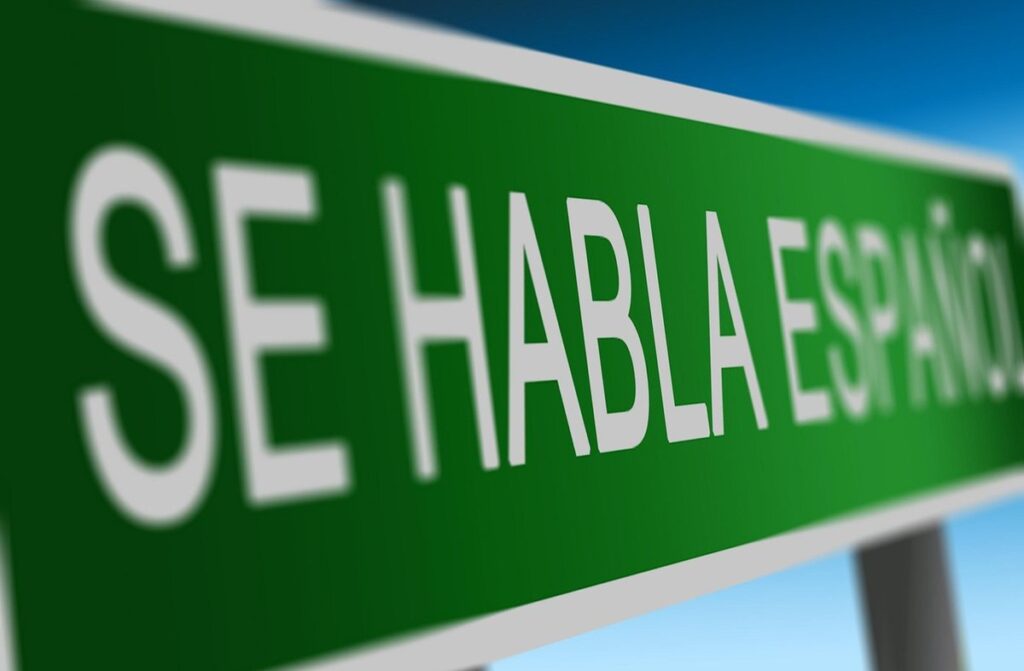
The Complexity of Language Acquisition
Language acquisition is a multifaceted process that involves not just learning new words and grammar, but also navigating cultural nuances and social contexts. As we explore bilingual disadvantages, let’s examine how complexity can impact language development.
Dual-Language Interference
Dual-language interference occurs when bilingual individuals struggle to switch between languages, leading to errors and inconsistencies in both languages. This phenomenon is often referred to as “cross-linguistic influence” or “language transfer.” For example, a Spanish-English bilingual speaker may use English verb conjugations with Spanish nouns, or vice versa.
In some cases, dual-language interference can be beneficial, such as when it facilitates creative language combinations. However, in many situations, it can hinder communication and lead to misunderstandings. Research has shown that bilingual individuals who experience more frequent language switching tend to exhibit greater dual-language interference.
To mitigate the effects of dual-language interference, bilingual speakers can engage in strategies like language separation, where they dedicate specific times or contexts to each language. They can also practice active language choice, selecting the most suitable language for a given situation. By being aware of their linguistic backgrounds and adapting their communication style accordingly, bilingual individuals can reduce dual-language interference and improve overall language proficiency.
Language Dominance and Code-Switching
Language dominance often determines code-switching habits and communication styles in bilingual individuals. When one language is more dominant than the other, it can influence how speakers switch between languages in different contexts. For instance, a person who speaks Spanish at home but uses English for work may tend to code-switch more frequently when speaking with colleagues or clients.
In some cases, this dominance can lead to what’s known as “language switching,” where bilinguals alternate between two languages in the same conversation. This phenomenon is often seen in communities where one language is widely used in public life while another is spoken at home. However, research suggests that excessive code-switching can hinder clear communication and cause misunderstandings.
Bilingual individuals may also exhibit different communication styles depending on their linguistic dominance. For example, someone who speaks a dominant language with more fluency may be less inclined to use non-standard grammar or vocabulary when speaking in the weaker language. Conversely, a bilingual person with stronger proficiency in their native tongue might struggle to articulate complex ideas in their second language.
In many cases, code-switching can serve as an adaptive strategy for bilinguals navigating multilingual environments. But it’s essential to recognize that this linguistic behavior can sometimes have unintended consequences on communication and relationships.
Brain Structure and Language Processing
Research suggests that bilingual individuals have a distinct brain structure compared to monolinguals. Specifically, studies have shown that bilingual brains exhibit greater grey matter density in areas responsible for language processing, such as Broca’s and Wernicke’s areas. This may be due to the increased cognitive demands of managing multiple languages.
However, this adaptation comes with a cost. Bilingual individuals often experience language interference, where one language inadvertently influences the other. For example, a Spanish-English bilingual may struggle to recall the correct word in English due to the presence of a similar-sounding word in Spanish.
Interestingly, language dominance can also affect brain structure. Research has found that monolingual and bilingual brains differ in their lateralization patterns, with bilinguals showing more bilateral activation in language tasks. This suggests that bilingual individuals may rely on both hemispheres of the brain to process language information.
While these differences are intriguing, they also highlight the challenges faced by bilingual learners. For instance, bilingual children may experience difficulties with phonological awareness and reading skills due to the unique demands placed on their brains.
Educational Challenges for Bilingual Students
Being a bilingual student can come with its own set of educational challenges, including navigating complex language requirements and cultural differences that impact academic performance. This unique dynamic can affect a student’s ability to succeed in school.
Academic Performance and Proficiency Tests
Bilingual students often struggle to keep up with academic performance and proficiency tests due to language barriers. In many educational systems, standardized tests are designed with monolingual learners in mind, which can create a disadvantage for bilingual students who may not have the same level of proficiency in the dominant language.
Proficiency tests, such as the TOEFL or IELTS, require test-takers to demonstrate their reading, writing, and speaking skills in the target language. For bilingual students, this means that they must navigate complex linguistic demands while also managing the pressure of taking a high-stakes exam. This can lead to anxiety and decreased performance.
To mitigate these challenges, educators can use accommodations such as providing bilingual support materials or allowing students to complete exams in their native language. However, even with accommodations, bilingual students may still face difficulties in meeting proficiency test standards. In some cases, this can result in delayed graduation or limited opportunities for college admission.
Teacher Training and Support
Teacher training and support play a crucial role in helping bilingual students overcome educational challenges. Many bilingual teachers lack training on how to differentiate instruction for students with varying language proficiency levels. This can lead to inconsistent support, which may hinder the academic progress of bilingual students.
A well-trained teacher is better equipped to recognize and address the unique needs of their bilingual students. They are able to modify assignments, use visual aids, and provide additional language support when needed. For instance, a teacher might create a bilingual dictionary or use visual vocabulary cards to help students with limited English proficiency access the curriculum.
To ensure that teachers receive adequate training and support, schools can offer professional development workshops and coaching sessions. These should focus on practical strategies for teaching bilingual students, including culturally responsive teaching practices and language acquisition theory. Regular peer mentoring and observation also help teachers refine their instructional approaches.
Ultimately, teacher training and support are essential components of a bilingual student’s educational success. By providing teachers with the necessary tools and knowledge, schools can create a more inclusive learning environment that fosters academic growth for all students.
Language Policy and Curriculum
Language policies and curricula play a crucial role in shaping the educational experience of bilingual students. In some schools, teachers are encouraged to use the student’s dominant language as the primary means of instruction, while others may adopt a more immersive approach, where content is taught solely in the target language. However, research suggests that bilingual education programs often lack consistency and clear guidelines, leading to inconsistent outcomes for students.
A common issue arises when schools implement policies that prioritize one language over another, potentially marginalizing students who are not fluent in the dominant language. For instance, a school may require all students to take proficiency tests in English as a Second Language (ESL), which can create anxiety and affect self-esteem among bilingual students who struggle with language dominance. To mitigate these effects, educators should consider adopting more inclusive language policies that acknowledge and support the linguistic diversity of their student body.
School administrators can also benefit from revisiting their curriculum design to ensure it caters to the needs of bilingual learners. This may involve introducing more nuanced assessments that account for language proficiency in both languages or incorporating culturally responsive teaching practices to foster a sense of belonging among students. By doing so, educators can create a more supportive learning environment that values and celebrates linguistic diversity.
Social and Cultural Consequences
Being bilingual can also have a significant impact on your social and cultural identity, leading to feelings of isolation and confusion. We’ll examine these challenges in more detail below.
Identity and Self-Perception
Growing up bilingual can be a double-edged sword when it comes to identity and self-perception. On one hand, being fluent in two languages can provide a sense of cultural connection and pride. However, it can also lead to feelings of fragmentation and confusion about which language or culture is “truer” to the individual.
Some bilingual individuals may experience tension between their languages, with each one representing different aspects of themselves. For example, a person who speaks Spanish at home but English in school might struggle to reconcile these two identities. This internal conflict can affect self-perception, making it difficult for individuals to define themselves or feel fully accepted by others.
Interestingly, the way parents and caregivers communicate with bilingual children can play a significant role in shaping their sense of identity. For instance, if one parent is fluent in both languages but speaks only one at home, the child may pick up on this inconsistency and begin to question their own language abilities. By recognizing these complexities, bilingual individuals and those who support them can work towards developing a more cohesive sense of self and embracing the benefits of multilingualism.
Community Perception and Stereotypes
Growing up bilingual can have its advantages, but it also comes with its own set of challenges. In some communities, bilingual individuals may face stereotyping and negative perceptions related to their language abilities. For instance, they might be seen as struggling academically or having a “language deficit.” This perception is often rooted in the idea that monolingualism is the norm and bilingualism is somehow inferior.
In reality, bilingual individuals can experience language interference, where their native language influences their second language, leading to difficulties with grammar, vocabulary, and pronunciation. However, this does not mean they are less capable or intelligent than their monolingual peers.
Some communities may even view bilingual individuals as “language brokers” who can facilitate communication between different groups. But while this role is valuable, it can also perpetuate stereotypes that bilingual individuals are only useful for translation purposes, rather than being competent in both languages themselves.
It’s essential to recognize and challenge these stereotypes by promoting education and awareness about the benefits of bilingualism. By doing so, we can create a more inclusive environment where bilingual individuals feel valued and empowered to use their language skills effectively.
Language Maintenance and Shift
Language maintenance is when bilingual individuals and communities actively preserve their minority language, often through cultural events, education, and social interactions. This can be particularly challenging for young people, who may feel pressure to abandon their heritage language in favor of the dominant one. In some cases, language shift occurs when a community’s younger generation begins to use the dominant language exclusively, leading to a decline in proficiency among older generations.
A key factor contributing to language maintenance and shift is exposure to the majority language through media, education, and socialization. When bilingual individuals are consistently surrounded by the dominant language, they may feel that their minority language is no longer relevant or useful. Additionally, economic factors can also play a significant role in language shift, as families may prioritize speaking the dominant language in order to access better job opportunities.
To mitigate these effects, it’s essential for bilingual communities to create environments where both languages are valued and encouraged. This might involve setting up dual-language schools, supporting community events that promote minority languages, or implementing language support programs in workplaces.
Career and Professional Implications
For bilingual individuals, the potential career and professional implications of speaking two languages can be a double-edged sword, bringing both opportunities and challenges. We’ll examine these complexities together in this section.
Workplace Communication Challenges
In a bilingual workplace, communication challenges can arise due to language barriers and cultural differences. Bilingual professionals may struggle to articulate their ideas effectively, leading to misunderstandings and miscommunications. For instance, when communicating with colleagues who speak only one language, they might use complex vocabulary or jargon that the others don’t understand.
Additionally, code-switching – switching between languages in a single conversation – can be perceived as unprofessional or confusing by some colleagues. This may lead to feelings of self-consciousness and anxiety among bilingual employees. Effective communication is crucial for collaboration, project success, and career advancement.
To overcome these challenges, employers can provide language training and encourage open communication about language preferences and boundaries. Bilingual professionals can also take steps to adapt their communication style to their workplace context. This might involve using simple, clear language or designating a common language for team meetings and discussions.
Job Opportunities and Salary Disparities
Being bilingual can have a significant impact on job opportunities and salary disparities. Research suggests that bilingual individuals often earn lower salaries than their monolingual counterparts, despite having similar qualifications and experience. This disparity is particularly pronounced in certain industries, such as law enforcement and healthcare, where language proficiency is highly valued.
A study found that bilingual employees in the US typically earn 10-15% less than their monolingual peers. This discrepancy can be attributed to several factors, including unconscious bias among hiring managers and a lack of opportunities for career advancement. Bilingual individuals may also face difficulties in finding jobs that utilize their language skills, leading to underemployment.
To mitigate these challenges, bilingual job seekers should emphasize their language abilities when applying for positions. They should also consider industries where bilingualism is highly valued, such as translation services or international business. Furthermore, they can highlight their language skills on their resumes and cover letters, using specific examples of how they have applied them in the past.
Language Skills and Career Advancement
In many industries, language skills are highly valued for career advancement and professional development. Bilingual individuals may face challenges when communicating with monolingual colleagues, which can hinder their ability to collaborate effectively and build strong working relationships. This is particularly true in fields such as international business, diplomacy, and translation, where proficiency in multiple languages is often a requirement.
While having two languages can be an asset in certain contexts, it can also lead to code-switching, which can create confusion and make communication more difficult. In a work setting, bilingual individuals may struggle to choose the most suitable language for the situation or switch between languages mid-conversation, leading to misunderstandings and errors.
To overcome these challenges, bilingual professionals should focus on developing their receptive skills in both languages, rather than just relying on their productive skills. This means being able to understand written and spoken language in each of their languages, even if they’re not the dominant language. By doing so, they can better navigate complex communication situations and avoid misunderstandings that may arise from language difficulties.
Mitigating Bilingual Disadvantages
While being bilingual can have many benefits, it also brings unique challenges that may hinder academic and professional success if not properly addressed. We’ll explore some strategies to overcome these obstacles.
Support Systems and Resources
For bilingual individuals facing disadvantages, various support systems and resources are available to mitigate these challenges. Many organizations offer language classes specifically designed for adults and children who are struggling with language dominance or code-switching.
Online platforms provide access to free or low-cost language courses, tutoring services, and language exchange programs. These platforms often connect learners with native speakers of their target languages, facilitating practice and improvement opportunities. For example, Duolingo, Coursera, and edX offer a range of language courses that cater to different learning styles.
Language support hotlines and counseling services are also available for individuals who need help navigating the challenges associated with bilingualism. Some organizations specialize in providing emotional support and guidance to help bilingual individuals cope with identity issues, community perception, and other social implications. These resources can be found through local non-profit organizations, government websites, or online directories.
Additionally, schools and educational institutions are beginning to recognize the value of language diversity and offer targeted programs to support bilingual students. Some schools have implemented dual-language immersion programs that allow students to maintain their native language while acquiring a new one. By leveraging these support systems and resources, bilingual individuals can better navigate the complexities associated with speaking multiple languages.
Strategies for Success
To succeed in education, career, and social settings as a bilingual individual, it’s essential to develop strategies that capitalize on language skills. One approach is to leverage language proficiency by pursuing careers or educational programs that value multilingualism. For instance, international business, diplomacy, or translation services can provide opportunities for bilingual individuals to showcase their language abilities.
Another strategy is to focus on developing a strong foundation in the minority language, which may be more valuable than proficiency in the dominant language. This involves setting aside dedicated time for practicing and improving speaking, writing, and listening skills.
In educational settings, bilingual students can benefit from self-advocacy by communicating their needs and accommodations to teachers and peers. This includes requesting extra support or resources when needed, such as language interpreters or translation software.
By being proactive in seeking opportunities and accommodations, bilingual individuals can turn their multilingualism into a strength rather than a liability.
Language Education Policy Reform
Language education policy reform is crucial to mitigating the disadvantages faced by bilingual students. One potential reform is to adopt a more flexible and inclusive language curriculum that acknowledges and values diverse linguistic backgrounds. This could involve incorporating bilingual instruction, where students learn academic subjects in both their native language and an additional language. For example, some schools have implemented dual-language immersion programs, which pair English-speaking students with bilingual teachers and students.
Another reform is to provide teacher training and support on language education policies and best practices for working with bilingual students. This could include workshops on culturally responsive teaching, language assessment and accommodation, and strategies for promoting language development in the classroom. Teachers should also have access to resources and tools that help them tailor instruction to meet the needs of bilingual students.
A third reform is to develop and implement clear policies regarding language proficiency assessments and accommodations. For instance, some schools use language proficiency tests that are more inclusive of bilingual students’ linguistic abilities. Additionally, teachers can provide bilingual students with extra time or support during testing to ensure they have an equal opportunity to demonstrate their knowledge.
Frequently Asked Questions
Can bilingual disadvantages be overcome with proper support systems?
Yes, with access to effective support systems and resources, bilingual individuals can mitigate the challenges associated with bilingualism. These support systems can provide language training, cultural guidance, and emotional support to help individuals navigate their bilingual identity.
How do I know if my child is experiencing language interference or dominance issues in school?
Language interference and dominance issues can manifest differently in each child. Look for signs such as difficulty switching between languages, code-switching patterns, or struggling with language proficiency tests. Consult with your child’s teacher or a language specialist to assess their specific needs.
Can bilingual individuals benefit from language education policy reforms?
Yes, policy reforms that promote bilingualism and multilingualism can have a positive impact on the lives of bilingual individuals. Reforms can provide resources for language training, increase cultural understanding, and challenge stereotypes associated with bilingualism.
What if I’m a bilingual adult looking to advance my career? Can language skills really make a difference?
Yes, language skills are highly valued in the workplace. Bilingual professionals can offer unique perspectives and communication abilities that set them apart from monolingual colleagues. However, it’s essential to highlight your language skills on job applications and in networking conversations.
How do I balance my child’s native language with the dominant language of their community?
This balance is a delicate one. Encourage your child to maintain connections with their native culture while also embracing the dominant language of their community. This can involve setting aside time for native language practice, attending cultural events, and engaging in conversations with family members who speak the native language.