Boston Public Market is the epicenter of local flavors, where community spirit meets artisanal goods. As you walk through its bustling stalls, you’re surrounded by the sights and scents of fresh produce from nearby farms, alongside handcrafted cheeses, baked goods, and specialty foods. But navigating this vibrant marketplace can be overwhelming, especially for visitors unfamiliar with its rhythms and routines. With so many options to choose from, it’s hard to know where to begin – or how to make the most of your time there. In this article, we’ll take you on a tour of Boston Public Market’s best offerings, providing insider tips on shopping like a local, finding the freshest produce, and getting involved in community events that bring people together. By the end of it, you’ll be ready to explore the market with confidence.
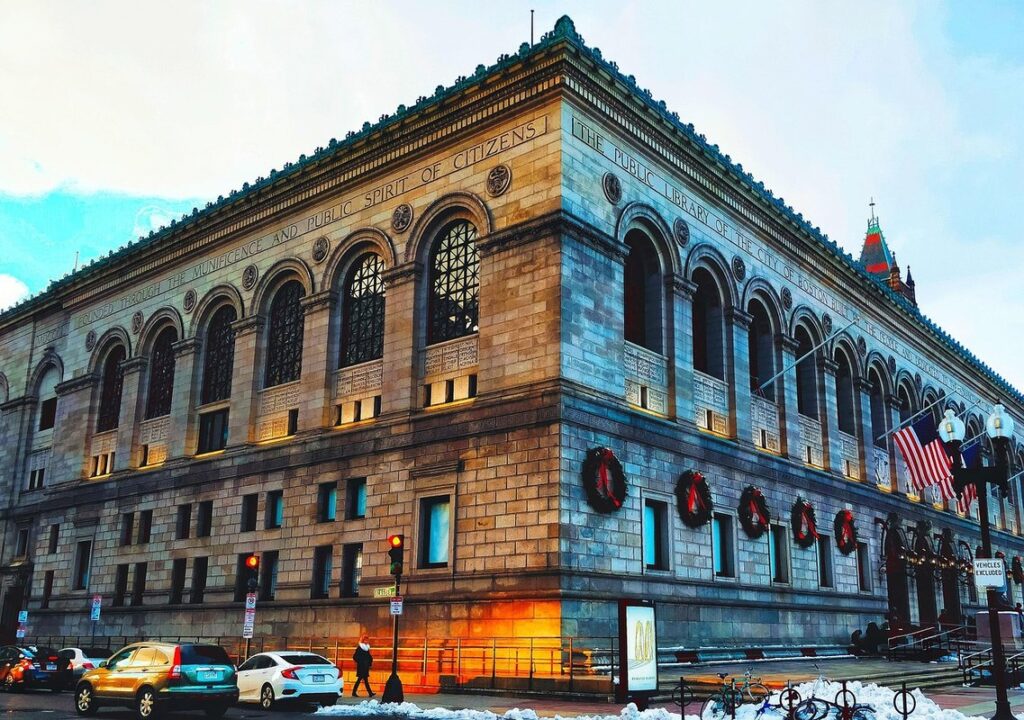
History of Boston Public Market
Boston’s Public Market has a rich history that dates back over a century, shaped by the city’s growth and evolution. From humble beginnings to its current status as a beloved community hub.
Early Beginnings and Development
Boston Public Market was born from a vision to create a vibrant marketplace in the heart of Boston. In the early 2000s, city officials and local business leaders collaborated to bring this concept to life. The project’s development involved extensive planning, including site selection, architectural design, and logistical coordination.
A key factor in the market’s creation was its location within the historic Chelsea Market building. This space offered an existing infrastructure that could be repurposed for a bustling marketplace. However, it also presented challenges, such as navigating the complexities of preserving a historic building while modernizing its amenities.
The vision for Boston Public Market emphasized community engagement and local entrepreneurship. To achieve this, developers worked closely with local farmers, artisans, and restaurateurs to create an inclusive environment that showcased the city’s diverse offerings. The result was a thriving marketplace where residents and visitors could connect with local producers and enjoy a wide range of products and services.
Evolution and Expansion
In its early years, the Boston Public Market was a small, seasonal market featuring local produce. Over time, it has undergone significant transformations to become the vibrant hub of activity it is today. One notable shift occurred when the market began incorporating local farmers, allowing shoppers to purchase fresh produce directly from the source. This change not only supported the local economy but also gave customers access to a wider variety of products.
The market’s expansion continued with the addition of artisanal food vendors, offering everything from baked goods and cheeses to chocolates and prepared meals. These vendors brought unique flavors and specialties to the market, catering to diverse tastes and dietary needs. Furthermore, community programs were introduced, providing workshops, demonstrations, and other initiatives that fostered a sense of connection among shoppers and vendors alike.
Today, visitors can explore the market’s various sections, each showcasing local products and expertise. By understanding the evolution and expansion of this beloved institution, shoppers can better navigate its offerings and appreciate the depth of community engagement it embodies.
Vendor Spotlight: Local Artisans and Farmers
As we explore Boston’s Public Market, it’s clear that local artisans and farmers are at its heart, offering handmade goods and fresh produce that showcase the city’s unique character. Get to know some of our favorite vendors!
Meet the Local Farmers
Boston Public Market is home to a diverse group of local farmers who bring fresh produce to its vendors. Among them are the owners of Valley View Farm, a family-run operation that has been farming the same land for over 20 years. Their commitment to sustainable practices sets an example for other farmers in the area.
Valley View Farm uses regenerative techniques to maintain soil health and minimize environmental impact. They avoid synthetic fertilizers and pesticides, opting instead for natural methods to control pests and diseases. This approach not only benefits the ecosystem but also results in higher-quality produce for consumers.
Other local farms represented at Boston Public Market include Cut & Bundled Flower Co., which specializes in fresh-cut flowers, and Appleton Farms, a historic dairy farm that now focuses on raising grass-fed beef and lamb. These farmers prioritize transparency by sharing information about their farming methods with customers.
When shopping at the market, look for signs indicating which vendors use sustainable practices or are members of local agricultural cooperatives. By supporting these dedicated farmers, you’re contributing to the local food economy and promoting environmentally conscious agriculture.
Discovering Artisanal Goods
As you wander through Boston Public Market, you’ll discover an array of artisanal goods that showcase the region’s rich craftsmanship. Browse the stalls for handmade jewelry featuring intricate designs and unique materials. Local artisans often draw inspiration from the city’s maritime history or its vibrant cultural scene.
In addition to jewelry, explore the market’s selection of specialty foods. You might find artisanal cheeses aged to perfection, small-batch jams infused with local flavors, or handcrafted chocolates crafted with love. Be sure to check out the baked goods, too – think freshly baked baguettes, crusty breads, and decadent pastries.
Some vendors even offer custom orders for special occasions or corporate events. Consider working with a local artisan to create bespoke gifts or favors that reflect your organization’s values. If you’re unsure where to start, ask the vendor about their specialties and recommendations. You might also be able to catch a workshop or demonstration in action – many artisans share their techniques and expertise with visitors.
Shopping at Boston Public Market: What to Expect
As you prepare to shop at the bustling Boston Public Market, you’ll want to know what to expect from your visit. From local vendors to fresh produce, we break down the shopping experience inside.
Navigating the Market Layout
As you enter the bustling atmosphere of Boston Public Market, it can be overwhelming to take in the vibrant sights and sounds. With over 40 vendors offering an array of goods, from fresh produce to artisanal crafts, it’s easy to get lost in the market’s layout. To make the most of your visit, start by familiarizing yourself with the market’s overall structure. The main hall is divided into sections, making it easier to find specific types of products or vendors.
Look for the large signs and banners indicating the different areas of the market. For example, the produce section is usually located at the far end of the hall, while the artisanal goods are often found near the entrance. Take a moment to peruse the market map, which is typically available near the main information desk. This will give you an idea of where your favorite vendors are located and help you plan your route.
Some tips for navigating the market layout include exploring each section slowly and taking in the offerings, rather than rushing from stall to stall. Don’t be afraid to ask vendors or market staff for recommendations on finding specific products or learning about new items.
Seasonal Offerings and Specialties
Throughout the year, the Boston Public Market offers a diverse range of seasonal produce and specialties that showcase the best of local agriculture and artisanal craftsmanship. During the spring, expect to find fresh strawberries, asparagus, and rhubarb from Massachusetts farmers, while summer brings an abundance of heirloom tomatoes, stone fruits, and berries. As fall sets in, vendors stock up on crisp apples, squash, and leafy greens, making it a great time to experiment with seasonal recipes.
In addition to produce, various vendors offer unique specialties that change with the seasons. For example, during the winter months, you can find artisanal chocolatiers offering handcrafted truffles made with locally-sourced cocoa, while summer brings an array of fresh seafood options from nearby fishermen. Some vendors also specialize in preserving and canning seasonal produce, allowing you to enjoy your favorite fruits and vegetables year-round.
To make the most of these seasonal offerings, plan your visit accordingly. Check the market’s website or social media for updates on what’s in season and which vendors are offering specialty items. This will help you prioritize your shopping list and ensure that you don’t miss out on any must-try products during your visit.
Community Engagement and Events
Boston’s Public Market is more than just a shopping destination, it’s also a hub for community events that bring people together. Explore the exciting activities and initiatives happening within the market to enhance your experience.
Workshops and Demonstrations
At Boston Public Market, workshops and demonstrations are a big part of the community engagement experience. You can learn new skills from local experts and artisans while supporting the market’s mission to promote local food systems and handmade goods. Cooking classes are a popular offering, covering topics like knife skills, meal planning, and cooking techniques for specific cuisines.
Some demonstrations focus on artisanal crafts, such as woodworking or textile production, giving you a behind-the-scenes look at how these items are made. Others might showcase the art of food preparation, highlighting seasonal ingredients or traditional recipes. Most workshops are hands-on, allowing you to get involved and take home what you’ve created.
A sampling of recent workshops includes classes on bread-making, pasta-throwing, and even a session on foraging for wild edibles in the local area. Demonstrations might cover topics like cheese-making, jam production, or the art of creating handmade soaps. Check the market’s calendar to see what’s coming up – some workshops are free, while others require a ticket or registration fee.
Charity Initiatives and Partnerships
Boston Public Market is deeply invested in giving back to its community through various charity initiatives and partnerships with local organizations. One notable example is their annual fundraising event for the Boston Children’s Hospital, which raises money for pediatric care and research. During this event, vendors offer exclusive discounts on select products, and a portion of the proceeds goes directly to the hospital.
Another initiative is their partnership with the Greater Boston Food Bank, where excess produce from vendors is donated to local food banks and pantries, reducing food waste and supporting those in need. This commitment to community involvement has earned them recognition as one of the most philanthropic markets in the city.
To get involved or support these initiatives, consider attending a charity-focused event at the market, volunteering your time with their events team, or donating to their fundraising campaigns. Boston Public Market also offers a loyalty program that rewards customers for purchasing from participating vendors, with a portion of the points redeemed going towards local charities.
Food Options: Dining and Catering
At Boston Public Market, you’ll find a diverse array of local food vendors offering everything from artisanal cheeses to fresh seafood. Let’s take a closer look at your dining options within the market.
On-Site Restaurants and Cafes
Boston’s Public Market offers a variety of on-site restaurants and cafes, providing visitors with a range of dining options to suit different tastes and schedules. From breakfast to lunch and dinner, these eateries cater to various cravings throughout the day. You’ll find everything from classic American fare to international cuisine, ensuring that there’s something for everyone.
Some popular spots include The Public Kitchen, which serves creative takes on comfort food, and The Counter, offering customizable burgers. For a lighter option, try Dig Inn, with its farm-to-table approach featuring seasonal vegetables. If you’re in the mood for something sweet, head to The Creamery, where you can indulge in artisanal ice cream flavors.
One of the benefits of dining at the market is the ability to enjoy your meal while taking in the sights and sounds around you. Many restaurants have outdoor seating areas with tables overlooking the bustling marketplace. This allows you to soak up the atmosphere while still savoring your food. Be sure to check out the rotating menu offerings, as some eateries change their specials seasonally or based on ingredient availability.
Customized Catering Services
Boston Public Market’s vendors can create customized catering services for your events and gatherings. From corporate functions to weddings and birthday parties, they offer tailored menus and services to meet your unique needs.
To get started, you’ll typically need to contact the market’s event coordinator or the specific vendor you’re interested in working with. They’ll ask about the scope of your event, number of guests, and any dietary restrictions or preferences. This information will help them craft a personalized menu that fits your vision and budget.
Some vendors offer à la carte options, while others provide full-service catering packages. You might choose to focus on local specialties like fresh seafood, artisanal cheeses, or farm-to-table produce. Whatever your choices, Boston Public Market’s vendors aim to provide exceptional quality and presentation.
When selecting a vendor for customized catering services, consider their experience with large events and ability to meet your specific needs. Be sure to ask about any necessary permits or licenses required for off-site catering. By working closely with market vendors, you can create memorable dining experiences that showcase the best of Boston’s culinary scene.
Accessibility and Logistics: Getting There and Around
Getting around Boston’s Public Market can be a breeze, especially when you know the best ways to access and navigate its indoor stalls. We’ll guide you through your transportation options and tips for getting around inside the market.
Transportation Options
Getting to the Boston Public Market is relatively straightforward, thanks to its central location. The market sits at 100 Hanover St, within walking distance of many popular tourist attractions and residential areas. For those arriving by car, public parking is available on-site as well as nearby options along Washington Street.
Cyclists will appreciate the bike-friendly atmosphere surrounding the market. Bike lanes are clearly marked along Congress Street and adjacent streets, making it easy to pedal over. Additionally, there’s a secure bike rack area near the entrance of the market for storing your ride while you shop or dine.
For those relying on public transportation, several bus routes stop nearby, including the 9 and 92 buses. The nearest T-stop is North Station, which offers access to multiple subway lines. You can plan your route using the MBTA website or a trip-planning app like Google Maps.
Strolling through the Market: Tips and Tricks
When strolling through the market, it’s essential to be mindful of the crowd. Peak hours are usually between 11 am and 3 pm on weekends when families with children often visit. If you can, plan your shopping trip during weekdays or early mornings to avoid the chaos.
As you navigate the market’s layout, take note of the main aisles and corridors that lead to various vendors. Many locals prefer to start at the center of the market and work their way outward to explore the offerings. Keep an eye out for signs indicating special events, workshops, or demonstrations – these can be great opportunities to interact with local artisans and learn new skills.
To make the most of your visit, consider using the market’s free Wi-Fi to plan your shopping list or look up vendor information on the Boston Public Market app. You can also download a map of the market layout to help you navigate. When approaching vendors, be respectful of their space and ask questions about products before sampling. This will not only ensure a positive experience but also support the local economy. By being thoughtful and prepared, you’ll have a more enjoyable and fulfilling visit to Boston’s Public Market.
Frequently Asked Questions
Can I visit Boston Public Market with mobility issues?
Yes, the market is wheelchair accessible and has designated parking spaces for people with disabilities. Additionally, many vendors offer online ordering and pickup or delivery options to accommodate visitors with mobility issues.
How do I know which vendors to visit during peak hours?
To avoid crowds and long lines, try visiting the market during off-peak hours, such as Tuesdays or Thursdays instead of weekends. You can also check the market’s social media accounts for updates on vendor schedules and promotions.
Can I use my EBT card at Boston Public Market vendors?
Yes, many vendors accept EBT cards, but it’s best to call ahead or check their websites to confirm which vendors participate in the program. Some vendors may have specific items or discounts available for SNAP recipients.
What if I forget something and need to return to a vendor later in the day?
Most vendors are happy to hold items for you until the end of the market day, but it’s always best to call ahead or communicate with them directly to confirm their policies on holding orders. Some vendors may require a phone number or other contact information.
Are there any workshops or demonstrations available outside of regular market hours?
Yes, Boston Public Market often hosts special events and workshops during non-market hours, such as cooking classes or artisanal craft demonstrations. These events are usually advertised on the market’s website and social media accounts, so be sure to follow them for updates on upcoming events.