Chinese culture is often misunderstood as being uniform and unchanging, but in reality, its rich tapestry of traditions has been woven over centuries. At the heart of this cultural heritage lies the importance of family: Confucian values emphasize respect for elders and loyalty to kin. This emphasis on family extends to daily life, where traditional practices like ancestor worship and filial piety remain deeply ingrained. Festivals like the Lunar New Year and Dragon Boat Festival bring communities together, celebrating Chinese history and mythology through vibrant parades, music, and art. Traditional arts such as calligraphy, painting, and opera continue to captivate audiences worldwide with their unique aesthetic. In this article, you’ll discover how these traditions shape society and daily life in China, from Confucianism’s influence on social hierarchy to the significance of traditional festivals and arts.
The Significance of Family in Chinese Culture
Family ties are a cornerstone of traditional Chinese culture, playing a vital role in shaping values and social relationships from birth to old age. We’ll explore this complex dynamic further.
Importance of Ancestral Worship
Ancestors play a vital role in daily life for many Chinese people. In fact, ancestor worship is an integral part of Chinese culture and tradition. It’s not uncommon to see elaborate altars and shrines dedicated to ancestors in homes and temples throughout China.
In Chinese culture, it’s believed that the spirits of ancestors continue to watch over their descendants, offering guidance and protection. Ancestor worship is a way for families to show respect and gratitude towards their forebears, who have contributed to their well-being and success. By honoring their ancestors, families can strengthen their connection with the past and cultivate a sense of continuity.
When visiting Chinese temples or ancestral halls, you may notice that incense sticks are lit and offerings such as food, tea, and flowers are made to the ancestors. These rituals serve as a way for families to communicate with their ancestors, seeking their blessings and wisdom. In many Chinese households, ancestor worship is also practiced through daily routines, such as offering food or tea to the ancestral spirits before meals.
By participating in ancestor worship, individuals can develop a deeper appreciation for their cultural heritage and strengthen family bonds.
Role of Elders in Decision-Making
Respect for elders is deeply ingrained in Chinese culture, and their wisdom plays a significant role in family decision-making. In traditional Chinese households, elderly members are often seen as keepers of knowledge and experience, passed down through generations. They are typically involved in crucial decisions such as property division, business investments, and even marriage arrangements.
In many cases, the elder generation is consulted before any major decision is made. This not only ensures that family traditions and cultural values are preserved but also provides a sense of stability and continuity. For instance, an elderly parent might be called upon to mediate disputes between younger family members or offer guidance on how to navigate complex social situations.
When involving elders in decision-making processes, it’s essential to approach the conversation with respect and deference. This can involve addressing them by their honorific titles (such as “grandfather” or “auntie”) and seeking their input before presenting your own ideas. By doing so, you demonstrate a willingness to learn from their experience and show appreciation for their contributions to the family’s well-being.
Confucian Values on Family Relationships
In Confucian tradition, family relationships are built on a foundation of respect for authority and obligations to kin. This means showing deference to elders and ancestors, as well as fulfilling responsibilities towards one’s parents and extended family members. For instance, the concept of filial piety (xiao) emphasizes the importance of caring for one’s parents in their old age. This can involve supporting them financially, emotionally, or practically.
In practice, this means that children are often expected to prioritize their elderly parents’ needs over their own desires. For example, a young adult may sacrifice personal goals or career aspirations to care for an aging parent. While this can be challenging, it’s also seen as essential for maintaining social harmony and honoring one’s family heritage.
Respect for authority is another key aspect of Confucian values on family relationships. This includes not only showing deference to elders but also accepting their guidance and wisdom. In many Chinese families, the eldest son or daughter may be expected to take on a leadership role in decision-making and problem-solving.
Festivals and Celebrations in China
China is a country where festivals and celebrations are woven into everyday life, each one showcasing unique customs and traditions that add to its rich cultural tapestry.
From vibrant dragon dances to elaborate temple fairs, discover the joy and pageantry of China’s most iconic celebrations.
Overview of Major Festivals
Chinese New Year is perhaps the most iconic and widely celebrated festival in China. This 15-day celebration brings families together to honor their ancestors, clean their homes, and exchange gifts. During this time, people wear new clothes, give red envelopes filled with money as a symbol of good luck, and gather for traditional lion dances. The Dragon Boat Festival, on the other hand, commemorates Qu Yuan, a revered poet who drowned himself in a river to protest against corruption. The highlight of this festival is the dragon boat racing, where teams compete in colorful boats adorned with flowers and decorations.
Another significant festival is the Mid-Autumn Festival, which celebrates the full moon and harvest season. Families come together to admire the moon’s beauty, eat traditional foods such as mooncakes, and share stories about their ancestors’ bravery and wisdom. These festivals not only provide an opportunity for social bonding but also serve as a reminder of China’s rich cultural heritage. By understanding and participating in these celebrations, you can gain a deeper appreciation for the values and traditions that shape Chinese culture.
Celebrating the Lunar Calendar
The lunar calendar plays a significant role in determining the timing of festivals and celebrations in China. This ancient calendar is based on the cycles of the moon, with each month beginning on the new moon day. As a result, festival dates vary from year to year, adding an extra layer of cultural richness and tradition.
For example, the Chinese New Year (also known as Spring Festival) typically falls between January 21st and February 20th. The date is determined by the lunar calendar’s cycle, with the exact timing varying each year. This means that celebrations can occur during different seasons in the solar calendar, depending on the specific year.
Understanding the lunar calendar’s influence on festival timing helps you appreciate the cultural significance of these events. For instance, the Lantern Festival, which marks the final day of Chinese New Year celebrations, falls on the 15th day of the first month according to the lunar calendar. By recognizing this connection, you can better plan your participation in or observation of these festivities.
When planning travel or attendance at festivals, consider the specific dates based on the lunar calendar to fully immerse yourself in Chinese cultural traditions.
Traditional Foods and Activities During Festivals
During Chinese festivals, traditional foods play a significant role in adding to the celebratory atmosphere. For example, during the Lunar New Year, niangao (sticky rice cake) and dumplings are popular treats that symbolize good luck and prosperity. In contrast, during the Dragon Boat Festival, zongzi (glutinous rice packets) filled with meat or sweet fillings are a staple food. These traditional dishes not only bring people together but also carry cultural significance.
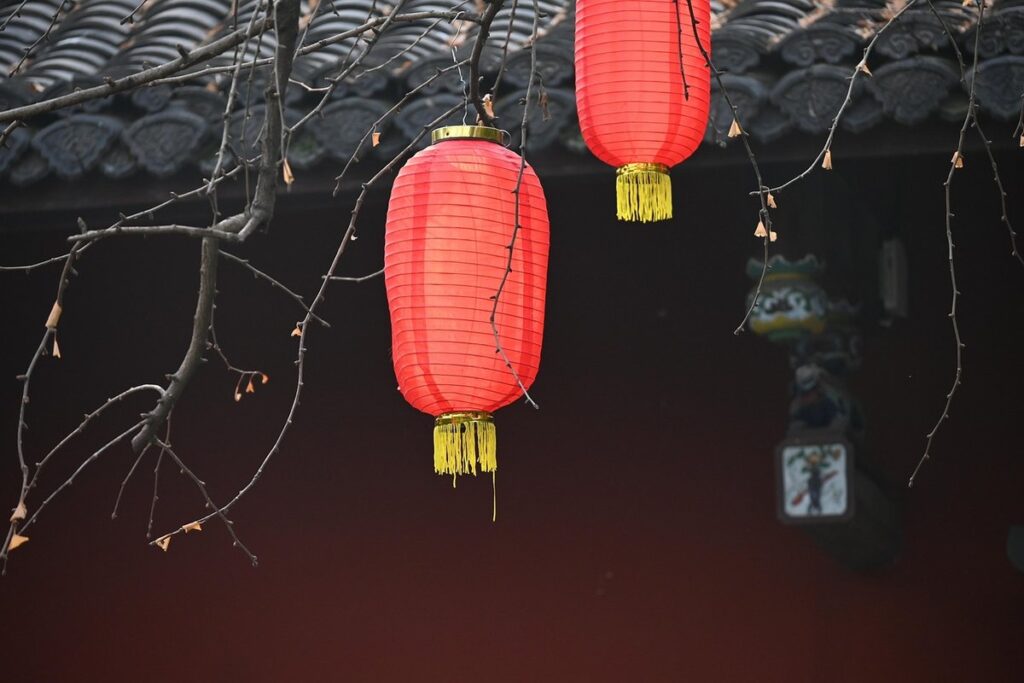
Festivals in China often involve vibrant decorations, including lanterns, banners, and intricate paper cuts. The most iconic of these is the dragon-shaped lantern that lights up the streets during the Dragon Boat Festival. In addition to decorations, festivals often feature various activities that promote unity and community spirit. For instance, during the Mid-Autumn Festival, people gather around mooncakes while admiring the full moon.
Some practical advice for those interested in participating in Chinese festivals is to familiarize yourself with local traditions and delicacies. Try making traditional dishes at home or attending cultural events to experience the festive atmosphere firsthand. By engaging with these customs, you’ll not only gain a deeper understanding of Chinese culture but also develop an appreciation for its rich heritage.
The Role of Confucianism in Chinese Culture
Confucianism has had a profound impact on shaping China’s rich cultural heritage, influencing everything from relationships to business practices. Let’s take a closer look at its significance within this unique cultural context.
Core Principles and Tenets
Confucianism’s core principles and tenets are deeply ingrained in Chinese culture. At the heart of Confucian thought is the concept of ren, which translates to benevolence or humaneness. This principle emphasizes the importance of treating others with kindness, empathy, and compassion. Practically, this means being mindful of how your actions affect those around you and making an effort to understand their perspectives.
Another key tenet is yi, or righteousness. This principle guides individuals in doing what is morally right, even if it’s difficult or unpopular. In everyday life, applying yi might mean standing up for a friend who’s being bullied or refusing to participate in behavior that goes against your values. Li, or etiquette, rounds out the trio of core principles. It encompasses rules and norms for social behavior, such as using polite language and respecting authority.
These three concepts are often referred to as the “three treasures” of Confucianism. They work together to create a harmonious society where individuals prioritize the well-being of others and behave with integrity. By understanding and applying these principles, you can gain a deeper appreciation for Chinese cultural values and even develop more positive relationships in your own life.
Influence on Social Norms and Etiquette
Confucianism’s emphasis on social hierarchy and respect for authority has a profound impact on Chinese social norms. The concept of “li” (etiquette) is deeply ingrained in daily life, governing behavior in both public and private spheres. For instance, elderly individuals are accorded great respect and deference, often receiving priority seating in public transportation or being addressed with honorific titles.
In business settings, Confucianism’s influence can be seen in the use of formal language and strict hierarchical structures. This is particularly evident in traditional industries such as banking and finance, where seniority and experience are highly valued. Similarly, in educational institutions, Confucianism’s emphasis on discipline and hard work has led to a strong focus on academic achievement.
To apply these principles in everyday life, consider the importance of showing respect for those in positions of authority or elder to you. This can be as simple as using formal titles when addressing someone, or making an effort to learn about and appreciate traditional customs. By incorporating these aspects into your daily interactions, you can gain a deeper understanding of Chinese social norms and etiquette.
Confucianism’s Impact on Education
In Confucian thought, education is considered a vital aspect of personal and societal development. The pursuit of knowledge and self-cultivation are highly valued, as they enable individuals to become virtuous and capable leaders. This emphasis on education has had a profound impact on China’s education system.
The core principles of Confucianism, such as respect for authority and tradition, have shaped the way education is structured in China. The Confucian emphasis on hard work, discipline, and perseverance has led to a strong focus on academic rigor and competition. This can be seen in the importance placed on entrance exams, which determine access to top universities and prestigious careers.
In practice, this means that Chinese students often face intense pressure to perform well academically from a young age. Parents and educators alike stress the importance of achieving high grades and securing a good future for themselves and their families. While this approach has yielded impressive results in terms of educational attainment, it also raises concerns about the well-being and happiness of students under such immense pressure.
To balance academic achievement with emotional well-being, parents can encourage their children to explore extracurricular activities and hobbies that foster creativity and social skills. By acknowledging the importance of education while also promoting holistic development, families can help young people cultivate a love of learning that extends beyond mere academic success.
Traditional Arts and Crafts in Chinese Culture
Chinese culture is deeply rooted in traditional arts and crafts, such as intricate calligraphy and delicate porcelain painting. These timeless techniques have been passed down through generations.
Calligraphy and Painting
Calligraphy and painting have been integral to Chinese culture for centuries, with a rich history dating back to the Shang Dynasty. These art forms are not merely aesthetic expressions but also convey deep meaning and symbolism. In traditional Chinese culture, calligraphy is considered an essential skill for scholars and artists alike, as it requires great attention to detail and control over brushstrokes.
The art of calligraphy in China has been influenced by Confucianism, with a focus on the proper execution of strokes and characters. This emphasis on precision reflects the importance placed on discipline and self-cultivation in Chinese culture. Painters often incorporated calligraphic elements into their work, blurring the lines between these two art forms.
To appreciate the beauty of Chinese calligraphy and painting, one must understand the significance of the brush stroke. A single stroke can convey a wide range of emotions, from serenity to dynamism. In traditional Chinese art, the brush is an extension of the artist’s soul, with every stroke imbued with intention and meaning.
A few key principles guide the creation of Chinese calligraphy and painting: balance, harmony, and restraint. Artists must balance simplicity and complexity, harmony between positive and negative space, and restraint in expressing emotions through subtle brushstrokes.
Music and Dance Traditions
In Chinese culture, music and dance play a vital role in celebrations, storytelling, and cultural expression. During festivals like the Lunar New Year and the Mid-Autumn Festival, traditional dances such as the Dragon Dance and Lion Dance are performed to ward off evil spirits and bring good luck. These elaborate performances involve intricate costumes, props, and choreography.
In addition to these festive traditions, music and dance also feature prominently in Chinese opera, a form of storytelling that combines singing, acting, and acrobatics. Opera troupes travel throughout the country performing classic plays based on historical events and myths from Chinese folklore. These performances are not only entertaining but also convey important moral lessons and cultural values.
To experience Chinese music and dance traditions firsthand, attend a traditional festival or opera performance. If you’re unable to travel to China, look for local communities that host similar events in your area. You can also learn traditional dances through online tutorials or by taking classes with a qualified instructor. By embracing these cultural expressions, you’ll gain a deeper understanding of the significance and beauty of Chinese music and dance.
Textiles and Weaving Techniques
Traditional Chinese clothing is renowned for its intricate designs and vibrant colors, a testament to the significance of textiles and weaving techniques in Chinese culture. The art of silk production, known as sericulture, dates back over 5,000 years, with ancient China being one of the first civilizations to cultivate silkworms. This labor-intensive process involves multiple stages, from mulberry tree cultivation to cocoon harvesting and finally, silk reeling.
In traditional Chinese weaving techniques, certain patterns hold symbolic meanings that vary depending on the occasion or social status of the wearer. For instance, dragon motifs are often associated with good fortune, while phoenix designs symbolize prosperity and happiness. Weavers also employed intricate knotting and embroidery techniques to create ornate brocades, which were reserved for special occasions such as weddings and imperial ceremonies.
To appreciate the beauty of Chinese textiles, consider visiting a local museum or cultural center that showcases traditional costumes and weaving techniques. Many artisans still practice these ancient crafts, offering visitors a glimpse into China’s rich textile heritage. When shopping for authentic Chinese clothing or home decor items, look for labels or certifications indicating that the products are made using traditional methods.
Chinese Folklore and Mythology
Chinese folklore and mythology are rich tapestries of stories that have captivated audiences for centuries, offering a glimpse into China’s complex history and cultural psyche. Let’s explore some of these fascinating tales together.
Legends and Stories from History
Chinese folklore and mythology are rich sources of historical events and cultural values. Many legends and stories have been passed down through generations to explain significant occurrences, often serving as cautionary tales or allegories for moral lessons. For example, the legend of Hou Yi, a skilled archer who shot down nine suns to save humanity from overpopulation, is a story that illustrates the importance of moderation and balance in life.
Another famous tale is that of the Eight Immortals, who are said to possess supernatural powers and wisdom gained through their pursuit of Taoist practices. Their stories are often used to convey moral lessons about virtues like compassion, kindness, and humility. These legends also demonstrate the significance of ancestors and heritage in Chinese culture, highlighting the importance of respecting and honoring one’s roots.
In many cases, these stories are tied to specific locations or landmarks, such as mountains, rivers, or temples. By exploring these sites, visitors can gain a deeper understanding of the cultural context surrounding these tales. Furthermore, appreciating the historical and mythological significance of these places can foster a greater appreciation for China’s rich cultural heritage.
Supernatural Beings and Creatures
In Chinese mythology, supernatural beings and creatures play a significant role in shaping the country’s rich cultural heritage. Dragons, for instance, are often depicted as benevolent, wise, and powerful serpents that possess divine authority. These majestic creatures are associated with good fortune, prosperity, and longevity, which is why they’re frequently featured in Chinese art, literature, and even architecture.
The phoenix, another mythical creature, symbolizes rebirth and renewal. In Chinese culture, it’s believed to rise from its own ashes, signifying the cyclical nature of life and death. This duality is reflected in many Chinese myths, where good and evil coexist, highlighting the complexities of human nature.
These supernatural beings are not merely fantastical creatures but also embody abstract concepts and values. They serve as reminders of the importance of balance, harmony, and respect for nature. For example, dragons represent the balance between yin and yang energies, while phoenixes symbolize the cyclical renewal of life. By understanding these mythical creatures, we can gain a deeper appreciation for Chinese cultural traditions and their underlying philosophical principles.
Lessons and Teachings from Folk Tales
Folk tales have long been a rich source of moral guidance and wisdom in traditional Chinese culture. These stories often feature supernatural beings, mythical creatures, and legendary heroes, but beneath their fantastical surface lies a wealth of teachings on ethics, morality, and the human condition. Take, for example, the legend of the White Snake, which tells the tale of a serpent who is transformed into a beautiful woman and goes on to become a powerful sorceress.
On one level, this story can be seen as a cautionary tale about the dangers of unchecked ambition and desire. The White Snake’s ultimate downfall comes not from external forces, but from her own hubris and failure to balance her passions with wisdom. This theme is echoed in other folk tales, such as that of the Monkey King, who must learn to temper his cunning and cleverness with humility and compassion.
By studying these stories, we can gain a deeper understanding of traditional Chinese values and principles, including the importance of self-cultivation, moral character, and social responsibility. Rather than simply retelling the tales themselves, it’s worth examining the underlying lessons they convey and how they might be applied to our own lives today.
The Impact of Modernization on Traditional Culture
As you explore Chinese cultural traditions, it’s essential to understand how modernization has influenced the preservation and evolution of these customs. We’ll examine the challenges faced by traditional practices in a rapidly changing society.
Changes in Family Dynamics and Values
Modernization has brought about significant changes in family dynamics and cultural values in China. With increasing urbanization and economic growth, traditional extended families are giving way to nuclear families. Younger generations are prioritizing independence and self-reliance over filial piety, which was once a cornerstone of Chinese culture.
As a result, the role of elders in decision-making has diminished, and children are taking on more responsibilities earlier in life. This shift is also reflected in changing values: individualism and materialism are gaining ground over collectivism and tradition. For instance, many young Chinese couples now prioritize career advancement and financial security over starting a family.
However, this doesn’t mean traditional values have been abandoned entirely. Many families continue to place importance on ancestral worship and Confucian principles. In fact, some younger generations are rediscovering their cultural heritage as a way to connect with their roots and build stronger relationships with their elders. To preserve cultural heritage in the face of modernization, families can start by incorporating traditional practices into daily life – such as cooking family recipes or learning calligraphy together.
Preserving Cultural Heritage in a Changing World
China’s rich cultural heritage is facing unprecedented challenges as modernization accelerates. Efforts to preserve traditional culture and heritage are underway, but they require a thoughtful approach. One key strategy is revitalizing traditional crafts, such as silk weaving and woodcarving, by incorporating modern techniques and materials. For example, the city of Hangzhou has established a program to train young artisans in traditional techniques while also equipping them with skills in business management and marketing.
Another initiative involves digitizing intangible cultural heritage, including music, dance, and storytelling traditions. The China National Digital Museum has launched a project to record and preserve these traditions through video and audio recordings, making them accessible to a wider audience. This digital preservation not only safeguards cultural knowledge but also provides opportunities for cultural exchange and education.
In addition to these initiatives, local communities are playing a crucial role in preserving traditional culture by organizing cultural festivals and events that showcase heritage practices. These events often feature traditional performances, food stalls, and craft demonstrations, providing a unique opportunity for people to engage with and learn about Chinese cultural traditions. By embracing innovation while respecting tradition, China can ensure the continued vitality of its rich cultural heritage.
Balancing Tradition with Progress
Blending traditional culture with modern values is a delicate balance that many Chinese communities are navigating. On one hand, embracing progress can bring benefits such as improved economic opportunities and increased access to education. However, it also risks eroding the very traditions that make Chinese culture unique.
One of the key challenges is preserving cultural heritage while still allowing for adaptation and innovation. For example, traditional festivals like the Lunar New Year are still widely celebrated in China, but they often incorporate modern elements such as light displays and social media sharing. This blending of old and new can be seen as a way to revitalize interest in traditional practices.
To strike a balance between tradition and progress, communities can take steps to preserve cultural heritage sites, promote traditional arts and crafts, and support the transmission of cultural knowledge from one generation to the next. By doing so, they can ensure that Chinese culture continues to evolve while remaining true to its roots.
Frequently Asked Questions
Can I adopt Confucian values in my own life without being Chinese?
Yes. Confucianism is a philosophy that can be applied universally, regardless of cultural background. You can incorporate its principles, such as ren (benevolence) and yi (righteousness), into your personal relationships and daily decisions.
How do I balance respecting traditional culture with adapting to modern values in my own family?
It’s essential to communicate openly with your loved ones about the importance of cultural heritage while also embracing progress. Find a balance by incorporating traditional practices into modern contexts, such as celebrating Chinese New Year with contemporary twists or learning new cooking techniques from modern recipes.
What if I’m not familiar with the lunar calendar and its impact on festival timing?
Don’t worry! You can still participate in and appreciate Chinese festivals even without understanding the lunar calendar. Focus on learning about the cultural significance of each holiday, attending events when possible, and engaging with local communities to learn more.
Can traditional arts like calligraphy and painting be used as a form of therapy or stress relief?
Yes. Engaging in traditional Chinese art forms can be meditative and therapeutic. Try incorporating elements of Chinese calligraphy or painting into your daily practice, such as using specific brushstrokes or repeating patterns, to promote relaxation and mental clarity.
How do I preserve cultural heritage while still adapting to changing times and values?
Focus on preserving the core principles and values behind traditional practices rather than trying to replicate exact customs. This will allow you to honor your ancestors’ traditions while also embracing progress and innovation in a way that feels authentic to you.