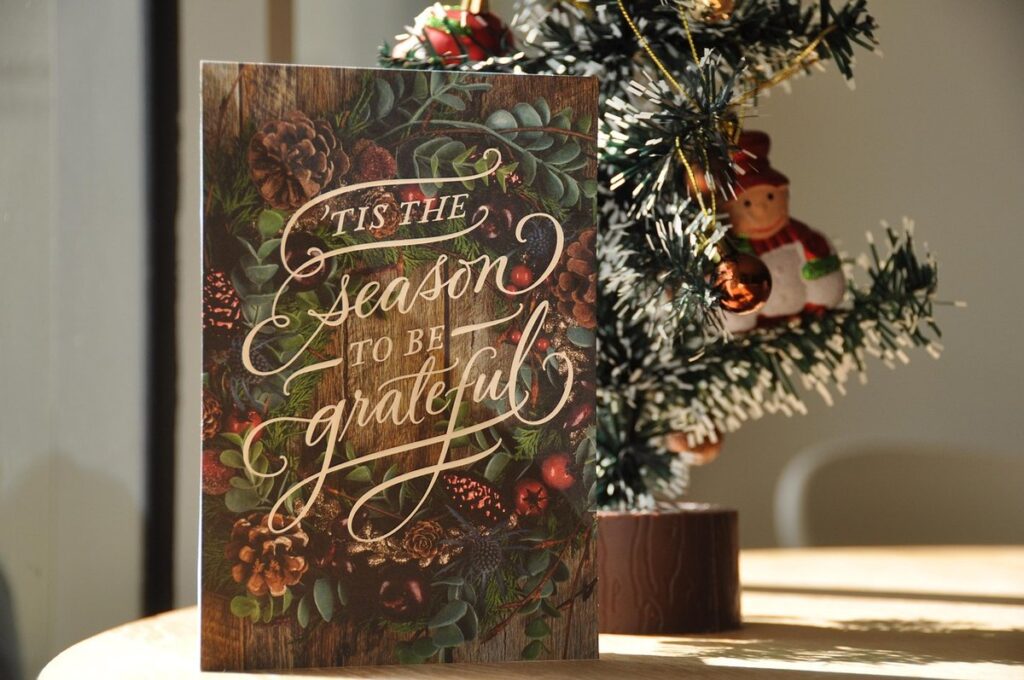
The tradition of sending Christmas cards has been a beloved practice for over 150 years, with Sir Henry Cole inventing the first commercial Christmas card in 1843. It’s estimated that over one billion Christmas cards are sent annually worldwide, making it one of the most popular holiday greetings. But have you ever stopped to think about where this tradition came from and why it remains so significant today? For many, sending a physical Christmas card is a way to connect with loved ones, share in the spirit of the season, and preserve cherished memories. As digital innovations continue to change the way we communicate, it’s more important than ever to understand the rich history behind this beloved tradition and learn how to preserve it for generations to come – by the end of this article, you’ll have a deeper appreciation for the cultural significance of Christmas cards.
The Origins of Christmas Cards
The tradition of sending Christmas cards began in the 19th century, originating from a British artist’s desire to raise money for the poor during the holiday season. Sir Henry Cole’s innovative idea paved the way for a beloved holiday custom.
19th-Century Roots: Sir Henry Cole’s Contribution
Sir Henry Cole, a British artist and inventor, is often credited with inventing the first Christmas card. In 1843, he designed and printed 1,000 handmade cards featuring a picture of his own family’s festive dinner. The card read “A Merry Christmas and a Happy New Year to You” in red ink. What’s remarkable about this early card is that it was Cole’s attempt to commercialize the idea of sending holiday greetings to friends and loved ones.
Cole’s innovation was not only in designing the card but also in making it affordable for the masses. He priced his cards at a shilling each, which was relatively inexpensive compared to other forms of communication at the time. The response to Cole’s handmade cards was overwhelmingly positive, with many people seeking out his designs for their own holiday greetings.
The significance of Cole’s contribution lies not only in popularizing the idea of Christmas cards but also in democratizing access to this form of festive expression. His design and pricing strategy paved the way for mass-produced Christmas cards that would become a staple of holiday tradition in the decades to come.
Early Adoption and Popularity
As the art of printing improved, Christmas cards became more accessible to the masses. By the 1860s, they had gained popularity among the British upper class, with Prince Albert and Queen Victoria sending out elaborate cards adorned with intricate designs and photographs. The introduction of the postage stamp in 1840 also made it easier for people to send cards to loved ones.
The 1870s saw a surge in Christmas card production, with notable artists and designers contributing to their widespread adoption. Sir Henry Cole, a British artist and inventor, is often credited with creating one of the first commercial Christmas cards. His design featured a family enjoying a holiday meal together. Other notable contributors included Thomas Nast and Kate Greenaway, whose illustrations added a touch of whimsy and charm to Christmas cards.
Their influence can be seen in the designs that followed, as artists began experimenting with new techniques and styles. By the turn of the century, Christmas cards had become an integral part of holiday celebrations worldwide, allowing people to connect with one another through art and sentiment.
The Art of Creating Christmas Cards
Christmas cards have been a beloved holiday tradition for centuries, and creating one is an art form that brings joy to both sender and recipient. Let’s explore how to craft a beautiful, meaningful card that captures the spirit of Christmas.
Traditional Techniques: Hand-Drawn and Painted Designs
Many artists have made a name for themselves by creating exquisite hand-drawn and painted designs for Christmas cards. One such artist is Kate Greenaway, who was renowned for her beautiful pen-and-ink illustrations of children and flowers. Her work on early 20th-century holiday cards remains iconic to this day.
Other notable artists have also contributed their talents to the world of Christmas card design. For instance, Jessie Willcox Smith’s delicate watercolors often featured children in winter landscapes. Her designs were widely popular during the 1920s and 1930s.
Those interested in trying hand-drawn or painted techniques at home can begin by experimenting with simple pen-and-ink drawings. Consider using a range of nib sizes to achieve varying line widths, or try layering watercolors for subtle textures. While these methods may take more time and effort than digital design tools, the resulting cards often possess a unique charm that makes them extra special. By incorporating traditional techniques into your Christmas card creations, you can add an extra touch of personality and craftsmanship to your holiday greetings.
Modern Materials and Digital Tools
The advent of modern materials and digital tools has revolutionized the art of creating Christmas cards. Artists worldwide now have access to a vast array of innovative resources, making production more efficient and accessible than ever before.
Digital software such as Adobe Illustrator and Photoshop enable artists to create intricate designs with precision and speed. Online platforms like Canva and PicMonkey offer user-friendly interfaces for non-designers to produce professional-looking cards. These tools also facilitate collaboration and feedback, allowing multiple individuals to contribute to a single project remotely.
New materials have also emerged, including textured papers, metallic inks, and specialty cardstocks that add depth and visual interest to designs. Additionally, digital printing techniques like sublimation and giclée enable artists to print high-quality images directly onto the card surface, eliminating the need for separate overlays or attachments.
The integration of technology and traditional materials has opened up new possibilities for Christmas card design. By embracing these advancements, artists can push creative boundaries, experiment with novel techniques, and produce unique, handmade-inspired cards that reflect their individual style.
Symbolism and Meaning Behind Christmas Card Images
Christmas card images often hold more meaning than meets the eye, conveying subtle messages through symbolism that add depth to our holiday greetings. Let’s take a closer look at these often-overlooked details.
Common Symbols: Their Origins and Significance
Holly and ivy are two of the most recognizable symbols associated with Christmas, often depicted together on cards. Their significance dates back to pre-Christian England, where holly was seen as a symbol of eternal life and ivy represented fidelity. In fact, during this period, it was customary for couples to weave garlands from these plants to celebrate their union. This tradition continued into the early Christian era, with Christmas cards often incorporating the pair.
In many modern cards, snowmen also make an appearance, often accompanied by holly or ivy. These winter scenes are a nod to the festive atmosphere of the season. A small minority of designs opt for more traditional illustrations, such as Santa Claus and his sleigh. When selecting a card, consider the message you want to convey. For example, if you’re choosing a design with a snowman, it’s likely intended to evoke a sense of fun and playfulness.
The origins of these symbols serve as a reminder that Christmas cards have their roots in European traditions. By understanding the significance behind common images, you can better appreciate the cultural context in which they were created.
Seasonal Themes and Messages
Christmas card designs often convey seasonal themes and messages through their imagery. Winter landscapes with snow-covered trees and frozen lakes are staples of Christmas cards, evoking a sense of serenity and tranquility. These scenes also frequently feature festive details like holly, mistletoe, or evergreen branches.
In contrast, many modern designs incorporate more contemporary elements, such as penguins or polar bears enjoying winter activities like ice-skating or hot chocolate. These images add a playful touch to the traditional Christmas card aesthetic. Some cards also highlight the importance of giving during the holiday season by depicting gift-giving scenes or charitable acts.
Popular motifs include snowy villages, reindeer pulling sleds, and festive gatherings around the Christmas tree. While these themes remain consistent year after year, designers continue to update their styles with modern twists on classic imagery. To choose a card that resonates with your personality or relationships, consider selecting an image that reflects shared interests or inside jokes.
Sending and Receiving Christmas Cards: A Social Tradition
Sending a thoughtful Christmas card is an integral part of the holiday season, but have you ever wondered where this tradition originated? Let’s take a closer look at how sending and receiving cards became such a big part of Christmas celebrations.
Personalized Messages: The Value of Handwritten Notes
Handwritten notes and personalized messages in Christmas cards hold a special significance during the holiday season. This tradition is valued for its emotional impact on both the sender and receiver. When we take the time to write a thoughtful message, it conveys that we’ve been thinking about the person and value our relationship with them.
The act of putting pen to paper allows us to express ourselves in a more genuine way than typing out a digital message. Handwritten notes often contain nuances like tone of voice, humor, and personal anecdotes that are easily lost in electronic communication. This makes them more relatable and memorable.
To incorporate handwritten messages into your Christmas card tradition, try setting aside some extra time each year to write personalized notes. Even simple gestures like signing a child’s drawing or including a family photo can add a heartfelt touch. You might also consider creating a special holiday journal or scrapbook for handwritten messages and memories from past years. This way, you’ll not only create a meaningful tradition but also build a treasured keepsake to cherish for years to come.
The Role of Technology: E-Cards and Digital Messages
Technology has significantly impacted the way we send and receive Christmas cards. E-cards and digital messages have become increasingly popular alternatives to traditional cards. On one hand, they offer convenience and environmental benefits. Many online platforms allow users to design and send personalized e-cards with ease, often at a lower cost than paper cards.
However, some drawbacks of e-cards include their perceived lack of personal touch and the risk of spam filters blocking messages. Additionally, digital signatures may not hold the same sentimental value as handwritten ones. For those who prefer traditional cards, consider using digital platforms to create and print custom designs at home or sending eco-friendly paper cards.
To strike a balance between convenience and tradition, some people choose to send physical cards for close relationships and e-cards for more casual connections. Ultimately, the choice between technology and tradition depends on personal preference and time constraints. A small minority of individuals may opt for both methods, using digital tools to design their handmade cards or vice versa.
Cultural Variations in Christmas Card Traditions
Christmas card traditions vary greatly across cultures, reflecting local customs and values that make each holiday season unique. Let’s take a look at how different countries celebrate the spirit of Christmas through their cards.
International Perspectives: Unique Designs and Customs
In many countries, Christmas card traditions are shaped by local customs, faiths, and cultural influences. For instance, in Japan, Christmas cards often feature cute, cartoon-style designs and typically depict Santa Claus as a red-haired, bearded man dressed in a red suit. In contrast, traditional German Christmas cards frequently showcase festive scenes of snow-covered landscapes and the Christmas tree.
In Italy, it’s common to exchange “scrittini” – short, handwritten messages on small pieces of paper – instead of formal Christmas cards. These scrittini often contain humorous or sentimental notes and are exchanged among friends and family. In India, Christians typically send cards with illustrations of nativity scenes or depictions of the Three Wise Men.
When sending Christmas cards internationally, it’s essential to be mindful of cultural sensitivities and differences in custom. Researching local traditions can help you choose a design that resonates with your recipient. Consider adding a personal touch by including a handwritten message or a small gift related to their culture. By embracing diversity and thoughtfulness, you can make your international Christmas card exchange more meaningful and enjoyable for everyone involved.
Non-Traditional and Alternative Holiday Cards
For those who want to stray from traditional holiday greetings, non-traditional and alternative holiday cards offer a unique way to express oneself. Eco-friendly options have become increasingly popular, with many companies now producing Christmas cards made from recycled materials, such as old maps or music sheets. These cards not only reduce waste but also provide an opportunity for creative reuse.
Some companies specialize in designing cards specifically for certain groups or interests. For instance, a card featuring a famous scientist’s quote on the front and a picture of a lab coat on the back might appeal to science enthusiasts. Others cater to pet owners, incorporating adorable animal designs and humorous sayings that poke fun at canine quirks.
Another trend is the shift towards digital holiday cards. With more people using social media and online platforms to connect with friends and family, e-cards have become a convenient alternative to traditional paper cards. Many websites offer pre-made templates or allow users to create their own custom designs, often incorporating personal photos or inside jokes that make for a truly unique and personalized gift.
The Future of Christmas Card Traditions
As we continue our journey through the evolution of Christmas card traditions, let’s examine how they might shape up in years to come. Will digital greetings replace traditional paper cards?
Emerging Trends: Sustainable Materials and Digital Innovations
Christmas cards are evolving to meet modern concerns about the environment and technology. One trend is the increasing use of sustainable materials. Many companies now offer eco-friendly paper options made from recycled sources, such as old book pages or coffee bean grounds. Some even use plant-based inks that reduce carbon emissions during production.
Another area of innovation is digital printing. This allows for on-demand production of cards with customized designs and messaging, reducing waste generated by traditional offset printing methods. Some companies are also experimenting with biodegradable plastics for card packaging.
The rise of e-cards has been another significant development in the world of Christmas cards. These online messages can be sent instantly and require no physical materials, making them an attractive option for those who want to reduce their environmental footprint. Some popular platforms even offer interactive features, such as animations or videos, to make digital greetings more engaging.
Preserving the Tradition for Future Generations
To preserve the tradition of sending physical Christmas cards for future generations, consider incorporating personal touches and creative elements. One idea is to make each card a mini-scrapbook by including mementos from the year’s events, such as ticket stubs or postcards. This approach allows recipients to hold onto more than just a greeting.
Another way to breathe new life into this tradition is to involve children in the process of designing and creating cards. Assign them specific roles, like selecting colors or writing messages, to make them invested in the final product. This interactive aspect not only fosters creativity but also teaches valuable skills.
For those looking for more substantial ways to personalize their holiday greetings, digital tools offer a range of customizable templates and design software. These can be used to create visually appealing cards that reflect individual styles or themes. By experimenting with different formats and designs, senders can maintain the tradition’s essence while adapting it to suit modern tastes and preferences.
This approach ensures the physical Christmas card remains an integral part of holiday traditions, allowing each year’s batch to stand out as a unique keepsake for recipients.
Frequently Asked Questions
Can I use digital tools to create handmade-looking Christmas cards?
Yes, there are many software programs and apps that allow you to create unique, handmade-looking designs using pre-made templates, stamps, and other digital elements. This can be a great way to add a personal touch to your holiday cards without having to spend hours perfecting your artistic skills.
How do I incorporate cultural traditions from my heritage into my Christmas card design?
To infuse your Christmas card with cultural significance, consider incorporating symbols, patterns, or motifs that are meaningful to your family’s or community’s traditions. You can also draw inspiration from historical and modern artwork created within those cultures. Remember, the most important thing is to make it personal and authentic.
Are there any eco-friendly alternatives to traditional paper Christmas cards?
Yes, you can opt for recycled paper, cardstock made from sustainable materials, or even digital cards that eliminate waste altogether. Some companies also offer plantable cards with seeds embedded in the paper that can be planted after use, allowing the recipient to watch a small tree grow.
What if I don’t have time to handwrite personalized messages on each card? Are there alternatives?
If you’re short on time, consider using printed stickers or address labels with your name and message. You can also write a few lines of festive text in each card, such as a holiday quote or verse, which still conveys a personal touch without requiring individualized handwritten notes.
Can I use Christmas cards to connect with people who don’t celebrate the holiday? Should I adapt my design accordingly?
While traditional Christmas cards often depict winter scenes and festive symbols, it’s perfectly fine to send cards to non-celebrants as a way to spread cheer or express your appreciation. Consider using more universal designs that still convey warmth and good wishes, such as snowflakes or poinsettias.