
Choosing between city life and country living can be a daunting task, especially when weighing up the pros and cons. On one hand, cities offer a wealth of job opportunities, cultural experiences, and access to amenities that make daily life convenient. But on the other hand, the air is often thick with pollution, and it’s not uncommon for residents to go days without setting foot in a park or green space. In contrast, rural areas promise cleaner air, peaceful surroundings, and direct connection to nature – but the job market can be limited, and commutes are often lengthy. If you’re torn between these two lifestyles, this guide aims to help you make an informed decision about which one is right for you by exploring the advantages and disadvantages of city and country living in depth.
The Urban Advantage
When it comes to city life, one of its most significant benefits is the incredible access to world-class amenities and services that make daily living easier and more convenient.
From top-notch restaurants to state-of-the-art healthcare facilities, cities truly offer a unique quality of life.
Pros of Living in a City
Cities offer a wealth of job opportunities across various industries. You can find work as an accountant in a skyscraper in Manhattan or as a software engineer in a startup in San Francisco. The diversity of cities also translates to the types of jobs available, with many sectors offering unique experiences and skill-building potential.
Cultural diversity is another significant benefit of city living. Cities are melting pots where people from different ethnicities, nationalities, and backgrounds come together. This blend creates a rich cultural landscape with numerous festivals, museums, galleries, and restaurants showcasing diverse cuisines. You can attend a music festival celebrating Latin American heritage in London or explore the vibrant street art scene in Melbourne.
Access to amenities is also unparalleled in cities. From public transportation systems to parks, gyms, libraries, and shopping districts, cities provide an array of services that cater to different needs and interests. Many cities have bike-sharing schemes, making it easy to get around without a car. Some cities even offer free museums on certain days or discounted gym memberships for residents.
Higher Education and Career Opportunities
Cities often have a higher concentration of educational institutions, offering residents access to top-ranked universities and specialized programs. This can be particularly beneficial for those pursuing advanced degrees or seeking to upskill in emerging fields. In contrast, rural areas may have limited or no options for post-secondary education, forcing students to commute long distances or relocate to cities for further study.
When it comes to career advancement, cities generally provide more opportunities due to the presence of larger corporations and a wider range of industries. This can be seen in sectors such as finance, technology, and healthcare, which often have headquarters or major hubs located within urban centers. As a result, professionals living in cities are more likely to find job openings that align with their skills and interests.
However, rural residents should not be discouraged – many cities offer programs specifically designed for remote workers and digital nomads, allowing them to maintain a work-life balance while still accessing career opportunities. For example, some companies now offer flexible work arrangements or remote work options, which can help bridge the gap between urban and rural communities.
24/7 Lifestyle
Cities never truly sleep. This convenience of 24/7 lifestyle can be a game-changer for those who value flexibility and spontaneity. Restaurants, cafes, and bars are always open, catering to late-night cravings or last-minute gatherings. Public transportation runs around the clock, ensuring you can get wherever you need to go at any hour.
In cities, you’re rarely far from amenities and services. Pharmacies, gyms, and supermarkets often have extended operating hours or 24-hour access, making it easier to manage daily tasks without being tied to a traditional schedule. For instance, if you realize you’ve run out of milk in the evening, you can pop into an all-night grocery store just a few blocks away.
This constant availability also fosters a vibrant nightlife and after-dark culture. Cities often host events and performances that take place at night, from concerts and theater shows to festivals and street fairs. The convenience of city life allows people to create their own schedules and make the most of these opportunities. By embracing this aspect of urban living, you can experience a sense of freedom and adventure that’s harder to find in more rural areas.
The Rural Delight
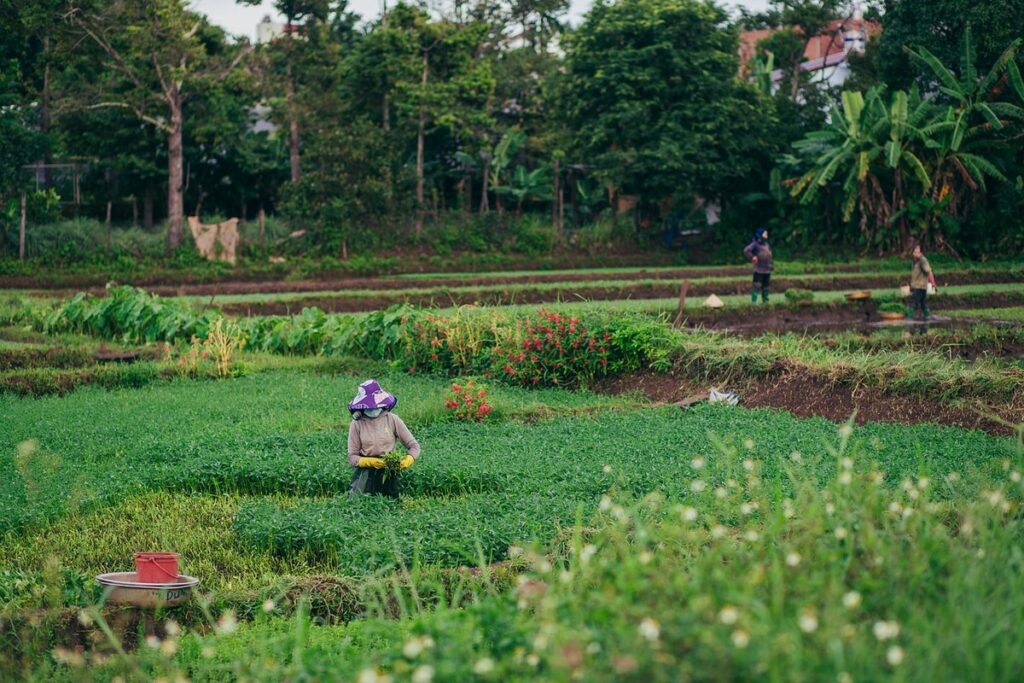
For those who’ve always dreamed of escaping the hustle and bustle, we’ll take a closer look at what life is like in the countryside. Imagine waking up to birdsong instead of car horns every morning.
Pros of Living in the Countryside
Clean air and a quieter environment are two significant benefits of living in the countryside. Compared to city dwellers, rural residents tend to breathe easier due to lower concentrations of pollutants and particulate matter. The soundscape is also calmer, with fewer cars, sirens, and construction noises that can be stressful.
In addition to improved air quality and reduced noise pollution, country living often fosters stronger community bonds. Neighbors are more likely to know one another by name, and social connections tend to be deeper. For example, a small town’s annual harvest festival or a local farmer’s market can serve as gathering points for residents to connect with each other.
While some people may find the isolation in rural areas challenging, others relish the opportunity to form meaningful relationships with those nearby. By being more involved in their community, country dwellers can enjoy a greater sense of belonging and support. To cultivate these connections, join local clubs or volunteer groups that align with your interests – this will help you meet like-minded individuals and build lasting friendships.
Space and Affordability
Housing prices in rural areas are often significantly lower than their city counterparts. According to data from 2022, the median home price in a rural area is around $170,000, compared to over $340,000 in cities. This disparity can be attributed to factors such as lower demand and supply.
Property taxes also tend to be lower in rural areas due to smaller tax bases. However, this doesn’t mean you’ll pay less overall. In some cases, property taxes might even increase due to higher assessments on more expensive homes. It’s essential to research specific rates and taxes in your area of interest.
When considering the cost of living in a rural area versus a city, it’s also worth examining other expenses like transportation costs, food prices, and healthcare. Rural areas often have lower fuel prices but might require longer commutes for work or other necessities. Food prices can vary greatly depending on local production and transportation costs.
Some rural communities may offer incentives to attract new residents, such as tax breaks or low-interest loans for purchasing homes. Researching these programs can help you make more informed decisions about your housing options.
Access to Nature and Outdoor Activities
Rural residents often have a wealth of outdoor spaces to explore right on their doorstep. Unlike cities, where parks and green areas can be scarce and fragmented, rural areas typically offer more extensive tracts of woodland, heathland, and farmland for walking, hiking, and wildlife watching. This easy access to nature is not limited to just walking; many rural towns also have lakes, rivers, and coastlines that are perfect for swimming, kayaking, or sailing.
In fact, some rural areas even offer exclusive use of private woodlands or farmland, allowing residents to roam freely without the need for designated trails. This freedom to explore is not only great exercise but also provides a much-needed escape from the stresses of daily life. For those who enjoy gardening, rural areas typically have more space to grow their own fruits and vegetables, while others can indulge in horse riding, cycling, or other outdoor pursuits.
These opportunities for outdoor recreation are particularly beneficial for children, allowing them to develop an appreciation for nature and a sense of freedom that’s often lacking in urban environments. As a result, rural residents tend to be more active, with many engaging in regular physical activities as part of their daily routine.
Environmental Impact
When it comes to city life versus countryside living, one crucial aspect is often overlooked: the environmental impact of each lifestyle choice on our planet. Let’s examine how cities and rural areas compare in terms of pollution and sustainability.
City Pollution and Waste Management
City pollution and waste management are significant environmental concerns associated with urban living. Air pollution from vehicles, industrial activities, and construction sites contributes to respiratory problems and other health issues. In cities like Beijing and Delhi, poor air quality has become a major concern, with some areas exceeding safe levels by several times.
Traffic congestion is another issue, causing emissions that exacerbate air pollution. Cities often have limited public transportation options, making it difficult for residents to reduce their reliance on personal vehicles. For instance, in Los Angeles, the notorious traffic jams lead to an estimated 25 million gallons of wasted fuel each year, resulting in unnecessary emissions.
Effective waste management is also a challenge in cities, where space and infrastructure are often scarce. Recycling rates are typically lower in urban areas due to inadequate facilities and lack of public awareness about proper disposal methods. For example, a small minority of cities have implemented successful trash-to-energy systems, reducing waste sent to landfills by up to 90%.
Rural Sustainability and Agriculture
Country living often gets a bad rap for being environmentally unfriendly. However, the truth is that rural areas are increasingly embracing sustainable practices to reduce their ecological footprint. Many farmers are shifting towards organic farming methods, which prioritize soil health and biodiversity over chemical fertilizers and pesticides. This approach not only improves crop yields but also reduces pollution and conserves water.
Some innovative approaches in rural sustainability include community-supported agriculture (CSA) programs, where local residents can purchase fresh produce directly from farmers while supporting the local economy. Renewable energy sources like solar and wind power are also being harnessed to generate electricity for homes and farms. For instance, a small farm in rural Australia has installed a solar panel system that powers its entire operation, including irrigation systems and barns.
If you’re considering moving to the countryside, look into local initiatives and farmers’ markets to learn more about organic farming practices and renewable energy sources in your area. You might also explore opportunities to participate in community projects or volunteer with organizations promoting rural sustainability.
Balancing Growth and Conservation
Rural areas face a delicate balance between preserving their natural beauty and accommodating growing populations. As more people move to the countryside, the landscape is changing. New developments bring job opportunities and services, but they also disrupt habitats and ecosystems.
In many rural areas, the influx of new residents puts pressure on local resources. Water sources become strained, and sewage systems are overburdened. The increased foot traffic and vehicle usage harm delicate wildlife habitats and exacerbate soil erosion. To mitigate these effects, some rural communities have implemented sustainable practices such as rainwater harvesting and greywater reuse.
However, balancing growth with conservation is not just about technological solutions – it’s also about community engagement and planning. For instance, the village of Portree in Scotland implemented a ‘Green Infrastructure Plan’ to manage urbanization while preserving its natural surroundings. By incorporating green spaces and wildlife corridors into new developments, communities can minimize their environmental footprint and maintain their unique character. Ultimately, finding this balance requires careful consideration and collaboration between local residents, policymakers, and developers.
Lifestyle Considerations
When weighing the pros and cons of city life vs countryside living, it’s essential to consider how your lifestyle choices will be affected by each environment. We’ll examine the key factors that impact daily life in both settings.
Family-Friendly Environments
In city environments, families often have access to top-rated public schools and a wide range of extracurricular activities. Many cities also offer specialized programs for children with special needs. For example, New York City’s Department of Education has implemented various initiatives to support students with disabilities. In contrast, rural areas may face challenges in providing adequate educational resources.
Healthcare facilities are generally more abundant in urban areas, making it easier for families to access medical care when needed. Cities like Chicago and Los Angeles have large networks of pediatric hospitals and specialized clinics. However, the quality of healthcare services can vary significantly depending on the specific location within the city or countryside.
When it comes to entertainment options, cities often offer a wide range of activities suitable for children, such as museums, zoos, and theme parks. Many urban areas also have designated family-friendly zones with playgrounds and other amenities. In contrast, rural areas may rely more heavily on community events and outdoor activities like hiking or picnicking.
Social Life and Community Engagement
City life offers a diverse range of community events and social clubs. You can attend concerts, festivals, or sporting events, which often have a lively atmosphere and opportunities to meet new people. In cities, you’ll also find numerous volunteer opportunities, from animal shelters to environmental organizations.
In contrast, rural areas tend to host more localized events, such as farmers’ markets, town fairs, or church gatherings. While these can be great ways to connect with neighbors, the social scene is often smaller and more tight-knit. Some people appreciate the intimacy of community life in rural areas, where they might know their neighbors by name.
If you’re considering a move from city to countryside, think about how much social interaction you require. If you value diversity and anonymity, cities may be a better fit. However, if you prefer close relationships with your community and are willing to take the initiative to organize events or join local clubs, rural life can offer rewarding connections. Consider visiting both environments before making a decision to get a feel for which type of social scene suits you best.
Personal Freedom and Flexibility
In city life, the pace of daily routines can be relentless. Commutes are often long and unpredictable, making it challenging to maintain a consistent schedule. In contrast, countryside living often provides a more relaxed pace, with shorter commutes or even walking distances between homes and essential services.
Countryside residents also tend to have more control over their daily routines, as they’re less likely to be tied to a 9-to-5 job in the city. This allows for a greater sense of personal freedom, where individuals can pursue hobbies, spend time with family, or simply enjoy the outdoors without strict time constraints.
In cities, however, residents often have access to a wider range of activities and amenities, which can be beneficial for those seeking flexibility in their daily routines. Museums, parks, restaurants, and cultural events are typically more abundant in urban areas, offering a diverse range of choices for how to spend one’s free time.
Moving Forward: Choosing Between City and Country
Now that you’ve weighed the pros and cons of city living, it’s time to think about what kind of environment will truly suit your lifestyle. Do you envision a busy urban hub or a peaceful rural retreat?
Weighing the Pros and Cons
Living in a city offers many benefits, including access to top-notch amenities like restaurants, museums, and entertainment venues. You’re also likely to have a wider range of job opportunities, better public transportation options, and a diverse community with people from various backgrounds. However, this urban lifestyle can be challenging, especially for those who value quiet nights in or prefer a slower pace.
On the other hand, living in the countryside often means more space, cleaner air, and a stronger sense of community among neighbors. You might have the opportunity to grow your own food, raise animals, or enjoy outdoor activities like hiking or fishing. Yet, rural areas typically lack access to amenities like restaurants, shops, and cultural events.
When weighing these options, consider what matters most to you in a lifestyle. Do you prioritize career advancement, socializing, and convenience? Or do you value peace, solitude, and self-sufficiency? Think about your long-term goals and what kind of environment will best support them.
Tips for Adapting to a New Environment
When adapting to a new environment, whether it’s a bustling city or a peaceful countryside, it’s essential to be prepared for the unique challenges each setting presents. In cities, you’ll likely encounter a fast-paced lifestyle with limited personal space and increased noise pollution. On the other hand, rural areas often require a more self-sufficient approach to daily life, with limited access to amenities and services.
To make the transition smoother, start by researching your new location thoroughly. Understand local customs, laws, and regulations, as well as the specific needs of your new community. For example, if you’re moving to a rural area without reliable internet, you may need to invest in a satellite connection or mobile hotspot. You should also plan for transportation, as public transport options might be limited outside urban centers.
Additionally, be mindful of cultural and lifestyle differences between city and country living. Cities often have more diverse communities with easier access to multicultural amenities and events, while rural areas tend to be more homogeneous and isolated.
Frequently Asked Questions
What if I have a large family and want to live in the city? How can I find affordable housing with multiple bedrooms?
You’ll need to explore neighborhoods that offer larger family homes, such as those near schools or universities. Consider factors like commute time, proximity to amenities, and safety when selecting an area. Websites like Zillow or Realtor.com can help you search for multi-bedroom apartments or houses in cities.
Can I move from the city to the countryside without losing my job opportunities? Are there remote work options available?
Yes, many companies now offer flexible work arrangements that allow employees to work remotely. With a reliable internet connection and a comfortable workspace at home, you can continue to pursue your career goals while enjoying the benefits of country living. Some industries, like tech and writing, are more conducive to remote work than others.
How do I know if I’m truly cut out for rural life? What signs should I look for when deciding between city and country?
Reflect on your personality traits: are you self-sufficient, patient, and comfortable with solitude? Do you enjoy outdoor activities and have a strong sense of community? If so, rural life might suit you. On the other hand, if you crave urban stimulation and diversity, the city might be a better fit.
What about healthcare services in rural areas – are they as comprehensive as those in cities?
Yes, many rural areas now have access to quality healthcare facilities, including hospitals and specialized clinics. With advancements in telemedicine, you can even receive medical consultations remotely. However, it’s essential to research local healthcare options before making a decision.
Can I still pursue my passion for sustainability by living in the city? How do urban dwellers contribute to environmental conservation?
Absolutely – cities offer numerous opportunities for sustainable living. You can join community gardens, participate in recycling programs, or invest in renewable energy sources like solar panels. Many urban residents also engage in eco-friendly transportation options, such as cycling or using public transport.

