
French is one of the most widely spoken languages in the world, and its cultural, economic, and social significance extends far beyond the borders of France itself. From the grandeur of the Eiffel Tower to the vibrant streets of Montreal, French is an official language in several countries around the globe. In a world where globalization is increasingly interconnected, understanding the role of French-speaking nations is essential for anyone interested in international relations, business, or simply exploring the rich diversity of languages and cultures. In this article, we’ll take a closer look at the countries where French is the main language, examining the unique characteristics and contributions of each, and highlighting the opportunities and challenges that come with speaking French. By the end of this article, you’ll have a better understanding of the significance of French-speaking countries in the global community.
The Official Language of France and Its Territories
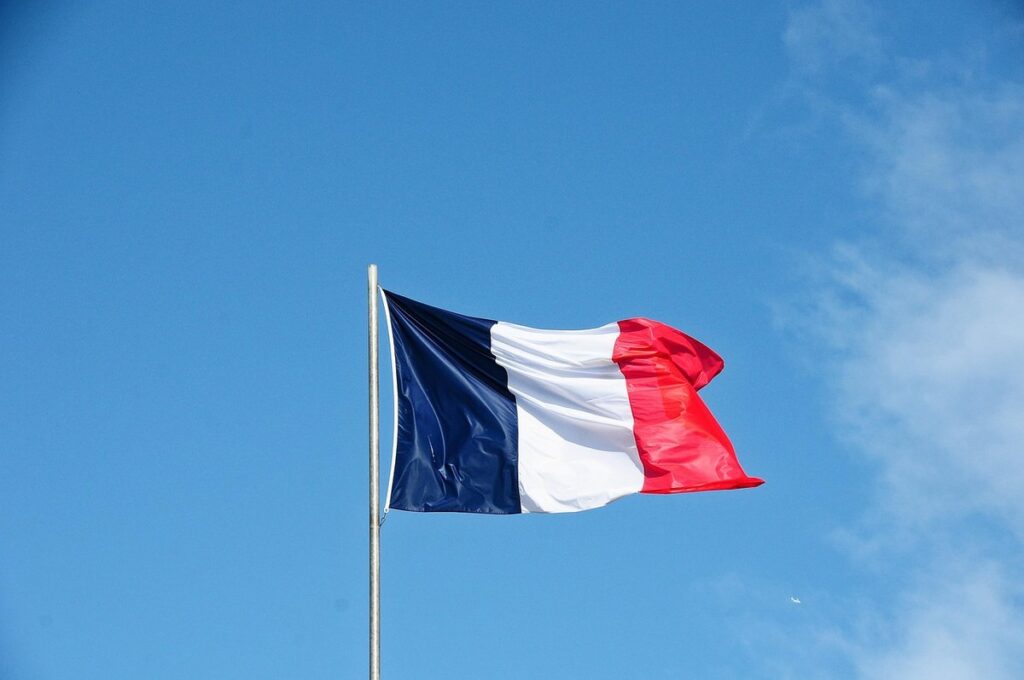
French is an official language in several countries, and in France, it’s the sole official language, spoken by the vast majority of the population. We’ll explore how it’s used in France and its overseas territories.
The French Language in Metropolitan France
In metropolitan France, the French language holds a unique position as the official language of the country. It’s the language used in government, education, and media, and its importance is reflected in the country’s language laws. According to the French Constitution, French is the only official language, and its use is mandatory in all official contexts. This includes government institutions, courts, and public services, where French is the primary language used for communication and documentation.
In education, French is the language of instruction, and students learn it from a young age. The country’s education system emphasizes language proficiency, and students are assessed on their ability to communicate effectively in French. This emphasis on language skills is also reflected in the media, where French is the primary language used for news, entertainment, and cultural programming. As a result, French is an integral part of daily life in metropolitan France, and its use is widespread in all aspects of society.
French Language in Overseas Departments and Territories
In overseas departments and territories, French is the official language, but it’s not always the dominant language spoken. For example, in Guadeloupe, the Creole dialect is widely used, particularly in informal settings. This has led to a unique linguistic landscape where French, Creole, and occasionally French-based patois are used alongside each other. In Martinique, the French-based Creole dialect, known as Martinican Creole, is also prevalent.
French Guiana, on the other hand, has a smaller but still significant Creole-speaking population. In all three territories, French education and media are widely available, but the use of French varies depending on the context. In everyday life, locals often switch between languages, using French for official purposes and Creole for social interactions.
The coexistence of French and Creole languages in these territories presents both challenges and opportunities. For instance, it can be difficult for language learners to navigate the nuances of Creole dialects, which have distinct grammatical and phonetic features. However, the presence of Creole also offers a unique window into the cultural heritage and history of these territories.
Francophone Countries Around the World
From Africa to the Caribbean, French is an official language in several countries around the world. Let’s take a closer look at these vibrant nations.
A Global Community of French Speakers
The concept of Francophonie refers to the global community of French speakers, which spans across 29 countries where French is an official language. This community is facilitated by international organizations such as the Organisation internationale de la Francophonie (OIF), which brings together member states to promote French language and culture. As a result, French is not only the language of France, but also a global language with its own distinct identity.
The OIF plays a crucial role in promoting Francophonie by providing a platform for member states to share best practices, collaborate on language and cultural initiatives, and advocate for the rights of French speakers worldwide. This has led to the creation of a vibrant global community that transcends national borders. For instance, the OIF’s annual Francophonie Summit brings together leaders from member states to discuss issues related to language, culture, and development.
As a French learner or speaker, understanding the concept of Francophonie can help you connect with a global network of French speakers. It can also inspire you to explore the rich cultural diversity of French-speaking countries and communities around the world. By embracing the idea of Francophonie, you can become part of a global movement that celebrates the power of the French language to bring people together.
Countries with French as an Official Language
French is an official language in several countries around the world, including many in Africa, the Caribbean, and North America. In Africa, countries such as Benin, Burkina Faso, Cameroon, the Central African Republic, Chad, the Comoros, the Congo, Côte d’Ivoire, Equatorial Guinea, Gabon, Guinea, Mali, Niger, Rwanda, Senegal, and Togo have French as an official language. The Caribbean is home to French-speaking countries like Haiti and several islands in the French overseas department of Guadeloupe.
In North America, Canada is an officially bilingual country with both English and French as official languages. French is also an official language in several territories and provinces in Canada, including Quebec, New Brunswick, and the territories of Yukon, Northwest Territories, and Nunavut.
This widespread presence of French as an official language creates a diverse community of French speakers, with many opportunities for language exchange, cultural collaboration, and economic cooperation. To take advantage of these opportunities, consider learning French or immersing yourself in a French-speaking environment. This will not only enrich your personal and professional life but also contribute to the development of stronger cultural and economic ties between French-speaking countries.
French Language Use and Proficiency Around the World
French is widely spoken in various countries, but its use and proficiency levels vary significantly, from everyday conversation to formal business settings. Let’s take a closer look at the countries where French is the primary language spoken.
Language Learning and Education
In countries where French is the main language, language learning and education play a significant role in promoting linguistic and cultural diversity. However, language learners often face challenges such as limited resources, inadequate teacher training, and a lack of exposure to authentic French language use. For example, in some Francophone African countries, French is not the primary language of instruction in schools, and students may not have access to quality French language education.
Despite these challenges, there are opportunities for language learners to improve their French language skills. Many countries offer bilingual or French-medium education programs, which can provide students with a strong foundation in French language and culture. Additionally, language learners can take advantage of online resources, language exchange programs, and cultural immersion opportunities to improve their language proficiency.
To overcome the challenges of language learning, it’s essential for governments, educators, and language learners to work together to develop effective language education policies and programs. This can include investing in teacher training, developing curriculum materials that reflect the needs of language learners, and promoting cultural exchange programs that foster language proficiency and cultural understanding. By doing so, language learners can take full advantage of the opportunities available to them and achieve their language learning goals.
French Language in International Business and Communication
French is a key language in international business and communication, facilitating interactions between countries and cultures. In diplomatic settings, French is often used as a neutral language to bridge the gap between nations with different linguistic backgrounds. For instance, the United Nations has French as one of its official languages, alongside English, Spanish, Russian, and Arabic. This allows international diplomats to communicate effectively and negotiate agreements in a language they may not be fluent in.
In the realm of trade, French is widely used in international commerce, particularly in industries such as aerospace, automotive, and luxury goods. Companies like Airbus and Peugeot use French as a primary language for communication, ensuring that their global operations run smoothly. Additionally, many international business schools and universities offer courses in French as a key language for business and management.
Tourism is another significant sector where French plays a vital role. France is one of the most visited countries in the world, and French-speaking tourists and locals can communicate easily, enhancing their travel experience. With over 80 million French speakers worldwide, speaking French can also help tourists navigate and appreciate the culture of other French-speaking countries, such as Canada, Belgium, and the Democratic Republic of the Congo.
Cultural and Economic Impact of French
French has had a profound influence on the cultural and economic landscapes of countries where it’s the primary language, shaping art, cuisine, and business practices. Let’s take a closer look at how French has impacted these nations.
French Language and Culture
The French language and culture have made significant contributions to the world in various fields, including literature, music, and cinema. French literature is renowned for its rich diversity, with famous authors like Gustave Flaubert, Victor Hugo, and Jean-Paul Sartre, who have left an indelible mark on world literature. The works of these authors have been translated into many languages, making French literature accessible to a global audience.
French music has also had a profound impact on the world, with famous composers like Claude Debussy and Maurice Ravel creating iconic pieces that continue to influence contemporary music. French cinema has produced some of the most celebrated filmmakers in history, including Jean-Luc Godard and François Truffaut, who have shaped the art of filmmaking with their innovative and groundbreaking works.
The cultural exchange facilitated by the French language has enabled the creation of a unique blend of artistic expression, shaped by the country’s rich history and cultural heritage. As a result, French language and culture have become an integral part of the global cultural landscape, offering a wealth of creative and artistic inspiration to people around the world. By embracing French language and culture, individuals can gain a deeper understanding of the world’s diverse artistic expressions and appreciate the beauty of French literature, music, and cinema.
Economic Benefits of Speaking French
Speaking French opens doors to a wide range of job opportunities, particularly in international business and trade. According to the Organisation internationale de la Francophonie, French is an official language in several international organizations, including the United Nations, the European Union, and the International Olympic Committee. This means that proficiency in French is often a requirement for careers in these sectors.
In France, speaking French can also be an advantage in the job market. Many French companies, especially those in the luxury goods and services sectors, conduct business primarily in French. Knowing the language can give you a competitive edge in these industries. Additionally, speaking French can also enhance your earning potential. A study by the French Institute found that employees who speak French have a higher salary than those who don’t.
Tourism is another sector where speaking French can be beneficial. France is one of the most popular tourist destinations in the world, and knowing the language can help you navigate the country’s rich culture and history. In fact, many French tour guides and hospitality workers prefer to speak with guests who can communicate in French. Overall, speaking French can be a valuable asset in the job market, especially for those interested in international business, trade, and tourism.
Challenges and Opportunities for French Language Learning
Learning French can be a rewarding experience, but it’s not without its challenges, from mastering pronunciation to navigating cultural differences. Understanding these obstacles is key to a successful language learning journey.
Language Learning and Access to Education
In many countries where French is the primary language, access to quality education and resources can significantly impact an individual’s ability to learn French. In France, for instance, there are numerous language schools and programs available, including the Centre International d’Antibes, which offers intensive French language courses. However, in some francophone countries, access to such resources may be limited.
Additionally, the quality of education and resources can vary greatly. In some cases, schools may not have the necessary materials or qualified teachers to provide students with an effective learning experience. For example, in rural areas of Senegal, there may be a shortage of qualified French teachers, making it difficult for students to receive adequate instruction.
To overcome these challenges, individuals can consider taking online courses or working with a language tutor. Many online platforms, such as Babbel and Duolingo, offer comprehensive French language courses that cater to different learning styles and levels. Furthermore, some language schools offer flexible scheduling and personalized instruction, which can be beneficial for those with limited time or schedules.
Promoting the French Language and Culture
Various organizations and governments promote the French language and culture through language learning programs, cultural exchange initiatives, and language support services. In France, for example, the Alliance Française offers language classes, cultural events, and immersion programs for learners of all levels. Similar organizations, such as the French Cultural Centre, provide language classes, workshops, and cultural activities for both locals and foreigners.
Government-backed initiatives also play a crucial role. The French government’s language and cultural promotion agency, Campus France, offers scholarships and grants to students who want to study in France. These programs not only provide financial support but also facilitate language learning and cultural immersion.
Other initiatives, such as language support services, help learners overcome obstacles to speaking French. For instance, the French government’s language support service, “French in Action,” provides free language learning resources, including online courses, podcasts, and language learning apps.
Language support services also include language exchange programs, which connect native speakers with learners. These programs enable learners to practice their speaking skills, receive feedback, and improve their language proficiency. By participating in these initiatives, learners can gain a deeper understanding of French culture and improve their language skills.
Conclusion: The Importance of French in a Globalized World
As we conclude our exploration of countries where French is the main language, it’s essential to recognize the significant role it plays in the world today. With over 274 million speakers worldwide, French is an official language in numerous international organizations, including the United Nations, the European Union, and the International Olympic Committee. In a globalized world, speaking French opens doors to economic, cultural, and educational opportunities that transcend geographical boundaries. For instance, France is one of the world’s leading economies, and proficiency in French can give individuals a competitive edge in the job market. Moreover, French is a key language for accessing international education, with many top universities offering courses in French. By embracing French, individuals can tap into a global network of speakers and opportunities, making it an invaluable skill in today’s interconnected world.
Frequently Asked Questions
Can I learn French through online resources and still be proficient in a year?
Yes, it is possible to learn French through online resources, but it requires consistent effort and dedication. With a well-structured online course, regular practice, and exposure to native speakers, you can achieve proficiency in a year. However, it’s essential to supplement online learning with real-life interactions and immersion to improve your speaking and listening skills.
How do I choose between studying French in France and taking online courses?
Choosing between studying French in France and taking online courses depends on your personal goals, budget, and learning style. If you want to immerse yourself in the language and culture, studying in France might be the better option. However, if you prefer a more flexible schedule and lower costs, online courses can be a great alternative.
Are there any specific regions where French is spoken outside of metropolitan France that are particularly challenging for learners?
Yes, French spoken in Quebec and some African countries like Cameroon and Democratic Republic of the Congo have distinct accents and vocabulary that can be challenging for learners. Additionally, the French spoken in overseas departments and territories, such as Guadeloupe and Martinique, may have unique expressions and idioms.
Can I use French in the workplace, even if I’m not living in a country where it’s an official language?
Yes, knowing French can be beneficial in the workplace, especially in international business and communication. Many multinational companies operate in French-speaking countries, and speaking French can give you a competitive edge in the job market. You can also use French in your daily work, even if you’re not living in a French-speaking country, to communicate with clients or colleagues from Francophone countries.
How do I maintain my French language skills if I’m not using them regularly?
To maintain your French language skills, it’s essential to practice regularly, even if it’s just for a few minutes a day. You can listen to French music, watch French movies or TV shows, read French books or articles, and speak with native speakers or language exchange partners. You can also join online language learning communities or take online courses to stay motivated and improve your skills.

