Cuban cuisine is a vibrant reflection of the island’s rich cultural heritage, shaped by centuries of Spanish colonization, African influences, and Caribbean flavors. You might be surprised to learn that Cuban food has more in common with Mediterranean cuisine than you’d expect, thanks to its European roots. From the streets of Havana to the countryside, regional variations and local traditions play a significant role in defining the country’s culinary identity. This diversity is evident in dishes like ropa vieja, arroz con pollo, and lechon asado, which showcase the perfect balance of flavors and textures that Cuban cuisine is known for. As you explore this fascinating culinary landscape, you’ll discover how traditional Cuban cuisine continues to evolve, incorporating fresh ideas and international influences while staying true to its cultural roots. By the end of this article, you’ll have a deeper understanding of Cuba’s gastronomic scene and be able to appreciate the unique flavors that make Cuban cuisine so beloved around the world.
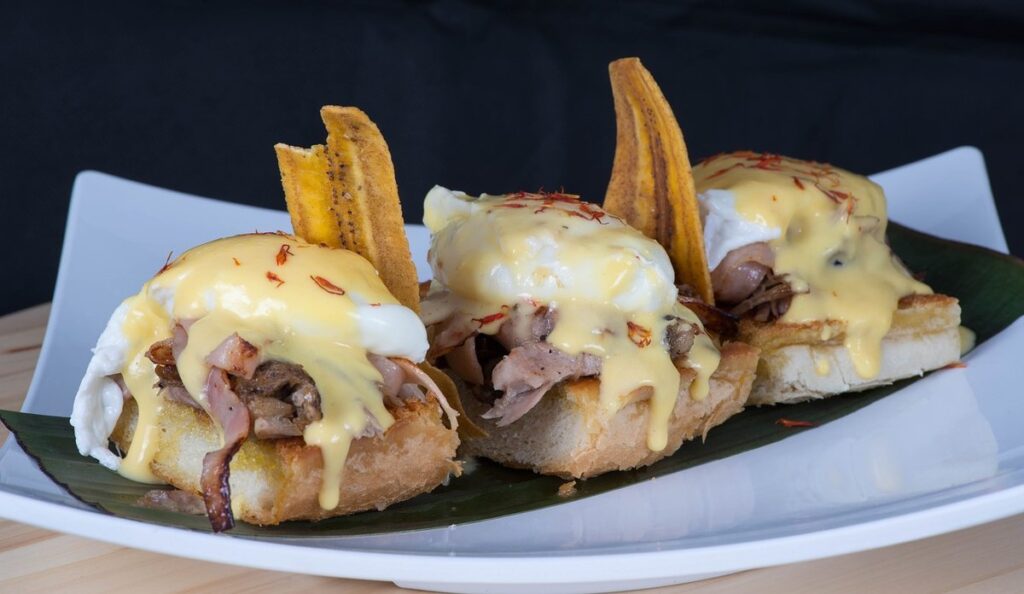
History and Influences of Cuban Cuisine
Cuban cuisine is a rich blend of African, Spanish, and Caribbean flavors that have been shaped by centuries of cultural exchange. Let’s take a closer look at how these diverse influences came together to create this unique culinary heritage.
Impact of Spanish Colonization on Cuban Food
Spanish colonizers brought their culinary traditions to Cuba in the 16th century, leaving an indelible mark on the country’s cuisine. They introduced livestock such as pigs, chickens, and cattle, which became staples in Cuban cooking. The Spanish also introduced crops like wheat, chickpeas, and almonds, many of which are still used today.
The colonizers’ influence can be seen in classic dishes like arroz con pollo, a rice and chicken stew that originated from the Spanish paella. They also brought their love for seafood, particularly shellfish, to Cuba’s coastlines. The Spanish introduced the concept of slow-cooking meats over wood or charcoal fires, which became a staple cooking method in Cuban cuisine.
Cuban food was not simply a matter of adopting Spanish recipes, however; it was also shaped by the resources available on the island. For example, the scarcity of salt led to the use of herbs and spices like oregano and garlic for flavoring. This resourcefulness is reflected in dishes like ropa vieja, shredded beef cooked in tomato sauce.
African Influence on Cuban Cooking
African slaves played a profound role in shaping Cuban cuisine, introducing new ingredients and cooking techniques that continue to influence the island’s culinary identity. West African cooks brought with them their own traditions of stir-frying, grilling, and stewing meats, which merged with Spanish and indigenous methods to create unique Cuban dishes.
One notable example is the fusion of African yams with European pork and spices to create the popular Cuban dish, Lechon Asado. The use of plantains as a starchy side, often fried or boiled, also owes its origins to West Africa. Moreover, African slaves introduced new seasonings and herbs like cumin, coriander, and cilantro, which are now staple flavors in many Cuban recipes.
The impact of African cuisine on Cuban cooking can be seen in the use of bold spices and aromatics, as well as the emphasis on slow-cooked stews and braises. Many classic Cuban dishes, such as Arroz con Pollo and Ropa Vieja, have African roots, reflecting the blending of cultures that occurred during the colonial period.
To experience the full depth of African influence in Cuban cuisine, try visiting a local market or restaurant in Havana’s Afro-Cuban neighborhood, where you can sample authentic dishes like Frijoles Negros (black beans) and Mangu (mashed plantains).
Native Taino Contributions to Cuban Cuisine
The Taino people, indigenous to the Caribbean island of Hispaniola and other surrounding islands, played a significant role in shaping Cuban cuisine. When the Spanish colonizers arrived in Cuba, they brought with them their own cooking techniques and ingredients, but the Tainos already inhabited the island. As a result, African and European influences blended with the native Taino traditions to create the distinctive flavors of Cuban food.
Yuca, for instance, is a staple ingredient in Cuban cuisine, often used in dishes like maduros (sweet plantains) and fried yuca. The Tainos cultivated yuca as a primary source of carbohydrates, and their techniques for cooking it were later adopted by Spanish colonizers. Plantains, another key component of Cuban cuisine, are also native to the Caribbean region and were likely introduced to Cuba by the Tainos.
To experience the Taino influence on Cuban food, try visiting rural areas outside of major cities where traditional dishes like sancocho (a hearty stew) and arroz con pollo are still made with locally sourced ingredients. These dishes often feature yuca and plantains alongside other staple ingredients like rice, beans, and meat or seafood.
Traditional Cuban Dishes and Ingredients
Cuban cuisine is deeply rooted in its rich history, and traditional dishes showcase the country’s cultural heritage. We’ll explore some of these iconic plates and their essential ingredients.
Classic Cuban Meals: Arroz con Pollo and ropa Vieja
Arroz con Pollo and ropa Vieja are two beloved dishes in Cuban cuisine, each with its own distinct history and cultural significance. Arroz con Pollo, which translates to “chicken and rice,” is a classic one-pot dish that originated in Spain but has been adapted by Cubans over the centuries. The recipe typically consists of sautéed chicken, tomatoes, onions, garlic, and spices cooked with rice, resulting in a flavorful and aromatic meal.
Ropa Vieja, on the other hand, translates to “old clothes” due to its resemblance to tattered clothing when shredded beef is served on a plate. This dish has African roots, dating back to the Yoruba people’s tradition of cooking tough meat until it falls apart. In Cuban cuisine, Ropa Vieja is typically made with shredded beef cooked in a tomato-based sauce, often served with rice or accompanied by boiled potatoes.
Both dishes have become staples in Cuban cuisine, not only for their rich flavors but also for the cultural significance they hold within families and communities. When preparing Arroz con Pollo or Ropa Vieja, consider using traditional Cuban spices like oregano and cumin to add authenticity to your dish.
Seafood and Rice-based Dishes in Cuban Cuisine
Seafood and rice-based dishes are staples in Cuban cuisine, particularly when it comes to paella and arroz con mariscos. These savory rice bowls showcase Cuba’s Mediterranean influences and its love for bold flavors. Paella, a classic Spanish dish, has been adapted in Cuba with local ingredients like seafood and spices. Arroz con mariscos is another popular variation, featuring mixed seafood such as shrimp, mussels, and fish.
In Cuban cuisine, the combination of rice and seafood is often associated with celebrations and special occasions. For example, on Sundays, many families gather for a festive meal of arroz con pollo or paella, accompanied by live music and laughter. The key to making these dishes is using fresh seafood and high-quality spices. A good rule of thumb is to balance the flavors by adding a small amount of saffron, which gives the dish its distinctive yellow hue.
Some essential ingredients to include in your Cuban-inspired rice bowl are:
- Mixed seafood (shrimp, mussels, fish)
- Saffron
- Tomato puree or crushed tomatoes
- Cumin
- Coriander
- Garlic and onions
- Olive oil
These flavors will transport you to the vibrant streets of Havana, where food is a celebration of culture and community.
Sweet Plantains (Maduros) and Fried Yuca: Popular Side Dishes
Sweet plantains, also known as maduros, are a staple side dish in many Cuban households. When ripe, they’re cooked in their own juice until caramelized and tender, often served with a sprinkle of sugar. The sweetness is balanced by the slight tang from the natural oils released during cooking. Fried yuca, on the other hand, is a more savory option. Thick yuca sticks are twice-fried to achieve a crispy exterior giving way to fluffy interior.
Both dishes are popular for various reasons. Maduros pair well with heartier meats like ropa vieja or lechon asado, while fried yuca complements lighter options such as grilled chicken or fish. When dining at a Cuban restaurant, look for these side dishes on the menu, especially if you’re unsure what to order. In Cuba itself, try visiting local markets or street food stalls to sample both dishes.
Some tips for cooking maduros and fried yuca at home: For maduros, choose plantains that are fully ripe but still firm. As they cook, adjust heat as needed to prevent burning. For fried yuca, peel the sticks before cutting them into manageable pieces – this will help them fry evenly. Experiment with different seasoning combinations for both dishes; a sprinkle of paprika or garlic powder can add depth without overpowering their natural flavors.
Regional Variations of Cuban Cuisine
Cuban cuisine is incredibly diverse, reflecting the unique flavors and traditions of each region. From the sugary dishes of eastern Cuba to the bold spices of western Cuba, every corner has its own specialty.
Havana’s Unique Culinary Scene
Havana’s culinary scene is a reflection of its rich cultural heritage. The city is home to some of Cuba’s most iconic restaurants, such as La Bodeguita del Medio and El Aljibe, which have been serving up traditional Cuban dishes for generations. These eateries offer a glimpse into the country’s past, with their dimly lit interiors, live music, and classic Cuban cuisine.
But Havana is also known for its vibrant street food scene. Street vendors, or “cubanos,” can be found throughout the city, selling everything from crispy croquetas to sweet plantains. Some popular spots include the Plaza Vieja and the Malecón, where locals and tourists alike gather to sample the city’s culinary delights.
One of the best ways to experience Havana’s unique culinary scene is by exploring its many markets. The Mercado de San José, for example, offers a wide range of fresh produce, meats, and prepared foods, giving visitors a glimpse into the daily lives of locals.
Santiago de Cuba: The Cradle of Afro-Cuban Cuisine
Santiago de Cuba’s unique cultural heritage has significantly shaped its Afro-Cuban cuisine. This is evident in traditional dishes like sancocho and fufú, which are staples of the region. Sancocho is a hearty stew made with meat, root vegetables, and plantains. Its rich flavor profile is a testament to the African influence on Cuban cooking. Fufú, on the other hand, is a dish consisting of boiled cassava or yuca dough served with various sauces.
The preparation of these dishes often involves intricate techniques passed down through generations of cooks. For example, fufú is typically made from scratch using a specific type of cassava flour that’s difficult to find outside of Santiago. This highlights the importance of local ingredients and traditional cooking methods in Afro-Cuban cuisine. Visitors can experience this authentic flavor by trying these dishes at local eateries or participating in cooking classes.
When sampling sancocho, pay attention to the variety of spices used – they’re often a blend of African and Caribbean influences. Be adventurous and try fufú with different sauces to appreciate its versatility. By embracing Santiago’s Afro-Cuban cuisine, you’ll gain a deeper understanding of the region’s rich cultural heritage and the role it plays in shaping Cuban food as a whole.
Eastern and Western Provinces’ Contributions to Cuban Food
In eastern and western provinces, you’ll find distinct flavor profiles shaped by local ingredients and historical influences. The province of Camagüey, for instance, is known for its rich meat stews and roasted meats, which are often served with moros y cristianos (black beans and rice). This influence comes from the region’s history as a major cattle-raising area.
In contrast, the western provinces, particularly Pinar del Río, have a strong focus on agriculture. Here, you’ll find dishes like frituras de pescado (fried fish) made with fresh seafood from the coast and accompanied by locally grown vegetables. The unique combination of coastal and agricultural influences in this region has given rise to a variety of specialties.
Some notable examples include the western province’s famous lechon asado, which is slow-roasted pork marinated in sour orange juice and spices, and the eastern province’s morcilla de cerdo (blood sausage) made with locally raised pigs. When exploring Cuban cuisine outside Havana, be sure to try these regional specialties for a deeper understanding of Cuba’s culinary diversity.
Some recommended dishes from the western provinces include: arroz con pollo (chicken and rice), frituras de verduras (fried vegetables), and tamales (steamed corn dough filled with meat or vegetables). From the eastern provinces, consider trying: morcilla de cerdo, lechon asado, and chicharrón (deep-fried pork rinds).
Modern Cuban Cuisine: Fusion and Innovation
Cuban cuisine is constantly evolving, blending traditional flavors with modern twists and international influences to create a truly unique culinary experience. This fusion of old and new is one of the most exciting aspects of dining in Cuba.
Cuban-Chinese Fusion in Havana
In Havana’s culinary scene, a unique blend of Chinese and Cuban flavors has emerged. This fusion is evident in popular dishes like chino cubano, which combines stir-fried pork with rice, vegetables, and spices. Empanadas, typically filled with beef or chicken, now often feature Chinese-inspired ingredients such as soy sauce and sesame seeds.
Restaurants in Havana’s Old Town have been at the forefront of this culinary movement. El Aljibe and Los Naranjos are two notable establishments serving up innovative fusion dishes. For example, their chino cubano is a staple on many menus, while others offer variations like seafood empanadas with a Chinese-style breading.
To experience Cuban-Chinese fusion firsthand, visitors should explore the streets of Vedado and Miramar, where numerous eateries and food stalls showcase this unique blend of flavors. Look for street food vendors serving up chino cubano sandwiches or empanadas filled with pork or chicken, often served with a side of spicy salsa or pickled vegetables. When trying these dishes, pay attention to the balance of sweet, sour, and savory flavors that define Cuban cuisine, while also noting the Asian-inspired twists that set this fusion apart.
Innovative Chefs and Their Contributions to Cuban Gastronomy
Cuban cuisine has long been characterized by its unique blend of Spanish, African, and indigenous influences. However, a new wave of innovative chefs is pushing the boundaries of traditional Cuban cooking with creative fusion dishes that showcase the island’s rich culinary heritage. One such chef is Urbano Ribeiro, who brings a modern twist to classic Cuban cuisine at his Havana restaurant. His menu features dishes like croquetas de pollo con mole poblano, which combines the Spanish influence of chicken croquettes with the Mexican-inspired richness of mole sauce.
Other notable chefs making waves in Cuba’s culinary scene include Mery Sosa and Carlos Lora. Sosa’s restaurant in Santiago de Cuba offers a fusion of Cuban and Asian flavors, while Lora’s modern take on traditional Cuban cuisine has earned him a spot at the helm of several prominent restaurants. These innovative chefs are not only elevating the country’s gastronomic reputation but also providing visitors with unique culinary experiences that blend tradition with innovation. By trying their creative dishes, you can gain a deeper understanding of Cuba’s rich cultural heritage and appreciate the evolving nature of its cuisine.
Food Culture and Traditions in Cuba
Cuban cuisine is deeply rooted in its rich cultural heritage, influenced by African, Spanish, and Caribbean traditions that shape the country’s unique food culture. Let’s explore how these traditions manifest in everyday Cuban life.
The Significance of Family Meals in Cuban Culture
Family gatherings and meals are deeply ingrained in Cuban culture, with a strong emphasis on coming together over food. Traditional holidays like Noche Buena (Christmas Eve) showcase the importance of family bonding through shared meals. On this night, families gather around the table for a lavish feast, often featuring roasted pork, arroz con pollo, and other classic Cuban dishes.
The significance of these gatherings extends beyond just satisfying hunger – they serve as opportunities to strengthen family ties and create lasting memories. Mealtimes in Cuba are often lively and social, with extended family members, friends, and neighbors joining in to share stories and laughter.
In many Cuban households, mealtimes are a time for storytelling, sharing news, and discussing current events. The atmosphere is warm and welcoming, reflecting the country’s strong sense of community and hospitality. Visitors to Cuba often comment on the warmth and generosity of locals, which can be attributed in part to the importance placed on family meals and gatherings.
To experience this aspect of Cuban culture firsthand, consider attending a Noche Buena celebration or joining a local family for dinner. Even if you’re not visiting during a holiday, many restaurants and cafes throughout Cuba offer traditional dishes and a lively atmosphere that captures the essence of Cuban family mealtimes.
Coffee Culture in Cuba: Café Cubano and Beyond
Coffee plays a vital role in Cuban daily life, with its rich aroma and flavors deeply ingrained in the culture. The traditional café con leche is a staple, made with strong espresso-style coffee served over sweetened condensed milk. This comforting beverage is often enjoyed at home or in casual outdoor settings, such as parks or street corners.
In recent years, modern coffee shops have begun to sprout up in major cities like Havana and Santiago de Cuba. These establishments offer a range of specialty coffee drinks, from cappuccinos to lattes, made with high-quality Arabica beans imported from countries like Colombia and Brazil. Some popular spots even serve Cuban-style cold brew, made by steeping coarse-ground coffee in cold water for an extended period.
For visitors to Cuba, trying the local coffee is a must. You can find traditional café con leche at most cafes and restaurants, while modern coffee shops offer a more upscale experience. Be sure to try the locally-roasted coffee beans, which are often described as rich and full-bodied. If you’re feeling adventurous, consider visiting one of the many coffee plantations in eastern Cuba, where you can learn about the entire coffee-making process from farm to cup.
Conclusion and Final Thoughts on Cuban Cuisine
Cuban cuisine is a vibrant reflection of the island’s rich cultural heritage, shaped by African, Spanish, and indigenous influences. As we’ve explored throughout this guide, traditional dishes like ropa vieja, arroz con pollo, and lechon asado are staples of Cuban cooking, often featuring bold flavors and spices. The use of citrus juice, garlic, and oregano is a common thread throughout many recipes, adding depth and complexity to each plate. When trying authentic Cuban cuisine, be sure to seek out local markets or family-owned restaurants, where you can experience the true essence of this flavorful cooking style. By embracing the diversity and history that underpin Cuban cuisine, visitors can gain a deeper appreciation for the island’s unique culture and traditions.
Frequently Asked Questions
Can I try Cuban cuisine without traveling to Cuba?
Yes, many restaurants around the world offer authentic Cuban dishes, and you can also find online recipes and cooking classes. With a little creativity in your own kitchen, you can experience the flavors of Cuba.
How do I incorporate traditional Cuban ingredients into my daily meals?
Start by exploring local markets or specialty stores for yuca, plantains, and other staple ingredients. Experiment with simple dishes like arroz con pollo or ropa vieja to get a feel for the flavors. Don’t be afraid to adapt recipes to suit your taste preferences.
What if I’m allergic or intolerant to common Cuban ingredients?
Yes, many Cuban dishes can be adapted to accommodate dietary restrictions. For example, substituting yuca with sweet potatoes or using gluten-free alternatives in empanadas. Be sure to communicate with chefs or restaurants about your needs and they will often work with you.
How do I know which regional variations of Cuban cuisine are authentic?
Research the specific region’s culinary history and traditions. Look for dishes that have been passed down through generations, such as Santiago de Cuba’s sancocho or Havana’s famous lechon asado. Authenticity also comes from using local ingredients and cooking techniques.
Can I make fusion versions of traditional Cuban dishes without losing their essence?
Yes, fusion cuisine can be a great way to innovate while staying true to the original flavors. Experiment with combining traditional Cuban ingredients with international flavors or techniques, but don’t overcomplicate the dish – balance is key to maintaining its essence.