Marriage is a universal human experience that transcends cultures, but its expression varies greatly from one society to another. In some parts of the world, arranged marriages are still a common practice, where families play a significant role in choosing their children’s partners. This can lead to complex dynamics, as individuals may feel pressured to conform to societal expectations rather than following their own desires. On the other hand, community-driven initiatives in some cultures emphasize the importance of family and social ties in marriage, often resulting in strong support systems for couples. As we explore these cultural differences, it becomes clear that they shape not only relationships but also expectations around love, commitment, and partnership. By understanding these variations, you’ll gain insight into the diverse ways marriage is perceived and experienced worldwide.
Traditional Marriage Customs Around the World
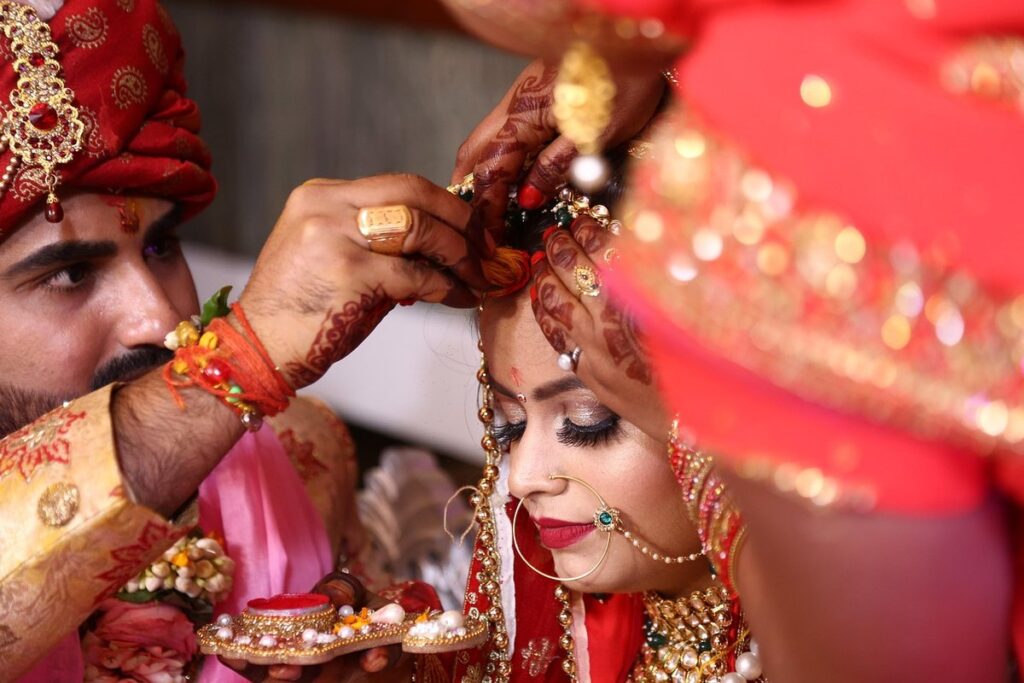
From the lavish Indian wedding ceremonies to the simple yet meaningful Japanese tea ceremonies, traditional marriage customs offer a glimpse into each culture’s unique history and values. Let’s explore some of these fascinating traditions from around the globe.
Arranged Marriages in Eastern Cultures
In many Eastern cultures, arranged marriages have been a long-standing tradition. In countries like India, Pakistan, and Bangladesh, families often play a significant role in selecting a partner for their child. This practice is deeply rooted in societal expectations, where family honor and social status are closely tied to marriage.
The process typically begins with the family identifying potential matches based on factors such as caste, community, and education level. The couple may meet only once or twice before the wedding, and even then, it’s often under the supervision of their families. While some individuals accept these arrangements without hesitation, others may feel pressure to conform to societal norms.
Research suggests that most young people in these countries are open to arranged marriages if they have a say in the selection process. In fact, a survey found that 70% of Indian women would prefer an arranged marriage if given the choice. This highlights the importance of communication and mutual respect within families when it comes to marriage decisions. By understanding the complexities surrounding arranged marriages, individuals can better navigate these cultural differences and build stronger relationships with their partners.
Forced Marriages and Human Rights Concerns
Forced marriages are a serious human rights concern in many parts of the world. According to the United Nations, an estimated 15 million girls worldwide are married before the age of 18, and over 700 million women are currently living with their first husband. In some cultures, forced marriage is seen as a way to preserve family honor or secure financial stability, but it often results in severe physical, emotional, and psychological abuse.
Human rights organizations are working tirelessly to combat this issue, particularly in regions where cultural practices are used to justify forced marriages. For example, in South Asia, the organization “Equality Now” has launched campaigns to raise awareness about the risks of child marriage and advocate for policy changes that protect girls’ rights.
In addition to raising awareness and advocating for change, organizations are also working with local communities to develop alternative solutions that respect cultural traditions while promoting girls’ education and autonomy. For instance, some communities have adopted “promise rings” or other symbolic commitments that allow girls to delay marriage until they reach the age of 18.
Efforts like these demonstrate that it’s possible to balance cultural preservation with human rights concerns.
Community-Driven Marriage Initiatives
Community-driven initiatives have sprouted up worldwide to promote understanding and respect for diverse marriage customs. In India, for instance, organizations like the Indian Institute of Human Rights offer educational programs on interfaith marriages, highlighting the importance of mutual respect and understanding between couples from different religious backgrounds.
Similarly, in some African countries, community-led projects focus on promoting positive dialogue about arranged marriages. By sharing personal stories and experiences, these initiatives aim to humanize what might otherwise be seen as a traditional or even oppressive practice. In Morocco, interfaith dialogue programs bring together Muslim and Jewish communities to discuss their differing customs and traditions surrounding marriage.
These initiatives are crucial in dispelling stereotypes and fostering empathy between individuals from diverse backgrounds. By engaging with each other’s perspectives, couples can better navigate the complexities of cultural differences in marriage. For those looking to start such an initiative in their own community, consider partnering with local organizations or places of worship to create a platform for respectful discussion and education.
Some key considerations when launching a community-driven project include:
- Identifying specific goals and target audiences
- Building relationships with community leaders and influencers
- Creating inclusive and welcoming spaces for dialogue and learning
The Role of Family in Shaping Marriage Expectations
When it comes to marriage, family plays a significant role in shaping our expectations and influencing how we approach partnership. From traditional roles to familial pressures, this aspect is often overlooked yet crucial.
Influence of Extended Families on Marriage Choices
In many cultures, extended families play a significant role in shaping marriage choices. In some cases, family members may have a say in who their children marry, with parents or other relatives exerting influence over the selection of a partner. This can be due to various factors, such as preserving cultural heritage, maintaining social status, or ensuring economic security.
For instance, in some African cultures, it’s common for families to arrange marriages between cousins or siblings from different families to preserve ancestral lineage and property rights. In other cases, families may encourage their children to marry within the same ethnic group to maintain cultural ties and avoid intermarriage with those of lower social status.
When extended family involvement is significant, couples often find themselves navigating complex expectations and obligations. They may need to balance their personal desires with familial pressures, which can lead to feelings of obligation or even coercion. To navigate these situations effectively, couples should communicate openly with each other about their goals, values, and boundaries. It’s also essential for them to establish clear guidelines on how much family involvement is acceptable in their relationship.
This may involve setting boundaries around decision-making processes, such as who gets to choose the living arrangements or what kind of support system they want to have in place. By being proactive and communicating effectively, couples can minimize potential conflicts and build a stronger foundation for their marriage.
Balancing Traditional and Modern Values
Balancing traditional values with modern expectations can be a significant challenge for couples. When both partners come from conservative backgrounds, they may struggle to reconcile their desire for a more progressive relationship with the expectations of their families and communities. For instance, a woman who has been raised to prioritize domesticity might find it difficult to accept her partner’s desire for equal household responsibilities.
In such situations, communication is key. Couples need to discuss their values and boundaries openly, ensuring they’re on the same page regarding what they’re willing to compromise on. They should also establish clear guidelines for how they’ll manage conflicts between their individual desires and family expectations. This might involve setting aside dedicated time for discussions or creating a list of non-negotiables.
Practically, couples can start by identifying areas where they can find common ground. For example, they could work together to create new traditions that blend their heritage with modern values. By doing so, they’ll not only strengthen their bond but also demonstrate their commitment to each other and their shared vision for their future. This approach requires empathy, understanding, and a willingness to adapt – essential qualities for navigating the complexities of cross-cultural relationships.
Managing Conflicts Between Individual and Family Desires
When making significant life decisions, couples from diverse cultural backgrounds often face conflicts between their individual desires and family expectations. To navigate these challenges, it’s essential to establish open communication channels with both partners’ families. Start by identifying the specific areas of disagreement, whether it’s choosing a residence location, planning for children, or deciding on career paths.
One approach is to create a compromise plan that balances individual needs with family obligations. For instance, couples may decide to take turns living in their parents’ homes or exploring different neighborhoods until they find one that suits both partners’ preferences. Another strategy involves setting clear boundaries and expectations with both families, ensuring everyone understands the couple’s decisions and priorities.
In some cultures, family members play a significant role in mediating conflicts between spouses. Couples can leverage this support by actively engaging their families in discussions about their goals and aspirations. By doing so, they may find that their families become valuable allies in navigating cultural differences and finding solutions that work for everyone.
The Impact of Social Status and Economic Factors
Social status and economic factors play a significant role in shaping marriage expectations and traditions, influencing the way couples approach commitment. This reality is especially pronounced in cultures where financial security is tied to family obligations.
Marriage as a Symbol of Social Mobility
Marriage is often seen as a means to improve one’s social status or economic prospects, particularly in regions with significant income disparities. In some cultures, marrying well is viewed as a way to secure financial stability and climb the social ladder. This is especially true in countries where wealth and education are closely tied to marital options.
In many parts of Asia, for instance, family background and economic standing are critical factors in choosing a partner. A well-educated or high-income spouse can bring prestige and improved living conditions to a family. In contrast, marrying someone from a lower social class may be seen as a step backward. This emphasis on social mobility through marriage can lead to arranged marriages where families prioritize securing a financially stable future for their children over individual preferences.
This phenomenon is not unique to Asia; it’s also observed in regions with significant income disparities, such as Latin America and parts of Africa. In these contexts, marrying someone from a higher social class or with greater financial resources can be seen as a key factor in achieving upward mobility.
The Role of Education in Changing Marriage Dynamics
Education has played a significant role in changing marriage dynamics over time. As more women have gained access to education, they’ve become less dependent on their husbands financially and more empowered to make decisions about their own lives. This shift is particularly evident in countries where education was previously inaccessible or unavailable to women.
In many cultures, education has contributed to the erosion of traditional patriarchal norms that governed marriage. For example, in some African societies, educated women are increasingly seeking divorce if they feel trapped in unhappy marriages or if their husbands fail to provide them with basic rights and respect.
The rise of education has also led to a decline in arranged marriages and an increase in consensual unions. In India, for instance, the percentage of married couples who met through education or mutual friends has increased significantly, while the number of arranged marriages has decreased.
As education continues to expand globally, we can expect even more changes in marriage customs and expectations. Governments and social institutions must acknowledge these shifts and adapt their policies and practices accordingly.
Economic Pressures on Married Couples
Financial strain can be a significant challenge for married couples, especially in areas where economic instability is prevalent. In some cultures, marriage is seen as an economic union, where two families come together to strengthen their financial positions. For instance, in many Asian cultures, marrying into a wealthy family is considered a desirable outcome, as it ensures financial security and social status.
However, this can lead to tension within the relationship if one partner feels like they are sacrificing their own goals or aspirations for the sake of the other’s economic security. In areas where poverty is widespread, couples may struggle to make ends meet, leading to increased stress and conflict in the marriage.
To mitigate these effects, it’s essential for couples to prioritize open communication about their financial concerns and work together to find solutions. This can involve setting realistic budget goals, sharing household responsibilities, and seeking support from community resources or financial counseling services when needed. By addressing economic pressures proactively, married couples can build stronger, more resilient relationships that are better equipped to navigate life’s challenges.
Cultural Adaptations in Modern Marriage
As you navigate the complexities of intercultural marriage, it’s essential to consider how cultural backgrounds influence expectations and responsibilities within a relationship. This can lead to interesting dynamics and adaptations.
Blended Families and Intercultural Marriages
Blended families and intercultural marriages present unique challenges and benefits when combining different cultural backgrounds. One of the most significant hurdles is navigating conflicting customs and traditions. For instance, in some cultures, it’s customary for children to live with their grandparents, while in others, this practice is unheard of. When blending two cultures, parents may struggle to decide how to raise their kids.
In intercultural marriages, couples often face challenges related to family expectations and involvement. In some cultures, the extended family plays a significant role in decision-making processes, which can lead to tension when one partner’s family is not involved. Couples must navigate these complexities while also building their own relationship. To overcome these hurdles, communication is key.
Couples should discuss and agree on important aspects of their blended or intercultural life before making any major decisions. This includes establishing household rules, discipline methods, and traditions that work for both partners. By being open and respectful, couples can build a strong foundation for their family’s cultural identity. They may also find it helpful to research and understand the customs and values of each culture involved, allowing them to make informed choices about how they want to raise their children.
The Rise of Non-Traditional Living Arrangements
Non-traditional living arrangements have become increasingly common worldwide. In many cultures, cohabitation without marriage is now widely accepted and even preferred by young couples. A study found that most European countries show a steady rise in cohabiting couples, with some even surpassing the number of married couples.
The shift towards non-traditional relationships can be attributed to several factors. One key reason is the decline of traditional marriage as an economic necessity. With education and career opportunities becoming more accessible, women no longer need to marry for financial stability. This has led to a greater emphasis on personal freedom and choice in relationship dynamics.
In some cultures, long-term committed relationships outside traditional marriage frameworks are gaining recognition. For instance, in Scandinavian countries, “cohabitation agreements” have become common, outlining the terms of shared living arrangements, property division, and inheritance rights for partners who choose not to marry. As societal norms continue to evolve, it’s essential for couples navigating cross-cultural relationships to understand these nuances and be open to adapting their expectations.
LGBTQ+ Marriage Rights and Challenges
Marriage rights for LGBTQ+ individuals have been a contentious issue globally. In many countries, same-sex marriage is still not legally recognized, forcing couples to navigate complex legal systems and often result in denial of basic rights such as inheritance and adoption. For instance, in some African countries, same-sex relationships are punishable by imprisonment or even death.
Even in regions where LGBTQ+ marriage is legalized, there are challenges. In the United States, for example, while marriage equality was achieved through the Supreme Court’s 2015 Obergefell v. Hodges decision, there are still significant disparities in state-level recognition and acceptance of same-sex marriages. Some states have laws that specifically exempt clergy members from performing LGBTQ+ wedding ceremonies.
The experiences of LGBTQ+ couples vary greatly depending on their location. In some countries like Germany and Portugal, same-sex marriage has been recognized since 2001, while others like Australia and Canada have more recent legislation. It is essential for LGBTQ+ individuals to research the specific laws in their country or region before planning a wedding ceremony.
In many cases, couples must choose between having a symbolic or legal wedding, depending on their local laws. For instance, some may opt for an intimate, unofficial ceremony with close friends and family while pursuing a more formal, legally recognized marriage in another jurisdiction.
Navigating Cultural Differences in Everyday Life
As you navigate married life across cultures, you’ll likely encounter customs and expectations that differ significantly from your own upbringing. Understanding these differences can help you build a stronger, more harmonious relationship.
Communication Strategies for Couples From Different Backgrounds
When communicating across cultural divides, couples often encounter differences in communication styles. Some cultures value directness and assertiveness, while others prioritize politeness and indirectness. For instance, in some Asian cultures, saying “no” directly is considered impolite, whereas in Western cultures, it’s seen as a sign of respect for the other person’s autonomy.
To navigate these differences, couples can start by identifying their own communication styles and those of their partner. They can also practice active listening to understand each other’s perspectives and needs. When conflicts arise, couples should aim to resolve them in a way that respects both partners’ cultural backgrounds. This might involve seeking the help of a mediator or counselor who is familiar with intercultural relationships.
In terms of conflict resolution, couples from different cultures may have varying approaches to compromise. Some may view compromise as a sign of weakness, while others see it as a necessary step towards maintaining harmony in the relationship. By understanding and respecting these differences, couples can work together to find mutually beneficial solutions that honor both partners’ cultural values.
Respecting Diverse Family Traditions
When you’re married to someone from a different cultural background, it’s not uncommon for family traditions and expectations to clash. This can be especially true when it comes to major life events like holidays or milestones like weddings and anniversaries. To navigate these differences, it’s essential to find a balance between respecting your own family traditions and those of your partner.
Start by having open and honest conversations with your partner about your respective family traditions and expectations. Ask questions like: What are the most important holidays or events in our families? How do we typically celebrate them? What are the key customs or rituals that we observe? By sharing this information, you can begin to understand each other’s perspectives and find common ground.
For example, if your partner comes from a family where Christmas is a major holiday, but it’s not as significant in your own family, you could compromise by incorporating some of their traditions into your celebrations. Perhaps you could cook a traditional meal or exchange gifts in a way that feels meaningful to both families. By being respectful and open-minded, you can find ways to honor each other’s family traditions without sacrificing your own.
Conclusion: Embracing Diversity in Marriage
As we’ve explored the complexities of cultural differences in marriage, it’s essential to consider how embracing diversity can enrich your relationship and strengthen your bond. This final thought will guide you on that path.
The Importance of Empathy and Understanding
Empathy and understanding are essential components of building a strong foundation for cross-cultural relationships. As we’ve explored throughout this article, cultural differences can often lead to misunderstandings and conflicts within marriage. However, by acknowledging and respecting these differences, couples can foster a deeper connection and create a more harmonious home.
One key takeaway from our discussion is that family traditions play a significant role in shaping marriage expectations. For instance, in some cultures, it’s customary for the groom’s family to provide financial support during the wedding ceremony. In other cultures, this practice is unheard of. By understanding these nuances, couples can avoid unintentionally offending their partner’s loved ones.
To cultivate empathy and understanding, couples should prioritize open communication. This means actively listening to each other’s perspectives, asking questions, and seeking clarification when needed. Regularly scheduling ‘cultural exchange‘ conversations can also help couples learn more about each other’s backgrounds and traditions. By doing so, they’ll be better equipped to navigate the inevitable challenges that arise in their relationship.
Building a Strong Foundation for Cross-Cultural Relationships
Building a strong foundation for cross-cultural relationships requires intentional effort from both partners. One key strategy is to establish open communication channels, where both parties feel comfortable sharing their thoughts, feelings, and concerns without fear of judgment or rejection. This means being willing to listen actively and empathetically to each other’s perspectives, even when they differ significantly.
Shared values and mutual respect are also essential components of a strong cross-cultural relationship. Couples should identify common goals and aspirations that transcend cultural differences, such as commitment to their children’s education or community service. By focusing on shared values, couples can build trust and create a sense of unity despite their differences.
To cultivate mutual respect, couples should engage in active learning about each other’s cultures, traditions, and family backgrounds. This can involve exploring cultural norms, customs, and practices together, as well as seeking guidance from extended family members or cultural experts when needed. By doing so, couples can build a deeper understanding of each other’s experiences and perspectives, which is critical for navigating the challenges that inevitably arise in any cross-cultural relationship.
Frequently Asked Questions
What if I’m in an arranged marriage but want to divorce? Is it possible to end the arrangement without facing cultural or family backlash?
Ending an arranged marriage can be challenging, especially when it comes to navigating cultural and family expectations. Yes, it is possible to divorce, but it may require careful consideration and planning to avoid potential conflicts with your family or community. Seek support from trusted friends, a therapist, or a lawyer who understands the complexities of cross-cultural relationships.
How can I balance my own desires for a modern marriage with the traditional values of my partner’s family?
Balancing individual desires with cultural expectations can be difficult. Start by having open and honest conversations with your partner about your needs and concerns. Respectfully express your desire for a more modern approach to marriage, but also be willing to learn from and appreciate your partner’s cultural background. Look for common ground and compromise on the aspects that matter most to both of you.
What if my partner and I have different views on family involvement in our daily lives? How can we navigate these differences without causing tension?
Couples with differing opinions on family involvement may face challenges. Yes, it is possible to find a balance that works for both partners. Discuss your expectations and concerns openly, focusing on finding solutions that respect each other’s needs. Consider establishing clear boundaries around family involvement in your daily life, such as setting aside dedicated time for family interactions or establishing separate spaces for personal time.
Can you provide more information about the role of education in changing marriage dynamics? How does a higher level of education impact relationships?
Education can significantly influence changes in marriage customs and expectations. Higher levels of education often lead to more egalitarian relationships, where both partners share decision-making responsibilities and have equal opportunities for personal growth. This shift is particularly notable in regions where access to education has increased over time, leading to broader social changes.
Is it common for couples from different cultural backgrounds to experience conflicts around major life events or holidays? What are some strategies for navigating these differences?
Yes, conflicts can arise when celebrating major life events or holidays with partners from different cultural backgrounds. One strategy is to learn about and respect each other’s traditions while also finding ways to merge them into a shared celebration. Be open-minded, communicate openly about your needs and expectations, and be willing to compromise on the aspects that matter most to both of you.