Cultural heritage month is a time to celebrate and appreciate the diverse cultures that make up our communities. For many organizations and individuals, it’s a chance to showcase traditional performances, share cultural traditions, and educate others about the importance of cross-cultural understanding. However, planning meaningful events and activities can be a daunting task. You may be wondering where to start, how to engage your community, and how to create a memorable experience that fosters appreciation and appreciation for diverse cultures. In this article, we’ll explore creative ideas for cultural heritage month, from traditional food festivals and art workshops to digital platforms and online events. By the end of this article, you’ll have a wealth of ideas and inspiration to help you plan a successful and inclusive celebration that promotes cultural heritage and community engagement.
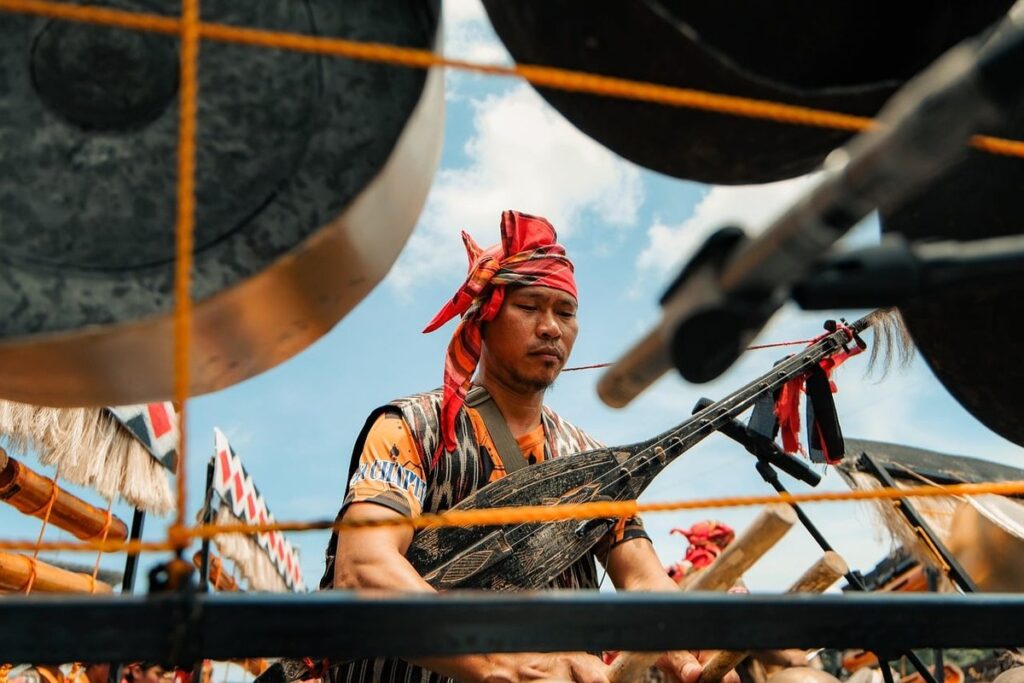
Planning the Perfect Cultural Heritage Month Celebration
To make your Cultural Heritage Month celebration truly unforgettable, it’s essential to plan ahead and choose events and activities that reflect your heritage and community’s unique traditions.
Defining the Theme and Purpose
Defining the theme and purpose of your Cultural Heritage Month celebration is crucial in setting the tone for a successful event. It serves as a foundation for your planning process, guiding the activities, and events you organize. By clearly defining the theme and purpose, you can focus on the specific aspects of your cultural heritage that you want to highlight.
To explore the importance of cultural heritage month, consider the following: it provides a platform for communities to come together and celebrate their shared history and traditions. It also fosters appreciation for diverse cultures, promoting cross-cultural understanding and exchange. A well-defined theme and purpose can help you tailor your events and activities to meet the specific needs and interests of your community.
When defining your theme and purpose, consider the following key questions: What aspect of your cultural heritage do you want to focus on? What message do you want to convey to your community? What goals do you want to achieve through your celebration? Answering these questions will help you create a clear and focused plan, ensuring that your Cultural Heritage Month celebration is a meaningful and engaging experience for all participants.
Researching Relevant Holidays and Observances
To create a meaningful and culturally relevant celebration, it’s essential to research and incorporate holidays and observances that align with the month’s theme. Begin by identifying key dates and events that hold significance to your community’s cultural heritage. Some examples include Native American Heritage Day, Filipino American History Month, and Black History Month.
Research the history and significance of each holiday or observance, taking note of cultural practices and traditions associated with them. For instance, during Hispanic Heritage Month, many communities come together to celebrate with music, dance, and traditional food. Similarly, during Asian American and Pacific Islander Heritage Month, events often focus on promoting cultural awareness and education.
Incorporating these holidays and observances into your celebration will not only add depth and meaning but also foster a sense of connection and inclusivity among participants. To get started, consult resources such as the US Census Bureau’s list of national observances and the National Endowment for the Arts’ cultural heritage calendar. These tools will provide you with a wealth of information to help you plan a celebration that honors and celebrates your community’s rich cultural heritage.
Setting Goals and Objectives
Clearly defining your goals and objectives is crucial for a successful Cultural Heritage Month celebration. When setting these, consider what you want to achieve and how you will measure success. Ask yourself: What specific outcomes do you hope to accomplish? Are you looking to increase community engagement, promote cultural awareness, or showcase local talent? Be specific and focus on a few key objectives rather than trying to tackle too many.
To make your goals and objectives concrete, try using the SMART framework. This stands for Specific, Measurable, Achievable, Relevant, and Time-bound. For instance, “Increase community participation in the cultural heritage celebration by 20% within the next six weeks” is a SMART goal. It’s specific, measurable, achievable, relevant, and time-bound.
Consider how you will measure progress and success. Will you track attendance numbers, social media engagement, or feedback from participants? Establishing clear metrics will help you evaluate the effectiveness of your celebration and make adjustments for future events. Remember to review and revise your goals and objectives regularly to ensure they remain relevant and achievable. By doing so, you’ll be able to celebrate your successes and learn from your challenges.
Activities and Events for Cultural Heritage Month
Cultural Heritage Month is a time to come together and celebrate the rich traditions and customs that make our communities unique. Here are some fun activities and events to get you started.
Traditional Dance and Music Performances
Traditional dance and music performances are a great way to celebrate the rich cultural heritage of different communities. To organize a successful event, consider partnering with local cultural organizations or dance troupes that specialize in traditional performances. You can also reach out to local schools, community centers, or churches to see if they have any connections with cultural groups.
When planning the performances, think about the specific themes and cultures you want to highlight. For example, you could have a traditional African dance troupe perform, or a mariachi band play Mexican music. Consider also inviting local musicians or dancers to share their own cultural traditions.
Make sure to promote the event through local media outlets, social media, and community newsletters to attract a diverse audience. You can also offer workshops or lessons before the performances to give attendees a chance to learn some traditional dances or instruments. By showcasing the beauty and diversity of different cultures, you can create a truly memorable and inclusive experience for everyone involved.
Cultural Food Festivals
Host cultural food festivals that feature traditional cuisine from various cultures, promoting cross-cultural understanding and appreciation. This can be achieved by inviting chefs and food vendors from diverse cultural backgrounds to share their recipes and cooking techniques. You can also incorporate traditional music and dance performances to create a festive atmosphere. Consider partnering with local restaurants, food trucks, or cultural organizations to make the event more accessible and appealing to a wider audience.
Some essential elements to include in your cultural food festival are:
- A variety of traditional cuisine from different cultures, such as African jollof rice, Mexican tacos, or Indian curries
- A designated area for food vendors to showcase their products and cooking techniques
- A stage for traditional music and dance performances
- Educational workshops or demonstrations on cooking techniques and ingredients
- A photo booth or social media station to encourage attendees to share their experiences and photos on social media
By hosting a cultural food festival, you can foster cross-cultural understanding and appreciation while celebrating the rich culinary heritage of different cultures. This event can also serve as a platform for cultural exchange and education, promoting diversity and inclusivity in your community.
Art and Craft Workshops
Art and craft workshops are an excellent way to engage participants with cultural heritage in a hands-on manner. These workshops can focus on traditional techniques and skills that have been passed down through generations, such as woodworking, textiles, or pottery. By teaching participants how to create traditional crafts, you’re not only preserving cultural heritage but also providing a tangible connection to the past.
Consider partnering with local artisans or cultural experts to lead the workshops. This will not only add authenticity to the experience but also provide an opportunity for participants to learn from the masters. You can also include demonstrations or exhibitions of traditional crafts to inspire participants and provide a sense of context.
Some possible art and craft workshops for Cultural Heritage Month include:
- Traditional basket-weaving using natural materials
- Handmade paper-making using plant fibers
- Woodcarving using traditional tools and techniques
- Embroidery or quilting using traditional patterns and designs
When planning these workshops, be sure to provide participants with the necessary materials and equipment. You may also want to consider offering a take-home project or a small keepsake to commemorate their participation. By incorporating hands-on activities like art and craft workshops, you can make Cultural Heritage Month a truly immersive and engaging experience for participants.
Incorporating Technology and Social Media
To make the most of Cultural Heritage Month, consider incorporating digital tools and social media platforms to reach a wider audience and engage with your community more effectively.
Creating Engaging Content
When developing social media campaigns for Cultural Heritage Month, it’s essential to create engaging content that showcases the rich traditions and customs of your community. This can be achieved through a mix of visual and written content, including videos, images, and blog posts.
Start by creating short, informative videos that highlight the history and significance of your cultural heritage. Use a mix of animation, interviews, and archival footage to bring your story to life. For example, you could create a video showcasing the traditional music and dance of a specific region, or highlighting the significance of a particular cultural holiday.
Complement your videos with high-quality images and infographics that illustrate the traditions and customs of your community. Use social media platforms like Instagram and Facebook to share these visuals, and consider creating a dedicated Pinterest board for your campaign. When it comes to blog posts, focus on sharing personal stories and anecdotes that highlight the importance of cultural heritage in your community.
Utilizing Digital Platforms
Virtual reality experiences can transport viewers into the heart of a cultural heritage site, allowing them to explore ancient ruins, historic landmarks, or traditional villages in a way that’s not possible in person. Online exhibitions, on the other hand, can showcase artifacts and artworks from around the world, providing a unique opportunity for people to engage with cultural heritage from the comfort of their own homes.
When selecting digital platforms, consider the format and medium that best suits your content. For example, a 360-degree video tour of a cultural site might be more effective than a static image gallery. You can also leverage social media platforms to share snippets of digital content, creating a sense of anticipation and encouraging viewers to explore more.
Some popular digital platforms for showcasing cultural heritage include:
- Google Arts & Culture: A platform that partners with museums and cultural institutions to create virtual exhibitions and experiences.
- YouTube 360: A platform for creating and sharing 360-degree videos.
- Facebook 360: A feature that allows creators to upload and share 360-degree photos and videos.
Social Media Challenges
To encourage users to share their own cultural heritage stories and traditions, launch social media challenges that spark curiosity and creativity. Start by asking users to share a personal anecdote or family recipe that reflects their cultural background. For example, “Share a story about a traditional holiday or celebration from your childhood” or “Post a photo of your favorite family recipe and tell us where it comes from.” You can also ask users to share a video or audio clip of a traditional dance, song, or music performance from their culture.
Another idea is to create a “Then and Now” challenge, where users share a photo or video of a traditional practice or object from their culture, and explain how it’s still relevant today. This can help users connect with their heritage in a modern context. To make it more engaging, consider offering prizes or recognition for the most creative or heartfelt submissions. Be sure to clearly outline the challenge’s rules and guidelines, and provide a dedicated hashtag for users to share their posts. This will help you track submissions and encourage users to participate in the conversation.
Engaging the Community
To truly celebrate Cultural Heritage Month, connecting with your community is crucial, so let’s talk about how to engage with local organizations and cultural groups.
Partnering with Local Organizations
Partnering with local organizations is a great way to amplify the impact of Cultural Heritage Month. Consider collaborating with museums, cultural centers, and other organizations that share your commitment to celebrating diverse cultures. These partnerships can help you reach a wider audience, tap into their resources, and create more engaging events.
Start by identifying organizations that align with your theme and goals. Look for those that have experience hosting cultural events, have a strong track record of community engagement, and can provide valuable expertise and connections. Some examples of potential partners include:
- Local art museums that can provide space for exhibitions and workshops
- Cultural centers that can offer resources for language and dance classes
- Community organizations that have established relationships with local artists and performers
When partnering with local organizations, be clear about your expectations and goals. Discuss how you can work together to create engaging events and activities, and what resources you can share. For example, you might ask a local museum to provide exhibition space in exchange for promoting their collections and events through your social media channels.
Hosting Community Events
Hosting community events is a great way to bring people together and celebrate diversity. Consider organizing a parade that showcases traditional costumes, music, and dance from different cultures. You can also host a cultural fair with vendors selling traditional food, crafts, and artwork. Alternatively, you could organize a festival with live music, dance performances, and cultural exhibitions.
When planning a community event, make sure to involve local community groups, cultural organizations, and businesses to ensure representation and participation. Be mindful of the dates and times of your event to avoid conflicts with existing celebrations or observances. Also, consider the logistics of the event, such as venue rental, sound equipment, and parking.
Here are some essential steps to consider when hosting a community event:
- Choose a theme that aligns with your cultural heritage month celebration
- Set a budget and plan accordingly
- Promote the event through social media, flyers, and local newspapers
- Ensure that the event is accessible and inclusive for all attendees
- Have a plan in place for inclement weather or last-minute cancellations
Encouraging Participation
Encouraging community members to participate in Cultural Heritage Month activities is crucial for creating a sense of ownership and fostering a deeper connection to the celebration. One effective strategy is to offer volunteer opportunities for community members to get involved in various aspects of the celebration, such as setting up cultural exhibits, assisting with food preparation, or participating in traditional dance performances.
Cultural exchange programs are another excellent way to encourage participation and engagement. These programs allow community members to learn about different cultures and traditions while sharing their own. For example, a cultural exchange program could be organized where local artists teach traditional crafts to community members, who can then showcase their work in a public exhibit.
To take it a step further, consider partnering with local organizations that serve diverse communities to amplify the reach and impact of the celebration. This could include schools, community centers, or places of worship. By working together, you can create a more inclusive and vibrant celebration that truly reflects the community’s cultural heritage.
Evaluating Success and Impact
As you celebrate Cultural Heritage Month, it’s essential to reflect on the impact of your efforts and measure their success. This means evaluating the effectiveness of your chosen activities and events.
Establishing Metrics for Success
When developing metrics for success, it’s essential to consider what aspects of your cultural heritage month celebration you want to measure. Start by defining what success means to your organization or community. Is it the number of attendees at events, the engagement on social media, or the feedback from participants? You may want to track a combination of these factors.
Some key metrics to consider include attendance numbers, social media engagement, and community feedback. You can track attendance by monitoring the number of people who RSVP to events or attend in-person. Social media engagement can be measured by likes, shares, and comments on your posts. Community feedback can be gathered through surveys or feedback forms at events. Be specific about what you’re measuring and set clear targets for each metric. For example, you might aim to increase social media engagement by 20% or receive 50% more feedback from participants. To make tracking easier, create a dashboard or spreadsheet to monitor your metrics over time. This will help you identify areas of success and areas for improvement, allowing you to adjust your strategy for future events.
Conducting Evaluations and Surveys
Conducting evaluations and surveys is a crucial step in assessing the impact of your cultural heritage month celebration and identifying areas for improvement. You should establish clear metrics for success at the beginning of the event, such as attendance numbers, social media engagement, or participant feedback. These metrics will serve as a benchmark for evaluating the event’s overall success.
To conduct effective evaluations and surveys, consider the following:
- Create a survey that targets specific demographics, such as attendees, participants, or staff, to gather diverse perspectives.
- Use open-ended questions to collect qualitative feedback and encourage respondents to share their thoughts and suggestions.
- Consider partnering with local organizations or academic institutions to conduct more in-depth evaluations and gain a deeper understanding of the event’s impact.
- Analyze the data collected and use it to inform future event planning, identifying areas that require improvement and those that are working well.
For example, if you noticed a significant increase in social media engagement during the event, you could use this data to inform future marketing strategies. Similarly, if attendees provided feedback on the lack of diversity in programming, you could use this information to plan more inclusive events in the future. By conducting thorough evaluations and surveys, you can refine your approach and create more effective cultural heritage month celebrations.
Celebrating Successes and Challenges
Documenting successes and challenges is crucial for refining and improving future cultural heritage month celebrations. This process helps identify what worked well and what didn’t, allowing you to make data-driven decisions for the next year’s events.
Start by tracking progress and outcomes throughout the celebration. Keep a record of attendance numbers, social media engagement, and feedback from attendees. This information will help you pinpoint successful activities and areas for improvement.
When evaluating successes, consider the following key factors: Was the event well-attended? Did attendees engage with the content and activities? Were there any unexpected outcomes or surprises? By examining these factors, you can determine what elements to repeat and build upon for future celebrations.
Conversely, when examining challenges, ask yourself: Were there any logistical issues or technical difficulties? Did attendees struggle to navigate the event or activities? Were there any missed opportunities or unmet expectations? Analyzing these challenges will help you identify areas for improvement and implement changes for the next year’s events.
By regularly reviewing and refining your cultural heritage month celebrations, you can ensure that your events continue to grow and thrive, ultimately deepening community engagement and appreciation for cultural heritage.
Frequently Asked Questions
Can I Celebrate Cultural Heritage Month on a Budget?
Yes, it’s possible to celebrate cultural heritage month on a budget by being creative with events and activities, repurposing materials, and involving the community in planning and execution. Consider hosting potluck events, DIY workshops, or online content sharing to minimize costs.
What if My Community Doesn’t Respond to the Celebration?
If your community doesn’t seem to be responding to the celebration, try to engage with local organizations, museums, or cultural centers to amplify the event’s impact. You can also try to identify and address specific challenges or concerns that might be holding people back from participating.
How Do I Measure the Success of Cultural Heritage Month?
To measure the success of cultural heritage month, develop metrics that align with your established goals and objectives. This could include attendance numbers, social media engagement, community feedback, or other relevant metrics. Use this data to evaluate the effectiveness of your celebration and make improvements for future events.
Can I Use the Same Activities for Multiple Years?
While it’s tempting to reuse successful activities, it’s generally a good idea to mix things up and incorporate new ideas, themes, and events each year. This can help keep the celebration fresh and engaging for attendees, as well as provide opportunities to learn from past successes and challenges.
What If I Missed the Traditional Timeframe for Celebrating Cultural Heritage Month?
If you missed the traditional timeframe for celebrating cultural heritage month, consider celebrating during a different time of year or incorporating elements of cultural heritage into existing community events. The goal is to promote cross-cultural understanding and appreciation, so be flexible and adapt your plans to fit your community’s needs and schedule.