
French culture is a rich tapestry woven from the threads of history, language, cuisine, art, and tradition. You may wonder how this unique blend has evolved over time, adapting to the changing world while remaining true to its heritage. The significance of French culture lies not only in its beauty but also in its ability to convey values, beliefs, and emotions. From the grand architecture of Paris to the romanticism of Claude Monet’s paintings, France’s art and literature have left an indelible mark on human history. But what about the challenges facing this timeless culture today? How does it navigate the complexities of globalization while staying authentic? In this article, we’ll explore the essence of French culture in depth, examining its history, evolution, and significance in the modern world, allowing you to understand and appreciate its impact on contemporary society.
Understanding French Culture and Its Significance
French culture is deeply rooted in history, art, and philosophy, shaping the country’s identity and values that are essential to understanding its language. As you learn French, getting familiar with these cultural nuances will enrich your experience.
Introduction to French Cultural Identity
French cultural identity is shaped by its history and geography. The country’s unique blend of Celtic, Roman, and Germanic influences has resulted in a distinct cultural heritage. This is evident in the French language, which has developed its own set of grammatical structures, vocabulary, and idiomatic expressions.
One key aspect of French culture is its emphasis on individualism and intellectualism. The concept of “joie de vivre” (the joy of living) captures the essence of French culture, where people prioritize pleasure, artistry, and intellectual pursuits over material possessions. This is reflected in the country’s rich literary and artistic heritage, from the works of Victor Hugo to the impressionist masterpieces of Claude Monet.
French cultural identity is also characterized by a strong sense of national pride and tradition. The French have a long history of preserving their cultural heritage, evident in the many museums, galleries, and historical landmarks that showcase their rich past. Understanding these unique aspects of French culture can help language learners appreciate the nuances of the French language and its idiomatic expressions.
Influence of History on Modern French Culture
French history has been a defining force in shaping its society and values. Events like the Renaissance and the Enlightenment have had a profound impact on French culture, leaving behind a legacy of artistic expression, intellectual curiosity, and democratic ideals. The Renaissance brought forth iconic figures such as Claude Monet and Pierre-Auguste Renoir, influencing the development of Impressionist art that still resonates in modern France.
The Enlightenment’s emphasis on reason and individual rights also had far-reaching consequences. Thinkers like Voltaire and Rousseau shaped French society’s values, emphasizing the importance of education and critical thinking. Their ideas continue to influence contemporary French culture, with many citizens prioritizing intellectual pursuits and social justice.
Colonialism has also left its mark on modern France. The legacy of colonial expansion continues to shape French identity, with ongoing debates about cultural appropriation, racism, and national pride. However, the country’s efforts to confront and reconcile its colonial past are an essential aspect of understanding contemporary French culture.
Key Aspects of French Culture
French culture is deeply rooted in its history, art, and cuisine, making it a fascinating aspect to explore. Let’s take a closer look at some essential elements that shape the country’s unique identity.
Cuisine: The Heart of French Culture
French cuisine is renowned for its rich flavors and exquisite presentation. At the heart of French culture, food plays a significant role in bringing people together and celebrating special occasions. Iconic dishes like Coq au Vin, a braised chicken cooked in red wine, and Bouillabaisse, a hearty fish stew originating from Marseille, are staples of French cuisine.
Wine is an integral part of French dining, with many meals beginning with an apéritif followed by a full-bodied red or crisp white wine. The country’s diverse regions each boast their own distinct wine styles, such as the rich Burgundy and the dry Bordeaux. Wine production is deeply ingrained in French culture, with some vineyards dating back centuries.
When dining out in France, be sure to order from the menu du jour, which typically features seasonal ingredients and local specialties. Don’t be afraid to ask your server for wine pairing recommendations – they’ll often suggest a wine that complements the dish perfectly. By embracing the rich culinary heritage of France, you can experience the true essence of French culture.
Art and Architecture: Reflections of French Heritage
French art and architecture are renowned for their elegance and sophistication, reflecting the country’s rich cultural heritage. The Mona Lisa, painted by Leonardo da Vinci in the early 16th century, is one of the most iconic works of art in history, captivating audiences with her enigmatic smile. This masterpiece is on display at the Louvre Museum in Paris, a testament to France’s commitment to preserving and showcasing its artistic treasures.
Notre-Dame Cathedral, another iconic landmark, has been a symbol of French heritage for over 850 years. This magnificent Gothic church was built in the 12th century and features stunning stained-glass windows, intricate carvings, and a soaring vaulted ceiling. Unfortunately, a devastating fire in 2019 severely damaged the cathedral, but restoration efforts are underway to preserve this national treasure.
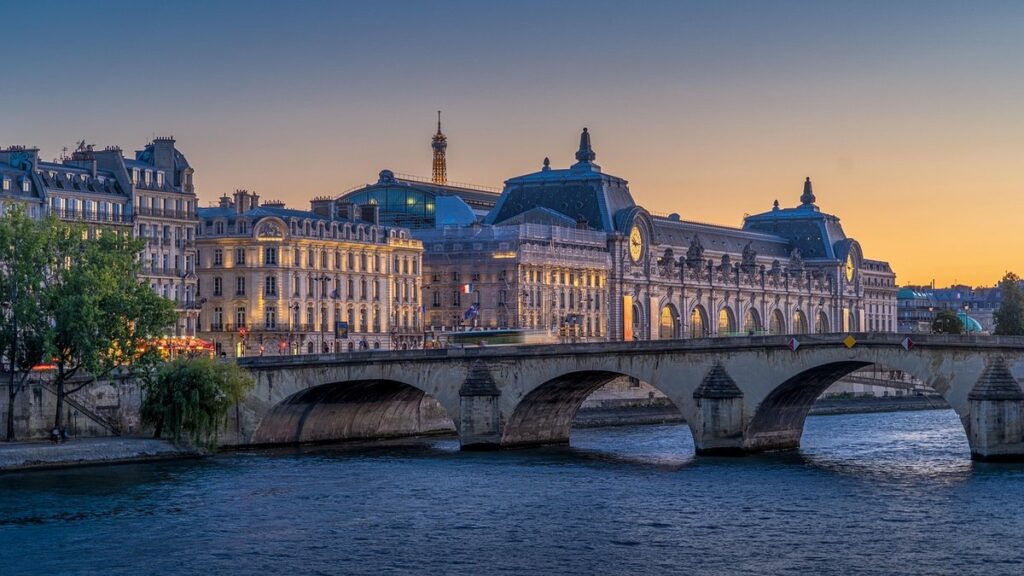
In addition to these iconic landmarks, France is home to numerous other artistic and architectural treasures, such as the Palace of Versailles, the Sainte-Chapelle, and the Musée d’Orsay. Visitors can explore these sites to gain a deeper understanding of French culture and its enduring legacy in art and architecture.
Language and Linguistics
As you explore the intricacies of French culture, understanding its language is crucial for grasping nuances that might otherwise go unnoticed. The linguistic landscape of France is deeply intertwined with its customs and traditions.
Grammar and Syntax: The Building Blocks of French Language
French grammar and syntax form the foundation of the language, with verb conjugations and sentence structure playing a crucial role. Verbs are conjugated to indicate tense, mood, and aspect, with irregularities that can be challenging for learners. For instance, the verb “aller” (to go) has several irregular forms, while verbs like “finir” (to finish) follow a more predictable pattern.
To master French sentence structure, it’s essential to understand the use of subordinating conjunctions and relative pronouns. These particles link clauses together, allowing for complex sentences that convey nuanced ideas. For example: “Je voulais aller au cinéma, mais la pluie m’a empêché” (I wanted to go to the cinema, but the rain prevented me).
A key aspect of French grammar is the distinction between formal and informal language. Formal usage is often reserved for written communication or when speaking with someone older than you, while informal language is used among friends and in casual settings. Recognizing this difference will help you use the correct verb conjugations and sentence structures.
In practical terms, focusing on verb conjugations and sentence structure will enable you to communicate effectively in French. Start by practicing common verb forms and then experiment with more complex sentences.
Vocabulary: Understanding Idioms and Expressions
French idioms and expressions are a vital part of everyday conversation, revealing the nuances of the culture. A common idiom like “tomber dans les pommes” (to fall into the apples) doesn’t translate directly to English; it means to faint or feel dizzy. Idioms like this help convey emotions and situations in a more subtle way.
Understanding these expressions requires immersion in French media, such as films, TV shows, and literature. You can also learn from language exchange programs, where you practice speaking with native speakers. To improve your comprehension, focus on context clues: pay attention to the situation and tone of voice when hearing an idiom used in conversation.
When using idioms yourself, be mindful of their cultural connotations. Idioms often stem from historical events or everyday life experiences specific to French culture. For example, “faire son beurre” (to make one’s butter) means to take care of oneself, but its origins date back to a time when making butter was a labor-intensive task. Using idioms thoughtfully will help you sound more natural in conversations and show appreciation for the language and culture.
Cultural Practices and Traditions
From attending a traditional French wedding to participating in a lively Bastille Day celebration, cultural practices play a significant role in shaping the French identity. These customs offer valuable insights into French values and way of life.
Celebrations and Festivals: A Reflection of French Culture
Bastille Day, celebrated on July 14th, is one of the most significant cultural celebrations in France. It commemorates the Storming of the Bastille, a pivotal event in the French Revolution that marked the beginning of the end of absolute monarchy and feudalism. The day is filled with grand military parades, fireworks displays, and patriotic events across the country.
The Fête de la Musique, held on June 21st, is another notable festival that showcases France’s rich musical heritage. On this day, music fills the streets as professional and amateur musicians perform on street corners, in parks, and other public spaces. This celebration of music is a unique aspect of French culture, reflecting the country’s deep appreciation for artistic expression.
Other significant cultural celebrations include the Cannes Film Festival, the Avignon Festival, and the Tour de France bicycle race. These events not only attract international attention but also reflect the country’s rich cultural diversity and its passion for arts and sports. For those interested in experiencing these festivals firsthand, planning ahead is essential, as accommodations and tickets often sell out quickly.
Etiquette and Social Norms: Understanding French Manners
Punctuality is highly valued in French culture, and showing respect for authority figures is essential. This is reflected in the way people greet their elders with a kiss on each cheek, as well as using formal titles such as “Monsieur” or “Madame” until specifically invited to use first names. When interacting with someone older or in a position of authority, it’s customary to wait for them to initiate conversation and to show deference through body language.
For example, when meeting someone for the first time, it’s common to shake hands firmly but not overly enthusiastically. In formal settings, such as business meetings or dinners, it’s essential to address people with their titles until you’re explicitly invited to use first names. This shows respect and helps establish a professional atmosphere.
In addition to these social norms, French culture places a strong emphasis on politeness and courtesy in everyday interactions. Using phrases like “bonjour” (good day) or “bonsoir” (good evening) when entering or leaving a store or restaurant is considered polite and respectful. By following these etiquette guidelines, you can build rapport with the locals and enhance your experience of French culture.
Impact of Globalization on French Culture
Globalization has had a profound effect on French culture, blending traditional values with modern influences and creating a unique cultural identity. This section will examine its impact in more detail.
Cultural Exchange and Fusion
French culture has long been known for its unique blend of tradition and innovation. The influence of globalization has taken this blending to new heights, leading to a rich cultural exchange with other nations. This exchange is evident in the cuisine, where traditional dishes like Coq au Vin have adapted to incorporate international flavors and ingredients.
For example, the fusion of French and Asian cuisines can be seen in the popularity of dishes such as duck confit with soy sauce or sushi-style foie gras. Similarly, in the world of art and architecture, French designers are incorporating global influences into their work, resulting in a unique blend of styles.
This cultural exchange is also reflected in the French language itself. As the country becomes increasingly interconnected with other nations, more and more words are being incorporated from other languages, particularly English. This has led to some interesting linguistic adaptations, such as the use of “selfie” (pronounced “seh-fee”) in everyday conversation.
In practical terms, this cultural exchange offers many opportunities for language learners and culture enthusiasts. By embracing and exploring these new influences, individuals can gain a deeper understanding of French culture and its place within a global context.
Challenges Facing French Culture in the Modern Era
French culture is facing a plethora of challenges in today’s globalized world. One significant issue is the homogenization of cultural identity due to the widespread use of social media platforms. These platforms often promote a standardized, Westernized version of what it means to be French, eroding the country’s unique cultural heritage. For instance, traditional French cuisine is being replaced by international fast-food chains and online recipes that lack authenticity.
The rise of new technologies has also disrupted traditional cultural practices. Online streaming services have made it easier for people to access foreign music, movies, and TV shows, potentially reducing demand for local content. Furthermore, the internet has created a culture of instant gratification, where people are more likely to seek immediate answers online rather than engage in face-to-face interactions or participate in traditional cultural activities.
To preserve French culture, it’s essential for individuals to be mindful of their consumption habits and actively seek out authentic experiences. This can involve supporting local businesses, attending cultural events, and engaging with traditional practices such as cooking French cuisine from scratch. By taking a more intentional approach to cultural consumption, we can help ensure that French culture remains vibrant and relevant in the face of globalization.
Frequently Asked Questions
How to Apply French Cultural Insights in My Own Life
Yes, by understanding and appreciating the core values of French culture, you can incorporate elements that resonate with your own lifestyle. For instance, embracing the importance of art and architecture can inspire a deeper appreciation for aesthetics in your daily life.
What If I’m Not Fluent in French – Can I Still Experience French Culture?
No, not having fluency in French is not a barrier to experiencing French culture. You can still appreciate its aspects through food, art, and traditions, which are universal languages that transcend linguistic boundaries. Immerse yourself in French cuisine, attend cultural festivals, or visit iconic landmarks to connect with the essence of French culture.
How Can I Use French Language and Culture for Business Purposes
By leveraging your understanding of French language and culture, you can tap into a rich market of Francophone countries. Developing business relationships with these nations requires an appreciation for their customs, values, and language nuances. This will enable you to build strong partnerships and navigate cultural differences effectively.
What Are the Key Takeaways from Understanding French Culture’s Impact on Language?
Understanding how French culture has influenced its language can help in learning the language more effectively. Recognizing that many French expressions have roots in historical events or cultural practices can enhance your appreciation for idiomatic expressions, enabling you to communicate more authentically and accurately.
Can I Mix and Match Elements from Different Cultures in My Personal or Professional Life
Yes, blending elements from various cultures is not only possible but also encouraged. The influence of globalization on French culture has led to the fusion of traditions, reflecting a dynamic and adaptive spirit that can inspire your own endeavors. By embracing cultural diversity, you can create unique experiences and products that celebrate the richness of different heritage.

