The intricate web of culture and tradition is woven into the fabric of our lives, influencing everything from the food we eat to the way we celebrate special occasions. You’ve probably noticed how certain customs and practices can evoke a strong sense of belonging and identity in individuals, yet also create barriers between different groups. What lies at the heart of this complex relationship between culture, tradition, and society? To understand the significance of preserving heritage in today’s globalized world, it’s essential to explore its historical context and evolution over time. As we delve into the impact of cultural exchange on modern-day communities, you’ll discover how embracing our shared human experiences can foster greater cross-cultural understanding and empathy. By exploring the intersection of culture, tradition, and society, this article will help you grasp why preserving heritage is crucial for building bridges between diverse groups.
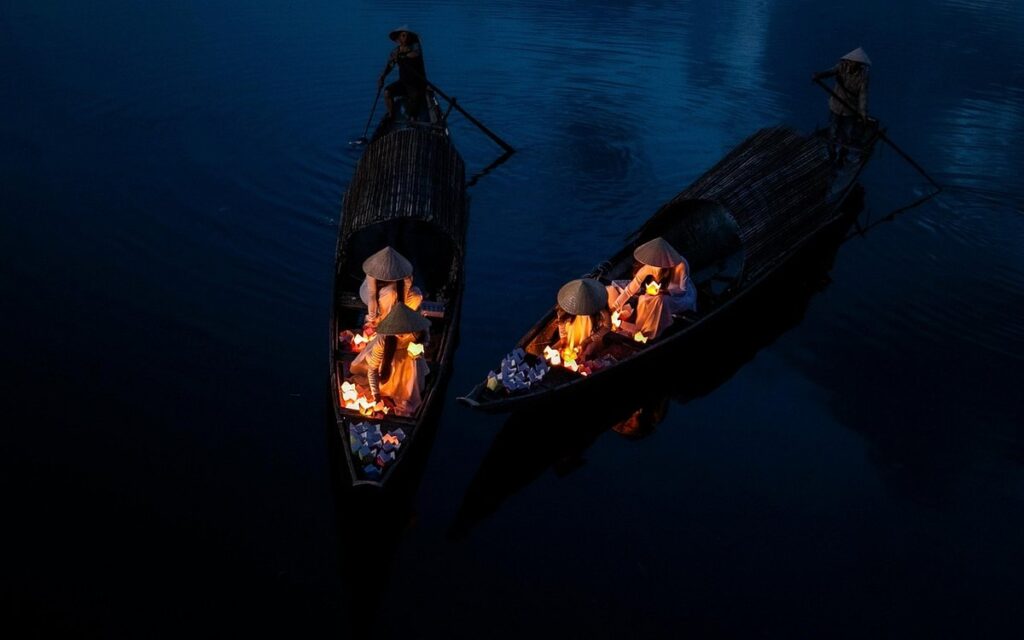
Defining Culture and Tradition
Culture is often defined by its shared values, customs, and practices passed down through generations, shaping a community’s identity. Understanding these foundational elements is crucial to appreciating their significance.
Understanding the Basics
Culture encompasses the unique practices, customs, values, and beliefs shared by a group of people. It’s shaped by factors such as geography, history, language, and social norms. Tradition, on the other hand, refers to specific practices or rituals that have been passed down through generations.
You can find examples of cultural practices in various forms around the world. For instance, Japanese tea ceremonies are steeped in tradition, requiring precise movements and attention to detail. In contrast, some Indigenous Australian cultures place great importance on storytelling through dance, music, and visual art. Similarly, Indian Diwali celebrations involve elaborate decorations, fireworks, and traditional sweets.
It’s essential to note that culture is not fixed; it evolves over time as communities adapt and respond to changing circumstances. Cultural practices can also be influenced by external factors such as colonialism or globalization. When exploring different cultures, try to look beyond surface-level differences and appreciate the complex historical contexts in which they developed.
To better understand cultural traditions, consider observing them firsthand through travel or attending cultural events. Be mindful of your own biases and assumptions, and engage with the local community respectfully. By doing so, you’ll gain a deeper appreciation for the rich diversity of human experience.
Historical Context of Cultural Development
Cultures have developed over time due to a complex array of factors. One key factor is migration, which has shaped cultures through the exchange of ideas and customs between different groups. The movement of people from one region to another brought new languages, traditions, and practices that blended with existing ones. For example, the ancient Silk Road facilitated trade and cultural exchange between China and the Mediterranean, resulting in the transfer of Buddhism from India to Central Asia.
Trade has also played a significant role in cultural development. As merchants traveled along established routes, they carried not only goods but also ideas and customs. The Roman Empire’s extensive trade network disseminated Latin language and culture throughout its territories. Conflict has similarly contributed to cultural evolution, as defeated groups often assimilated into the dominant culture or adopted elements of it.
The intersection of these factors – migration, trade, and conflict – has created a rich tapestry of cultures worldwide. Understanding this historical context is essential for appreciating the diversity of cultures today. By recognizing the complex influences that have shaped cultural development over time, we can better appreciate the resilience and adaptability of human societies.
Types of Cultures and Traditions
There are many fascinating types of cultures and traditions found around the world, each with its unique customs and practices that shape local identities. From music to food, let’s explore some examples.
Indigenous Cultures Around the World
Indigenous cultures around the world are as diverse as they are rich. In Australia, for example, the Aboriginal people have a deep connection to the land and their Dreamtime stories, which explain the creation of the universe and the laws that govern it. Similarly, in North America, Native American tribes like the Navajo and Cherokee have their own distinct languages, customs, and spiritual practices.
In Africa, indigenous cultures such as the Maasai in East Africa and the Dogon in West Africa continue to thrive despite colonialism and modernization. These communities often maintain strong ties to their ancestors and traditional ways of life. In South America, the Quechua people of Peru have preserved their language and cultural heritage despite centuries of Spanish colonization.
One key aspect of indigenous cultures is their deep connection to the natural environment. Many indigenous societies view themselves as part of a larger ecosystem, rather than separate from it. This perspective has much to teach us about living in harmony with nature. By learning about and appreciating these unique cultures, we can gain a deeper understanding of our shared human experience and the importance of preserving cultural diversity.
Cultural Exchange and Syncretism
Cultural exchange is a driving force behind the evolution of cultures and traditions. When different societies interact, they inevitably share ideas, customs, and practices, leading to the creation of new cultural expressions. This phenomenon can be observed throughout history, from the ancient trade routes that connected civilizations in Asia, Africa, and Europe to modern-day globalization.
The blending of cultures results in syncretism – the fusion of distinct traditions into a unique form. For example, African slaves brought to the Americas by European colonizers incorporated elements of their native culture with Christian and indigenous practices, giving rise to Vodou in Haiti. Similarly, Japanese culture has been influenced by Chinese and Korean traditions, reflected in its art, literature, and cuisine.
The process of cultural exchange is not limited to historical events; it continues today through migration, tourism, and digital communication. As people from diverse backgrounds interact and share their experiences, new cultural forms emerge. This dynamic exchange underscores the significance of understanding and appreciating cultural diversity, as it enriches our collective heritage and fosters global empathy.
The Role of Culture and Tradition in Modern Society
Culture and tradition continue to shape our lives, influencing everything from our daily routines to our most significant life choices. This section explores their evolving impact on modern society.
Preserving Heritage and Identity
Preserving cultural heritage is essential for maintaining personal and national identity. Cultural practices, traditions, and artifacts are not merely relics of the past but living expressions of a community’s values, history, and experiences. Losing these elements can erode the sense of belonging and shared identity among people.
One way to preserve heritage is through documentation and oral storytelling. Many communities have established programs to record elders’ stories, music, and dances. For instance, some indigenous groups have created digital archives of their languages, traditional songs, and ceremonies. These efforts not only safeguard cultural knowledge but also promote cross-generational understanding and connection.
Preservation initiatives can also take the form of community-led projects. In some cities, residents are working together to restore historic buildings, monuments, or public spaces that hold cultural significance. These revitalization efforts foster a sense of ownership and responsibility among locals, ensuring the continued relevance and importance of their heritage. By actively engaging with and preserving their cultural heritage, individuals and communities can maintain a strong sense of identity and connection to their roots.
Cultural Fusion and Adaptation
Cultural fusion occurs when two or more cultures interact and influence each other’s traditions. This process can happen through migration, trade, colonialism, or globalization. As a result of these interactions, new cultural practices emerge that blend elements from different sources.
A well-known example is the development of Creole culture in Louisiana, which combines African, European, and indigenous influences. Similarly, Japanese cuisine has been shaped by centuries-long exchange with China, resulting in unique dishes like teriyaki chicken.
When adapting to changing circumstances, cultures often adopt or modify existing practices to suit their new environment. For instance, traditional music and dance may incorporate modern instruments or styles, while still maintaining essential characteristics that define the cultural identity.
In some cases, fusion can lead to the creation of entirely new traditions. The blending of Asian and Latin American influences in Brazilian music is a notable example. By embracing these diverse cultural exchange processes, communities can create vibrant, inclusive environments that celebrate their shared heritage and promote cross-cultural understanding.
The Impact of Globalization on Culture and Tradition
As cultures blend and traditions evolve, it’s essential to consider how globalization affects the ways we think, feel, and express ourselves. Let’s examine the complex dynamics at play in this process.
Loss of Traditional Practices
Globalization has led to increased cultural exchange and diversity, but it also poses a significant threat to traditional practices. As people from different cultures interact and share their customs, languages, and values, local traditions are often sacrificed for the sake of uniformity. This phenomenon is particularly evident in urban areas where indigenous communities have been displaced by globalization-driven development projects.
For example, in many parts of Asia, traditional festivals and celebrations have given way to Western-style holidays like Christmas and Halloween. Similarly, in Africa, the influence of international brands has led to a decline in traditional craftsmanship and artisanal skills. The loss of these practices not only erodes cultural heritage but also deprives communities of their unique identity.
To mitigate this effect, it’s essential for individuals and governments to recognize the value of preserving traditional practices. This can be achieved by supporting local artisans, promoting cultural events, and incorporating traditional knowledge into educational curricula. By doing so, we can ensure that cultural diversity is preserved and celebrated, rather than being lost in the face of globalization.
Resilience and Revitalization of Cultural Heritage
Cultures around the world are finding innovative ways to revitalize their heritage despite global influences. For instance, Mexico’s vibrant textiles industry is experiencing a resurgence thanks to a renewed focus on traditional techniques and indigenous designs. Local artisans are now working together with international designers to create unique, handmade pieces that blend ancient methods with modern styles.
Similarly, Japan has launched initiatives to preserve its ancient art of woodblock printing. By combining traditional techniques with digital tools, artisans are able to create intricate prints while also reaching a wider audience. This blending of old and new helps to ensure the continued relevance of these cultural practices.
In some cases, revitalization efforts involve reclaiming forgotten traditions. In India, for example, there is a growing interest in preserving ancient folk music and dance forms. Community-based projects are being established to document and promote these traditional arts, often through collaborations with local schools and cultural institutions.
These examples illustrate the resilience of cultural heritage in the face of globalization. By embracing innovation while remaining true to their roots, communities can revitalize their traditions and ensure they remain relevant for generations to come.
The Significance of Intangible Cultural Heritage
Intangible cultural heritage is a vital part of our collective identity, shaping who we are and how we interact with one another. It’s the stories, music, and traditions that make us unique.
Defining Intangible Heritage
Intangible cultural heritage encompasses non-physical aspects of culture, including music, dance, and storytelling. These practices are often passed down through generations by word of mouth, making their preservation a challenge. Music is a significant component of intangible heritage, with various styles and instruments reflecting the unique identity of different cultures.
For example, the UNESCO-listed traditional music of the Maori people in New Zealand, such as the kapa haka, is an important part of their cultural heritage. Similarly, the classical Indian instrument, the sitar, has a rich history and cultural significance in India. Preserving these intangible aspects of culture requires documentation, recording, and education to ensure their continuation.
Storytelling is another essential element of intangible heritage, conveying historical events, myths, and legends that shape a community’s identity. This can be seen in the oral traditions of African cultures, where stories are passed down through generations by word of mouth. By recognizing and preserving these intangible aspects of culture, communities can maintain their cultural identity and promote cross-cultural understanding.
Examples of Preserved Intangible Heritage
Preservation efforts for intangible cultural heritage have been successful in various parts of the world. For instance, UNESCO’s Intangible Cultural Heritage List recognizes and protects unique traditions such as Japan’s Noh theatre, India’s Ramayana performances, and Mexico’s traditional pottery-making techniques.
In addition to these recognized practices, countries like Morocco and South Africa have implemented national programs to preserve their intangible cultural heritage. In Morocco, the government established a network of cultural centers to document and promote local music, dance, and storytelling traditions. Similarly, in South Africa, the National Heritage Resources Act protects traditional music, dance, and art forms.
In recent years, there has been an increased focus on preserving indigenous languages through community-led initiatives. For example, the Alaska Native Language Center works with indigenous communities to document and teach their native languages. This work not only helps preserve cultural heritage but also supports language revitalization efforts, which are essential for maintaining a community’s identity and connection to its ancestors.
These examples demonstrate the importance of collaborative efforts between governments, local communities, and international organizations in preserving intangible cultural heritage.
Conclusion: Navigating Cultural Diversity in a Globalized World
As we wrap up our exploration of culture and tradition, let’s consider the challenges and opportunities that arise from living in a globally interconnected world. This is where navigating cultural diversity becomes essential for building bridges between communities.
The Value of Cultural Exchange and Understanding
Cultural exchange and understanding are essential components of a harmonious and inclusive global community. By embracing diversity and preserving cultural heritage, we can foster tolerance, empathy, and mutual respect among nations and communities.
In an increasingly interconnected world, cross-cultural exchange offers numerous benefits, from economic growth to social cohesion. For instance, international collaborations in the arts, education, or business can create new opportunities for innovation and development. Moreover, engaging with diverse cultural practices and traditions enriches our personal lives, broadening our perspectives and challenging our assumptions.
However, preserving diversity is not a zero-sum game. Rather than threatening one culture’s identity, exchange and understanding can actually strengthen it by allowing communities to learn from and adapt to each other. For example, the Japanese art of origami has been influenced by traditional Chinese paper folding techniques, while African drumming styles have merged with Latin American rhythms.
Practically speaking, individuals can promote cultural exchange and understanding by seeking out diverse cultural events, trying new foods, or participating in language exchange programs. Community leaders can also facilitate cross-cultural dialogue through initiatives such as interfaith gatherings, cultural festivals, or educational workshops. By embracing our differences and celebrating our shared humanity, we can build bridges between cultures and create a more inclusive world.
Moreover, preserving intangible cultural heritage – including traditional music, dance, and storytelling – is crucial for maintaining community identity and promoting cross-cultural understanding. Efforts to document, preserve, and promote these practices can help ensure their continued relevance in the modern world.
Frequently Asked Questions
Can I apply traditional practices to modern-day problems?
Yes, many cultural traditions offer valuable insights and solutions for contemporary issues, such as environmental sustainability or social justice. For example, indigenous communities have developed unique approaches to managing resources that can be adapted for modern contexts.
How do I preserve intangible cultural heritage in my community?
Start by documenting and recording traditional practices, music, dance, and storytelling through photography, videography, or audio recordings. Engage with local experts and elders to ensure authenticity and accuracy. Collaborate with community members to develop a preservation plan that respects cultural ownership and promotes ongoing learning.
What if I’m not from the culture I want to learn about – can I still participate in cultural exchange?
Yes, but be respectful of the culture’s history and traditions. Research and understand the context before participating. Be mindful of power dynamics and avoid appropriation. Seek guidance from community members or cultural ambassadors who can help facilitate a meaningful exchange.
How do I balance preserving heritage with adapting to changing circumstances?
This is a delicate balance that requires ongoing dialogue and collaboration within communities. It’s essential to prioritize the needs and concerns of the culture being preserved, while also acknowledging the impact of globalization and other external factors. This may involve finding innovative solutions that respect cultural identity while embracing change.
Can preserving cultural heritage really contribute to cross-cultural understanding?
Yes, by engaging with and learning from diverse cultures, we can break down stereotypes and build bridges between communities. Preserving cultural heritage fosters empathy, promotes mutual respect, and encourages collaboration – all essential for navigating our increasingly interconnected world.