Tucked away in the rolling hills and picturesque valleys of Bohemia, Czech countryside towns are a treasure trove of authentic beauty. From the intricately carved facades of traditional houses to the vineyards that produce some of Europe’s finest wines, these hidden gems have been waiting to be discovered by intrepid travelers like you. The Czech Republic’s rural areas are more than just a pretty backdrop for your holiday; they’re a window into the country’s rich culture and history.
As you explore these charming towns, you’ll encounter a unique blend of traditional architecture, local cuisine, and wine production that’s steeped in heritage. You might be surprised to find that some of the most popular destinations in the Czech countryside are not only off the beaten path but also offer an unforgettable experience for visitors who take the time to explore them comfortably. By the end of this article, you’ll have insider tips on visiting these towns and navigating rural areas like a pro.

Exploring Traditional Architecture
As you wander through Czech countryside towns, you’ll notice the intricate details of traditional architecture that have been preserved over centuries. Let’s take a closer look at these charming buildings that tell a story of their own.
The Influence of Gothic and Baroque Styles
The Gothic and Baroque styles have had a profound influence on the traditional architecture of Czech countryside towns. One of the most distinctive features of these styles is the use of pointed arches, which can be seen in many churches and town halls throughout the region. These arches add a sense of verticality to buildings, making them appear more grand and imposing.
Ribbed vaults, another hallmark of Gothic architecture, were also widely adopted in Czech countryside towns. These intricate stone structures allowed for greater height and larger windows, flooding buildings with natural light. The result is often a sense of drama and majesty that belies the humble origins of these rural communities.
Ornate decorations, such as gilded frescoes and intricately carved wooden details, are also characteristic of Baroque architecture in the Czech countryside. These embellishments add a touch of opulence to buildings, reflecting the wealth and status of their patrons. Visitors can see many examples of these decorative features on display at churches like St. Bartholomew’s in Kutná Hora or the Chateau of Litoměřice.
Regional Variations in Building Design
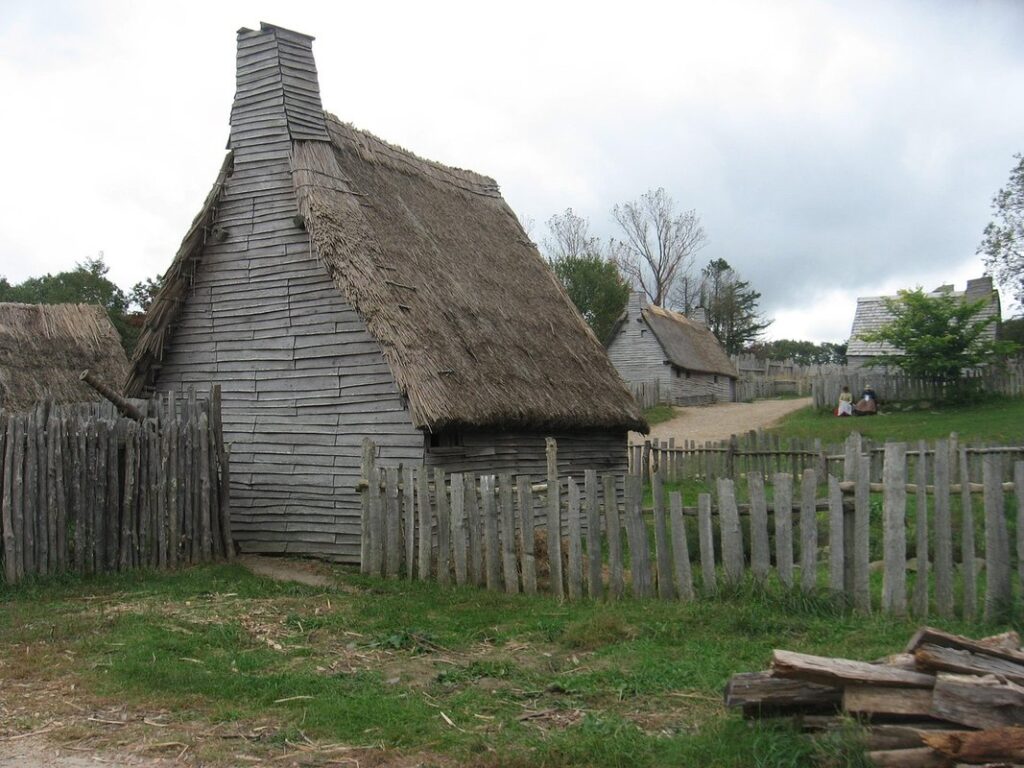
The Czech Republic’s diverse landscape and rich history have given rise to distinct regional variations in building design. In the north, near the Polish border, you’ll find sturdy wooden barns and farmhouses with steeply pitched roofs, designed to withstand harsh winters and heavy snowfall. The use of local materials like wood and thatch is common here, reflecting the region’s medieval roots.
In contrast, the south is characterized by grand Baroque châteaux and picturesque villages with half-timbered houses. The fertile Moravian Plains have inspired a more elegant and refined architectural style, often featuring ornate stone facades and ornamental gardens. The mountainous regions of Bohemia, meanwhile, boast more rustic and functional designs, with an emphasis on local stone and slate.
Regional variations can be seen in the use of traditional building techniques as well. For example, in the north, you’ll find thatched roofs being replaced by modern alternatives like metal sheets or asphalt shingles. In contrast, some villages in Moravia are working to preserve their historic buildings by using traditional materials and methods.
Some notable examples of regional variations can be seen in:
• The wooden churches of northern Bohemia
• The Baroque châteaux of southern Moravia
• The half-timbered houses of the Vysočina region
The Charm of Small Towns and Villages
As you wander through the Czech countryside, it’s the quaint towns and villages that reveal their hidden treasures, from cobblestone streets to historic landmarks. These charming enclaves are steeped in character and waiting to be explored.
A Guide to Visiting Popular Countryside Destinations
When visiting popular countryside destinations in the Czech Republic, consider the town of Český Krumlov as a prime example. This medieval town boasts stunning architecture, including its 13th-century castle complex and picturesque Old Town Square. The nearby village of Hluboká nad Vltavou is another gem worth exploring, with its breathtaking chateau and tranquil lake.
In the summer months, visit Kutná Hora’s Sedlec Ossuary for a unique experience – this chapel is decorated with thousands of human bones arranged in intricate designs. The town itself is also home to the impressive St. Barbara’s Church and the Royal Mint. In spring, witness the blooming cherry blossoms in the picturesque village of Náměšť nad Oslavou.
While visiting these towns, be sure to explore their local festivals and events. Kutná Hora hosts an annual medieval market, reenacting the town’s rich history.Český Krumlov, on the other hand, celebrates its Summer Festival with music performances and cultural activities. Familiarize yourself with the towns’ opening hours, ticket prices, and any specific rules or regulations before your visit to make the most of your trip.
Tips for Exploring Rural Areas Off the Beaten Path
When exploring rural areas off the beaten path in Czech countryside towns, it’s essential to be flexible and adaptable. Consider renting a car with good fuel efficiency, as driving through winding roads can be challenging. Alternatively, hire a local guide who knows the area well and can provide insights into hidden gems.
For accommodations, opt for family-run guesthouses or agritourism farms that offer immersive experiences and authentic local cuisine. These establishments often have a deeper connection to the community and can provide valuable recommendations on where to go and what to see.
To truly engage with local communities, try attending village festivals or markets, which usually take place during summer months. You can also participate in traditional activities like beekeeping or wine-making workshops, allowing you to learn about rural livelihoods firsthand. When interacting with locals, remember that basic Czech phrases like “Dobrý den” (hello) and “Děkuji” (thank you) go a long way in showing respect for their culture. Be prepared to engage in conversations, and don’t be afraid to ask questions – it’s often the best way to discover unique experiences and make meaningful connections with the people who call these towns home.
Cuisine and Wine of the Czech Countryside
As you wander through the picturesque villages, you’ll discover a culinary scene that’s as rich as the country’s history, where traditional dishes meet local wines in perfect harmony. Local specialties and wine pairings await your discovery.
Traditional Dishes and Ingredients
Czech cuisine is a reflection of the country’s rich history and its agricultural heritage. In the countryside, traditional dishes often feature hearty meats, dense breads, and abundant vegetables. Roast pork with crackling (šunkový řízek) remains a staple, typically served with boiled potatoes or dumplings (knedlíky). These dense, flour-based dumplings are often filled with meat, cheese, or fruit, and served alongside roasted poultry or game meats.
The use of local ingredients, such as fresh herbs from the nearby forests and rivers, is also characteristic of Czech cuisine. Soups like zálud (a type of borscht made with beets and sour cream) and gulášová polévka (a rich beef soup) are popular in rural areas, often served as a starter or light meal.
A key ingredient in many traditional Czech dishes is svíčková – marinated beef in a creamy sauce, typically served with dumplings. This dish originated in the 18th century and remains a beloved national specialty today. When trying local cuisine, be sure to try these classic dishes and experience the authentic flavors of the Czech countryside for yourself.
Wine Production in the Region
The Czech Republic is home to several wine-producing regions, each with its unique characteristics and specialties. The Moravian region is particularly notable for its white wines, such as Grüner Veltliner and Pinot Gris, which thrive in the warm and dry climate of the southern plains. The Sudeten Mountains, on the other hand, are famous for their robust red wines, including Blaufränkisch and Zweigelt.
One of the most exciting aspects of wine production in the Czech Republic is its traditional approach to winemaking. Many small-scale producers continue to use centuries-old methods, such as manual harvesting and fermentation in oak barrels. Visitors can experience this rich heritage firsthand by touring some of the region’s many cellars and vineyards. Some notable destinations include the Moravian Wine Road, which winds through picturesque villages and offers a glimpse into the lives of local winemakers.
When planning your wine-tasting itinerary, consider visiting during harvest season (usually September to November), when you can witness the traditional grape harvesting ceremonies and sample some of the freshest wines. Some cellars also offer tastings and tours year-round, so be sure to check ahead of time for schedules and availability.
Getting Around and Accommodations
Getting from one charming town to another is just as important as finding a cozy place to rest your head. We’ll cover transportation options and accommodation tips for exploring the Czech countryside towns.
Transportation Options for Rural Areas
Buses and trains are often the most affordable ways to travel between Czech countryside towns. The national bus company, RegioJet, operates a network of routes connecting rural areas with larger cities like Prague and Brno. Their buses are modern and comfortable, with on-board Wi-Fi and power outlets. You can book tickets online or at the station, but it’s essential to plan ahead as schedules may be limited.
For those who prefer more flexibility, car rentals are available in major towns and cities. This option allows you to create your own itinerary and explore the countryside at your own pace. Renting a car with GPS will make navigating rural roads easier, especially if you don’t speak Czech. However, driving in the Czech Republic can be challenging due to narrow roads and occasional potholes.
If you prefer not to drive or rent a car, consider using local taxi services or ride-hailing apps like Bolt. These options are more expensive than public transportation but offer door-to-door convenience. When traveling by bus or train, it’s always a good idea to validate your ticket before boarding and be prepared for occasional delays due to weather conditions or technical issues.
Choosing the Right Accommodation in the Countryside
When choosing an accommodation in a Czech countryside town or village, consider the unique atmosphere and character of each location. Guesthouses (pensión) often offer a more intimate experience, with family-run establishments providing warm hospitality and local insights. However, they may have limited room availability during peak season.
Hostels (hostel), on the other hand, cater to budget-conscious travelers, offering shared facilities and social spaces to meet fellow visitors. Some hostels are located in converted historic buildings, blending old charm with modern amenities.
Vacation rentals (pronájem bytu) provide flexibility and space for longer stays or group travel. These can range from cozy apartments to larger farmhouses, often situated amidst picturesque landscapes. Research the owner’s description and reviews to ensure the property meets your expectations.
Before booking, check the accommodation’s location in relation to local attractions, public transportation, and amenities like shops or restaurants. A short walk to town centers can be just as enjoyable as being immersed in nature.
History and Culture of Czech Countryside Towns
Czech countryside towns have a rich cultural heritage shaped by centuries-old traditions, from medieval architecture to folk art and music. You’ll discover how these customs continue to thrive in rural Czech communities today.
Medieval Origins and Historical Landmarks
The medieval origins of Czech countryside towns are reflected in their numerous castles, monasteries, and other historical landmarks. One notable example is the castle of Křivoklát, situated near the town of Křivoklát, which served as a royal residence during the 13th century. Today, it stands as an impressive ruin with well-preserved Gothic architecture.
Another significant landmark is the Stříbrná Skalice monastery, built in the 12th century and known for its Romanesque-style church. Visitors can explore the monastery’s grounds, which include a beautiful garden and a museum showcasing the history of the region. The town of Litoměřice boasts the impressive Litoměřice Castle, a Renaissance-style fortress that now houses a museum and art gallery.
These landmarks not only demonstrate the region’s rich medieval heritage but also provide insight into its complex history. Many of these sites have undergone restoration efforts to preserve their original architecture, making them accessible for visitors. While some may be in disrepair, others remain well-maintained, offering a glimpse into the past and allowing travelers to appreciate the region’s cultural significance.
Folk Traditions and Celebrations in Rural Communities
Czech countryside towns are steeped in tradition, and their folk celebrations are an integral part of community life. During the summer months, you can experience the vibrant atmosphere of traditional festivals like Colours of Ostrava, which features music, dance, and handicrafts from across the country. Local communities come together to showcase their unique heritage, with events such as folk dancing, singing, and craft demonstrations.
One of the most significant celebrations in rural Czech towns is the harvest festival, where locals gather to give thanks for the year’s bounty. Expect to see traditional costumes, delicious local cuisine, and plenty of music and dance. For example, in the town of Trhové Sviny, the annual Harvest Festival features a lively folk band, traditional dancers, and a craft market selling handmade goods.
In rural communities, these events serve as more than just entertainment – they’re essential to preserving local culture and traditions. By attending these celebrations, you can gain insight into the daily lives and customs of Czech country dwellers. Be sure to learn some basic Czech phrases, such as “Dobrý den” (good day) and “Ďakujeme” (thank you), to show respect for the locals and their way of life.
Practical Information for Visiting Czech Countryside Towns
When planning your trip to the Czech countryside, you’ll want to know how to get around, where to stay, and what to do in these charming towns. We’ve got the practical info you need to make the most of your visit.
Essential Language Phrases and Cultural Etiquette
When interacting with locals in Czech countryside towns, learning a few essential language phrases can go a long way. Start by mastering basic greetings like “Dobrý den” (good day) and “Dobrou noc” (good night). You’ll also want to know how to say “Prosím” (please), “Děkuji” (thank you), and “Omlouvám se” (excuse me).
Understanding cultural etiquette is equally important. In rural Czech communities, it’s customary to greet elderly people with a handshake or a kiss on the cheek. When visiting local shops or markets, be prepared to haggle over prices – it’s all part of the fun! However, avoid discussing politics or sensitive topics, as these can be polarizing in Czech culture.
Be mindful of environmental customs as well. In rural areas, waste management and recycling may not be as advanced as in cities, so be sure to dispose of trash properly and recycle when possible. Additionally, respect local traditions by avoiding disruptions during church services or village festivals. By being considerate of these cultural nuances, you’ll blend in seamlessly with the locals and have a more authentic experience exploring Czech countryside towns.
Safety Precautions for Travelers in Rural Areas
When exploring rural areas of the Czech countryside, it’s essential to be aware of the unique safety challenges you may face. Road safety is a primary concern, especially when driving through narrow village streets or encountering livestock on the roads. Be cautious and slow down, as many roads are unpaved and can be slippery, especially after rain.
In terms of crime prevention, petty theft and pickpocketing are rare in rural areas, but it’s still important to take common-sense precautions. Keep valuables secure, particularly when visiting crowded markets or festivals. Be mindful of your belongings at outdoor cafes and restaurants, as these can be targeted by opportunistic thieves.
In case of an emergency, locate the nearest police station (policie) and hospital (nemocnice). Many towns have a central square with a police station and other essential services. Keep a list of local phone numbers handy, including the emergency number 112 for medical emergencies and 158 for non-life-threatening situations.
Familiarize yourself with basic Czech phrases, such as “pomoc” (help) or “policie” (police), which can help you communicate in an emergency. Additionally, download a translation app on your phone to assist with language barriers. By being prepared and aware of your surroundings, you can minimize risks and enjoy the beauty of the Czech countryside towns.
Frequently Asked Questions
How Long Does It Take to Explore a Small Town in the Czech Countryside?
It’s possible to spend anywhere from a few hours to several days exploring each town, depending on your interests and pace. Consider allocating at least half a day to visit popular destinations like Český Krumlov or Telč.
What If I Want to Stay Off the Beaten Path and Explore Rural Areas Without Tourists?
While popular towns are certainly worth visiting, there’s plenty of charm in exploring rural areas off the beaten path. Research local transportation options, such as buses or bike rentals, to facilitate your journey. Engage with locals by trying their recommended routes and hidden gems.
Can I Use Public Transportation to Get Around Rural Areas Without a Car?
Public transportation is available in many Czech countryside towns and villages. Buses and trains connect major towns, while smaller communities often rely on local bus services or walking. You can also consider renting a bike for a more leisurely pace.
How Do I Support Local Communities When Visiting the Countryside?
Supporting local businesses and communities helps keep traditions alive. Look for locally-owned accommodations, restaurants, and shops that offer authentic experiences. Engage with locals by trying their recommended routes, participating in festivals, or learning traditional crafts.