The Czech Republic’s countryside is often overlooked by tourists flocking to its capital city, but this unassuming landscape holds secrets and surprises that are just waiting to be discovered. Rich in history and natural beauty, the Czech countryside has a unique charm that’s hard to find elsewhere. From the rolling hills of Bohemia to the scenic valleys of Moravia, each region offers a distinct cultural experience that’s steeped in tradition yet refreshingly authentic. If you’re looking for a truly immersive experience that will leave you with unforgettable memories, look no further than the Czech countryside. In this guide, we’ll take you on a journey through must-visit regions, activities, and accommodations that showcase the best of rural Czech Republic. By the time you finish reading, you’ll know exactly how to plan your trip and make the most of your time exploring the country’s hidden gems.

Introduction to the Czech Countryside
The Czech countryside is a treasure trove of untouched landscapes, quaint villages, and rich history waiting to be discovered by curious travelers. From rolling hills to dense forests.
Brief History and Cultural Significance
The countryside has been an integral part of Czech history, with its unique culture shaped by centuries of agriculture and rural living. The region’s rich past is evident in its well-preserved medieval towns and villages, where traditional architecture and folk art still thrive.
Agriculture has played a vital role in shaping the country’s identity, with many families maintaining their ancestral farms for generations. This strong connection to the land is reflected in the local cuisine, which emphasizes hearty dishes made from fresh produce and meats raised on family-owned farms.
One notable example of this cultural heritage is the traditional Czech village of Horažďovice, where visitors can experience authentic rural life by staying in a locally-run guesthouse or agritourism farm. By immersing themselves in the local culture, travelers can gain a deeper understanding of the region’s history and traditions.
The countryside has also been influenced by its strategic location along major trade routes, which has led to the exchange of ideas and cultures with neighboring countries over the centuries. This blend of influences is evident in the region’s unique folk architecture, which combines elements from Gothic, Renaissance, and Baroque styles.
Must-Visit Regions for Nature Lovers
The Czech Republic’s countryside boasts an impressive array of natural wonders, from rolling hills and verdant forests to crystal-clear lakes and picturesque villages. Nature lovers will want to explore several must-visit regions, each with its own unique charm.
One such destination is Bohemian Switzerland National Park, a protected landscape featuring towering sandstone cliffs, deep gorges, and serene valleys. Visitors can hike through the park’s trails, taking in breathtaking views of the Elbe River and surrounding countryside. Another lesser-known gem is the Kokořín Landscape Protected Area, which boasts a stunning array of flora and fauna, including rare bird species and ancient forests.
For those seeking more scenic vistas, the Šumava National Park is a must-visit, with its rolling hills, sparkling lakes, and picturesque villages. This region is particularly famous for its traditional folk architecture, where visitors can experience authentic Czech culture firsthand. Finally, consider exploring the Orlické Hory Mountains, known for their crystal-clear streams, lush meadows, and stunning rock formations.
When planning your visit to these regions, be sure to check park opening hours, trail conditions, and any necessary permits or guided tours. With its unique blend of natural beauty and cultural significance, the Czech Republic’s countryside is a nature lover’s paradise waiting to be explored.
Exploring the Countryside: Activities and Experiences
As you make your way through the Czech Republic’s picturesque countryside, the opportunities for adventure are endless. From hiking to horseback riding, we’ll explore the best outdoor activities to experience rural charm.
Hiking and Trekking Trails for All Levels
The Czech countryside boasts an extensive network of hiking trails suitable for all levels, from leisurely day hikes to more challenging multi-day treks. One popular choice is the Bohemian Switzerland National Park’s marked trails, which offer easy-to-moderate routes with stunning views of sandstone rock formations and picturesque villages.
For a more demanding experience, consider the Czech-Moravian Highlands’ extensive trail network. This region features well-marked paths that wind through forests, meadows, and along scenic ridges. Be prepared for rugged terrain, steep inclines, and potential weather changes. The highest peak in the Czech Republic, Sněžka (1,603m), is accessible via a moderate trek from the village of Špindlerův Mlýn.
When planning your hike, check trail conditions at local tourist information centers or online resources. Many trails are well-maintained and offer scenic highlights such as waterfalls, castles, and traditional villages. Some popular day hikes include:
- The Kamenna Hut Trail (3-4 hours) in the Bohemian Switzerland National Park
- The Orlík Dam Trail (4-5 hours) in the Šumava National Park
Cycling Through the Countryside
The Czech Republic’s countryside is a cyclist’s paradise, with its picturesque villages, rolling hills, and scenic routes. The country has invested heavily in developing its cycling infrastructure, making it an ideal destination for riders of all levels.
Bike-friendly roads are abundant, with many designated bike lanes and quiet country roads that offer stunning views of the surrounding landscape. Scenic routes like the Elbe Cycle Path, which runs along the Vltava River, and the Bohemian Switzerland Loop offer breathtaking scenery and a chance to experience the region’s natural beauty.
For families, consider the “Village Cycling Trail,” a 20-kilometer route that takes you through charming villages and past scenic lakes. For road bikers, the Czech Republic offers challenging routes like the “Karlštejn Loop,” which winds its way through picturesque countryside and features several steep climbs. Another option is to explore the region’s wine trails, where you can cycle through vineyards and sample some of the country’s famous wines.
Visiting Local Farms and Markets
Visiting local farms and markets is an excellent way to immerse yourself in traditional Czech culture. Many farms welcome visitors, offering a glimpse into rural life and the opportunity to try homemade produce and specialties. For instance, you might sample some fresh cheese at a family-owned dairy farm or taste the famous Czech honey at a apiary.
Some of these farms also offer farm stays or agritourism experiences, allowing you to participate in daily activities like milking cows or helping with harvests. This not only provides an authentic experience but also supports local communities and preserves traditional practices.
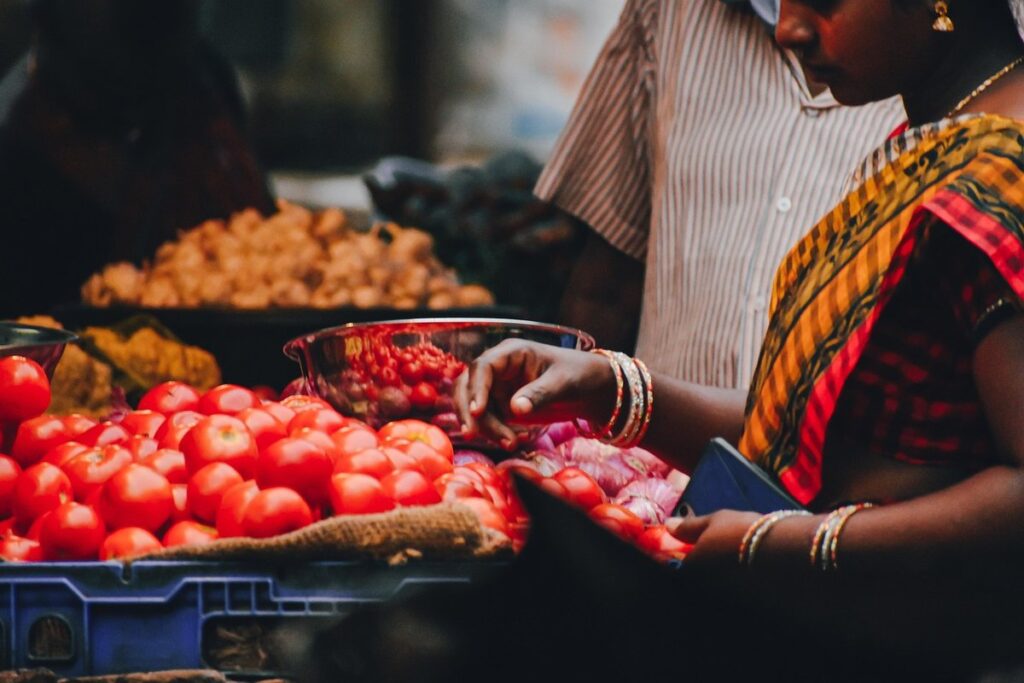
At markets, you’ll find vendors selling everything from fresh fruits and vegetables to handmade crafts and local wines. Be sure to try some of the traditional Czech pastries, such as trdelník or svickova, which are often sold at stalls alongside farm-fresh eggs and cheese. Some popular markets include the Prague Farmers’ Market and the Kutná Hora Market, which take place regularly throughout the summer months. When visiting local farms and markets, don’t be afraid to strike up a conversation with the vendors – they’re often happy to share stories about their products and traditions.
Accommodations and Food in the Countryside
When exploring the Czech Republic’s picturesque countryside, finding a cozy place to stay and enjoying local cuisine can be just as important as experiencing its rich history and natural beauty. We’ll take you through your options for accommodations and dining in the countryside.
Traditional Guesthouses and Agritourism
In the Czech countryside, you can find a range of unique accommodations that offer an authentic experience. Traditional guesthouses, known as hostely, are often family-run and provide a warm welcome to guests. These establishments usually have a few rooms or apartments, making them feel more like home than a large hotel. You might find amenities such as a garden, where you can sit and enjoy the peaceful surroundings, or a kitchenette where you can prepare your own meals.
Agritourism properties are another option, allowing you to experience rural life firsthand. These farms often offer self-catering apartments or rooms with shared facilities, giving you the chance to immerse yourself in the local culture. Some agritourism properties may have a swimming pool, petting zoo, or even a vineyard on site. Be sure to check what’s available when booking.
When choosing between these types of accommodations, consider what you want from your stay. If you prefer a more intimate atmosphere and are happy to cook for yourself, a guesthouse might be the better option. On the other hand, if you’re looking for a more hands-on experience and don’t mind sharing facilities, agritourism could be the way to go.
Farm-to-Table Experiences and Local Cuisine
The farm-to-table movement has gained significant traction in the Czech Republic, particularly in the countryside where it thrives on a deep-rooted tradition of local agriculture and community-based food production. At its core, farm-to-table cuisine is about serving traditional dishes made with fresh ingredients sourced directly from nearby farms.
Restaurants like Hospůdka pod Bradlem in the Bohemian Switzerland National Park are pioneering this movement, offering menus that change seasonally to reflect what’s available at local markets and farms. Chefs here take pride in creating meals that not only showcase the country’s culinary heritage but also highlight the unique flavors of each region.
When dining out, look for restaurants that proudly display their connection to local suppliers – often through partnerships with nearby farms or regular visits to regional markets. Menus might include specialties like roasted pork neck from a local breeder, stews made with fresh game meat from the surrounding forests, or traditional Czech desserts crafted with honey and fruit from regional orchards.
Some farm-to-table restaurants also offer behind-the-scenes tours of their kitchen gardens or nearby farms, allowing visitors to learn about the production process firsthand. By choosing these establishments, you’re not only indulging in authentic local cuisine but also supporting the community’s agricultural heritage.
Practical Information for Visiting the Czech Countryside
As you prepare for your trip, knowing what to expect and how to make the most of your time is essential. We’ll cover practical details on transportation, accommodations, and navigating rural areas.
Transportation Options: Trains, Buses, and Rental Cars
Getting around the Czech countryside is relatively easy, with several transportation options available. Trains and buses are excellent choices for those who prefer not to drive, as they offer a scenic route through the rolling hills and picturesque villages. You can catch trains from major cities like Prague or Brno, which connect to smaller towns and rural areas. Bus services, such as RegioJet and FlixBus, also operate in the region, often at affordable prices.
For those who prefer more flexibility, car rental services are widely available, with companies like Europcar and Hertz having branches in major towns. However, be aware that driving in rural areas can be challenging due to narrow roads and occasional road closures. To navigate these roads safely, consider renting a vehicle with a GPS system or download a mapping app on your phone.
If you do decide to drive, keep an eye out for pedestrian crossings and bike lanes, as they may not always be clearly marked. Additionally, be prepared for occasional traffic congestion during peak tourist season. With some planning and caution, however, driving through the Czech countryside can be a rewarding experience, offering breathtaking views of the landscape.
Safety Precautions and Emergency Contacts
When exploring the Czech countryside, it’s essential to be aware of potential safety concerns, particularly when venturing into rural areas. Wildlife encounters are a possibility, especially with animals such as wild boars and bears. Keep a safe distance from these creatures if you encounter them, and never approach or feed them.
In case of an emergency, knowing the right contacts can make all the difference. For medical emergencies, dial 155 for an ambulance or visit the nearest hospital. If you need assistance with a non-medical issue, contact the local police department (Polícia) at 158. You can also reach out to your hotel or accommodation provider for guidance on emergency services.
For more serious situations, such as natural disasters like floods or wildfires, stay informed through local news and weather reports. Your accommodation provider may also have a plan in place for emergencies. It’s crucial to familiarize yourself with the area’s emergency procedures before heading out to explore.
In case of an accident or injury while hiking or cycling, know that many rural areas have well-equipped medical facilities nearby. However, it’s always better to err on the side of caution and seek help if you’re unsure about your safety.
Tips for Exploring the Countryside Like a Local
As you venture into the Czech countryside, getting off the beaten path and discovering authentic local experiences is what makes traveling truly special. We’ll share insider knowledge on how to navigate like a native.
Insider Knowledge: Hidden Gems and Seasonal Activities
Locals will often share their favorite hidden gems with you, but it takes a bit of insider knowledge to truly experience them. One such gem is the village of Sedlec, famous for its stunning St. Clement’s Church, which boasts an impressive array of intricate stone and glass artwork. Visit in late spring when the cherry blossoms are in full bloom, and the air is filled with their sweet fragrance.
In summer, head to the picturesque town of Mlada Boleslav, where you can witness the traditional haymaking festival, a centuries-old practice that showcases the region’s rich agricultural heritage. Be sure to try some of the local delicacies, such as trdelník pastries and svickova beef dishes, which are often served at these seasonal events.
For those who enjoy outdoor activities, consider visiting the Bohemian Switzerland National Park during autumn, when the foliage is at its most vibrant. Take a guided hike through the park’s dense forests and enjoy breathtaking views of the surrounding landscape. Alternatively, visit the town of Kutna Hora in late December to experience the enchanting Christmas market, complete with local crafts, food stalls, and festive atmosphere.
Essential Gear and Equipment for Outdoor Enthusiasts
When venturing into the Czech countryside, outdoor enthusiasts should be prepared for unpredictable weather conditions and varying terrain. A waterproof jacket and pants are essential items to pack, as well as sturdy hiking boots with good grip to handle muddy trails and uneven paths.
In terms of clothing, layers are key in the Czech climate, which can change rapidly from sunshine to rain showers. Bring breathable base layers, insulating mid-layers, and a warm hat for colder days. Don’t forget a pair of comfortable walking socks and extra underwear, as you’ll likely be active and sweating during the day.
Accessories like a backpack with rain cover, a map and compass (or GPS device), and a basic first-aid kit are also crucial items to bring along. If planning to cycle through the countryside, consider packing a lightweight bike lock and a portable pump for tire inflation.
For specific activities like hiking or trekking, consider bringing a walking pole or trekking stick for added stability on uneven terrain. When visiting local farms and markets, be prepared for cobblestone streets and uneven surfaces by wearing sturdy shoes with good traction.
Conclusion: Why You Should Visit the Czech Republic’s Countryside
The Czech Republic’s countryside has stolen our hearts, but now it’s time to convince you that a visit is in order for yourself. We’ll outline just why this charming region deserves your attention.
Final Thoughts on a Hidden Gem
The Czech countryside is a treasure trove of natural beauty, rich culture, and warm hospitality, waiting to be discovered by travelers. Beyond its picturesque villages, rolling hills, and sparkling lakes, lies a wealth of experiences that will leave you enchanted and wanting more.
From the majestic forests of Bohemian Switzerland National Park to the tranquil landscapes of South Moravia’s vineyards, each region offers a unique glimpse into the country’s unspoiled nature. The picturesque village of Lednice is a must-visit, with its stunning chateau and beautiful gardens. For a taste of rural life, visit the local farms and markets, where you can sample fresh produce, artisanal cheeses, and traditional delicacies.
What sets the Czech countryside apart from other destinations is its warm hospitality. Locals are eager to share their knowledge and traditions with visitors, making you feel like part of the community. Don’t be surprised if you’re invited to join a family dinner or offered a taste of homemade beer.
To make the most of your visit, consider staying in one of the many traditional guesthouses or agritourism properties. These offer a chance to immerse yourself in rural life and enjoy farm-to-table experiences that showcase the region’s rich culinary heritage. With its unique blend of natural beauty, cultural richness, and warm hospitality, the Czech countryside is an often-overlooked gem waiting to be discovered.
In short, if you’re looking for a truly authentic experience off the beaten path, look no further than the Czech countryside. With its breathtaking landscapes, charming villages, and welcoming locals, it’s an unforgettable destination that will leave you with lifelong memories.
Frequently Asked Questions
Can I visit the Czech countryside with limited time?
Yes, it’s still possible to experience the beauty of the countryside even with just a few days. Focus on one or two must-visit regions and prioritize activities that can be completed in a short amount of time, such as hiking or visiting local farms.
How do I plan my itinerary for the Czech countryside?
Start by choosing your must-visit regions and activities, then research transportation options to get between destinations. Consider booking accommodations in advance, especially during peak travel seasons. Don’t overpack your schedule – leave some room for spontaneity and flexibility.
What if I encounter wildlife while hiking in the countryside?
While encounters with wildlife are rare, it’s essential to be prepared. Make noise while hiking to avoid startling animals, stay on marked trails, and keep a safe distance from any wild creatures you may see. In case of an emergency, contact local authorities or your accommodation provider for assistance.
Can I rent bicycles in the countryside?
Yes, many towns and villages offer bicycle rentals, often with guided tours available. Be sure to check the condition of the bike before renting and consider purchasing a map or guidebook to help navigate the area’s scenic routes.
Are there any specific safety precautions I should take when visiting local farms and markets?
When visiting local farms and markets, be respectful of farmers’ property and traditions. Avoid touching or handling farm equipment, and never attempt to feed animals without permission. Be mindful of your belongings, especially in crowded marketplaces, and keep an eye on children at all times.
Can I visit the countryside during winter months?
Yes, winter can be a wonderful time to explore the Czech countryside, with snow-covered landscapes and cozy farm stays offering unique experiences. However, some attractions and accommodations may be closed or have limited hours during this time, so plan ahead and research seasonal activities before your trip.