
Daily life in Egypt is a complex tapestry woven from threads of rich culture, vibrant traditions, and modern-day challenges. As you plan your trip to this fascinating country or simply want to understand its people, it’s essential to grasp the intricacies of Egyptian society. From the bustling streets of Cairo to the tranquil Nile River, daily life in Egypt is a symphony of contrasts – where ancient customs meet contemporary concerns. In this article, we’ll take you on a journey through various aspects of modern-day Egyptian life, exploring its culture and cuisine, education system, economy, and more. By the end of this comprehensive guide, you’ll have a deeper understanding of the triumphs and tribulations that shape daily life in Egypt, allowing you to appreciate the country’s unique essence and complexities.
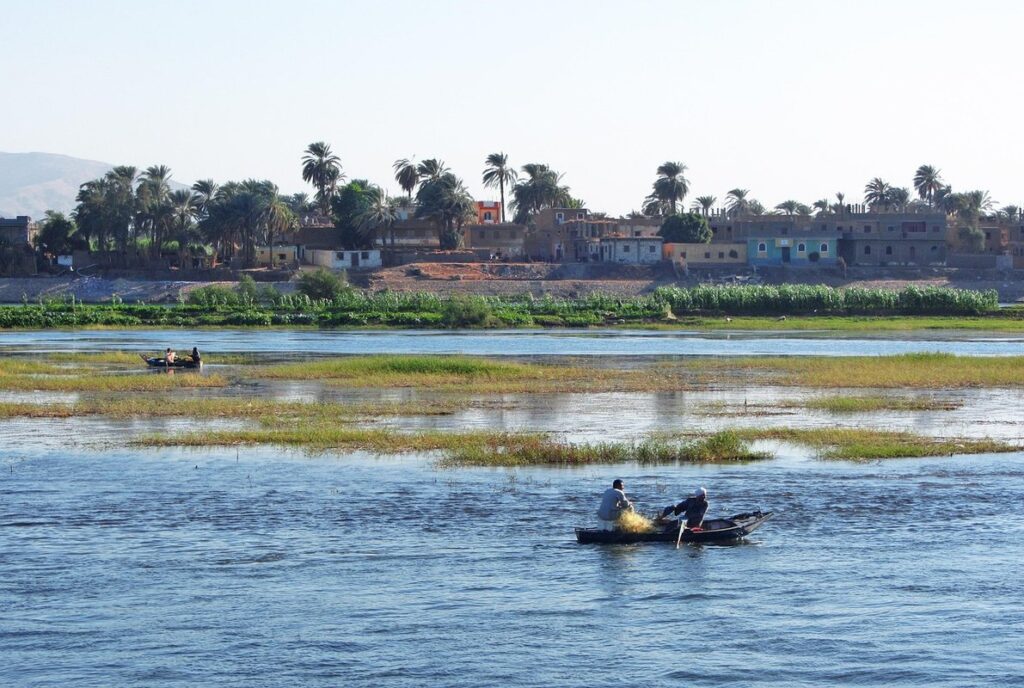
Introduction to Daily Life in Egypt
Daily life in Egypt is vastly different from what you may be used to, with unique customs and traditions shaping every aspect of daily routine. Understanding these nuances is essential for a smooth transition into Egyptian society.
Understanding Egyptian Culture and Society
Egyptian culture and society are deeply intertwined with daily life. Family values hold significant importance, with close-knit families often living together in extended households. Respect for elders is also a cornerstone of Egyptian social norms. Community structures play a vital role in everyday life, with neighbors often serving as surrogate family members.
In most Egyptian cities, the concept of “family” extends beyond immediate relatives to include close friends and neighbors. This sense of community is fostered through shared living spaces, such as apartment buildings and neighborhoods, where residents frequently gather for social events and celebrations. Understanding these cultural nuances can help visitors navigate everyday interactions with locals.
Egyptian society places great emphasis on hospitality, with guests often being treated like part of the family. Visitors are typically offered food, drink, and other forms of comfort upon arrival. Conversely, Egyptians also place a high value on respect for others’ personal space and property, which may be perceived as reserved or even aloof to outsiders.
When interacting with locals, it’s essential to remember that physical touch is generally reserved for immediate family members. Personal boundaries should be respected, especially in public spaces.
Overview of Modern-Day Egypt
Modern-day Egypt is a country of contrasts, where ancient traditions coexist with modern infrastructure. The 2011 revolution brought significant changes to the country’s politics, economy, and society. Egypt is now a presidential republic, with a president serving as both head of state and head of government. The current government has implemented various initiatives to stimulate economic growth, including investment in renewable energy and infrastructure development.
However, Egypt still faces many economic challenges, including high unemployment rates and poverty levels. A significant portion of the population relies on the informal economy, which can make it difficult for people to access formal employment opportunities. To address these issues, the government has implemented programs aimed at promoting entrepreneurship and small business development, such as providing training and financing support to start-ups.
In terms of infrastructure, Egypt has invested heavily in modernizing its transportation systems, including expanding metro lines in Cairo and upgrading highway networks. The country also boasts a well-developed telecommunications network, with high-speed internet access widely available. These advancements have improved the quality of life for many Egyptians, but there is still much work to be done to address the country’s economic and social challenges.
Food and Cuisine in Egyptian Daily Life
Mealtimes are a central part of daily life in Egypt, where traditional cuisine plays a significant role in social gatherings and family bonding. Egyptian food is heavily influenced by Mediterranean and Middle Eastern flavors.
Traditional Egyptian Meals and Recipes
Egyptian cuisine is a rich and diverse reflection of the country’s history and cultural heritage. Traditional meals often center around staple ingredients like rice, bread, and lentils, which are cooked in a variety of ways to create hearty dishes like koshari (a vegetarian pasta dish) and ful medames (stewed fava beans). These staples are frequently combined with meat or fish to make satisfying meals.
One essential technique in Egyptian cooking is the use of spices. Cumin, coriander, and cardamom are commonly used to add depth and warmth to dishes. Another key element is tahini, a creamy sesame paste that adds richness to sauces and dips. For those looking to try traditional recipes at home, a good starting point might be making mahshi (stuffed grape leaves) or molokhiya (a soup made from the leaves of the jute plant). These dishes require some preparation time but are relatively simple to prepare. To get started, one would need to obtain the necessary ingredients and spices, which can often be found at local Middle Eastern markets or online.
Street Food and Snacks in Egyptian Culture
Street food is an integral part of Egyptian culture, with vendors serving a variety of snacks and meals on nearly every street corner. Popular treats like koshari, falafel, and ta’ameyya are staples in many Egyptians’ diets. These dishes are often served from small carts or stalls, where vendors expertly prepare ingredients while interacting with customers.
In Egypt, social habits surrounding food consumption are deeply ingrained. Street food is not only a quick and affordable option but also an opportunity for people to gather and socialize. Children often accompany their parents to purchase snacks, learning about flavors and textures from a young age. Evening hours see an increase in street food vendors, as families take leisurely strolls through the neighborhood to enjoy meals together.
When exploring Egyptian cities, visitors can’t miss the vibrant street food scene. To experience it like a local, try visiting popular spots during peak hours or asking for recommendations from Egyptians about their favorite vendors and snacks. Be prepared for a sensory overload of sights, smells, and tastes that reflect the rich cultural heritage of Egypt’s daily life.
Daily Life in Egyptian Cities
As you walk through the bustling streets of Cairo, Alexandria, and other major cities in Egypt, you’re likely to be surrounded by a vibrant mix of cultures, traditions, and daily routines. This section will take a closer look at how Egyptians go about their daily lives in urban areas.
Urbanization and City Planning in Egypt
Egypt’s rapid urbanization has led to significant city planning challenges. Cairo and Alexandria are two of the most populous cities in Egypt, with over 20 million residents combined. The city of Cairo alone has seen a population growth rate of around 10% annually, putting immense pressure on infrastructure development.
City planners face difficulties due to a lack of master plans and zoning regulations. This is partly because older neighborhoods were not designed with urban planning in mind, leading to haphazard expansion. In contrast, newer areas like the New Administrative Capital are being built from scratch, incorporating modern design principles.
Urban congestion is a major issue, with narrow streets and limited public transportation options contributing to traffic jams. To address this, the government has introduced bus rapid transit systems and expanded bike lanes in some areas. However, these initiatives have been met with mixed success due to poor maintenance and inadequate public awareness campaigns.
In terms of infrastructure development, Egypt is investing heavily in new metro lines and road networks to alleviate congestion. The city’s old tram system has also seen a revival in recent years. Despite these efforts, urban planners must navigate complex relationships between government agencies, private developers, and local communities to ensure projects are implemented effectively.
Commuting and Transportation in Egyptian Cities
Egyptian cities have a mix of modern and traditional transportation systems. In Cairo, for example, you can use the metro system, which has three lines covering major areas. The Egyptian National Railways also connects Cairo to other cities, including Alexandria and Port Said. However, traffic congestion is a significant issue in many cities due to rapid urbanization and limited infrastructure development.
Commuters often rely on personal vehicles or taxis due to the unreliability of public transport. A car is considered a status symbol in Egypt, reflecting one’s wealth and social standing. Many people own more than one vehicle, with some even having drivers for their private cars. This not only contributes to traffic congestion but also exacerbates air pollution.
Public buses are another option, but they can be overcrowded and poorly maintained. Some cities have started introducing new transportation systems, such as the microbus system in Cairo, which offers a more affordable and efficient way to travel. Nevertheless, personal vehicle usage remains high, particularly among those who can afford it. This has significant implications for urban planning, air quality, and traffic management.
Education and Learning in Daily Life
Education plays a vital role in daily life in Egypt, where literacy rates are high and many people pursue higher education. Let’s take a closer look at how Egyptians value knowledge and lifelong learning.
Education System in Egypt: History and Current State
The education system in Egypt has a rich history dating back to ancient times, with significant milestones shaping its current state. The modern Egyptian education system was formalized during the British occupation in 1913, introducing Western-style primary and secondary education. This period also saw the establishment of Al-Azhar University, one of the oldest Islamic institutions of higher learning worldwide.
Egypt’s education sector has faced numerous challenges since gaining independence in 1922. One notable issue is the high dropout rate among rural students due to inadequate infrastructure and resources. To address this, the government has implemented initiatives such as the “Education for All” program, aiming to improve access to quality education for disadvantaged communities.
Today, Egypt’s education system consists of three main stages: primary (ages 6-12), preparatory (ages 12-15), and secondary (ages 15-18). The country has also seen a rise in private schools and universities, which offer alternative educational options. However, many students still face difficulties accessing quality education, particularly in rural areas. This includes limited access to technology, resources, and qualified teachers.
Homeschooling and Private Tutoring in Egypt
While traditional schooling is widespread in Egypt, an increasing number of families are opting for alternative educational paths. Homeschooling, in particular, has gained popularity in recent years due to its flexibility and potential for personalized learning. Some parents appreciate the ability to tailor their child’s education to their individual needs, interests, and learning style.
Private tutoring also remains a common choice for many Egyptian families. With a high emphasis on academic achievement, many students seek extra support outside of regular school hours. Private tutors can provide one-on-one attention, helping students catch up on difficult subjects or prepare for important exams. Some parents even hire tutors to give their children an edge in competitive fields like medicine and engineering.
However, homeschooling and private tutoring come with their own set of challenges. For instance, homeschooling may require significant parental investment in time, resources, and expertise. Private tutoring can also be expensive, making it inaccessible for many families. Nevertheless, some parents find that the benefits outweigh these costs, providing a more effective education for their children.
Healthcare and Wellness in Daily Life
When it comes to daily life in Egypt, maintaining a healthy balance between work, socializing, and personal wellness is crucial for overall happiness. This section will highlight some essential aspects of healthcare and wellness in Egyptian culture.
Access to Healthcare Services in Egypt
Egypt’s healthcare system is a complex network of government-run hospitals, private clinics, and community health centers. Hospital infrastructure varies significantly across different regions, with some cities having modern facilities equipped with advanced medical technology while others struggle to provide basic care. In Cairo, for instance, the Egyptian Ministry of Health operates several large hospitals, including Qasr al-Ainy University Hospital, which offers specialized services in areas like cardiology and oncology.
However, accessing quality healthcare often depends on one’s socio-economic status. Doctor-patient relationships can be challenging due to language barriers, cultural differences, or a lack of trust in the medical system. Some Egyptians opt for private healthcare, which is typically more expensive but provides better facilities and services. The Egyptian government has implemented several health insurance programs, including the National Health Insurance Law, to increase access to healthcare services.
When seeking medical attention, it’s essential to understand the different types of healthcare providers and their roles in the system. Government-run hospitals often have specialized departments for various conditions, while private clinics may offer more personalized care. Understanding these nuances can help individuals navigate Egypt’s complex healthcare landscape and make informed decisions about their health.
Traditional Medicine and Alternative Therapies in Egypt
In Egypt, traditional medicine and alternative therapies are deeply ingrained in daily life. Many people turn to these holistic approaches for preventive care, treatment of chronic conditions, and even spiritual growth. Herbal remedies are a common practice, with various plants used to treat ailments such as fever, digestive issues, and respiratory problems.
For example, the “karkade” plant is often consumed as a tea to alleviate stress and anxiety, while the “khilba” herb is used to treat skin conditions like acne and eczema. Spiritual healing, or “ruqya,” is also popular in Egypt, where Islamic prayers and recitations are believed to have therapeutic properties.
In addition to these practices, other alternative therapies like massage therapy and aromatherapy are gaining popularity, particularly in urban areas. Some Egyptians even combine traditional medicine with modern healthcare approaches, seeking a more holistic understanding of wellness.
Practitioners of traditional medicine often learn their trade through apprenticeships or family traditions, passing down knowledge from generation to generation. While there is no regulatory framework governing the practice of alternative therapies in Egypt, many people still rely on these methods for their health and well-being.
Economic Challenges and Daily Life
Economic instability can make a significant impact on daily life, affecting everything from food prices to job security. Let’s examine how economic challenges shape the everyday experiences of Egyptians.
Unemployment and Poverty in Modern-Day Egypt
Unemployment and poverty are pressing economic challenges faced by Egyptians. According to official statistics, the unemployment rate in Egypt has been consistently high, with around 10% of the workforce remaining jobless. This figure is even higher among young people, particularly those aged 20-24, where unemployment rates can reach up to 22%. Poverty levels are also a significant concern, with approximately 30% of the population living below the poverty line.
Income inequality is another pressing issue in Egypt. The country has one of the highest Gini coefficients globally, indicating a high level of income disparity between the rich and the poor. This is partly due to the concentration of wealth among a small elite and the limited access to education and job opportunities for low-income groups. Furthermore, many Egyptians struggle to make ends meet due to limited access to social services, including healthcare and education.
To put these numbers into perspective, consider the average monthly income in Egypt, which ranges from EGP 2,000-5,000 (approximately $120-$300 USD). This amount is barely sufficient for a family of four to cover basic expenses, let alone enjoy a decent standard of living. The economic challenges faced by Egyptians have significant implications for daily life, influencing everything from food security and housing affordability to access to education and healthcare.
Entrepreneurship and Small Business Development in Egypt
Egypt has a rich entrepreneurial spirit, with many success stories of small businesses and startups thriving in various sectors. One notable example is Mohamed Dawoud’s “Injaz” initiative, which provides vocational training to youth from underprivileged backgrounds, equipping them with skills to start their own enterprises. This model has been replicated in several other countries, showcasing Egypt’s potential for innovation and entrepreneurship.
However, the path to success is not without its challenges. Many entrepreneurs face obstacles such as limited access to finance, bureaucratic hurdles, and a lack of infrastructure support. For instance, obtaining licenses and permits can be a time-consuming process, which often requires navigating complex government offices and officialdom.
Despite these challenges, there are opportunities for small business growth and development in Egypt. The country has a growing middle class with increasing disposable income, creating a potential market for innovative products and services. Furthermore, the Egyptian government has implemented initiatives to support entrepreneurship, such as the “Egyptian Small and Medium Enterprise Development Organization” (ESMEDO), which provides training, funding, and networking opportunities for entrepreneurs.
Some key factors to consider when starting a business in Egypt include:
- Obtaining necessary licenses and permits
- Navigating bureaucratic processes
- Accessing finance and funding options
- Building a strong network of contacts and partners
Frequently Asked Questions
Can I easily find vegetarian and vegan options in Egyptian street food?
Yes, many vendors now offer vegetarian and vegan alternatives to traditional dishes, especially in tourist areas. However, it’s still essential to be mindful of cross-contamination with animal products.
How do Egyptians typically handle traffic congestion and long commutes in cities like Cairo and Alexandria?
Egyptians have developed strategies to cope with congested roads, such as planning journeys during off-peak hours, using public transport, or even walking or cycling when feasible. Many also use ride-hailing services or car-sharing apps.
What are some common mistakes foreigners make when trying to navigate the Egyptian healthcare system?
One common mistake is not having a local sponsor or health insurance, which can lead to difficulties accessing quality medical care. It’s crucial for expats and tourists to research their options carefully before seeking treatment.
Can I use English as a primary language when interacting with government officials, shopkeepers, and service providers in Egypt?
While many Egyptians speak some English, it’s not always the primary language used in daily interactions. Being familiar with basic Arabic phrases can go a long way in showing respect for local customs and improving communication.

