
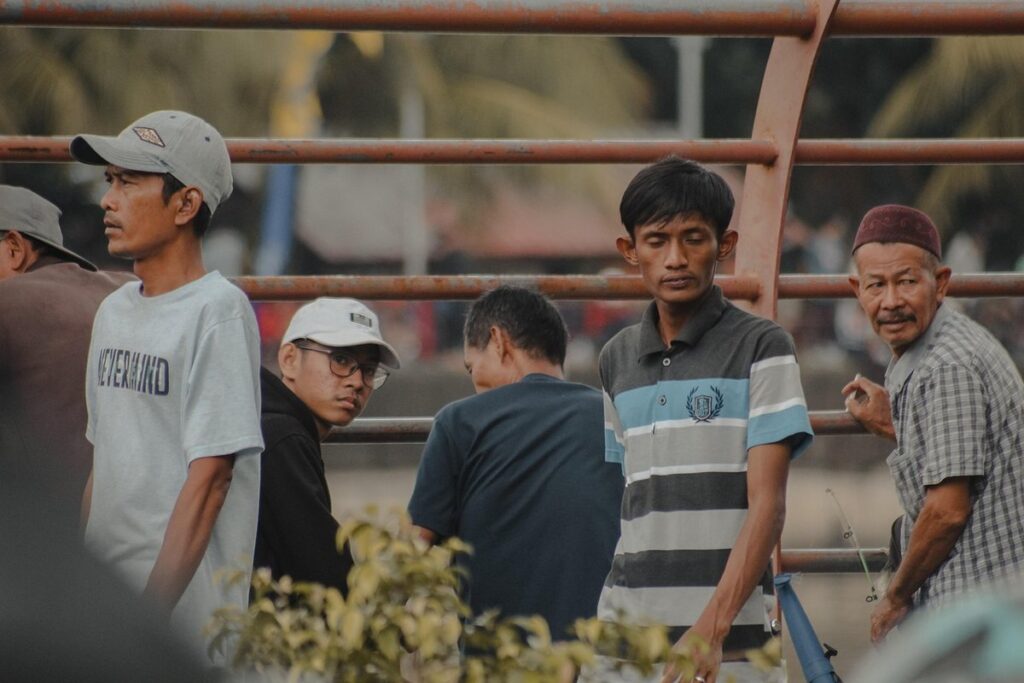
Indonesia is a country that seamlessly blends traditional practices with modern influences, creating a unique and vibrant culture that is worth experiencing firsthand. As you walk through the bustling streets of Jakarta, you’re surrounded by the sights and sounds of a country in constant motion. From the early morning call to prayer at the mosques to the lively night markets that pop up in the evenings, daily life in Indonesia is a sensory feast that is both familiar and exotic. As you explore the country’s vibrant streets and landscapes, you’ll discover the rich cultural heritage that underpins everything from the intricate batik designs to the delicious street food. In this article, you’ll learn about the traditional practices that shape daily life in Indonesia, as well as the modern influences that are transforming the country.
Culture and Traditions
Indonesia’s rich cultural heritage is a key part of daily life, with many unique traditions and customs still widely practiced today. From vibrant festivals to sacred rituals, you’ll experience a fascinating cultural landscape.
Understanding Indonesian Values
In Indonesian culture, family is highly revered and plays a central role in daily life. Respect for elders is deeply ingrained, with children often caring for their parents and grandparents well into old age. This is reflected in the concept of “gotong-royong,” or mutual help, where neighbors and community members work together to assist those in need.
Festivals like Galungan and Nyepi showcase the importance of family and community in Indonesian culture. Galungan is a Hindu holiday that celebrates the victory of dharma (righteousness) over adharma (wrongdoing), while Nyepi is a Balinese New Year celebration where locals remain indoors for 24 hours to reflect and recharge. During these festivals, you’ll notice the strong sense of camaraderie and shared responsibility that exists within Indonesian communities.
When interacting with locals, remember to show respect to elders, particularly in rural areas where tradition is still deeply ingrained. A simple “terima kasih” (thank you) or “saya menghormati” (I respect) can go a long way in building trust and rapport. By understanding and embracing these values, you’ll be better equipped to navigate daily life in Indonesia and appreciate the warm hospitality of the Indonesian people.
Traditional Practices and Celebrations
Indonesia’s rich cultural heritage is reflected in its diverse traditional practices and celebrations. The country’s many ethnic groups have developed unique customs and traditions that are an integral part of daily life. In Jakarta, the Betawi culture is known for its vibrant traditions, such as the Betawi wedding ceremony, which involves elaborate rituals and music. In West Sumatra, the Minangkabau tradition is renowned for its matrilineal society, where women hold significant social and economic power. The Dayak culture in Kalimantan is another notable example, with its distinctive longhouses and traditional dances.
In addition to these cultural practices, Indonesia also celebrates numerous festivals and holidays throughout the year. For instance, the Hindu festival of Galungan is celebrated with great enthusiasm in Bali, while the Islamic holiday of Eid al-Fitr is observed by the country’s large Muslim population. Visitors can experience these celebrations firsthand by attending local festivals or attending a traditional wedding ceremony. To fully appreciate Indonesia’s cultural diversity, it’s essential to immerse oneself in local customs and traditions. By doing so, travelers can gain a deeper understanding of the country’s rich cultural heritage and develop a greater appreciation for the daily lives of Indonesians.
Modern Cultural Influences
Modern cultural influences have significantly impacted traditional practices and celebrations in Indonesia. Globalization has introduced new ideas and customs, which have blended with existing ones. For instance, the traditional wayang kulit (shadow puppet) performance has incorporated modern storytelling techniques and themes, making it more appealing to younger audiences. Urbanization has also led to the decline of traditional celebrations, such as the Pasola bull racing festival in Sumba, as people move to cities in search of better job opportunities.
Social media has further changed the way people celebrate and engage with cultural events. Many Indonesians now use platforms like Instagram and YouTube to share their cultural experiences, which has created a new sense of community and nostalgia for traditional practices. However, this has also led to the commercialization of cultural events, where some festivals have become more about generating revenue than preserving traditional customs.
In cities like Jakarta and Bali, you can see a mix of traditional and modern cultural influences. Traditional markets now sell modern clothing and accessories alongside traditional crafts, while street food vendors serve a fusion of local and international cuisine.
Food and Drink
Indonesian cuisine is a melting pot of flavors, with dishes like nasi goreng and gado-gado being staples in daily life. Exploring the local food scene is a must when living in Indonesia.
Indonesian Cuisine
Indonesian cuisine is a vibrant reflection of the country’s rich cultural diversity. With over 17,000 islands and more than 300 ethnic groups, the culinary landscape is incredibly varied. Nasi goreng, a fried rice dish, is a popular staple that can be found in almost every warung (food stall) and restaurant. Gado-gado, a refreshing salad of mixed vegetables, tofu, and tempeh, is another beloved dish that showcases the country’s love for fresh ingredients.
For those looking to try authentic Indonesian cuisine, consider visiting a warung or a traditional restaurant in a local neighborhood. Nasi padang, a spicy rice dish from the province of Padang, is a must-try for adventurous eaters. When ordering, don’t be afraid to ask for recommendations from the locals or the restaurant staff. They will often suggest the freshest catches of the day or the most popular dishes.
Some essential dishes to try when in Indonesia include sate (grilled meat skewers), gado-gado, nasi goreng, and nasi padang. Don’t forget to wash it all down with a glass of fresh coconut water or a glass of young coconut. With its bold flavors and aromatic spices, Indonesian cuisine is a true reflection of the country’s warm and welcoming culture.
Street Food and Night Markets
Indonesia’s street food scene is a sensory overload in the best possible way. Every night market and street food stall offers a unique culinary experience that’s as much about the atmosphere as the food itself. You’ll find popular dishes like nasi goreng, gado-gado, and sate, but also try more regional specialties like siomay (steamed dumplings) and bakpia (sweet pastries).
Be sure to try some fresh coconut water or young coconut to cool down on a hot day. Street vendors often display their wares in colorful arrays, making it easy to spot what’s hot and what’s not. Some stalls specialize in traditional Indonesian desserts like es teler (shaved ice dessert) or es campur (mix of shaved ice and fruit).
When exploring night markets, remember to haggle politely over prices, but don’t be afraid to walk away if the vendor is unwilling to budge. Bring cash, as many vendors don’t accept credit or debit cards. Some popular night markets to visit include Pasar Malam in Jakarta, Pasar Burung in Bandung, and Pasar Malam in Bali’s Ubud. Try to visit during off-peak hours for a more relaxed experience.
Traditional Beverages
Indonesian culture has a rich tradition of coffee consumption, with many locals frequenting coffee shops and cafes throughout the day. In fact, the concept of a coffee shop, known as a “kopi tubruk,” has been a staple in Indonesian society for decades. These establishments often serve a variety of coffee blends, from Arabica to Robusta, as well as traditional Indonesian coffee drinks like Kopi Susu, which is a mixture of coffee and sweetened condensed milk.
Fresh coconut water is another popular beverage in Indonesia, particularly in the rural areas where coconuts are abundant. Locals often drink it as a refreshing and hydrating drink, especially during hot days. In some regions, coconut water is even served as a welcome drink for guests.
When it comes to coffee shops, many Indonesians prefer to socialize and conduct business in these settings. In fact, coffee shops often serve as community hubs, where locals gather to catch up on news, discuss politics, or simply enjoy a cup of coffee. If you’re visiting Indonesia, be sure to try a traditional coffee drink at a local coffee shop, and observe the lively atmosphere and interactions that take place within.
Daily Life and Habits
Indonesia’s daily life is shaped by its unique blend of modernity and traditional culture, influencing everything from mealtimes to daily routines. We’ll explore how locals incorporate these cultural nuances into their daily lives.
Morning and Evening Routines
Indonesians typically start their day early, often around 5 or 6 am, with a simple breakfast of nasi goreng, mie goreng, or other local staples. Many people begin their day with a brief prayer or reading of the Quran, known as subuh. As they head out the door, they often grab a quick coffee or tea at a local warung, or street food stall, to fuel up for the day.
In the evenings, the pace of life slows down significantly. Families often gather together for a late dinner, which can be a social occasion in itself. After dinner, many people like to relax with a book or watch TV, while others might take a stroll or engage in a hobby. In some parts of the country, like Java, it’s common to see people practicing yoga or other forms of exercise in the late afternoon or early evening.
For those who work, the evening routine often involves unwinding after a long day. Many people take a few minutes to plan out their outfit and pack their bag for the next day, while others might take a moment to review their schedule and to-do list for the upcoming day. This simple habit can help individuals stay organized and feel more in control.
Work-Life Balance
In Indonesia, work-life balance is deeply intertwined with family time and social relationships. Most Indonesians prioritize spending time with loved ones, particularly on weekends and during holidays. This is reflected in the country’s many family-friendly festivals and events, such as Idul Fitri, which is a time for reunion and renewal. During these periods, people often take time off from work to spend with family and friends.
In fact, family is highly valued in Indonesian culture, with many considering their family’s needs and well-being above their own. This is evident in the way many Indonesians balance work and family life, often adjusting their schedules to accommodate family commitments. For example, some may work part-time or adjust their work hours to attend to family responsibilities.
Maintaining social relationships is also crucial to achieving a healthy work-life balance in Indonesia. Social connections are fostered through frequent gatherings, meals, and celebrations. This emphasis on social bonding helps people cope with work-related stress and maintain a sense of community and belonging. By prioritizing family time and social relationships, Indonesians are able to maintain a more balanced and fulfilling daily life.
Transportation and Infrastructure
Indonesia’s transportation systems are a vital part of daily life, with a wide range of options available to suit different budgets and preferences. Public transportation in Indonesia is affordable and widespread, with buses and minivans connecting major cities and towns. The Trans-Java Railway is a popular mode of transportation, spanning over 800 kilometers and passing through some of the country’s most scenic landscapes.
Taxis and ride-hailing services are also widely available, with apps like Grab and Go-Van offering convenient and affordable options for getting around. However, be prepared for traffic congestion in major cities, particularly during peak hours. Indonesia’s infrastructure development is ongoing, with new roads, bridges, and transportation systems being built to improve connectivity and efficiency.
If you’re planning to move around Indonesia, consider purchasing a local SIM card or portable Wi-Fi hotspot to stay connected and navigate using ride-hailing apps. Be aware that some areas may have limited English signage, so it’s a good idea to learn basic Indonesian phrases or download a translation app to help you communicate with drivers and locals. Additionally, always check the latest traffic updates and plan your route accordingly to avoid congestion.
Places and Landscapes
As you travel through Indonesia, you’ll encounter diverse landscapes, from lush rainforests to volcanic mountains, each with its unique charm and character. Let’s explore the country’s varied geography and how it shapes daily life.
Island Hopping and Beach Destinations
Indonesia’s archipelago boasts a diverse range of island destinations, each with its own unique charm and attractions. One of the most popular destinations for beach lovers is Bali, known for its stunning beaches, temples, and vibrant culture. Visitors can explore the south coast’s famous beaches, such as Kuta and Seminyak, or head to the east coast for a more secluded and peaceful experience.
Lombok, often referred to as the “unspoiled Bali,” offers a more laid-back atmosphere and breathtaking scenery. Its iconic Gili Islands, including Gili Trawangan, Gili Meno, and Gili Air, are perfect for snorkeling and diving. The waters surrounding these islands are home to an incredible array of marine life, making them a snorkeler’s paradise.
When island hopping, consider visiting the smaller islands of Belitung and Sumbawa, which offer a more off-the-beaten-path experience. These islands have a rich history, stunning beaches, and a relaxed atmosphere, making them an excellent choice for those seeking a more authentic Indonesian experience. With so many options to choose from, planning your island-hopping itinerary requires some research, but with a little planning, you can have an unforgettable experience exploring Indonesia’s beautiful beaches and islands.
Mountains and National Parks
Indonesia is a paradise for nature lovers and adventure seekers, with its vast mountain ranges and lush national parks. One of the most iconic mountains in Indonesia is Mount Bromo, a majestic volcano located in East Java. Visitors can watch the sunrise from the rim of the volcano, feeling the mist on their faces as the sun rises over the sand sea. The surrounding landscape is dotted with volcanic formations, creating a surreal and breathtaking scenery.
Another popular destination is Mount Rinjani, a towering volcano on the island of Lombok. The mountain is home to a crater lake, Segara Anak, which is a popular spot for swimming and hiking. Visitors can also trek to the summit of the volcano, taking in the stunning views of the surrounding landscape. The Komodo National Park is a UNESCO World Heritage Site and home to the famous Komodo dragons. The park is a protected area, and visitors can take guided tours to see the dragons and other wildlife in their natural habitat. To visit these incredible places, plan ahead and book accommodations and tours in advance, especially during peak travel seasons.
Urban and Rural Life
Urban and rural lifestyles in Indonesia are as distinct as they are intertwined. In cities like Jakarta and Bali, you’ll find towering skyscrapers, bustling streets, and a diverse array of international cuisine. The pace of life is fast, with many residents commuting long distances to work and school. In contrast, rural villages are often surrounded by lush greenery and rice fields, with residents living a more relaxed pace.
One of the main differences between city and village life is access to amenities. Urban areas typically have well-developed public transportation systems, shopping centers, and healthcare facilities. In rural areas, these services are often scarce, and residents must travel to nearby towns or cities for basic necessities. However, rural life has its own unique advantages. For example, residents often have more space to grow their own food and enjoy a stronger sense of community.
Despite their differences, both urban and rural areas share a rich cultural heritage. In cities, you can experience traditional music and dance performances, while in villages, you may have the opportunity to participate in local festivals and ceremonies. By immersing yourself in both urban and rural environments, you’ll gain a deeper understanding of Indonesia’s diverse cultures and ways of life.
Modern Challenges and Opportunities
As you settle into daily life in Indonesia, you’ll likely face a mix of challenges and opportunities that come with adapting to a new culture. From navigating bureaucratic systems to seizing entrepreneurial opportunities, here’s what you need to know.
Economic Growth and Development
Indonesia has made significant strides in reducing poverty over the past few decades. According to official statistics, the percentage of the population living below the poverty line has decreased from around 18% in 1996 to under 10% in 2019. This progress is largely attributed to the government’s efforts to implement social safety nets and invest in human capital.
Infrastructure development is another area where Indonesia has made considerable progress. The country has invested heavily in upgrading its transportation networks, including the development of new airports, seaports, and road infrastructure. This has improved connectivity between cities and regions, facilitating the movement of goods and people. The government has also implemented initiatives to promote foreign investment, such as offering tax incentives and simplifying regulatory procedures.
Foreign investment has been a key driver of economic growth in Indonesia. The country has attracted significant investments from major multinationals, as well as smaller startups and entrepreneurs. This has created new job opportunities and helped to drive economic development in various sectors, including manufacturing, tourism, and technology. However, challenges remain, including the need to improve the business environment and address issues related to corruption and bureaucracy.
Environmental Concerns and Sustainability
Indonesia is one of the most biodiverse countries on the planet, with lush rainforests, towering volcanoes, and vibrant coral reefs. However, these natural wonders are facing numerous threats. Deforestation, largely driven by palm oil and logging industries, has led to widespread habitat loss and contributed to climate change. The country’s forests are being cleared at an alarming rate, with many of its iconic species, such as the Sumatran tiger and orangutan, pushed to the brink of extinction.
Pollution is another pressing concern, with Indonesia’s waterways and oceans choked with plastic waste. The country’s rivers, lakes, and coastlines are filled with trash, posing a significant threat to human health and the environment. Climate change is also a pressing issue, with rising temperatures and sea levels affecting the country’s agriculture, fisheries, and coastal communities.
To mitigate these issues, many Indonesians are turning to sustainable practices, such as reducing plastic use, conserving energy, and using public transport. Some cities, like Jakarta and Bandung, have implemented green initiatives, including bike-sharing programs and green roofs. By adopting these practices, individuals can contribute to a more sustainable Indonesia and help protect the country’s precious natural resources.
Education and Healthcare
The Indonesian government has made significant strides in education reform, with a focus on increasing access and quality. The country has made substantial progress in reducing the number of out-of-school children, from 7.5 million in 2010 to 2.3 million in 2019. This achievement is largely attributed to the government’s efforts to provide free education for children aged 5-18, as well as programs aimed at improving teacher training and infrastructure. However, challenges persist, particularly in rural areas where access to quality education remains limited.
In terms of healthcare, Indonesia has made significant progress in increasing access to healthcare services. The country has implemented various programs aimed at improving maternal and child healthcare, including the provision of free healthcare services for pregnant women and children under the age of five. Additionally, Indonesia has made strides in reducing the number of deaths from infectious diseases such as malaria and tuberculosis. However, the country still faces significant challenges in providing healthcare services to remote and rural areas, where access to healthcare facilities and personnel is often limited.
Conclusion
As you wrap up your journey through daily life in Indonesia, this final section summarizes key takeaways and provides a final perspective on what makes Indonesia such a unique and fascinating country.
Recap and Reflection
As we conclude our comprehensive guide to daily life in Indonesia, it’s essential to reflect on the key takeaways and their significance. Indonesia’s diverse cultural heritage, shaped by its rich history and geography, has given rise to a unique blend of traditional and modern practices. From the morning call to prayer to the vibrant night markets, daily life in Indonesia is a sensory experience that is both familiar and foreign.
One of the most striking aspects of Indonesian culture is its emphasis on community and social harmony. This is reflected in the way people interact with each other, whether in the bustling streets of Jakarta or the rural villages of Bali. Understanding this aspect of Indonesian daily life is crucial for anyone planning to live or work in the country.
In our exploration of daily life in Indonesia, we’ve highlighted the importance of adapting to local customs and practices. For example, dressing modestly and respecting Islamic traditions during Ramadan is essential for visitors and expats alike. We’ve also discussed the need to navigate Indonesia’s complex transportation system, from taxis to buses, and the importance of being prepared for occasional power outages and internet disruptions.
As you reflect on the key points from our guide, remember that understanding daily life in Indonesia is not just about getting by – it’s about truly experiencing and appreciating the culture. By being open-minded, flexible, and willing to learn, you can build meaningful connections with the Indonesian people and create lasting memories. In the end, it’s the small moments and everyday interactions that make a big difference in your experience of daily life in Indonesia.
Frequently Asked Questions
Can I really apply the concept of gotong-royong in my own community?
Yes, the principles of mutual help and community support can be applied in various contexts, including your own community or neighborhood. By fostering a sense of belonging and cooperation, you can create a more harmonious and supportive living environment. Consider organizing community events or initiatives that promote sharing and collaboration.
How do I navigate Indonesia’s transportation systems as a tourist?
Indonesia’s transportation systems can be overwhelming, but with some preparation, you can navigate them easily. Research the best transportation options for your destination, such as buses, taxis, or ride-hailing services. Download ride-hailing apps or book tickets in advance to avoid last-minute hassles. Don’t be afraid to ask locals for help or directions, as they are often happy to assist.
Can I experience traditional Indonesian culture in a modern city like Jakarta?
Yes, despite the urbanization of cities like Jakarta, traditional Indonesian culture is still alive and thriving. Visit traditional markets, try local street food, and explore cultural festivals and events. Many modern cities also have cultural centers or museums that showcase traditional Indonesian art and history. Be sure to respect local customs and traditions when interacting with locals.
What are some common challenges expats face in Indonesia, and how can I overcome them?
Some common challenges expats face in Indonesia include adapting to the local culture, navigating bureaucracy, and managing the heat and humidity. To overcome these challenges, research local customs and traditions, connect with other expats or locals, and prioritize self-care and stress management. Consider taking language classes or cultural orientation programs to better understand the local way of life.
How can I support sustainable practices in Indonesia, given the country’s environmental concerns?
Supporting sustainable practices in Indonesia requires a combination of awareness, education, and action. Research local organizations and initiatives that promote sustainability, such as eco-tourism or conservation efforts. Consider volunteering or donating to these causes, and make environmentally conscious choices when traveling or living in Indonesia, such as reducing plastic use or supporting local, sustainable products.

