
Tucked away in the picturesque countryside just north of Santa Barbara, California lies a charming Dutch village that offers an unforgettable experience for visitors. This historic village is a treasure trove of traditional architecture, with its quaint buildings and homes showcasing classic Dutch design elements like gabled roofs and ornate facades. You’ll have plenty of opportunities to immerse yourself in the local culture by attending art exhibitions, workshops, or festivals celebrating Dutch heritage. The surrounding landscape also invites outdoor enthusiasts to explore hiking trails, go cycling, or simply take a leisurely stroll through the rolling hills and vineyards. With its unique blend of art, culture, and natural beauty, this Dutch village is a must-visit destination for anyone looking to experience the best of Santa Barbara’s culinary scene and wine country. By the end of this article, you’ll know exactly where to go and what to do in this charming village.
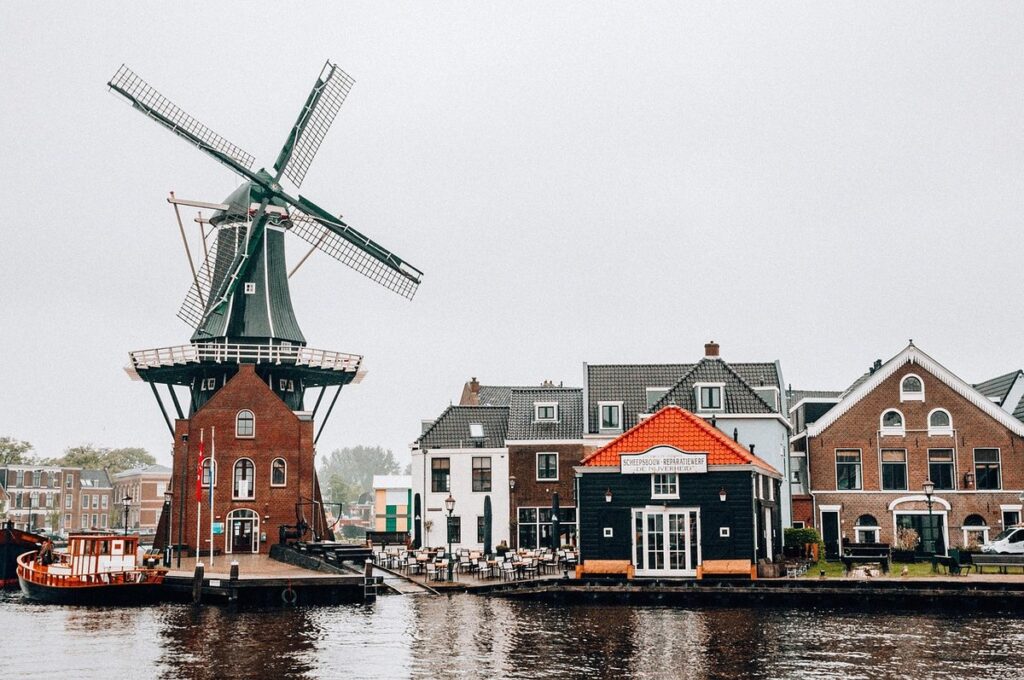
The History and Inspiration Behind the Village
The Dutch village, nestled near Santa Barbara, has a rich history that dates back to the 1920s when it was first envisioned by a group of forward-thinking residents. Let’s take a step back in time and explore its origins.
Early Dutch Settlement in California
The early Dutch settlers arrived in California in the 17th century, drawn by the region’s rich natural resources and favorable climate. These pioneers, primarily from the Netherlands, established a foothold near present-day Santa Barbara, where they could cultivate their skills as traders, farmers, and artisans. Some of these early settlers were attracted to the area by the promise of land grants and economic opportunities offered by the Spanish Empire.
The Dutch settlement in California was part of a larger movement of European explorers and colonizers who were seeking new trade routes and resources. However, unlike other colonies, the Dutch community near Santa Barbara remained relatively small and isolated, developing its own distinct culture and traditions. Today, visitors to the area can catch glimpses of this unique heritage through the village’s architecture, art, and cultural events.
A few notable figures played key roles in establishing the early Dutch settlement in California. Among them was Dutch explorer Juan Rodríguez Cabrillo, who mapped the coastline and identified suitable locations for trade and settlement.
Architectural Influences from the Netherlands
The village’s architecture is a testament to its rich Dutch heritage. One of the most notable buildings is the Village Hall, designed in the style of 17th-century Dutch architecture. Its steeply pitched roof and ornate gables evoke the traditional Dutch country houses found in the Netherlands.
Another prominent example is the St. Martinus Church, which features a distinctive wooden bell tower reminiscent of those found in Dutch villages. The church’s interior boasts intricate wood carvings and stained glass windows, paying homage to the rich artistic traditions of the Netherlands.
The village’s design elements also reflect its Dutch roots. Narrow streets and canals, inspired by Amsterdam’s famous Jordaan district, provide a charming and intimate atmosphere. Many homes feature traditional Dutch facades with half-timbered gables and ornate brickwork.
Visitors can see these architectural influences firsthand by taking a self-guided walking tour of the village. Start at the Village Hall, then make your way to St. Martinus Church, and explore the narrow streets to take in the charming details.
Unique Features of the Village
The Dutch village near Santa Barbara boasts a range of one-of-a-kind features that set it apart from other charming towns in California. From its historic architecture to its unique cultural events, there’s something special around every corner.
Traditional Dutch Homes and Gardens
The traditional Dutch homes and gardens in the village are a feast for the eyes. One of the defining characteristics of these homes is their use of gabled facades, often featuring multiple gables with stepped roofs. This architectural style is reminiscent of 17th-century Dutch architecture, which emphasizes verticality and a strong connection to the surrounding landscape.
The beautifully manicured gardens that accompany these homes are equally impressive. Many feature traditional Dutch tulip beds, perfectly arranged in symmetrical patterns to showcase the vibrant colors of spring-blooming bulbs. Other gardens incorporate drought-resistant plants and succulents, reflecting the region’s Mediterranean climate. Visitors can stroll through these serene oases, taking in the sweet fragrance of blooming flowers and the tranquil atmosphere.
When exploring the village, take note of the variety of architectural styles on display. Some homes blend traditional Dutch elements with California bungalow charm, while others showcase more modern interpretations of classic Dutch design. Regardless of style, each home and garden is a testament to the unique cultural heritage of this charming village.
The Role of Art and Culture in the Community
The village’s unique heritage is celebrated through a thriving arts scene, where local artists and artisans showcase their talents. You’ll find galleries featuring traditional Dutch paintings and contemporary works inspired by the region’s natural beauty. The annual “Art Walk” event brings together local studios, showcasing the creative process behind each piece. This intimate setting allows visitors to connect with the artists themselves, fostering a deeper appreciation for the art.
Many of these talented individuals have been influenced by the village’s rich history and architectural style. For instance, some local artists specialize in creating intricate ceramics inspired by traditional Dutch tiles. These handmade pieces are not only beautiful but also serve as a testament to the village’s cultural preservation efforts. Visitors can explore local studios, attend workshops, or even commission their own custom piece.
Regular exhibitions at the village museum highlight the region’s history and cultural traditions. The seasonal “Flower Festival” features elaborate displays of tulips, daffodils, and other blooms, while the summer concert series brings classical music to life in picturesque settings. These events not only entertain but also provide a glimpse into the community’s strong sense of heritage and tradition.
Outdoor Activities and Natural Beauty
Surrounded by rolling hills and picturesque farmland, the Dutch Village near Santa Barbara offers a serene escape for outdoor enthusiasts to connect with nature’s beauty. Discover the tranquil hiking trails and scenic bike routes that await you here.
Hiking and Biking Trails in the Surrounding Area
The surrounding hills and coastal ridges offer a treasure trove of hiking and biking trails for outdoor enthusiasts. One popular spot is the Santa Ynez Mountains’ Romero Canyon Trail, which winds through lush oak woodlands and offers breathtaking views of the coastline. For a more leisurely ride, visitors can explore the San Marcos Pass Road route, featuring rolling hills and scenic overlooks.
Nearby, the Gaviota Peak Trail attracts hikers seeking panoramic vistas of the surrounding countryside. This 2-mile out-and-back trail is considered moderate in difficulty but rewards with stunning views of the ocean and coastline. Biking enthusiasts can also take on the Rincon Point State Beach route, which features a scenic coastal ride along the shoreline.
For those looking to explore further afield, consider a bike ride or hike through the Los Padres National Forest. This sprawling wilderness area offers numerous trails for all skill levels, including the popular Gibraltar Rock Trail and the more challenging Big Pine Mountain Trail. Be sure to check trail conditions and regulations before embarking on your outdoor adventure.
Exploring the Beaches and Coastal Scenic Drives
The coastline near the village is a treasure trove of natural beauty, with its hidden coves, secluded beaches, and scenic drives offering breathtaking views. You can start by driving along the coastal route, which winds its way through towering cliffs and rocky outcroppings, offering stunning vistas at every turn. Be sure to stop at the beach at Agua Caliente Canyon, where you can hike down to a secluded cove surrounded by towering palm trees.
For a more leisurely experience, take a scenic drive along the village’s coastline route, which offers views of the Pacific Ocean and the surrounding cliffs. You can also explore the many beaches in the area, each with its own unique character and charm. Some popular spots include the beach at Leadbetter Point, where you can watch surfers riding the waves, and the secluded cove at Arroyo Burro Beach, which is perfect for a relaxing day in the sun.
If you’re feeling adventurous, consider taking a hike along one of the many trails that wind their way through the surrounding hills and coastal scrub. Not only will you get some exercise, but you’ll also be rewarded with breathtaking views of the ocean below.
Local Cuisine and Wine Scene
As you wander through the charming Dutch Village, be sure to indulge in the rich flavors of its local cuisine and wine scene. From artisanal cheeses to estate-grown wines, every bite is a taste of heaven.
Traditional Dutch Recipes with a California Twist
If you’re looking to try authentic Dutch cuisine with a California twist, you’ll find it at local eateries like De Kleine Komedie and Het Verloren Land. These restaurants showcase traditional Dutch recipes adapted for the region’s fresh ingredients and flavors. For example, De Kleine Komedie serves stamppot with locally sourced kale and carrots instead of the usual spinach.
Het Verloren Land offers a unique take on herring with a citrus-herb marinade that complements the California coast’s bounty of fresh fish. If you’re interested in trying these dishes at home, look for cookbooks like “The Dutch Table” or online recipe sources like Dutch Kitchen, which often feature recipes incorporating local produce and seafood.
When making your own adaptations, consider substituting traditional ingredients with California-grown alternatives, such as using avocados instead of olives in stamppot or pairing herring with locally harvested microgreens. This approach not only preserves the authenticity of Dutch cuisine but also highlights the village’s unique connection to its surroundings.
Wine Country Getaways from the Village
When venturing out from the village, you’ll find yourself surrounded by some of California’s most renowned wine country. Just a short drive away lies the Santa Ynez Valley, home to over 200 wineries and vineyards. Some top recommendations include Fess Parker Winery, Sanford Winery, and Au Bon Climat. These esteemed establishments offer an array of tastings and tours tailored to suit every palate.
To plan your wine country getaway from the village, consider the following:
- Visit during harvest season (September to November) for a glimpse into the winemaking process.
- Book a private tour or wine pairing experience at one of the top-tier wineries.
- Explore the charming towns of Los Olivos and Solvang, each boasting their own unique selection of wine shops and tasting rooms.
Some notable events and festivals in the nearby area include the Santa Barbara Wine & Food Festival and the Fess Parker Winery’s annual Harvest Hoedown. Be sure to check local listings for upcoming events and plan your visit accordingly. With so much to see and experience, a day trip or weekend getaway from the village is an absolute must for any wine enthusiast.
Shopping and Dining in the Village
Whether you’re looking for a unique souvenir or a delicious meal, our charming Dutch Village offers an array of shopping and dining experiences tailored to your tastes. From boutique shops to cozy eateries, every visit is a treat.
Boutique Shopping and Artisanal Goods
As you wander through the village’s charming streets, you’ll discover an array of boutique shops, art galleries, and specialty stores showcasing handmade goods and local crafts. The village is home to a thriving community of artisans, each bringing their unique perspective and skills to their craft.
Some standout boutiques include De Kunstenaar, where you can find one-of-a-kind pieces by local artists, and Bloemen en Bloeien, which offers an exquisite selection of handmade flowers and arrangements. For art enthusiasts, the village is home to several galleries featuring works by Dutch masters as well as emerging talent.
When shopping for artisanal goods, be sure to check out the village’s weekly market, where you can find everything from hand-knit scarves to bespoke jewelry. Many vendors also offer custom orders, so don’t hesitate to ask about creating a one-of-a-kind piece that reflects your personal style.
In addition to traditional Dutch crafts, the village is also known for its modern interpretations of classic designs. For example, some shops specialize in upcycled or repurposed materials, giving old items new life and a unique twist on traditional craftsmanship.
Gourmet Dining Experiences in the Village
The village is home to a surprising number of top-rated restaurants serving gourmet cuisine with a focus on fresh, locally sourced ingredients. Many of these establishments have earned accolades from prominent food critics and organizations, such as the Santa Barbara County Wine Auction’s annual culinary event. A standout example is the Michelin-starred restaurant, De Zeeuw, which offers an exquisite tasting menu featuring dishes like pan-seared foie gras with a sweet beet chutney.
Another notable eatery is the family-owned Bistro 1876, where Chef Pieter’s commitment to locally sourced ingredients shines through in his creative Dutch-Californian fusion cuisine. For example, their signature dish, “Stamppot à la Californienne,” combines traditional Dutch boiled potatoes with fresh kale and a rich goat cheese sauce made from local cream.
When visiting the village, consider making reservations at least a week in advance to ensure availability at these popular restaurants. Be sure to also explore the surrounding area’s farm-to-table markets and artisanal food shops, where you can discover even more unique flavors and ingredients to incorporate into your culinary adventures.
Events and Festivals Celebrating Dutch Heritage
The charming Dutch village near Santa Barbara has a rich cultural calendar, showcasing its heritage through vibrant events and festivals that are not to be missed.
From traditional dance performances to authentic Dutch cuisine, each celebration offers a unique glimpse into the community’s traditions and history.
Annual Oktoberfest Celebration
The village’s annual Oktoberfest celebration is a beloved tradition that draws visitors from all over to experience the festive atmosphere and authentic German culture. The event typically takes place on a crisp autumn weekend, with live music filling the air as polka bands play traditional German tunes.
One of the main attractions is the beer garden, where you can sample a variety of German beers alongside traditional German fare like sausages, schnitzel, and apple strudel. Visitors can also try their hand at stein-holding contests or participate in other fun activities like yodeling competitions.
To get the most out of your Oktoberfest experience, plan ahead by purchasing tickets for the event, which usually include beer samples and food vouchers. Be sure to arrive early to secure a spot at one of the many long tables, where you can mingle with locals and visitors alike while enjoying traditional German hospitality. The village’s annual Oktoberfest celebration is an unforgettable experience that showcases the best of Dutch heritage and German culture in a unique California setting.
Cultural Festivals Honoring Dutch Traditions
In addition to Oktoberfest, the village hosts various cultural festivals throughout the year that celebrate and honor Dutch traditions. One such event is the Holland Festival, which takes place in June and features traditional Dutch music, dance performances, and folk art exhibits. Visitors can enjoy authentic Dutch cuisine, including stamppot and herring, at one of the many food stalls set up throughout the village.
The village also hosts a Sinterklaas celebration in December, where children can meet St. Nicholas and receive gifts. This festive event is complete with horse-drawn carriages, traditional Dutch costumes, and plenty of hot chocolate to keep everyone warm. For those looking for a more low-key experience, the village’s annual Tulip Festival in April offers a serene atmosphere and stunning displays of tulips.
These festivals are not only entertaining but also provide an opportunity for visitors to learn about and experience Dutch culture firsthand. By attending these events, you can gain a deeper appreciation for the village’s rich heritage and traditions. Be sure to check the village’s event calendar to catch one of these festive celebrations during your visit.
Frequently Asked Questions
Can I visit the village during peak tourist season?
Yes, the village is open year-round and can be visited during peak tourist season. However, it’s recommended to plan ahead and book accommodations and activities in advance due to high demand.
How do I get around the village if I don’t have a car?
The village has a pedestrian-friendly atmosphere and many shops, restaurants, and attractions are within walking distance. There is also a public transportation system connecting the village to nearby Santa Barbara, making it easy to explore without a car.
What if I’m interested in exploring the surrounding area but not staying overnight? Can I still enjoy the beaches and wine country?
Yes, you can easily visit the surrounding area for a day trip or afternoon excursion. Many tour companies offer guided tours that depart from Santa Barbara and return within a few hours, allowing you to experience the nearby beaches, wineries, and scenic drives.
Are there any opportunities to learn about Dutch culture beyond the village’s annual festivals?
Yes, the village has a rich cultural scene, with many art classes, language courses, and cultural events throughout the year. You can also visit local museums, attend concerts, or join community groups to deepen your understanding of Dutch heritage and traditions.
Can I find authentic Dutch ingredients in local stores or restaurants outside of the village?
While some specialty stores and restaurants may carry imported Dutch ingredients, it’s not always easy to find authentic products outside of the village. However, many local chefs and food shops are inspired by Dutch cuisine and create their own adaptations using fresh California ingredients, offering a unique twist on traditional dishes.

