For many people, Eid celebrations are a time of joy, reflection, and connection with their faith and community. As the festive season approaches, families and friends come together to share traditional foods, exchange gifts, and participate in cultural events that honor the end of Ramadan. But beyond the feasts and festivities, Eid is also an opportunity for spiritual renewal and growth. In this article, we’ll explore the significance and traditions of Eid celebrations, from the rich history behind the holiday to practical ways to connect with your faith and community during this special time. We’ll delve into the customs surrounding food, gifts, and cultural events, and provide tips on how to make the most of this meaningful celebration.
Understanding Eid: A Brief History
Eid celebrations have a rich history that spans centuries, and understanding its evolution is key to appreciating its significance today. Let’s take a brief look at how this joyous occasion has shaped into what it is now.
Origins of Eid
Eid celebrations have their roots in Islamic tradition, but are also observed by people of other faiths. The history of Eid begins with the end of Ramadan, the Islamic holy month of fasting, which commemorates Prophet Muhammad’s first revelation to his followers. This event is seen as a momentous occasion and marks the beginning of Eid al-Fitr.
As Islam spread throughout the world, different regions developed their own unique traditions surrounding Eid. In many countries, including Indonesia and Malaysia, Eid celebrations are an integral part of cultural heritage, blending Islamic rituals with local customs. For instance, in Pakistan, Eid is celebrated by exchanging gifts, feasting on traditional sweets, and decorating homes with lights.
In some parts of the world, non-Muslim communities also participate in Eid festivities, often as a gesture of goodwill or friendship. This cultural exchange has enriched the celebration, making it more diverse and inclusive. To appreciate the significance of Eid, one can explore its history by attending local festivals, learning about Islamic traditions, or participating in community events.
Significance of Eid in Islam
In Islam, Eid is a momentous occasion that serves as a significant milestone in the Islamic calendar. It commemorates two fundamental events: the conclusion of Ramadan and the Hajj pilgrimage to Mecca. The Eid of Fitr marks the end of the holy month of fasting, while Eid of Sacrifice commemorates the willingness of Prophet Ibrahim to sacrifice his son as a test of faith.
The significance of Eid lies in its role in promoting spiritual growth. During Eid celebrations, Muslims come together with their families and communities to strengthen bonds and reinforce their connection with Allah. The festivities often involve prayers, charity, and acts of kindness, which foster an atmosphere of unity and generosity. By participating in these traditions, individuals can cultivate a deeper understanding of the values that underpin Islam.
To truly appreciate the significance of Eid, one must participate actively in its celebrations. Join family gatherings, engage in communal prayers, and volunteer for charitable causes during this period. This way, you’ll not only honor the occasion but also reflect on your personal growth and faith journey over the past year.
Preparing for Eid: Traditions and Customs
As you prepare to celebrate Eid, let’s take a look at some of the unique traditions and customs that are an integral part of this special occasion. From decorating homes to cooking traditional dishes, every detail matters during Eid celebrations.
Cleaning and Decorating Homes
In many cultures, preparing homes for Eid is an essential part of the celebrations. The process typically begins with a thorough cleaning of the house to ensure it’s spotless and welcoming for family members and guests. This can involve scrubbing floors, dusting furniture, and cleaning every nook and cranny.
Decorations are also a significant aspect of preparing homes for Eid. Traditional decorations often include intricate patterns made from rice paste or flour on walls and floors, known as “al-zuluf” in Arabic. These patterns can take hours to create, but they add an extra layer of beauty and meaning to the celebrations.
In some cultures, specific colors are associated with good fortune and prosperity during Eid. For example, green is considered a sacred color and is often used liberally in decorations. In addition to cleaning and decorating, many families also prepare traditional dishes and sweets that are typically served during Eid celebrations. By incorporating these customs into your preparations, you can create a warm and inviting atmosphere for your loved ones to enjoy during the holiday.
Traditional Eid Outfits and Accessories
Traditional Eid Outfits and Accessories are a crucial part of the celebration. In many cultures, it’s customary for men to wear long white dishdashas, often with intricate embroidery or patterns, while women wear elaborate abayas or kaftans in bright colors and fabrics.
In some countries, like Saudi Arabia and the UAE, traditional Eid outfits can be quite ornate, featuring gold thread embroidery and other decorative elements. In others, like Pakistan and India, you might see more vibrant prints and colors. Regardless of where you are, it’s essential to choose an outfit that reflects your cultural heritage.
When choosing a traditional Eid outfit, consider the occasion and dress accordingly. For example, if attending a mosque or performing prayers, opt for modest attire. If celebrating with family or at a social gathering, you can go for more elaborate outfits. Don’t forget accessories like headscarves, shawls, and perfumes that add a touch of elegance to your overall look.
In some cases, traditional Eid outfits may also be passed down through generations as heirlooms, making them even more meaningful and special.
Eid Celebrations Around the World
Eid celebrations are a vibrant and diverse phenomenon, with unique traditions and customs being observed in every corner of the globe. From bustling streets to intimate family gatherings, we’ll take you on a journey to experience Eid like never before.
Regional Variations in Eid Traditions
In Indonesia, Eid is celebrated with a unique twist. The island of Java is famous for its traditional Eid marketplaces, where people gather to shop for new clothes and accessories. In contrast, in some parts of India, Eid is marked by the exchange of gifts and sweet treats. For instance, in the city of Lucknow, Eid is known for its elaborate gift-giving ceremonies, with families presenting each other with beautifully wrapped boxes containing gold jewelry, perfume, and other luxurious items.
In North Africa and the Middle East, Eid is often celebrated with grand processions and parades. In Morocco, for example, Eid festivities include the traditional “Moussem” celebrations, which feature vibrant costumes, music, and dance performances. Similarly, in Saudi Arabia, Eid is marked by the ceremonial reenactment of the Prophet Muhammad’s journey from Mecca to Medina.
In Malaysia and Singapore, Eid is a time for family reunions and traditional food gatherings. The most popular dish during this festive season is nasi lemak, a fragrant rice cooked in coconut milk and pandan leaves. In these countries, Eid celebrations often blend Islamic traditions with local Malay customs, creating a unique cultural experience that reflects the diversity of the region.
Cultural Exchange During Eid Celebrations
In many parts of the world, Eid celebrations are a time for cultural exchange between different communities. This is particularly evident in cities with large migrant populations, where people from diverse backgrounds come together to share in the joy of the occasion. For instance, in London’s Trafalgar Square, Muslims and non-Muslims alike gather each year for an Eid celebration that showcases traditional music, dance, and food from around the world.
During these events, you might see a Pakistani family sharing their own special recipes with Indian friends, or a group of Somali youth teaching English-speaking volunteers how to make traditional henna designs. Such interactions not only foster greater understanding between communities but also create new friendships and lasting connections.
The cultural exchange during Eid celebrations is often made possible by local community organizations that bring people together through events like food festivals, concerts, and interfaith iftars (breaking of the fast). By attending these events, you can experience firsthand the rich diversity of Eid traditions from around the world.
Eid Traditions: Food, Gifts, and Family
For many of us, Eid celebrations are a time for indulging in delicious traditional foods, exchanging thoughtful gifts, and spending quality time with our loved ones. Let’s take a look at some of these cherished family traditions.
Traditional Eid Dishes and Desserts
In many Muslim households, traditional Eid dishes and desserts are a big part of the celebration. For instance, in South Asia, biryani is a staple dish during Eid, made with aromatic spices, basmati rice, and marinated meat or vegetables. In some countries like Indonesia, Malaysia, and Singapore, ketupat (rice cakes) and rendang (beef curry) are popular dishes.
In the Middle East, ma’amoul cookies are a classic Eid treat filled with dates, nuts, or other sweet fillings. These shortbread-like cookies are often shaped into intricate designs and are a favorite among children. In addition to these traditional foods, many households also make desserts like baklava, gulab jamun, and shrikhand.
When preparing traditional Eid dishes and desserts, it’s essential to consider the ingredients and cooking methods used in each recipe. For example, some traditional dishes may require specialized equipment or hard-to-find spices, so be sure to plan ahead and make necessary adjustments. With a little practice and patience, you can create delicious and authentic Eid foods that bring joy to your family and friends.
Gift-Giving During Eid
In many cultures, gift-giving is an essential part of Eid celebrations. During Eid al-Fitr, for example, it’s common to give gifts to children and close family members as a symbol of love and appreciation. In some countries, such as Indonesia and Malaysia, Eid gifts are often exchanged among friends and relatives, with an emphasis on modest but thoughtful presents.
The tradition of gift-giving during Eid is rooted in the spirit of generosity and kindness that defines the celebration. It’s also seen as a way to strengthen social bonds and show respect for one another. When giving gifts during Eid, consider what’s most meaningful to the recipient – it could be something practical like clothing or household items, or something more personal like a handmade craft.
In terms of practicality, it’s essential to choose gifts that fit within your budget and align with the cultural norms of the occasion. You might also want to involve children in the gift-giving process by letting them help pick out presents for their loved ones. Whatever you choose, remember that the thought and love behind the gift is what truly matters during Eid celebrations.
Eid: A Time for Reflection and Renewal
As we celebrate the joy of Eid, it’s a perfect moment to pause and reflect on our personal growth, letting go of what no longer serves us. This renewal is at the heart of the Eid experience.
Spiritual Significance of Eid
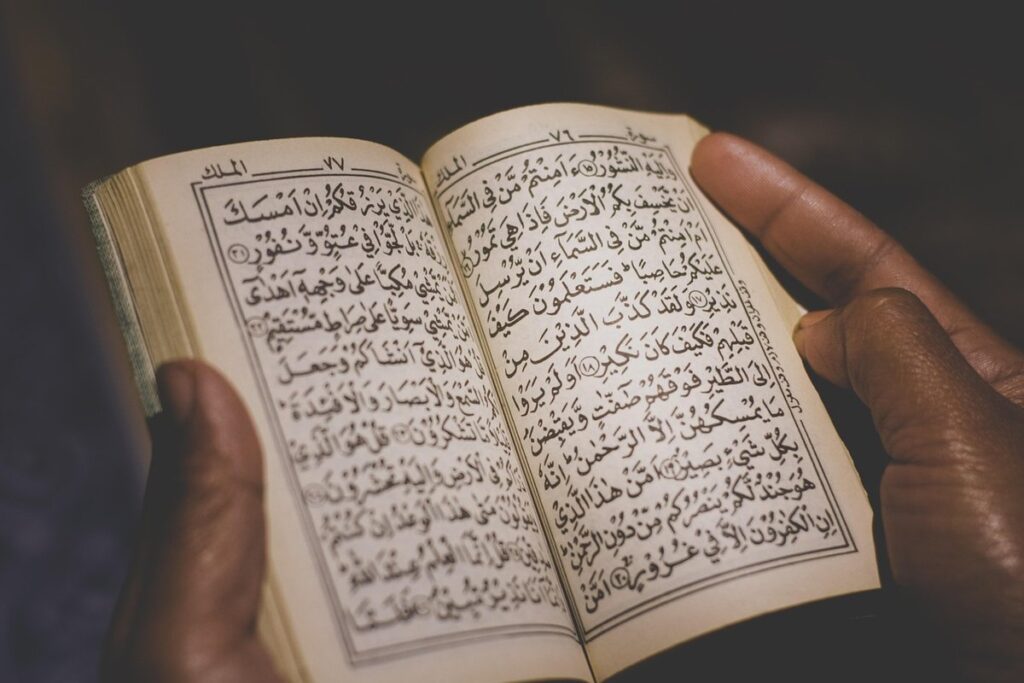
For Muslims, Eid is a sacred occasion to reconnect with their faith and reflect on their spiritual journey. During this time, individuals often engage in acts of worship, such as reciting the Quran, performing prayers, and giving charity. These rituals serve as a reminder of the importance of living a life guided by Islamic principles.
The act of fasting during Ramadan preceding Eid is also significant. Muslims use this period to develop self-control, empathy for those less fortunate, and a deeper understanding of their faith. By abstaining from worldly desires, individuals cultivate a stronger connection with Allah (God) and seek His guidance in all aspects of life.
In the days leading up to Eid, many Muslims participate in Taraweeh prayers – night prayers performed after Isha (the evening prayer). This collective worship experience fosters a sense of community and unity among believers. It’s also common for individuals to engage in acts of self-reflection, such as reviewing their past actions, making amends with others, and setting goals for personal growth during the upcoming year.
Personal Growth and Development During Eid
During Eid, Muslims around the world come together to celebrate forgiveness, gratitude, and new beginnings. This festive atmosphere provides an ideal opportunity for personal growth and development. By reflecting on past mistakes and experiences, individuals can identify areas for improvement and set intentions for positive change.
One way to cultivate self-awareness during Eid is to take time for introspection and journaling. Write down what you’re grateful for, and what you hope to achieve in the coming year. Consider setting personal goals that align with your values and priorities. For example, you might resolve to develop a regular prayer habit or volunteer more frequently.
Another approach is to use Eid as a chance to practice forgiveness and letting go of past resentments. Reflect on relationships that may be holding you back, and consider making amends or seeking closure. By doing so, you can release emotional burdens and create space for growth and renewal. Make the most of this sacred time by embracing new habits, releasing what no longer serves you, and nurturing a sense of compassion and self-love.
Fun Activities to Enjoy During Eid
As you prepare for Eid celebrations, we’ve got some exciting ideas to make your festivities even more enjoyable and memorable with friends and family.
From outdoor games to cultural events, discover fun activities that add a new spin to traditional Eid celebrations.
Games, Sports, and Other Recreational Activities
For many families, Eid is a time to come together and engage in various recreational activities. Games are a staple of Eid celebrations, with favorites like cricket and football often taking center stage. In some parts of the world, children participate in traditional games such as ‘Kabaddi’ and ‘Gilli Danda’, which require skill and strategy.
Sports tournaments are also common during Eid, bringing communities together to cheer on their favorite teams. These events promote a sense of camaraderie and healthy competition among participants. In addition to team sports, individual activities like cycling and swimming are also popular, providing an opportunity for people to get some exercise and enjoy the outdoors.
In many cultures, Eid is also a time for music and dance. Traditional folk dances such as the ‘Dandia’ in India and the ‘Morchang’ in Pakistan are performed during festivities, often accompanied by live music and colorful costumes. These events showcase the rich cultural heritage of Eid celebrations and provide an entertaining way to experience local traditions.
Cultural Events and Festivals During Eid
During Eid celebrations, cultural events and festivals are a big part of the festivities. In many Muslim-majority countries, Eid is marked by vibrant processions, called “Eid Milan,” where people gather to distribute sweets, gifts, and other tokens of goodwill to one another. These events often take place in public spaces such as parks, streets, or open areas.
In some communities, Eid is celebrated with traditional festivals like the “Bakra Eid” festival, which involves the sacrifice of a goat and the distribution of its meat among family members and friends. Others may hold cultural events like music concerts, dance performances, or cultural exhibitions to showcase their heritage.
These events not only add to the festive atmosphere but also serve as an opportunity for people to come together and strengthen social bonds. If you’re planning to participate in these events, consider dressing modestly and respectfully, especially if you’re visiting a mosque or other sacred space. By embracing the local culture and traditions, you can enhance your Eid experience and make meaningful connections with others.
Conclusion: The Spirit of Eid
As we’ve explored the rich traditions and significance of Eid, it’s now time to reflect on what truly matters – the spirit that brings people together in joy and gratitude. This final section captures the heart of the celebration.
Reflecting on the True Meaning of Eid
Reflecting on the true meaning of Eid is crucial to truly experiencing its significance. As we conclude our exploration of Eid traditions and activities, it’s essential to remember that Eid is more than just a celebration – it’s a reminder of faith, community, and gratitude.
The joy and spirit of Eid are often marked by grand festivities, delicious food, and generous exchange of gifts. While these aspects are certainly enjoyable, they shouldn’t overshadow the core meaning of Eid. The festival commemorates the end of Ramadan, a month of fasting and spiritual growth for Muslims worldwide.
As we reflect on Eid’s significance in our lives, it’s essential to acknowledge its impact on our relationships with family and friends. Eid brings people together, fostering a sense of belonging and unity among community members. The festivities provide an opportunity to strengthen bonds, create new memories, and revive cherished traditions.
In addition to its emotional significance, Eid also holds spiritual value. It serves as a reminder of the blessings in our lives and encourages us to give back to those in need. Many Muslims use Eid as an occasion to perform charitable acts, such as donating to food banks or volunteering at local soup kitchens.
To truly experience the essence of Eid, it’s crucial to strike a balance between celebration and reflection. Make time for family gatherings, but also take a moment to contemplate the true meaning of this sacred festival. Use Eid as an opportunity to reconnect with your faith community, engage in acts of kindness, and cultivate gratitude for all that you have. By doing so, you’ll be able to appreciate the true spirit of Eid and carry its significance throughout the year.
Frequently Asked Questions
Can I celebrate Eid with non-Muslim friends and family?
Yes, Eid is a time for celebration and connection with loved ones from all backgrounds. Inviting non-Muslim friends to share in the festivities can be a great way to build bridges between cultures.
How do I balance traditional Eid customs with my own personal preferences and values?
It’s essential to find a balance between honoring cultural traditions and being true to yourself. You may choose to incorporate elements that resonate with you from different cultures or adapt existing customs to better suit your lifestyle.
What if I’m traveling during Eid and can’t participate in local celebrations?
Even when away from family and friends, you can still observe the spirit of Eid through reflection, prayer, and acts of kindness. Connect with others online, share traditions with fellow travelers, and focus on personal growth during this special time.
Can I incorporate Eid traditions into my own non-Islamic holiday celebrations?
While Eid has its unique cultural significance, many customs like gift-giving, feasting, and family gatherings can be adapted or incorporated into other holidays. Be mindful of the original context and meaning behind each tradition to ensure respectful exchange between cultures.
How do I involve children in Eid celebrations when they’re not familiar with Islamic traditions?
Educate your child about the significance of Eid through stories, videos, and interactive activities. Focus on values like gratitude, kindness, and generosity, which are universal and can be easily related to their own experiences and interests.