
When interacting with locals in Spanish-speaking countries, using the phrase “excuse me” can be a make-or-break moment. Getting it right shows respect for their culture and language, while getting it wrong can lead to misunderstandings or even offense. You may have tried to use basic phrases like “Lo siento” (I’m sorry) or “Con permiso” (with permission), but do you know the difference between them? Understanding when to apologize, how to ask for attention, and what to say in specific situations is crucial to building rapport with locals. In this article, we’ll cover essential phrases and etiquette for using excuse me in Spanish, including cultural nuances and common mistakes to avoid, so you can interact confidently and respectfully with the people you meet. By the end of this guide, you’ll know how to use “excuse me” effectively and navigate everyday situations like a native speaker.
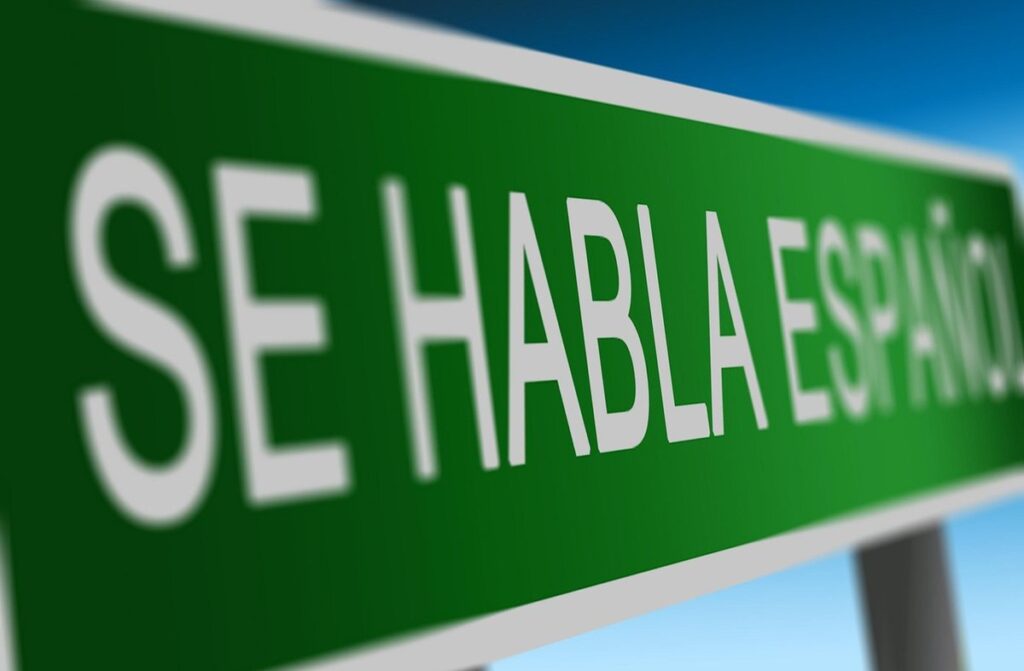
Common Excuse Me Phrases
One of the most common phrases you’ll use when interacting with native Spanish speakers is saying “excuse me”, and there are several polite ways to do it. Let’s take a look at some essential expressions that will help you navigate everyday conversations.
Basic Apologies
When you need to apologize for a minor inconvenience or disruption, there are several basic phrases you can use. For example, “Lo siento” (I’m sorry) is a simple and effective way to express regret. You can also use “Disculpa” (excuse me), which is a more polite version of the phrase.
In some situations, it’s better to use a slightly more formal apology, such as “Me disculpo por el retraso” (I apologize for the delay). This shows that you’re taking responsibility for your actions and acknowledges the impact on others.
To put these phrases into practice, consider the following:
- Use “Lo siento” when apologizing for a minor mistake or oversight.
- Use “Disculpa” when you need to get someone’s attention or apologize for disrupting them.
- Use “Me disculpo por el retraso” when apologizing for a more significant delay or inconvenience.
Remember that the key to successful apologies is to be sincere and specific. Avoid vague phrases like “Lo siento mucho” (I’m very sorry), which don’t convey much meaning. Instead, focus on expressing regret and making amends where possible.
Formal vs. Informal Apologies
When interacting with others in Spanish, it’s essential to understand when to use formal versus informal apologies. The choice between these two types of apologies depends on the context and the level of familiarity you have with the person.
Formal apologies are used in professional or formal settings, such as at work, school, or when speaking with someone you’ve just met. These apologies typically involve using the formal “you” (usted) and phrases like “Lo siento mucho” (“I’m very sorry”) or “Me disculpo por… ” (“I apologize for…”). For example: “Lo siento mucho, pero tengo que hacer una pregunta” (“I’m very sorry, but I have to ask a question”).
In contrast, informal apologies are used with friends, family members, or people you’ve had interactions with before. These apologies typically involve using the informal “you” (tú) and phrases like “Lo siento” (“I’m sorry”) or “Me disculpas por… ” (“Sorry for…”). For instance: “Lo siento, pero voy a ser un poco tarde” (“Sorry, but I’ll be a bit late”).
Be mindful of the level of formality in your apology to avoid unintentionally offending someone.
Regional Variations
In Spain, you’ll often hear “disculpa” (DIS-kool-pah) used as a more formal excuse me, while in Latin America, it’s common to use “excuse me” or “¡con permiso!” (kohn pehr-MEE-soh). However, regional variations abound. In Mexico and some Central American countries, “perdón” (pehr-DOHN) is a popular choice for apologizing or seeking attention.
In some regions of Latin America, like Argentina and Uruguay, you may hear “¿Me permite?” (MAY pehr-MEE-teh), which translates to “May I?” In contrast, the Dominican Republic and some parts of Puerto Rico tend to use “¡Vaya!” (vah-YAH), a more casual way to say “excuse me” or “sorry.” When traveling through these countries, it’s essential to learn the local phrases to avoid unintended offense.
To navigate regional variations effectively, remember that formal language is often used in Spain and some parts of Latin America. In informal settings, though, you may encounter more creative expressions. For example, in Colombia, people might say “¿Puedo pasar?” (pway-DAH pah-SAR), which means “Can I pass?” When interacting with locals, pay attention to their language use and adjust your own accordingly.
Using Excuse Me in Different Situations
When speaking Spanish, knowing how to use “excuse me” in various situations can help you navigate everyday conversations and avoid unintended misunderstandings. We’ll explore different scenarios where this phrase is essential.
In Public Places
When navigating crowded areas like markets, shopping malls, or public transportation in Spanish-speaking countries, using “excuse me” phrases can be a lifesaver. In these situations, you’ll often need to get through crowds or attract the attention of someone from afar.
To do this effectively, try saying “¿Con permiso?” (Kohn pehr-MEE-soh), which roughly translates to “With permission?” This phrase is more polite and shows respect for others’ personal space. For example, if you’re trying to get through a crowded market stall, you can say “¿Con permiso? Necesito pasar” (Kohn pehr-MEE-soh neh-seh-SEE-toh pah-SAR), which means “With permission? I need to pass.”
If you’re on public transportation and want to signal the driver or a fellow passenger that you need help, try using “¿Puede ayudarme?” (pway-DAY ah-yoo-DAH-meh), meaning “Can you help me?” Alternatively, you can say “Perdón” (pehr-DOHN) if you accidentally bump into someone or get in their way. In crowded areas, being mindful of your surroundings and apologizing quickly can go a long way in avoiding conflicts.
At Work or School
When interacting with colleagues at work or asking for assistance from a teacher in a school setting, using “excuse me” in Spanish is crucial. In a professional environment, interrupting a colleague politely can be achieved by saying “¿Me permite?” (may I?) or “¿Puedo interrumpir un momento?” (can I interrupt for a moment?). This shows respect for the person’s time and allows you to clarify your question or request.
If you need to ask a teacher for help, use phrases like “¿Podría ayudarme con esto, por favor?” (could you help me with this, please?) or “¿Tiene un momento para hablar?” (do you have a moment to talk?). These expressions demonstrate politeness and courtesy while addressing the specific issue.
In both scenarios, tone and body language are also important. Speak clearly, maintain eye contact, and avoid appearing abrupt or demanding. For instance, if you need to interrupt someone at work, make sure it’s for a pressing reason, such as clarifying a deadline or resolving an urgent matter. This will help you use “excuse me” effectively in professional settings.
When Interacting with Others
When interacting with others, using “excuse me” is crucial to avoid misunderstandings and maintain a respectful tone. When engaging with strangers, it’s essential to be more formal, using phrases like “¿Me permite?” (May I?) or “Disculpe, ¿puedo pasar?” (Excuse me, may I pass?). This shows respect for the person’s space and time.
When interacting with friends or family members, you can use informal phrases like “¡Hola!” (Hi!) or “¿Qué pasa?” (What’s up?) before saying “Lo siento” (Sorry) or “Disculpa” (Excuse me). However, be mindful of the situation; if someone is busy or engaged in a conversation, it’s best to wait for a break in their interaction.
In social situations like parties or gatherings, using “excuse me” can help you get through crowded spaces. For example, you might say “Disculpa, ¿puedo pasar por aquí?” (Excuse me, may I go through here?). This shows consideration for others’ space and helps maintain a smooth interaction.
Remember that context is key when using “excuse me.” Be aware of the situation, the people involved, and their body language to choose the right phrase. Practice these phrases in different scenarios to become more confident in your Spanish interactions.
Cultural Etiquette and Context
Understanding cultural nuances is key when learning a new language, so let’s explore how to apply this knowledge in everyday situations when speaking Spanish. This includes respecting local customs and traditions while using polite phrases like “¿Me disculpa?” (excuse me).
Understanding Spanish Body Language
When using excuse me phrases in Spanish, it’s not just about the words you say, but also how you say them. In many Latin American countries, direct eye contact is considered a sign of respect and sincerity. However, in some regions, especially among older generations, avoiding eye contact can be seen as polite or even submissive. You may need to adjust your level of eye contact depending on the situation and cultural context.
Proximity is another aspect of non-verbal communication that’s worth considering. In Spain, for example, it’s common to stand close to others when speaking, while in some Latin American countries, people tend to maintain a bit more distance. When saying excuse me, you may want to gauge your proximity to the other person and adjust accordingly.
In terms of body language, crossing your arms or standing with your hands on your hips can give the impression that you’re defensive or dismissive. Instead, keep an open posture by uncrossing your arms and avoiding fidgeting. These subtle cues can help convey respect and politeness when using excuse me phrases in Spanish.
Table Manners and Excusing Yourself at Mealtimes
When dining with Spaniards, it’s essential to understand table manners and excusing yourself at mealtimes. When getting up from the table, use the phrase “Perdón” or “Con permiso” (excuse me) before standing up. This is especially important if you’re leaving the table for a short time, as not doing so can be seen as rude.
In formal settings, such as business meals or special occasions, it’s customary to wait until everyone has finished eating and the host indicates that it’s okay to leave the table. If you need to excuse yourself during a meal, say “Perdón, necesito ir al baño” (excuse me, I need to go to the bathroom). You can also simply get up from the table and say nothing, as this is a common practice in Spain.
When asking to be excused, use the phrase “¿Puedo salir?” (can I leave?) or “Me voy un momento” (I’m going for a moment). In informal settings with friends or family, you can simply get up from the table and say nothing. However, it’s still polite to use an excuse me phrase, especially if you’re leaving abruptly.
In general, it’s better to err on the side of caution and use an excuse me phrase when getting up from the table. This will show respect for your hosts and fellow diners.
Respectful Language in Formal Settings
When interacting with authority figures such as police officers or government officials in Spain, using respectful language is crucial. This means avoiding informal or colloquial expressions and opting for more formal phrases instead. For instance, when addressing a police officer, you would use “señor” or “señora,” followed by their title (e.g., “oficial”). However, it’s essential to note that in some regions, particularly Catalonia, using “senyor” or “senyora” can be seen as overly formal and even somewhat confrontational.
In these situations, using phrases like “disculpe” (excuse me) or “¿puede ayudarme?” (can you help me?) is more likely to elicit a positive response. When speaking with government officials, it’s also important to use the correct titles and forms of address. For example, when meeting a mayor or other high-ranking official, use “alcalde” (mayor) or their specific title, followed by “señor” or “señora.” By using respectful language in formal settings, you can show respect for authority figures and navigate interactions with confidence.
Advanced Excuse Me Scenarios
Now that you’ve mastered basic excuse me phrases, it’s time to learn more complex scenarios where you need to apologize and get attention in Spanish. We’ll cover advanced situations like bumping into someone or interrupting a conversation.
In Emergency Situations
When responding to an emergency situation while interacting with others who may not speak your language, using “excuse me” is crucial. In a medical emergency, for instance, you might need to ask someone to move or call for help. You can say “¿Me permite que…?” (may I…?) followed by the action you want to take, such as “¿Me permite que llame al médico?” (may I call the doctor?).
In a natural disaster like an earthquake, people may be panicked and frightened. You might need to ask someone to move away from a hazardous area or follow instructions from authorities. Use phrases like “¡Atención! ¿Qué debo hacer?” (attention! what should I do?) or “¿Dónde está la salida?” (where is the exit?). Remember that in emergency situations, people often respond better when spoken to clearly and respectfully.
Some basic phrases to have ready include:
- “¿Me permite que…?” (may I…)
- “¡Atención!” (attention!)
- “¿Qué debo hacer?” (what should I do?)
- “¿Dónde está la salida?” (where is the exit?)
Keep in mind that during emergencies, people may be more focused on survival than understanding your language. Be patient and clear when communicating essential information or requests for help.
When Speaking with Someone Who Doesn’t Understand You
When you’re traveling to a Spanish-speaking country and encounter someone who doesn’t speak your language, it can be challenging to communicate. You might need their attention for directions, assistance, or clarification on something. In such situations, using gestures and simple vocabulary can help bridge the communication gap.
Start by catching their eye with a gentle hand gesture, like holding up your palm or pointing to yourself. This non-verbal cue can signal that you want to talk to them. Next, try using simple words like “¿habla inglés?” (do you speak English?) or “¿entiende español?” (do you understand Spanish?). If they respond positively, follow up with basic questions and listen attentively for their response.
Another approach is to point to the object or issue at hand, then make a questioning gesture. For example, if you need help finding something in a store, point to it and say “¿dónde está…?” (where is…?). This visual aid can help them understand your intent more quickly than relying solely on spoken language.
Remember to speak slowly and clearly when using simple vocabulary, as this will make it easier for the other person to follow along. By combining gestures with concise language, you can increase the chances of getting through to someone who doesn’t share a common language.
Common Mistakes to Avoid
As you practice saying “excuse me” in Spanish, it’s easy to make mistakes that can be embarrassing for both you and those around you. Let’s look at some common errors to steer clear of.
Misusing Formal or Informal Language
Using formal language when speaking to someone you’ve just met can come across as overly polite and insincere. On the other hand, using informal language with a stranger or someone of higher authority may be perceived as rude or unprofessional.
For instance, saying “Disculpa” (excuse me) to a shopkeeper in a small town might be seen as friendly and respectful, but using it with a police officer could undermine your credibility. When interacting with people in positions of power, such as doctors, teachers, or government officials, it’s best to stick with formal language like “Perdón” (pardon) or “Con permiso” (with permission).
To avoid misusing formal or informal language, consider the context and relationship you have with the person. If you’re unsure which form of address is more suitable, err on the side of caution and use a more formal tone. Remember that using formal language doesn’t mean being insincere – it’s about showing respect for the other person and the situation.
In some regions, like Spain or Mexico, informal language is often used among friends and acquaintances, but with strangers or those in positions of authority, it’s best to use formal language to avoid confusion. Be mindful of these cultural nuances when interacting with people from different Spanish-speaking countries.
Overusing Excuse Me Phrases
When using excuse me phrases in Spanish, it’s easy to overdo it. This can lead to awkwardness and even frustration for both you and the people around you. To strike a balance between being polite and avoiding excessive use of “excuse me” phrases, consider this: if someone asks you to repeat something or moves to let you pass without an excuse me, you’re not obligated to apologize again.
In fact, in many Latin American countries, it’s common for people to move out of the way or hold the door open without expecting a thank you. This doesn’t mean you shouldn’t be polite – simply that you can respond with a simple “gracias” (thank you) instead of an additional excuse me.
As a general rule, use one apology per encounter. If someone is blocking your path and you need to get past them, say “excuse me” once and then proceed. Don’t apologize every step of the way or for minor infractions like bumping into someone lightly.
Frequently Asked Questions
What If I’m Speaking with Someone Who Has Limited Spanish Skills?
Yes, it’s still possible to use excuse me phrases effectively in such situations. Start with simple vocabulary and gestures, and try to adapt your language to their level of understanding.
Can I Use Excuse Me Phrases When Speaking with Children or Older Adults in Spain?
While formal apologies are generally used when speaking with authority figures or older adults, informal apologies can be acceptable when interacting with children or younger adults. However, it’s essential to consider the context and use your best judgment.
How Do I Balance Using Excuse Me Phrases with Not Being Too Polite or Insincere?
To strike a balance, focus on using excuse me phrases only when necessary, and avoid overusing them in situations where they’re not required. Additionally, pay attention to non-verbal cues and body language to gauge the other person’s response.
What If I Need to Excuse Myself from a Table or Meeting in a Formal Setting?
When excusing yourself from a formal setting, use a polite phrase like “Disculpe, voy a salir un momento” (Excuse me, I’m going to step out for a moment). Make sure to acknowledge your colleagues or superiors before leaving and return as soon as possible.
Can I Use Excuse Me Phrases When Interacting with Service Staff in Restaurants or Bars?
When interacting with service staff, use formal apologies like “Con permiso” (With permission) or “Disculpe” (Excuse me) to get their attention. However, be mindful of cultural differences and adapt your language accordingly.

