If you’re looking to support local businesses in Plymouth, MA, consider visiting one of the many vibrant farmers markets that pop up throughout the year. Shopping at farmers markets is a great way to access fresh produce and artisanal goods while also putting money directly into the pockets of local farmers and artisans. By doing so, you’ll be helping to boost the local economy and contribute to a more sustainable food system. However, for those new to shopping at farmers markets, navigating your first visit can be overwhelming – knowing which vendors to choose, what products to look for, and how to make the most of your experience can be daunting. In this article, you’ll learn the ins and outs of shopping at Plymouth’s farmers markets, from finding the best produce to choosing the right vendors, so that by the end, you’ll feel confident in your ability to shop like a pro.
What to Expect at a Farmers Market
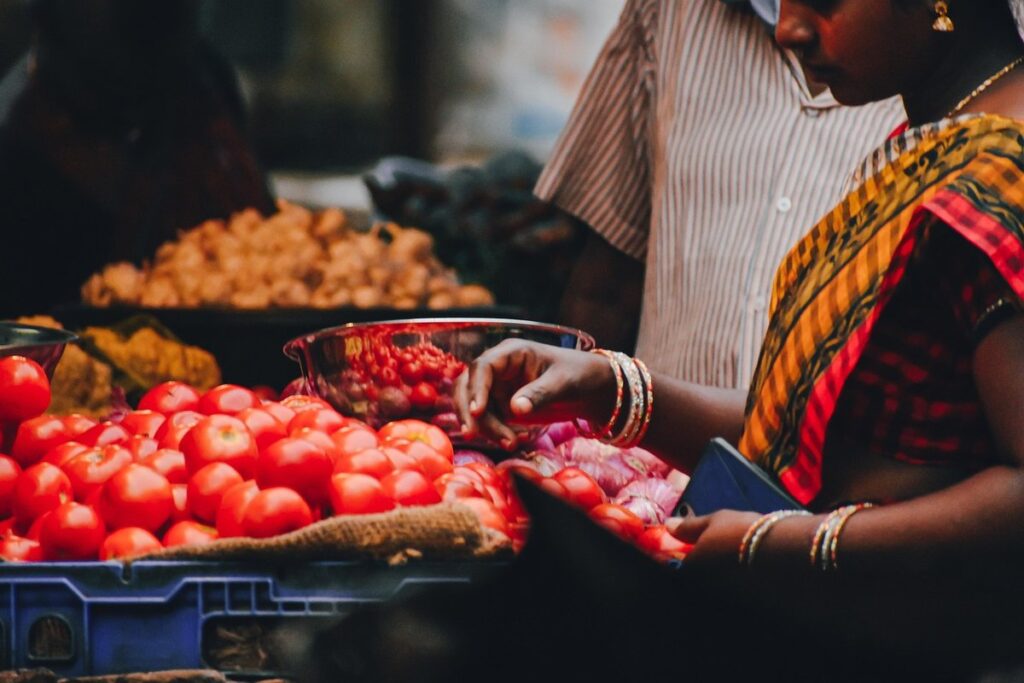
When visiting a farmers market, it can be overwhelming to navigate all the sights and sounds. Knowing what to expect will help you make the most of your experience.
Types of Products Available
At a typical farmers market in Plymouth, you can expect to find an assortment of fresh produce, including crisp fruits and leafy greens. Local farmers often bring their freshly picked strawberries, blueberries, or corn, allowing customers to taste the sweetness of seasonal harvests. In addition to these staples, many vendors offer baked goods like artisanal bread, freshly baked pastries, and homemade granola.
Meat enthusiasts will appreciate the variety of options available, including grass-fed beef, free-range chicken, and wild-caught fish. Some vendors may also offer prepared foods like jams, honey, or specialty sauces made from locally sourced ingredients. For those interested in handmade crafts, you’ll find unique items such as hand-knitted scarves, knitted hats, and woven baskets.
Some popular products to look out for at farmers markets in Plymouth include:
• Fresh produce (berries, corn, leafy greens)
• Artisanal baked goods (bread, pastries, granola)
• Grass-fed meats (beef, chicken, fish)
• Handmade crafts (knitted items, woven baskets)
Tips for First-Time Visitors
When arriving at a farmers market for the first time, it can be overwhelming with the sights, smells, and sounds of the bustling marketplace. To get the most out of your visit, start by taking a stroll through the market to get a sense of its layout and offerings. Look for signs or maps that highlight different sections of the market, such as produce, baked goods, or prepared foods.
When deciding where to shop first, consider what you’re looking for – fresh fruits and vegetables, artisanal cheeses, or specialty jams. You can also ask vendors directly for recommendations on their best-selling products or seasonal favorites. Some markets may have a “new vendor” section or a designated area for local artisans, so be sure to check those out as well.
As you shop, don’t hesitate to ask vendors questions about their products, such as where they source their ingredients or how they prepare their goods. Many vendors will also offer samples of their products, so take advantage of this opportunity to taste before you buy. By taking your time and engaging with the vendors, you’ll not only get a better sense of what’s available but also support local businesses and artisans.
Benefits of Shopping at Farmers Markets
Shopping at farmers markets offers a unique experience that goes beyond just buying fresh produce, it’s also an opportunity to connect with local suppliers and their communities. By choosing to shop here, you’re supporting small businesses and contributing to your community’s economic growth.
Supporting Local Economies
When you shop at farmers markets, you’re not just buying fresh produce – you’re supporting local economies. One of the most significant benefits of shopping at farmers markets is job creation. By purchasing directly from farmers and producers, you’re helping to generate income for local families who rely on their businesses to make a living.
In addition to creating jobs, shopping at farmers markets also generates tax revenue for the community. The money spent at these markets stays within the local economy, rather than being funneled into large corporations or distant suppliers. This means that more of your hard-earned dollars are invested in improving the quality of life for you and your neighbors.
Farmers markets also contribute to community development by fostering connections between local producers and consumers. Regular market-goers often form strong bonds with their favorite vendors, who may offer cooking tips, recipe suggestions, or even volunteer opportunities. By supporting these relationships, you’re helping to build a more resilient and self-sufficient community that’s better equipped to weather economic downturns.
Access to Fresh, Sustainable Produce
When you shop at farmers markets, you have access to a wide variety of fresh, locally grown produce. This is particularly beneficial for your health, as locally sourced fruits and vegetables tend to be higher in nutrients and lower in preservatives compared to their supermarket counterparts. The shorter distance between the farm and your plate also means that these products typically have a lower carbon footprint.
One of the most significant advantages of buying fresh produce from farmers markets is improved nutrition. Produce that’s been picked at the peak of ripeness is more likely to retain its natural nutrients, including vitamins and antioxidants. This can be particularly beneficial for people with dietary restrictions or preferences, as many farmers market vendors offer organic and specialty options.
In addition to nutritional benefits, shopping at farmers markets also reduces your exposure to pesticides and other chemicals commonly used in large-scale agriculture. When you buy directly from the farmer, you’re able to ask about their growing practices and ensure that your food is grown using sustainable methods. This not only improves your health but also supports environmentally friendly farming practices.
How to Choose the Best Farmers Market Vendors
When shopping at farmers markets, it can be overwhelming to decide which vendors to support, so here are some tips for finding the best products. Look for local, organic produce and artisanal goods that align with your dietary preferences.
Researching Vendors Beforehand
Before visiting a farmers market in Plymouth, take some time to research the vendors beforehand. Start by checking for certifications like USDA Organic or Certified Humane, which ensure that products meet specific standards for quality and animal welfare. You can usually find this information on the vendor’s website, social media, or even on their stall at the market.
It’s also a good idea to read reviews from other customers online, either through Google or review websites like Yelp. Pay attention to comments about the vendor’s products, prices, and customer service. If multiple reviewers mention a specific product or service as being particularly excellent, it might be worth seeking out that vendor when you visit.
Additionally, look for vendors who are part of local food cooperatives or have been featured in local publications. These indicators can suggest that they are committed to sourcing high-quality products from their community. By doing some basic research before visiting the market, you’ll be better equipped to make informed choices about which vendors to support and what products to purchase.
Asking Questions and Sampling Products
When approaching a vendor’s stall, take a moment to ask questions about their products. Start by asking about ingredients – what type of soil were they grown in? Are they organic or non-GMO? Some vendors may even have signs detailing this information, but it never hurts to double-check. If you’re interested in the production methods used for a particular item, don’t be afraid to ask. Many farmers are proud of their practices and happy to share them with customers.
For example, you might ask about any heirloom or hybrid varieties used in their products. Some vendors may even have signs detailing this information, but it never hurts to double-check. When it comes to pricing, ask the vendor if they can break down the cost for you – what factors contribute to the final price? Are there any discounts available for bulk purchases or loyalty programs?
If possible, sample a few products before committing to a purchase. This will give you an opportunity to get a sense of the quality and flavor of the food. Pay attention to texture, taste, and aroma – do they align with what you’re expecting from a fresh, locally-sourced product?
History and Culture of Farmers Markets in Plymouth
Plymouth’s farmers markets have a rich history that spans centuries, reflecting the community’s long-standing connection to agriculture. From traditional harvest festivals to modern marketplaces, this section explores the cultural significance of these local markets.
Historical Context
Plymouth’s fertile soil and favorable climate made it an attractive destination for early European settlers, who brought with them farming techniques from their homelands. By the 17th century, the area was home to a thriving agricultural community, with many farms producing a variety of crops including corn, wheat, and vegetables.
As the town grew and developed, so did its market systems. In the late 19th and early 20th centuries, Plymouth’s farmers began to gather their produce in central locations, often near town squares or along main streets, to sell directly to consumers. These informal markets were an important way for local farmers to connect with customers and earn a fair price for their goods.
The modern concept of farmers markets as we know it today began to take shape in the 1970s and 1980s, when Plymouth’s town government started to actively promote and support local farmers’ efforts. This included establishing formal market regulations, providing marketing assistance, and securing funding for infrastructure improvements. Today, Plymouth’s farmers markets are a beloved institution, with several vibrant markets operating throughout the year.
Cultural Significance
Farmers markets in Plymouth have long been integral to the community’s cultural fabric. They serve as vibrant gathering spaces where locals can connect with one another, share stories, and build relationships. On a typical weekend morning, you’ll find families meeting up at the market, grandparents bringing their grandkids to pick out fresh produce, and neighbors catching up on each other’s lives.
The market’s role in preserving local traditions is equally significant. Many vendors have been selling their wares at these markets for generations, passing down recipes and techniques that date back to their ancestors. You might find artisanal bread makers using traditional methods, or farmers offering heirloom varieties of fruits and vegetables that are unique to the area.
To experience the market’s cultural significance firsthand, take a moment to strike up a conversation with the vendors. Ask about their products, their families’ histories, and what makes their offerings special. You might discover hidden gems – like a local honey producer who uses bees from a nearby farm, or a baker who incorporates fresh herbs from her garden into her pastries.
By engaging with the community at these markets, you’ll gain a deeper appreciation for Plymouth’s history and culture.
Tips for Maximizing Your Farmers Market Experience
To make the most of your visit, here are some expert tips on how to navigate and enjoy Plymouth’s vibrant farmers market scene. From selecting the freshest produce to chatting with local vendors, we’ve got you covered!
Creating a Budget and Plan
Before you arrive at the market, take some time to plan and budget for your visit. Start by setting a realistic budget based on what you want to purchase and how much you’re willing to spend. Consider how many people are shopping with you and factor in the cost of any additional items like snacks or drinks.
Next, make a list of the products you want to buy, keeping in mind the seasonal availability of certain items. This will help you avoid impulse purchases and ensure that you get what you need. Check the market’s website or social media for updates on which vendors will be attending each week and plan your visit accordingly.
When planning meals around available products, think about how you can incorporate fresh, locally sourced ingredients into your cooking routine. Consider purchasing in bulk to save money and reducing food waste by using up everything you buy. For example, if you see a great deal on a bunch of fresh kale, plan to use it in salads, smoothies, or sautéed as a side dish over the next few days. By setting a budget and making a plan, you can make the most of your farmers market visit and enjoy the best of what Plymouth has to offer.
Staying Healthy and Safe at the Market
When shopping at the market, it’s essential to prioritize your health and safety. Staying hydrated is crucial, especially on warmer days when you’re out browsing vendors and sampling products. Bring a refillable water bottle and take regular sips throughout the day. You can also consider packing snacks like fruits or energy bars to maintain your energy levels.
To avoid foodborne illnesses, be mindful of the handling and storage practices at each vendor’s stall. Look for signs of proper refrigeration and clean equipment. If you’re unsure about a product’s safety, ask the vendor questions. For example, you might ask how long ago the produce was harvested or whether it’s been stored in a temperature-controlled environment.
Personal safety is also an important consideration. Be aware of your surroundings and keep valuables secure. Avoid leaving bags or purses unattended, and consider keeping a close eye on children while shopping at the market. Additionally, be respectful of vendors’ personal space and property. By taking these simple precautions, you can have a safe and enjoyable experience at Plymouth’s farmers markets.
Frequently Asked Questions
What If I Have Dietary Restrictions and Want to Shop at the Farmers Market?
When shopping at farmers markets with dietary restrictions, it’s essential to communicate openly with vendors about your needs. Many vendors offer gluten-free, vegan, or sugar-free options, so don’t hesitate to ask about ingredients and production methods. Some vendors may even have dedicated sections for special diets, so be sure to explore these areas first.
Can I Sell My Own Products at the Farmers Market?
To sell products at a farmers market in Plymouth, MA, you typically need to apply through the market’s management or vendor association. Requirements vary depending on the specific market and what they’re looking for, but often include providing proof of local production, licenses, and permits. Be prepared to provide information about your products, pricing, and sales strategies.
What If I Find a Product with an Unusual Label or Certification?
If you come across a product with an unfamiliar label or certification, don’t be afraid to ask the vendor for clarification. Many certifications, like USDA Organic or Certified Humane, have specific requirements and regulations that vendors must adhere to. The vendor should be able to explain what the label means and why they chose it.
How Do I Know if a Product is Truly Local?
To ensure you’re buying truly local products at the farmers market, look for labels or signs indicating where the product was grown or produced within Plymouth, MA. You can also ask vendors about their sourcing practices, such as which farms or suppliers they work with. If possible, try to engage with multiple vendors to get a sense of who is selling what and from where.
Can I Bring My Pet to the Farmers Market?
While some farmers markets may allow pets in certain areas, it’s essential to check ahead of time to avoid any confusion or inconvenience. Some vendors might be wary of having pets around their products or stalls, so it’s best to ask market management or vendors directly about pet policies before bringing your furry friend along.