Filipino cuisine is often misunderstood as a simple fusion of international flavors, but in reality, it boasts a rich history that spans centuries. With influences from Malay, Chinese, Spanish, and American cuisines, Filipino cooking has evolved into a unique blend of traditional flavors with modern twists. At its core, Filipino cuisine is about embracing the cultural heritage of the Philippines while adapting to the changing times. One of the key factors contributing to this evolution is the use of local ingredients such as rice, fish sauce, and various types of chilies. From popular dishes like adobo and sinigang to modern innovations that blend international flavors with Filipino staples, there’s a lot to explore in the world of Filipino cuisine. By the end of this article, you’ll have a deeper understanding of the history and cultural significance behind these delicious dishes.
History and Influences
Filipino cuisine is a rich tapestry woven from centuries of foreign influences, from the Malay and Indian traditions to Spanish and American colonial rule. You’ll discover how these historical encounters shaped the country’s distinct flavors and cooking styles.
Spanish Colonization’s Impact on Filipino Food
Spanish colonization introduced a medley of ingredients and cooking techniques that transformed the flavors of Filipino cuisine. The arrival of Spanish conquistadors in the 16th century brought with it pork, beef, chicken, garlic, and vinegar – staples now found in most Filipino kitchens. The colonizers also taught Filipinos to cook using tomatoes, onions, and bell peppers, which were previously unknown in the islands.
One notable example is the emergence of adobo, a savory stew that combines soy sauce, vinegar, garlic, and bay leaves with meat or seafood. This dish is now an integral part of Filipino cuisine, with various regional twists and variations. Another significant influence was the introduction of baking, which led to the creation of sweet breads like pan de sal and ensaymada.
The Spanish also introduced dairy products, such as cheese and butter, which were previously unknown in the islands. However, these products often replaced coconut milk and other local ingredients in many traditional dishes. The result is a cuisine that blends indigenous flavors with European influences, creating a unique flavor profile that is distinctly Filipino. This blend of old and new can be seen in dishes like lechon kawali, which combines crispy fried pork belly with a tangy vinegar sauce.
Chinese and Malay Influence in Filipino Cuisine
Chinese and Malay influence has had a profound impact on the development of Filipino cuisine. The introduction of stir-frying, steaming, and other techniques from these cultures have become integral to many popular dishes. Chinese immigrants brought with them their expertise in cooking meat and seafood over high heat, which is reflected in local favorites like adobo and sisig. Malay cuisine’s emphasis on aromatic spices and herbs has also been adopted, as seen in the use of ingredients like turmeric, lemongrass, and galangal.
Steaming, a Chinese method for cooking fish and vegetables, is particularly prevalent in Filipino cuisine. You can try steaming fresh fish with calamansi and chili peppers for a flavorful and light meal. The Malay influence on rice dishes, such as nasi lemak, has also made its way into local culinary traditions like sinangag and tapao. By understanding the diverse influences that have shaped Filipino food, you can appreciate the nuances of each dish and perhaps even experiment with new recipes at home. Traditional cooking methods and ingredients from these cultures continue to play a significant role in defining the flavors of modern Filipino cuisine.
Common Ingredients and Staples
You’ll find that many Filipino dishes rely on a handful of key ingredients, including vinegar, fish sauce, and various spices. These staples will become familiar friends as you explore the flavors of this vibrant cuisine.
The Role of Rice in Filipino Meals
Rice is an integral part of every Filipino meal. It’s not just a side dish; it’s the centerpiece around which all other food items are arranged. In fact, it’s common for Filipinos to eat their meals with their hands, using a piece of rice as a makeshift utensil to scoop up other foods.
In many Filipino households, the staple is steamed jasmine or regular long-grain rice. This simple yet aromatic grain is paired with an assortment of viands – meat or fish dishes – and vegetables. The way rice is served can also vary; it’s often served plain, but sometimes flavored with garlic, vinegar, or patis (fish sauce).
The cultural significance of rice in the Philippines cannot be overstated. During special occasions such as fiestas and celebrations, elaborate spreads featuring an assortment of dishes are typically served alongside mountains of steaming hot rice. In everyday life, too, rice is a symbol of hospitality and generosity; serving guests plenty of rice is seen as a mark of respect and kindness.
To truly experience the flavors of Filipino cuisine, it’s essential to try various types of rice, such as bagoong rice or sinangag (fried rice).
Fresh Fruits and Vegetables: Key Components of Filipino Cuisine
Fresh fruits and vegetables play a pivotal role in Filipino cooking, with many dishes relying on their natural sweetness and texture. Among the most popular ingredients are tomatoes, onions, and chilies, which add depth to soups, stews, and stir-fries. Tomatoes are often used in sinigang, a sour soup made with tamarind broth and various vegetables. Onions, meanwhile, are sautéed with garlic as the foundation of many Filipino sauces and marinades.
Chilies bring heat to dishes like adobo, a classic chicken or pork stew cooked in vinegar, soy sauce, and garlic. In addition to these staples, other common fruits and vegetables include bok choy, eggplant, and string beans. Many Filipino households grow their own herbs and produce on small plots of land known as “backyards” or maintain relationships with local farmers to ensure a steady supply of fresh ingredients.
To incorporate more fresh fruits and vegetables into your cooking, start by experimenting with Filipino classics like sinigang and adobo. Visit your local market or grocery store to explore the variety of available produce and herbs. Consider visiting the Philippines during peak harvest season to experience the full range of flavors and textures available in the country’s markets.
Popular Filipino Dishes
Filipino cuisine is renowned for its bold flavors and diverse influences, and one of the best ways to experience it is through its beloved dishes. From classic comfort food to regional specialties, we’ll explore some must-try Filipino favorites next.
Adobo: The National Dish’s Story
Adobo is a dish deeply rooted in Philippine history and culture. Its origins date back to the pre-colonial era when Malay cooks used vinegar, garlic, and black pepper to preserve meat. Spanish influence introduced tomatoes and chili peppers, which became integral components of modern adobo. This national dish has since evolved through various regional adaptations, each with its unique twist on traditional ingredients.
One of the most popular variations is sinigang-style adobo from the Visayas region, characterized by its use of tamarind broth instead of tomato sauce. Another variation comes from Mindanao, where cooks often add coconut milk to give the dish a rich and creamy texture. In modern Filipino cuisine, adobo remains a staple at family gatherings and special occasions.
Adobo’s versatility is evident in its compatibility with various meats – chicken, pork, beef, or even fish – as well as vegetables like potatoes and bell peppers. The acidity of vinegar helps balance flavors, making it easy to pair with steamed rice or on its own as a sauce for noodles or pasta.
Lechon: A Symbol of Celebration and Feast
Lechon, a slow-roasted pig, is an iconic symbol of celebration and feast in the Philippines. Its origins date back to the pre-colonial era, where pigs were considered sacred animals. The preparation method involves roasting the entire pig over charcoal or wood fire, resulting in crispy skin and tender meat.
In Filipino culture, lechon is often served at special occasions like fiestas, weddings, and family gatherings. It’s typically roasted whole, with guests waiting anxiously for the prized skin to be carved off. The best part? The crunchy skin, which is often dipped in liver sauce or vinegar. This cultural phenomenon has been passed down through generations, with each region developing its unique way of preparing lechon.
To truly experience the essence of Filipino hospitality, one must try lechon at a traditional gathering. When serving lechon, it’s customary to offer the head and feet first as a sign of respect and generosity. The sight, sound, and smell of sizzling lechon wafting through the air is an experience like no other – a sensory delight that embodies the spirit of Filipino celebration.
Regional Specialties
The Philippines is a melting pot of cultures, and its cuisine reflects this diversity through various regional specialties that showcase unique flavors and cooking techniques. From the spicy dishes of Mindanao to the sweet treats of Iloilo, each region offers its own twist on traditional Filipino flavors.
Northern Luzon’s Famous Ilocano Cuisine
Ilocano cuisine is a unique reflection of Northern Luzon’s rich cultural heritage. The region’s staple ingredients are often sourced from its fertile soil and vast coastlines, giving dishes a distinct flavor profile that sets them apart from other Filipino cuisines.
Bagnet, a deep-fried pork dish, is a popular Ilocano specialty. It’s typically served with liver sauce, which adds a tangy contrast to the crispy exterior and juicy interior of the meat. Another iconic dish is pinakbet, a stir-fry made with a medley of vegetables, tomatoes, and sometimes meat or seafood. The flavor is often enhanced by patis (fish sauce) and vinegar.
Dinengdeng, a vegetable stew, is another key component of Ilocano cuisine. It’s typically cooked in a mixture of broth and coconut milk, giving it a rich and creamy texture. The dish can vary depending on the region and personal preferences, but it often features bitter melon, eggplant, and string beans. When trying these dishes, it’s essential to balance their bold flavors with steamed rice or another neutral-tasting side. This helps to temper the umami taste that Ilocano cuisine is known for.
Southern Philippines’ Sulu and Tausug Cuisines
Sulu and Tausug cuisines are distinct from other regional specialties in the Philippines. The Sulu Archipelago’s geographical isolation has contributed to the development of unique flavors. A key component is the use of fermented fish, evident in dishes like kuwajil. Kuwajil typically features dried or fermented fish mixed with coconut milk and spices, often served at special occasions.
Grilled meat skewers called satti are another staple in Sulu cuisine. Skewers are usually made from beef or chicken marinated in a mixture of vinegar, chili peppers, and spices before being grilled over charcoal. The combination of tangy marinade and charred texture is characteristic of this regional specialty.
In the Sulu region, seafood plays a significant role due to its proximity to the ocean. However, fermented fish remains an integral component in many traditional dishes. This highlights the resourcefulness of local cooks who have learned to preserve fish through fermentation, allowing for year-round consumption regardless of seasonal availability.
Filipino Desserts
Sweet treats are a staple in Filipino culture, and traditional desserts like Leche Flan and Halo-Halo showcase the country’s unique flavor profile. These classic sweets have become an integral part of the local cuisine.
Leche Flan: A Timeless Classic
Leche flan has been a staple in Philippine cuisine for decades, its rich history and cultural significance deeply rooted in the country’s Spanish colonial past. Introduced by the Spanish friars who brought with them their own dessert recipes, leche flan quickly became a favorite among the Filipino elite. The name itself is derived from the Spanish words “leche,” meaning milk, and “flan,” referring to the creamy texture of the custard.
The simplicity of its ingredients belies its complex flavor profile. A mixture of egg yolks, sugar, and evaporated milk, cooked over low heat until set, gives leche flan its signature smoothness. But what sets it apart is the caramel sauce that coats the bottom of the mold, adding a deep, burnt sweetness to each bite.
Leche flan’s cultural significance extends beyond its taste; it’s often served at special occasions such as fiestas and weddings. In Filipino households, leche flan is also a comfort food, evoking memories of family gatherings and celebrations. Its widespread popularity has led to various regional twists on the classic recipe, with some using coconut milk or adding flavors like ube (purple yam) or langka (jackfruit).
Ube Halaya: The Purple Yam Jam’s Rise to Fame
Ube halaya, also known as purple yam jam, has become a staple in Filipino desserts. Its rise to fame can be attributed to its vibrant purple color and sweet, nutty flavor. The yam itself is rich in antioxidants, vitamins, and minerals, making ube halaya a healthier alternative to traditional sweets.
One of the unique uses of ube halaya is as a topping for shaved ice or halo-halo. The jam’s thick consistency allows it to hold its shape even when frozen, adding texture to this popular Filipino dessert. You can also use ube halaya as a filling for cakes and pastries or mix it with whipped cream for a decadent treat.
The health benefits of ube halaya are undeniable. Rich in vitamin C, potassium, and fiber, this purple yam jam is an excellent source of nutrition. The antioxidants present in ube help to protect the body against free radicals, reducing the risk of chronic diseases like cancer and heart disease. To enjoy the benefits of ube halaya, look for recipes that use real yams rather than artificial food coloring. This will ensure you’re getting the most out of this nutritious Filipino dessert.
Modern Filipino Cuisine
Filipino cuisine is a vibrant fusion of flavors, and modern twists on traditional dishes are taking center stage. Let’s explore how contemporary chefs are reimagining classic Pinoy recipes.
Fusion of Traditional and International Flavors
In recent years, modern Filipino cuisine has become a melting pot of traditional flavors and international influences. This fusion is evident in innovative chefs and restaurants who are pushing the boundaries of Pinoy food. For instance, Chef Robby Goco’s Mezzo Restaurant in Manila combines classic adobo with Japanese teriyaki sauce to create a unique fusion dish.
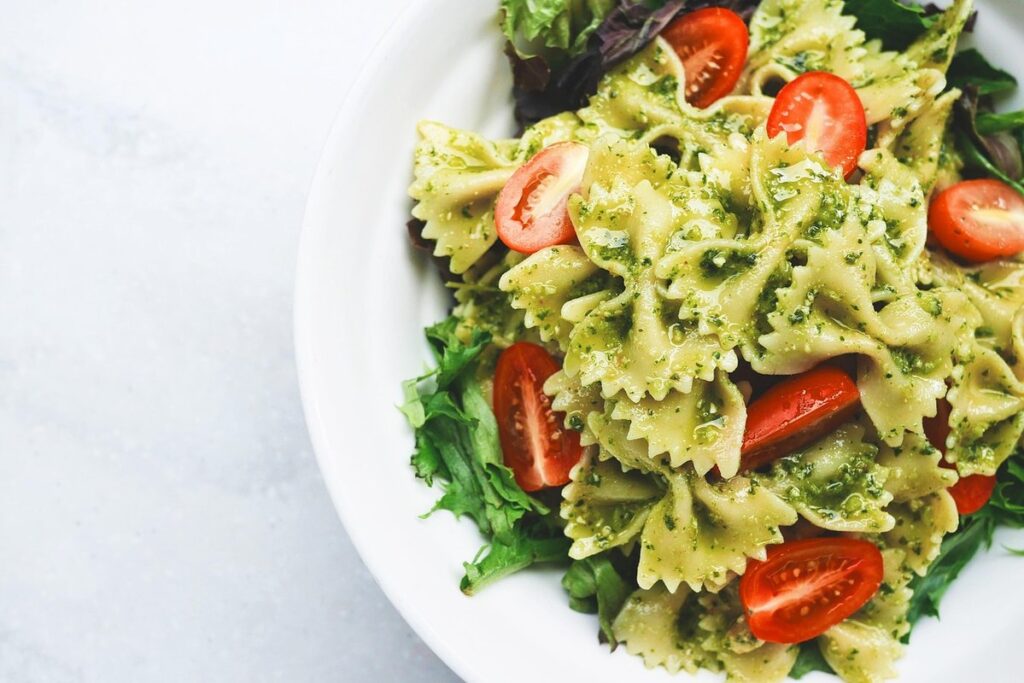
One notable example is the rise of modern Filipino-Italian cuisine. Restaurants like Cibo in BGC offer creative takes on traditional Filipino dishes, such as pasta versions of sinigang and sisig. This blend of Italian technique with Filipino flavors results in bold, vibrant dishes that showcase the versatility of Pinoy cuisine.
Some chefs are experimenting with international spices and herbs to add depth to traditional Filipino dishes. For example, Chef Margarita Fores’ Cibo uses Korean chili flakes (gochugaru) to spice up its adobo, while her pasta is tossed with Filipino-style chili garlic oil made from sili leaves. This innovative approach has earned praise from food critics and locals alike.
Chefs are also incorporating international techniques into their cooking methods. Some have adopted sous vide machines to precisely control the temperature of their dishes, resulting in perfectly cooked meats that retain their natural flavors. Others use molecular gastronomy to create visually stunning dishes like foie gras-stuffed lechon manok.
For those interested in trying modern Filipino cuisine with a twist, explore restaurants and chefs who are experimenting with international influences. You can also try recreating these fusion dishes at home by substituting ingredients or techniques from other cuisines into your favorite Pinoy recipes. By doing so, you’ll discover new flavors and textures that showcase the diversity and adaptability of modern Filipino cuisine.
Frequently Asked Questions
What If I Want to Try Filipino Cuisine at Home but Don’t Know Where to Start?
Start by exploring simple recipes like adobo or sinigang, which require minimal ingredients and equipment. You can also try online recipe platforms or cooking blogs specializing in Filipino cuisine for inspiration and guidance.
How Can I Introduce New Ingredients and Flavors into My Own Cooking without Deviating from Traditional Recipes?
Experiment with substitution and layering techniques, such as adding fresh herbs to traditional dishes or using different protein sources like chicken or tofu. Also, consider consulting online resources or cooking communities for creative suggestions on incorporating new flavors.
Are There Any Specific Equipment or Tools I Need to Make Filipino-Style Dishes Like Lechon or Satti?
While some equipment like a large wok or griddle can be beneficial, many traditional Filipino dishes can be made with basic kitchen tools. For example, lechon is typically cooked on a whole pig roaster or spit, but it’s also possible to make a simplified version using a rotisserie oven.
How Can I Adapt Modern Fusion Recipes for My Own Taste and Dietary Requirements?
When adapting fusion recipes, start by modifying ingredients or cooking techniques to suit your taste preferences. For example, if a recipe calls for pork, you can substitute it with chicken or tofu for a leaner option. Also, consider adjusting spice levels and ingredient ratios according to your dietary needs.
What If I Want to Explore Regional Specialties Beyond the More Popular Dishes Like Adobo and Lechon?
Look into cookbooks or online resources focusing on specific regional cuisines like Ilocano or Sulu cuisine for inspiration. You can also try visiting Filipino restaurants that specialize in these regions’ unique flavors and ingredients to get a firsthand taste experience.