Family is at the heart of German culture, where heritage and tradition play a significant role in shaping family life. In Germany, the concept of “Familie” extends far beyond immediate relatives, encompassing a sense of community and belonging that’s deeply ingrained. From festive celebrations to everyday customs, German family traditions are a vital part of the country’s rich cultural heritage. As a result, many families in Germany strive to preserve and honor these traditions, even in modern times. But how can you, as a German family or someone interested in German culture, adapt these customs to suit your own lifestyle and values? In this article, you’ll learn about the significance of family in German culture, explore traditional customs and heritage, and discover practical ways to preserve and adapt these traditions for a modern era, ultimately enriching your family life with a deeper connection to your roots.
The Significance of Family in German Culture
Family is at the heart of German culture, and understanding its significance is crucial to grasping the country’s rich heritage and traditions. In this context, we’ll explore the importance of family in shaping German identity.
The Importance of Blended Families
In Germany, blended families are a common phenomenon, and the country’s family traditions often accommodate this reality. Many Germans grow up in households where both biological parents are not present, and this can lead to a stronger emphasis on community and extended family ties. For instance, grandparents may take on a more significant role in raising their grandchildren, while aunts, uncles, and cousins become like siblings.
This blending of family structures can also be seen in the way traditions are passed down. In many German families, multiple generations contribute to the preservation and adaptation of customs, making them a unique blend of old and new. For example, a family might celebrate Christmas with a mix of traditional German carols and modern decorations, reflecting the diverse influences of their blended household.
A small minority of blended families might struggle to balance their individual cultural backgrounds, but the majority thrive on the rich diversity that comes with blending traditions. To preserve cultural heritage, blended families in Germany often draw from the collective experiences of their ancestors, incorporating and adapting customs to create a truly unique family identity.
Family Ties and Social Expectations
In Germany, family ties are deeply ingrained in the culture, and social expectations surrounding family obligations and responsibilities are strong. The concept of “Familienbindung” (family bond) emphasizes the importance of maintaining close relationships with relatives, particularly elders. Germans are known to prioritize family commitments, often putting them above personal interests. For instance, it’s common for children to care for their aging parents, and adult children may live with their parents until they get married or establish their own households.
Familienbindung also involves a sense of responsibility towards one’s extended family. Germans are expected to participate in family gatherings, celebrations, and traditions, which can be a significant aspect of their social lives. In fact, many Germans find it difficult to balance work and family obligations, leading to a phenomenon known as “Familiengerechtigkeit” (family justice), where individuals are expected to prioritize family needs over personal goals.
To navigate these expectations, it’s essential to understand the importance of family in German culture. By acknowledging and respecting these social norms, expats and visitors can build stronger relationships with their German hosts and integrate more smoothly into the community.
The Role of Elders in German Families
In German families, elderly relatives play a significant role in shaping family traditions and influencing decision-making processes. They often serve as guardians of cultural heritage, passing down stories, recipes, and customs to younger generations. This is particularly evident in rural areas where older family members are often responsible for maintaining traditional practices and preserving family history.
Elders in German families are also sought after for their wisdom and life experience. They are often consulted on important family matters, such as business decisions, education choices, and marriage arrangements. This respect for elders’ opinions is deeply ingrained in German culture, where age is associated with authority and experience.
One way to incorporate the wisdom of elderly family members is to involve them in family gatherings and celebrations. This can be as simple as asking grandparents to share traditional recipes or stories during holiday meals. Alternatively, families can also seek out their elders’ advice on cultural matters, such as how to navigate complex family relationships or how to balance traditional values with modern lifestyles. By doing so, families can tap into the wealth of knowledge and experience that elderly relatives possess.
Traditional German Family Activities and Celebrations
Traditional German family activities are deeply rooted in cultural heritage, with many unique celebrations and customs that bring families together. Let’s take a closer look at some of the most beloved German family traditions.
Christmas and the Weihnachtsmarkt
Christmas is a time of great joy and celebration in Germany, and for many families, this is a time to come together and strengthen their bonds. At the heart of these festive traditions is the Weihnachtsmarkt, or Christmas market, which is an integral part of the holiday season. These markets, typically held in the weeks leading up to Christmas, offer a unique and festive atmosphere where families can gather to shop, dine, and enjoy the sights and sounds of the season.
A visit to the Weihnachtsmarkt is a must-do experience for many German families. They offer a wide range of traditional foods, drinks, and handmade crafts, such as wooden toys, glassblown ornaments, and intricately decorated Christmas cookies. Families often make it a point to visit the market together, enjoying the festive atmosphere and selecting special gifts and treats. Many Weihnachtsmarkts also offer live music, dancing, and other entertainment, making it a fun and lively experience for all ages.
Some popular items to look for at the Weihnachtsmarkt include Glühwein, a warm spiced wine that’s perfect for the cold winter months, and Lebkuchen, a traditional German gingerbread cookie. Don’t forget to try some roasted chestnuts or Bratwurst, a classic German sausage, to keep you warm and cozy.
Easter and Ostern
Easter, or Ostern as it’s known in German, is a time-honored celebration in Germany, deeply rooted in family traditions. On Easter Sunday, families often gather for a festive meal, typically featuring traditional dishes like lamb or ham, red eggs, and spring vegetables. The Easter egg hunt, or Ostereiersuchen, is a beloved activity for children, who scour the house and garden for hidden eggs filled with treats or small toys.
Easter Monday, or Ostersonntag, is a public holiday in Germany, and many families take the day to relax and enjoy each other’s company. Children often participate in outdoor activities like egg rolling, kite flying, or simply playing in the springtime sunshine. In some regions, Easter Monday is also a time for family meals and picnics in the countryside.
In German culture, Easter is a time for renewal and new beginnings. Families often take the opportunity to come together and strengthen their bonds. For example, in some regions, it’s customary to exchange small gifts or flowers on Easter Monday, a tradition that dates back to the Middle Ages. By participating in these time-honored activities, families can connect with their heritage and create lasting memories.
Harvest Festivals and Erntedankfest
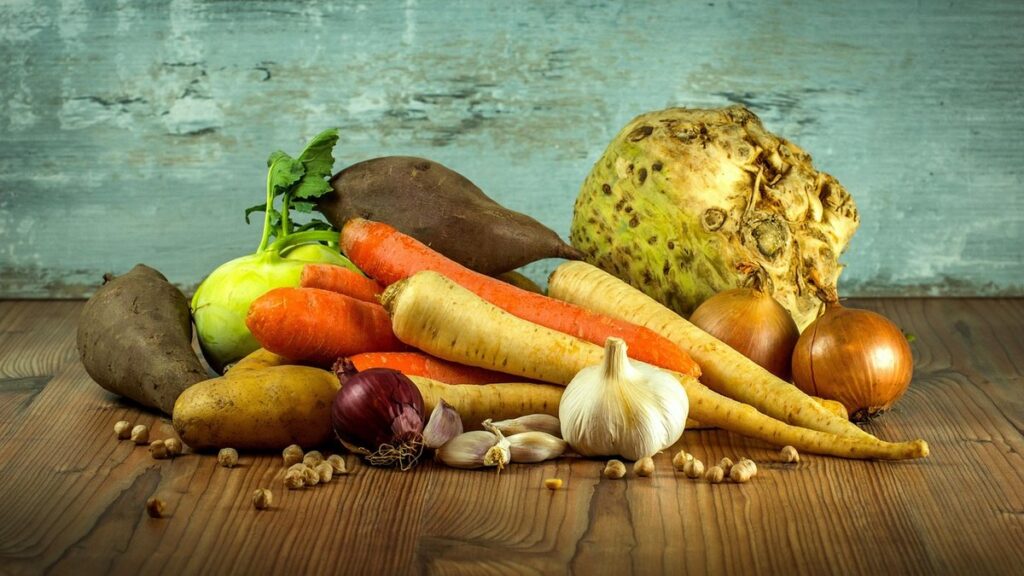
In Germany, the harvest season is a time for celebration and gratitude. Harvest festivals, or Erntedankfest in German, are a cherished tradition that brings families and communities together to give thanks for the bounty of the land. These festivals typically take place in September or October, and are often accompanied by traditional music, dancing, and feasting. The Erntedankfest is particularly significant, as it honors the hard work of farmers and the importance of community in harvesting the crops.
During these festivals, families and friends come together to share in the harvest, often with a focus on local and seasonal produce. Traditional dishes, such as potato pancakes and apple strudel, are a big part of the celebration. Many communities also organize parades, processions, and other festivities to mark the occasion. For families, the Erntedankfest is a time to reconnect with nature, appreciate the value of hard work, and give thanks for the simple pleasures in life. By participating in these harvest festivals, families can experience the rich cultural heritage of Germany firsthand and strengthen their bonds with one another.
German Family Traditions and Food
Let’s start with one of the most beloved German family traditions – food! Traditional German cuisine plays a significant role in family gatherings and celebrations, bringing people together.
The Significance of German Cuisine
German cuisine plays a vital role in the country’s family traditions, often serving as a catalyst for social bonding and cultural heritage. Hearty meals are a staple of German family gatherings, with dishes like schnitzel, sauerbraten, and spätzle being passed down through generations. These meals are not only a source of nourishment but also a way to connect with family and community.
Seasonal ingredients are also highly valued in German cuisine, with many traditional recipes incorporating fresh produce and meats available during specific times of the year. For example, asparagus is a prized ingredient in springtime, while game meats like venison and wild boar are featured in autumnal dishes. By incorporating seasonal ingredients, families can enjoy the freshest flavors while also respecting the natural cycle of the seasons.
Family recipes are also an essential part of German cuisine, with many households preserving traditional recipes through oral tradition and handwritten recipe books. When preparing these dishes, families often gather together, sharing stories and laughter as they cook. By cooking together, families can strengthen their bonds, preserve cultural heritage, and create lasting memories.
Traditional German Dishes and Recipes
Schnitzel, Sauerbraten, and Apfelstrudel are just a few examples of the traditional German dishes that have been passed down through generations. These classic recipes are not only delicious but also hold significant cultural and emotional value for German families. For instance, Sauerbraten, a pot roast dish marinated in vinegar, water, and spices, is often served on special occasions like Christmas or Easter. The preparation and cooking of these dishes are often seen as a way to show love and care for family members, particularly the elderly.
In many German households, cooking traditional dishes is a family affair, with multiple generations contributing to the preparation and cooking. This collective effort is not only a way to bond but also a means to preserve cultural heritage. For example, Apfelstrudel, a pastry filled with apples, sugar, cinnamon, and sometimes raisins or nuts, is often made with a family recipe that’s been passed down through generations. When preparing these dishes, families often share stories and memories associated with the recipes, making the experience even more meaningful.
To incorporate these traditional dishes into your own family’s traditions, consider inviting older relatives to share their favorite recipes and cooking techniques. You can also experiment with traditional ingredients and methods to create a sense of continuity with your heritage.
Family Gatherings and Mealtimes
Mealtimes in German families are a cherished institution, fostered by the concept of “Gemütlichkeit,” which roughly translates to coziness or conviviality. This atmosphere of warmth and togetherness is not just about filling stomachs, but about creating a sense of belonging and community. German families often gather for large, elaborate meals, such as Christmas dinner or special occasions like name-day celebrations. These events typically involve traditional dishes like roast goose or Sauerbraten, served with plenty of beer and wine.
In German culture, the value of shared meals lies not just in the food itself, but in the time spent together. Mealtimes are often leisurely, allowing family members to catch up on each other’s lives and engage in lively conversations. To recreate this atmosphere, German families often make an effort to eat together as often as possible, even on weekdays. This might involve setting aside electronic devices and distractions, and simply enjoying each other’s company over a meal. By prioritizing shared mealtimes, families can foster a deeper sense of connection and strengthen their bonds.
German Family Traditions and Rites of Passage
In Germany, family traditions and rites of passage are deeply ingrained in daily life, celebrating milestones and strengthening family bonds. Let’s take a closer look at some of these cherished customs.
Coming of Age in German Culture
In Germany, coming of age is marked by two significant ceremonies: the “Konfirmation” (Confirmation) and “Jugendweihe” (Youth Dedication). The Konfirmation typically takes place at the age of 14, although this can vary depending on the church and family traditions. During the ceremony, the young person reaffirms their faith and commitment to the Lutheran church. The Jugendweihe, on the other hand, is a secular ceremony that takes place around the same age. It’s a celebration of the young person’s transition to adulthood, emphasizing their independence and responsibility.
Both ceremonies hold great significance in German culture, as they mark a young person’s transition from childhood to adulthood. They’re an opportunity for families to come together and celebrate this important milestone. In some regions, the Jugendweihe is followed by a festive meal, often featuring traditional dishes such as schnitzel or sausages. For parents, these ceremonies provide a chance to reflect on their child’s growth and development, and to pass on values and traditions to the next generation.
In terms of participation, young people are usually expected to take an active role in the ceremonies, whether it’s reading from scripture, singing hymns, or participating in a ritual. This is an important way to engage with the community and express their commitment to their faith or values.
Weddings and Family Expectations
Weddings in Germany are often a family affair, with relatives playing a significant role in the planning and celebration. Traditionally, families would gather at the wedding location, often a church or a small village hall, to support the newlyweds. The role of the family is not limited to just attending, however. They are often expected to contribute to the festivities, whether it’s through music, food, or other forms of entertainment.
In many cases, the bride’s family will take the lead in planning the wedding, with the groom’s family contributing to the preparations as well. This can be seen as a way of maintaining social connections and strengthening family bonds. For example, in some regions, it’s customary for the groom’s family to provide the wedding cake, while the bride’s family might be responsible for organizing the decorations.
Guests at German weddings often participate actively in the celebrations, with traditional dances and games being a big part of the festivities. The wedding party typically includes a series of traditional dances, such as the polka or the waltz, which are often performed by the wedding party and their guests.
Funeral Customs and Memorial Services
In German culture, funeral customs and memorial services are deeply rooted in tradition and community. When a loved one passes away, the focus shifts from individual grief to collective mourning, with family and friends gathering to pay their respects. This communal approach to mourning is a hallmark of German funerals, where the emphasis is on supporting one another through the difficult time. The traditional funeral procession, known as the Trauerzug, often involves a solemn walk through the town or village, accompanied by mournful music and the presence of local dignitaries.
The funeral service itself typically takes place in a local church or cemetery, with a eulogy delivered by a close family member or friend. The service is often followed by a reception, where mourners can gather to share memories and console one another. In many cases, a traditional German funeral will also include a graveside ceremony, where mourners gather to pay their respects at the final resting place. While modern funerals in Germany may adopt more contemporary customs, these traditional elements remain an essential part of the country’s cultural heritage.
The Evolution of German Family Traditions
As we explore the rich tapestry of German family traditions, this section delves into the fascinating changes that have shaped these customs over the centuries, from old to new.
Modernizing Family Traditions
Globalization and technology have significantly impacted traditional German family customs, leading to a shift in how families celebrate and interact with one another. For instance, the rise of digital communication has made it easier for families to stay in touch, regardless of geographical distance. Many Germans now use video calls to participate in family gatherings, such as Christmas and Easter celebrations, which were once solely in-person events. This adaptation has allowed families to maintain cultural traditions while also embracing modern convenience.
The influence of globalization is also evident in the types of food and activities that families engage in. Traditional German cuisine is often modified to incorporate international flavors and ingredients, reflecting the country’s growing cultural diversity. Some families, for example, now celebrate Oktoberfest with a fusion of German and Mexican cuisine, blending bratwurst with tacos and tortillas.
To modernize family traditions, consider incorporating digital elements into your celebrations. Create a shared family calendar to keep everyone informed about upcoming events, or use video conferencing to include distant relatives in family gatherings. By embracing these changes, you can preserve cultural heritage while also making it more accessible to a wider audience.
Adapting to Changing Times
German families are not immune to the changing times, and their traditions are evolving to reflect modern values and needs. Many are incorporating more flexibility and individuality into their family celebrations, allowing each member to contribute their unique interests and perspectives. For instance, some families now hold cultural fusion events, blending traditional German customs with modern music, food, or activities. This fusion not only keeps the family connected to their heritage but also introduces them to diverse cultural practices.
Some families are also shifting their focus from material gifts to experiential gifts, such as a family trip or a fun activity. This approach emphasizes quality time over physical presents, fostering stronger bonds and memories. However, this also requires more effort and coordination from family members, highlighting the importance of open communication and planning. Others are exploring digital ways to connect with distant relatives and friends, making it easier to share in celebrations remotely. By embracing these changes, German families can revitalize their traditions, making them more inclusive, relevant, and meaningful to their modern lives.
Preserving Cultural Heritage
German families and communities have long recognized the importance of preserving cultural heritage for future generations. In recent years, there has been a growing effort to document and pass down traditional practices, customs, and stories. Many families have established their own archives, collecting family histories, recipes, and other treasured artifacts. These efforts not only help to preserve the past but also provide a sense of continuity and connection to one’s heritage.
One notable example is the “Heimat” initiative, a nationwide project that aims to document and preserve local cultural heritage. Families and communities are encouraged to share their stories, traditions, and customs, which are then compiled into a comprehensive database. This database serves as a valuable resource for researchers, historians, and anyone interested in learning more about German family traditions.
To preserve cultural heritage, families can start by documenting their own family histories, traditions, and customs. This can be done through oral histories, written records, or even video recordings. By sharing their stories and traditions, families can help to preserve their cultural heritage for future generations.
Frequently Asked Questions
Can I adapt German family traditions for a small, non-traditional family?
Yes, you can adapt German family traditions to fit your unique family structure. Consider the core values and principles behind the traditions, such as family bonding and celebration, and incorporate them into your own celebrations. For example, you could host a small Weihnachtsmarkt-style gathering with your family or create a DIY Easter egg hunt for your kids.
How do I balance preserving cultural heritage with modernizing family traditions?
To balance preserving cultural heritage with modernizing family traditions, start by identifying the essential elements of your cultural heritage that are meaningful to you and your family. Then, adapt these elements to suit your modern lifestyle and values. For instance, you could incorporate traditional German recipes into your meal planning, but use modern ingredients or cooking methods to make them more accessible.
What if I’m struggling to connect with my family’s cultural heritage?
If you’re struggling to connect with your family’s cultural heritage, try exploring your family history and traditions through storytelling, cooking, or other activities. You can also reach out to older family members or cultural organizations for guidance and support. Remember, cultural heritage is not just about tradition; it’s also about creating new experiences and memories with your loved ones.
Can I incorporate German family traditions into my own holiday celebrations without feeling like I’m “doing it wrong”?
Yes, you can incorporate German family traditions into your own holiday celebrations without feeling like you’re “doing it wrong.” Focus on the underlying values and principles behind the traditions, such as family bonding, gratitude, and celebration. Don’t be afraid to make the traditions your own and adapt them to fit your unique cultural and personal context.
How do I ensure that my children understand and appreciate their cultural heritage?
To ensure that your children understand and appreciate their cultural heritage, start by sharing stories and traditions with them from a young age. Encourage them to participate in cultural activities, such as cooking traditional meals or attending cultural events. You can also involve them in the planning and execution of family celebrations, allowing them to take ownership of their cultural heritage and traditions.