
Goodbyes can be tricky to navigate in any language, but in Swedish, they’re particularly nuanced. You may think you’ve mastered “hej” and “farväl,” but there’s more to a proper goodbye than just waving goodbye. In Swedish culture, formalities are still observed, even in informal situations, making it essential to know the right phrases for each occasion. Whether you’re visiting Sweden or communicating with native speakers, mastering goodbyes is crucial for showing respect and building relationships. This article will cover essential phrases, verb conjugation, and cultural insights to help you master goodbyes in Swedish, from formal “farväl” to informal “hejdå.” By the end of this guide, you’ll be able to express yourself confidently in a variety of situations, from saying goodbye to friends at a café to farewelling colleagues at work.
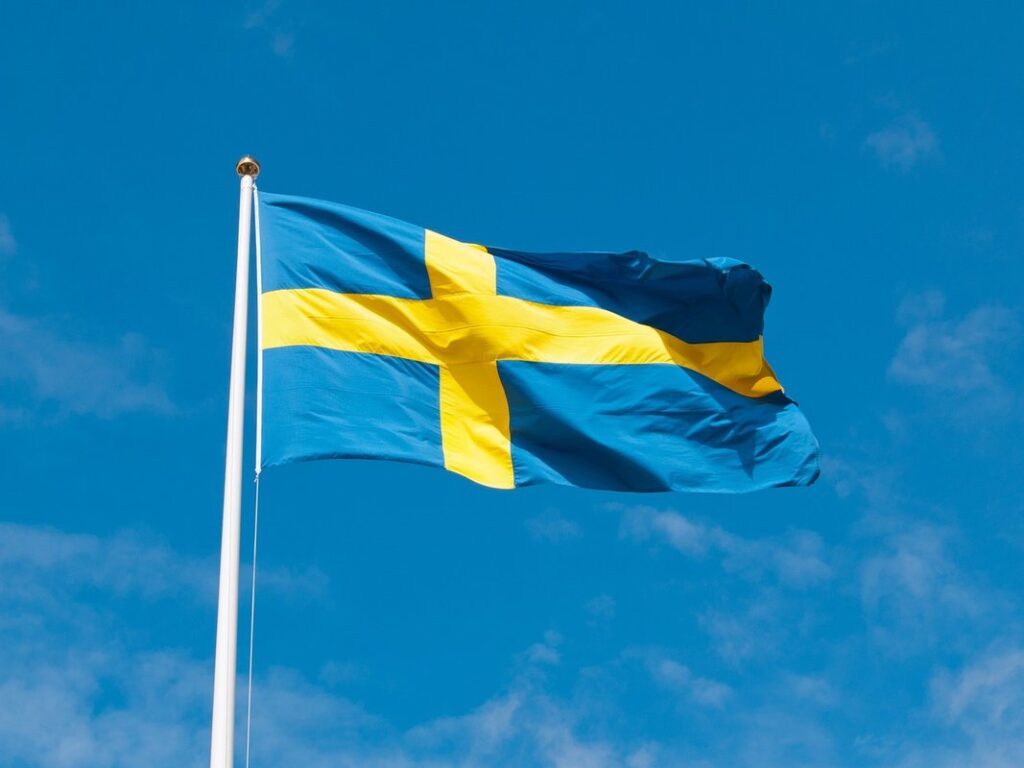
Learning Basic Goodbyes in Swedish
Mastering basic goodbyes in Swedish can make a huge difference in your interactions, so let’s start with some essential phrases to help you bid farewell like a pro.
Common Formal Goodbyes
When interacting with Swedes in formal situations, it’s essential to use the correct formal goodbyes. Three common expressions are “hej då,” “farväl,” and “adjö.” While “adjö” is often considered more informal than the others, it can still be used in formal settings, especially when parting ways with someone you have a close relationship with.
“Hej då” is a straightforward way to bid farewell, literally meaning “hello goodbye.” It’s suitable for most formal situations and can be used in both spoken and written communication. “Farväl,” on the other hand, carries a slightly more emotional tone, implying a deeper sense of separation or finality. This phrase is often used in situations where you won’t see someone again soon.
When choosing between these three options, consider the context and the level of formality required. In general, “hej då” is a safe choice for most formal interactions. If you want to convey a deeper sense of goodbye or separation, opt for “farväl.”
Informal Goodbyes with Friends
When saying goodbye to friends in an informal setting, you can opt for a more relaxed tone. One popular way is to use the phrase “påsen” (pronounced “paw-sen”). This is essentially a casual way to bid farewell, similar to “see you later” or “catch you soon.” It’s commonly used with friends and acquaintances in informal settings.
Another option is “se snart igen,” which literally means “see you soon.” This phrase conveys a sense of looking forward to seeing your friend again. You can use it when parting ways, but expecting to meet up soon.
To get the most out of these phrases, remember that Swedish culture values directness in communication. Avoid beating around the bush or using overly polite language – instead, opt for straightforward and sincere expressions. This will help you connect with your friends on a more authentic level. For example, if you’re hanging out at a friend’s apartment and it’s time to leave, simply say “påsen!” or “se snart igen” as you head out the door. Your friends will appreciate the casual, laid-back vibe.
Verb Conjugation for Goodbyes
Conjugating verbs is a crucial aspect of expressing goodbyes in Swedish, and mastering it will help you convey nuanced emotions in your farewell messages. Let’s explore how to conjugate key verbs like farväl, hejdå, and adjö.
Present Tense: Saying Goodbye in the Moment
When saying goodbye in the present tense, you’ll often use the verb conjugations “ska”, “kan”, and “vill” to express your intentions or abilities. For example, if you want to say that you must leave now, you’d use “Jag ska gå nu” (I must go now). To convey that something is possible for you, such as visiting a friend tomorrow, use “Jag kan komma imorgon” (I can come tomorrow).
To express willingness or intention, employ “vill”. For instance, if you’re saying goodbye to someone at the bus station and plan to meet up later, say “Jag vill ses senare” (I will see you later). Note that “ska” is often used in formal situations, while “kan” is more suitable for informal conversations.
Be mindful of context when using these verb conjugations. For instance, if you’re leaving a job, it’s better to use the phrase “Jag ska lämna min tjänst” (I will leave my position) rather than “Jag vill lämna min tjänst”, which implies you want to but might not actually be able to do so.
Imperative Mood: Giving Orders or Making Requests
In formal situations, such as when saying goodbye to someone you don’t know well, like a coworker or a customer, you’ll often use the imperative mood. This is because it’s used for giving orders, making requests, and expressing necessity, which is fitting for situations where there’s a power dynamic or a need for clear instruction.
When using the imperative mood in Swedish, you typically drop the pronoun “du” (you) and just use the verb in its base form. For example, if you want to say goodbye formally, you might use “Hejdå!” (goodbye), but to give an order or make a request, you would say something like “Var snabb!” (hurry up!) or “Stäng dörren!” (close the door!).
The imperative mood is also used for polite requests. For instance, if you want someone to close their laptop so you can sit down, you might say “Lägg av din dator” (turn off your computer). Pay attention to the context and use the correct verb conjugation for each situation.
Some common verbs in the imperative mood include “ge upphör”, which means “stop”, and “kom ihåg”, which means “remember”.
Cultural Insights into Swedish Goodbyes
In Sweden, a warm goodbye can make all the difference in building relationships and showing respect. This is where traditional goodbyes come into play, with cultural nuances to consider.
The Importance of Directness in Swedish Communication
Directness is a cornerstone of Swedish communication. When it comes to goodbyes, Swedes value straightforwardness and honesty over elaborate expressions or lengthy farewells. You’ll notice that Swedes often say goodbye with a simple “hej då” (hello, then) or a direct “ha det bra” (goodbye, take care). This direct approach is not just about efficiency but also reflects the Swedish culture’s emphasis on being genuine and sincere in interactions.
In Sweden, it’s common to prioritize getting straight to the point rather than beating around the bush. This applies to both spoken and written communication. For instance, when saying goodbye, a Swede might not bother with elaborate descriptions of their plans or feelings but instead focus on the essential: “Jag ska gå nu” (I’m going now). This directness is also reflected in Swedish goodbyes that are often more concise than those used in other cultures.
To practice this level of directness when saying goodbye in Swedish, try to avoid overexplaining your actions or feelings. Focus on the essential phrase and keep your farewell brief.
Physical Touch in Swedish Culture: What You Should Know
In Sweden, physical touch is a complex aspect of goodbye culture. While some may view it as overly casual, Swedes tend to be more reserved when it comes to displays of affection, especially in formal settings or with those they don’t know well. When parting ways, you might notice that Swedes often opt for a handshake rather than a hug or kiss.
However, there are instances where physical touch is perfectly acceptable. For example, if you’re saying goodbye to close friends or family members, a hug or a peck on the cheek (known as “plocka kind” in Swedish) might be a common occurrence. In these situations, it’s essential to pay attention to nonverbal cues and follow the other person’s lead. If they extend their arms for a hug or lean in for a kiss, you can reciprocate accordingly.
It’s also worth noting that physical touch is more prevalent among younger Swedes and those in more casual social settings. When interacting with older individuals or in professional environments, it’s best to err on the side of caution and stick to traditional handshakes or polite bows.
Idiomatic Expressions for Goodbyes
When saying goodbye in Swedish, idiomatic expressions can add a touch of culture and personality to your farewell. Here are some common expressions you’ll want to know when parting ways.
Common Idioms Used When Leaving a Place
When leaving a place in Sweden, you’ll often hear people use idiomatic expressions to bid farewell. Two common ones are “ha det bra” and “se dig sen”. The first phrase, “ha det bra”, roughly translates to “take care” or “all the best”. It’s often used when parting ways with someone you know well, like a colleague or a neighbor. For instance, if you’re leaving your office for the day and bump into a coworker, they might say, “Ha det bra, se snart!” (Take care, see you soon!).
Another expression is “se dig sen”, which means “see you later”. This one’s more casual and used when saying goodbye to friends or acquaintances. For example, if you’re meeting up with a friend at a café but need to leave early, they might say, “Jag måste gå nu, se dig sen!” (I have to go now, see you later!).
In written communication, like in text messages or social media posts, these idioms can be used too. However, keep in mind that formal writing often calls for more structured language. In general, using these expressions will help you sound more natural and fluent when interacting with native speakers.
Using Idioms in Written Communication
When using idiomatic expressions for goodbyes in written communication, such as text messages and emails, it’s essential to adapt them for a digital format. One way to do this is by breaking down complex phrases into simpler language or abbreviating them to fit the concise nature of messaging apps. For example, “Ha det bra!” (have a great day!) can be shortened to “Hej! Ha det bra” in an email signature.
When writing emails, consider using idioms that convey a sense of gratitude and appreciation for the recipient’s time or consideration. A phrase like “Tack för allt!” (thank you so much) can go a long way in expressing your gratitude. Remember to keep tone and language consistent with the digital format; what works in person may not translate as well online.
In text messages, idioms can be used more briefly, but it’s still essential to consider the recipient’s perspective. A simple “Hejdå!” (goodbye) or “Tack” (thank you) can be sufficient, especially when paired with a brief explanation of your actions or plans.
Consider the following tips for using idioms in written communication:
- Use shorter phrases in text messages and emails to maintain brevity.
- Be mindful of tone and language consistency across different formats.
- Choose idioms that convey gratitude and appreciation for the recipient’s time.
- Keep it concise, but still clear and respectful.
Regional Variations in Swedish Goodbyes
Swedish goodbyes can vary significantly depending on where you are in the country, from formal to informal and even regional slang. Let’s take a look at some of these variations across Sweden’s diverse regions.
Differences Between Formal and Informal Goodbyes
In Sweden, formal goodbyes tend to be more polished and courteous, especially when interacting with people you don’t know well. You might say “Hejdå” (HA-ydow) or “Adjö” (AH-yoh) when parting ways with a stranger or someone in a professional setting. In contrast, informal goodbyes are often more casual and may involve using the verb “gå” (GOH-ah), as in “Jag ska gå nu” (YAG SKA GOH NOO). When bidding farewell to friends, you can use phrases like “Påskärva!” (PAH-skahr-vah) or simply “Hej då” (HA-ydow DAH).
In the north of Sweden, especially in Lapland, it’s not uncommon for people to use more rustic and earthy language when saying goodbye. For example, you might hear “Kul i mötet!” (Kool ee MEE-teht), which roughly translates to “Goodbye, may our paths cross again.” In the south of Sweden, particularly in Skåne, a region near Denmark, people tend to use more formal language even when saying goodbye to friends. In this case, you might say “Adjö för tillfälligt” (AH-yoh foor teel-fee-layt), which is a polite way of saying “See you later.”
When interacting with locals in different regions, be mindful of the local customs and use the corresponding formal or informal goodbye.
Unique Goodbye Traditions in Specific Regions
In northern Sweden, particularly in Lapland, it’s customary for friends to bid each other farewell with a hearty “Familj!” (FEH-mee-lee), meaning “family” or “close relative.” This tradition acknowledges the strong sense of community and family bonds that exist in this region. In contrast, on the west coast of Sweden, particularly in Gothenburg, it’s not uncommon for friends to say “Må bra!” (MAH broh) when parting ways, which roughly translates to “take care” or “good luck.” This phrase is often accompanied by a friendly handshake or a pat on the back. In Skåne, Sweden’s southernmost region, it’s common for people to bid each other farewell with a warm “Skål!” (SKOH-l), which has its roots in Viking-era traditions of drinking and toasting together. When interacting with locals in these regions, consider incorporating these unique goodbye traditions into your own goodbyes to show respect for local customs and build stronger connections. Keep in mind that while these phrases may be specific to certain areas, they’re still widely understood throughout Sweden.
Using Goodbyes in Different Situations
When saying goodbye to someone you’ve just met, a business acquaintance, or a loved one, using the right phrase is crucial. Let’s explore how Swedes bid farewell in various everyday situations.
Leaving a Job or Starting a New Project
When leaving a job or starting a new project, using goodbyes can be particularly challenging. You’ll need to consider the tone and language of your farewell message, taking into account both the formal and informal relationships you’ve established with colleagues. For instance, you might use the more formal “Tack för allt” (thank you for everything) when departing a job, while opting for something like “Se dig senare” (see you later) in an informal setting.
When announcing your departure to your team, be direct and clear about your reasons. This can include expressing gratitude for opportunities or experiences gained during your time with the company. For example: “Tack för möjligheten att jobba här. Jag ser fram emot nya utmaningar” (thank you for the opportunity to work here; I look forward to new challenges).
If you’re starting a new project, use goodbyes as an opportunity to set clear expectations and boundaries with your team or clients. This can be achieved by stating your plan for communication and availability during the transition period.
Ending a Conversation or Meeting
When ending a conversation or meeting, it’s essential to be mindful of Swedish communication norms. Directness is valued in Swedish culture, so it’s best to be clear and straightforward when wrapping up discussions. Avoid beating around the bush or using euphemisms, which can come across as insincere.
In a business setting, you might say “Tack för mötet, vi ses senare” (Thanks for the meeting, we’ll see each other later) to signal the end of the conversation. If you’re in a more informal setting with friends, you could use a phrase like “Hejdå, ska vi hinna någon annan dag?” (See you another day?) to convey that it’s time to part ways.
It’s also important to respect people’s boundaries and allow them to wrap up their thoughts before ending the conversation. If someone is in the middle of speaking, wait for them to finish before saying your goodbyes. Finally, be mindful of nonverbal cues – a simple “ja” (yes) or nod can go a long way in showing respect and appreciation for the other person’s time. By being clear, respectful, and considerate, you’ll make a positive impression and leave on good terms.
Conclusion and Final Tips
As you wrap up your journey learning essential Swedish goodbyes, let’s summarize key takeaways from our conversation so far.
Recap of Key Phrases and Concepts
To wrap up your journey through essential Swedish goodbyes, let’s revisit some key phrases and concepts. You now know common formal goodbyes like “Hejdå” (formal hello/goodbye) and informal ones with friends such as “Buväga” or “Förlåt”. When it comes to verb conjugation, you’re familiar with the present tense for saying goodbye in the moment (“Jag ska farväl”) and imperative mood for giving orders or making requests (“Säg hejdå!”).
You’ve also learned about directness in Swedish communication, where being straightforward is valued. Physical touch in Swedish culture may seem reserved, but it’s essential to respect personal boundaries when using gestures like hugs or handshakes.
Idiomatic expressions like “Först då!” (see you later!) or “Tack för idag” (thanks for today) can add a local flavor to your goodbyes. Lastly, regional variations in Swedish goodbyes may differ between formal and informal settings or specific regions.
To put these new skills into practice, use the key phrases in everyday conversations, even if it’s just with yourself as you practice pronunciation. For instance, imagine saying “Tack för idag!” to a friend before parting ways. With this recap of essential phrases and concepts, you’re well-prepared for your next Swedish conversation.
Additional Language Learning Resources
To continue improving your Swedish skills, consider exploring additional language learning resources. You can start by visiting websites like Duolingo, which offers a comprehensive Swedish course with interactive lessons and exercises. Another resource is SwedishPod101, a podcast-based platform that provides audio and video lessons for learners of all levels.
For more in-depth practice, try using online language exchange platforms such as italki or Conversation Exchange. These sites connect you with native Swedish speakers or experienced tutors who can help you improve your speaking and listening skills through live conversations.
If you prefer to learn at your own pace, consider investing in a good Swedish textbook or phrasebook. Some popular options include “Colloquial Swedish” by Routledge and “Swedish Phrase Book & Dictionary” by Berlitz. These resources provide a wealth of information on grammar, vocabulary, and cultural insights that can help you better understand the nuances of Swedish communication.
Remember to also take advantage of language learning apps like Memrise or Anki, which allow you to create digital flashcards and practice vocabulary in a fun and engaging way. By supplementing your learning with these additional resources, you’ll be well on your way to becoming proficient in Swedish and able to navigate everyday conversations with confidence.
Frequently Asked Questions
What if I’m unsure about how formal or informal to be in a goodbye?
When in doubt, consider the relationship and context of the situation. If you’re unsure whether to use a formal or informal goodbye, err on the side of caution and choose a phrase that is slightly more formal.
Can I use idiomatic expressions for goodbyes with non-native speakers who speak Swedish?
Yes, using idiomatic expressions can be a great way to connect with non-native speakers and show your effort to communicate in their language. However, be aware that some idioms may not translate perfectly, so choose expressions that are widely understood.
How do I know when it’s okay to use physical touch in a Swedish goodbye?
Physical touch is generally accepted in Swedish culture, but respect the individual’s boundaries. If you’re unsure whether someone will appreciate a hug or kiss, stick to a handshake or verbal goodbye.
What if I’m leaving a job or starting a new project and need to use goodbyes effectively?
When using goodbyes in professional situations, be clear and direct about your intentions. Use phrases like “Hej då” (goodbye) or “Jag tackar för mig” (thank you for the opportunity). Be sure to follow up with any necessary next steps or handovers.
Can I use Swedish goodbyes in text messages or emails?
Yes, many of the idiomatic expressions and formal phrases can be adapted for written communication. However, keep in mind that some nuances may get lost in translation, so choose phrases that are clear and concise.

