As you step into the shadows of Greek mythology, one realm stands out as a fascinating and often misunderstood world: the Underworld. Ruled by the enigmatic Hades and his queen Persephone, this mysterious domain is home to the spirits of the dead, where they dwell in a state of limbo until the appointed time for their release. But the Greek Underworld is more than just a place of the departed – it’s a rich tapestry of myth and symbolism that continues to captivate artists, writers, and thinkers today. From its influence on art and literature to its profound insights into life, morality, and the human condition, this ancient world remains an enduring source of fascination. In what follows, we’ll explore the rulers and residents of the Underworld, examining how Greek mythology’s darkest realm continues to shape our understanding of the world above.
The Realm of Hades
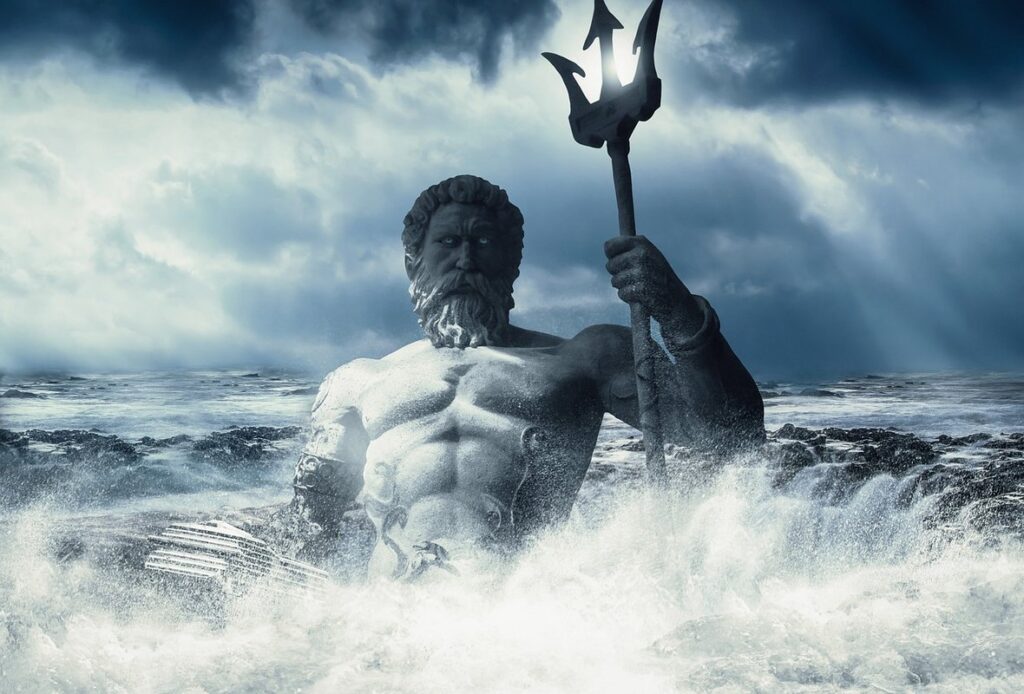
As we venture deeper into the mysteries of the Greek Underworld, we find ourselves face to face with the eerie and foreboding realm of Hades, ruled by its infamous king. This domain is shrouded in darkness and filled with eerie tales of punishment.
Overview of the Underworld
In Greek mythology, the underworld is a vast realm beneath the earth’s surface, ruled by Hades, the god of the dead. The concept of the underworld emerged from ancient Greek traditions and was influenced by the cultures of the Mediterranean region. According to myth, the underworld was formed after the primordial gods defeated the Titans in a great war. As part of the spoils, Hades received the underworld as his domain.
The geography of the underworld is often described as a vast, dark expanse with multiple regions, including the Asphodel Meadows for ordinary souls and Tartarus for those who committed egregious crimes. The River Styx serves as its boundary, separating the living from the dead. Charon, the ferryman, transports souls across the river to the underworld. Hades’ palace stands at the center of the underworld, where he resides with his queen, Persephone.
The underworld holds significant importance in ancient Greek culture, serving as a reminder of mortality and the consequences of one’s actions. Its existence reinforced the idea that life on earth is fleeting, and the afterlife awaits those who have lived their lives. This concept continues to fascinate people today, influencing art, literature, and popular culture for centuries.
Residents of the Underworld
The shades of the dead, known as psychai, are perhaps the most numerous inhabitants of the Underworld. These spirits, devoid of their mortal bodies, wander aimlessly within the realm, seeking release from their eternal confinement. They often retain memories of their past lives and can be recognized by their mournful cries and whispers.
The Erinyes, or Furies, are a group of goddesses tasked with punishing those who have committed crimes against the natural order. Their role is to mete out justice to those who have escaped mortal retribution, often in the form of physical torment. Charon, the ferryman, plays a crucial part in their work by transporting the shades across the River Styx.
Cerberus, the three-headed dog, guards the entrance to the Underworld and prevents the living from entering. Other mythological figures, such as the Keres (female death spirits) and the Hesperides (nymphs who tend the underworldly gardens), also inhabit the realm. Each of these inhabitants has a unique function within the Underworld, contributing to its complex social hierarchy.
In Greek mythology, the Underworld is not simply a place of punishment; it’s also a hub of mythological activity, where various figures interact and influence one another.
The Journey to the Underworld
As we venture deeper into the realm of Greek mythology, let’s explore the perilous path that heroes and mortals alike must take to reach the mysterious Underworld. We’ll examine the treacherous journey they embark on.
Ascent and Descent Narratives
In Greek mythology, the journey to the underworld is a perilous one, undertaken by heroes who seek to reclaim loved ones, atone for past wrongs, or demonstrate their bravery. The stories of Orpheus, Heracles, and Odysseus are particularly notable for their unique approaches to navigating this treacherous realm. Orpheus’s descent into the underworld, for example, is motivated by his love for Eurydice, whom he loses shortly after their marriage. His journey serves as a testament to the power of human emotion, even in the face of death.
In contrast, Heracles’ (or Hercules’) visit to the underworld is driven by a desire to complete one of his twelve labors. He must navigate the treacherous Asphodel Meadows and retrieve Cerberus, the three-headed dog that guards the gates of the dead. Odysseus’s encounter with the underworld is more complex, as he must confront the spirit of his mother in order to gain passage back home.
These stories reveal a common theme: the underworld is not just a place of death and darkness, but also a site for human connection and transformation. By examining these narratives, we can gain a deeper understanding of the symbolism and themes associated with the Greek underworld.
Charon’s Ferry: Crossing the River Styx
In Greek mythology, Charon’s Ferry is a crucial step for souls transitioning from the world above to the Underworld. As the ferryman of the dead, Charon plays a significant role in facilitating this passage. According to myth, Charon transports the deceased across the treacherous waters of the River Styx, which separates the living from the dead.
To board Charon’s Ferry, souls must pay a fee – typically one obol, a small coin placed in the mouth of the deceased at the time of burial. If they fail to do so, Charon refuses to transport them, leaving their spirits stranded on the riverbank. This detail highlights the importance of proper funeral rites and the consequences of neglecting these traditions.
While Charon is the primary ferryman of the dead, Pherephatta, another mythological figure, also plays a role in facilitating passage across the River Styx. However, Charon remains the most well-known and revered ferryman in Greek mythology. When considering the symbolism surrounding Charon’s Ferry, it becomes clear that this crossing represents a pivotal moment in the journey to the Underworld – a threshold between life and death.
Greek Underworld Gods and Goddesses
Greek mythology is rich with fascinating deities that reside in the underworld, each with their own distinct powers and roles. We’ll delve into the lives of Charon, Persephone, Hades, and more.
Hades and Persephone: The Royal Couple
In Greek mythology, Hades and Persephone’s marriage forged a lasting bond between the Underworld and the world above. As the king and queen of the Underworld, they embodied opposing yet complementary forces: Hades represented the darkness, sterility, and death that ruled his realm, while Persephone symbolized the light, fertility, and new life she brought with her from the upper world.
Their union had significant implications for the Underworld’s rhythms. As the story goes, when Persephone was away from Hades, eating pomegranate seeds in the sunlight above, the earth remained barren and sterile – winter descended upon the land. Conversely, her presence in the Underworld triggered a cycle of growth and renewal, signaling the return of spring.
Their connection to fertility and agriculture is evident in the changing seasons. The mythological narrative underscores the importance of balance between light and darkness, illustrating how their marriage maintained the delicate equilibrium between life and death. This union not only defined the roles of Hades and Persephone but also underscored the cyclical nature of time in Greek mythology.
Other Underworld Deities
Thanatos, the personification of Death, is often overlooked despite being a crucial figure in the Underworld pantheon. He’s not just an abstract concept but a distinct deity with his own role and responsibilities. Thanatos is typically depicted as a gaunt figure, often accompanied by a dog or other animal symbols associated with mortality.
Hypnos, the god of Sleep, also has connections to the Underworld. His sister, Hypnia, personifies Somnolence, making them both integral to the darker aspects of Greek mythology. While not exclusively Underworld deities, they’re often tied to the realm’s themes and narratives.
Nemesis, goddess of Retribution, is another figure associated with the Underworld. She punishes those who escaped punishment on earth by meting out justice in the afterlife. Her relationship with Hades’ household can be complex; she may even be seen as a check on his power.
Thanatos and Nemesis share some similarities, both serving as agents of fate that bring balance to the cosmos. Hypnos’s role, however, is more nuanced. While he brings rest to mortals, his presence can also serve as an escape from the consequences of one’s actions.
Symbolism and Themes in Greek Underworld Mythology
As we delve into the mysteries of the Greek Underworld, let’s examine how myths used symbolism to convey complex themes such as mortality and the human condition.
The Underworld as a Reflection of Life
The underworld in Greek mythology is often seen as a reflection of life itself. In many ways, it’s a microcosm of human experience. The river Styx, which serves as the boundary between the world above and the world below, represents the threshold that we all must cross at some point. Just as Charon ferries souls across the water, so too are we all subject to the whims of fate.
The underworld’s division into different regions – Tartarus for the wicked, Asphodel Meadows for the neutral, and Elysium for heroes – serves as a commentary on human morality. It suggests that our actions have consequences, and that we will be judged accordingly. This is reflected in the story of Orpheus, who was able to charm his way past the rulers of the underworld but ultimately lost his beloved wife due to his own mistakes.
The cycle of birth, death, and rebirth is also deeply connected to the concept of the underworld. Persephone’s time with her mother Demeter serves as a reminder that life is precious and fleeting. Her descent into the underworld each winter represents the darkness and cold of that season, while her return in spring symbolizes renewal and growth. By examining the symbolism and themes present in underworld mythology, we can gain a deeper understanding of human nature and our place within the world.
The Cycle of Birth, Death, and Rebirth
In Greek underworld mythology, the cycle of birth, death, and rebirth is deeply intertwined with the natural world. The eternal return of seasons serves as a powerful metaphor for this cycle. As Persephone, Queen of the Underworld, spends time above ground with her mother Demeter, spring and summer bloom. However, when she returns to the Underworld to be with Hades, her father, autumn and winter set in.
This cyclical pattern mirrors the agricultural cycles that were so crucial to ancient Greek society. Crops would grow and thrive during Persephone’s time above ground, only to wither and die as she returned below. This mythological framework offered a way to explain and make sense of these natural phenomena. The cycle also speaks to human existence, where life and death are inextricably linked.
The eternal return is not limited to seasonal change; it’s a theme that appears throughout the Greek underworld myths. Consider the story of Orpheus, who journeyed to the Underworld to reclaim his beloved Eurydice. Though he ultimately failed, his actions illustrate the human desire for rebirth and renewal in the face of loss.
Influence of Underworld Mythology on Art and Literature
Greek underworld mythology has inspired countless works of art and literature, shaping our understanding of the afterlife and the human condition. From epic poems to modern novels, its influence can be seen in a wide range of creative endeavors.
Ancient Greek Art and Architecture
Ancient Greek art and architecture often depicted scenes from underworld mythology, reflecting the significant impact of these stories on ancient Greek culture. The mythological themes are evident in pottery, such as the famous “Francois Vase,” which showcases Persephone’s abduction by Hades. Scenes like this were common on ceramics, allowing a wide audience to engage with and interpret the myths.
Sculpture also featured underworld themes, including depictions of Charon’s ferry and the weighing of souls. The famous “Underworld” sculpture from the Acropolis Museum in Athens is an example of how ancient Greek artists chose to illustrate this pivotal scene from underworld mythology. These depictions often emphasized the importance of moral judgment in determining one’s fate after death.
In architecture, the influence of underworld myth is seen in structures like the tomb of the “Dionysiac” couple at Taranto, which features scenes from the underworld on its walls. The use of such imagery highlights the significance of these myths to ancient Greek society and serves as a reminder that the underworld was not just a place for punishment but also a realm with its own social hierarchy and moral code.
Literary Adaptations of Underworld Myths
Greek literature has long been influenced by the rich mythology of the underworld. One notable example is Virgil’s Aeneid, which draws heavily from Greek underworld myths to explore themes of mortality and the afterlife. The epic poem follows the journey of Aeneas as he travels to Italy, but it also delves into his encounters with various underworld figures, including the ghost of Anchises.
Another influential work is Dante Alighieri’s Divine Comedy, specifically the Inferno section, which draws inspiration from Greek underworld mythology to describe its own vision of hell. This blend of classical and medieval influences has had a lasting impact on Western literature, contributing to the enduring fascination with the underworld that continues today. The Aeneid and Divine Comedy have not only shaped literary traditions but also influenced the way artists and writers think about mortality, the afterlife, and the human condition.
These works demonstrate how Greek underworld mythology can be adapted and reinterpreted in various creative ways, inspiring new stories and themes that continue to captivate audiences.
Conclusion: The Enduring Legacy of the Greek Underworld
As we conclude our journey through the realm of the Greek underworld, let’s examine how its fascinating legacy continues to captivate audiences today and influence contemporary culture.
Recapitulation of Key Themes and Concepts
The Greek Underworld’s rich tapestry of myths and legends has left an indelible mark on Western culture. This blog post has explored various aspects of the Underworld, from its inhabitants to its influence on art and literature. To recapitulate, Hades and Persephone’s complex relationship serves as a powerful symbol of the cyclical nature of life, death, and rebirth. The Royal Couple’s story also highlights the significance of the Underworld as a realm that governs mortality.
Moreover, the Underworld’s symbolism is deeply intertwined with human existence. As we’ve seen in various myths, the journey to the Underworld often represents a transformative passage from one stage of life to another. Charon’s Ferry crossing, for instance, marks a crucial threshold between the world above and the realm below. This liminal space serves as a reminder that our mortal lives are but a brief moment in the grand narrative of existence.
The Underworld’s influence extends far beyond mythological narratives. Ancient Greek art and architecture often depicted scenes from Underworld myths, demonstrating the profound impact these stories had on the culture of the time. Literary adaptations of these myths have continued to captivate audiences throughout history, from Homer’s epic poems to modern retellings in film and literature.
In conclusion, the Greek Underworld remains a source of endless fascination and inspiration. As we reflect on the key themes and concepts explored in this blog post, it becomes clear that the enduring legacy of these myths lies not only in their timeless appeal but also in their continued relevance to human experience. By exploring the symbolism, themes, and cultural significance of the Underworld, we gain a deeper understanding of our own place within the grand narrative of existence.
Frequently Asked Questions
Can I use Greek underworld mythology in my own creative work?
Yes, the themes and symbolism present in these myths can be applied to various forms of art and literature, offering unique perspectives on life, morality, and the human condition. Consider how the cycle of birth, death, and rebirth might influence your narrative or characters.
How do I connect the underworld mythological cycle with seasonal change?
The Greek underworld mythology is deeply connected to agricultural cycles and seasonal change. Think of the story of Persephone’s abduction by Hades as a metaphor for spring’s arrival. When depicting this connection in your work, consider how the eternal return of seasons reflects the cyclical nature of life and death.
Can I use underworld deities like Thanatos (Death) or Hypnos (Sleep) in my writing without referencing Greek mythology?
While it’s possible to draw inspiration from these figures, using them directly in a story might require some context. Consider adding subtle nods to their mythological origins or adapting their characteristics to fit your narrative. This will help you balance creative freedom with respect for the source material.
What if I want to create my own underworld-like setting without direct references to Greek mythology?
When developing an original underworld-inspired world, draw from the symbolism and themes present in Greek mythology. For example, consider how the concept of a river separating the living from the dead (like the Styx) could be applied to your unique environment. This will help you tap into the rich emotional resonance of these myths while making them your own.
Are there any modern adaptations or reinterpretations of Greek underworld mythology that I should know about?
Yes, many contemporary works draw inspiration from Greek underworld mythology. Look for examples in literature (such as Neil Gaiman’s “The Sandman” series) and film/TV shows (like the movie “Hades” based on Greek myths). These adaptations can offer new insights into how to reinterpret these timeless themes for modern audiences.