
Greetings and farewells are often overlooked aspects of cross-cultural communication, but they can make all the difference in building strong relationships with people from diverse backgrounds. You’ve probably experienced awkward moments when interacting with someone from a culture whose customs you weren’t familiar with. Perhaps you’ve unintentionally offended someone or felt like an outsider yourself. Understanding cultural differences in greetings and farewells is crucial for effective communication, especially in professional settings where cross-cultural interactions are common. This article will provide expert advice on strategies to navigate these complexities, covering the nuances of formal and informal greetings, as well as the dos and don’ts of saying goodbye across cultures. By the end of this post, you’ll be equipped with the knowledge and confidence to handle diverse cultural situations and build meaningful connections with people from around the world.
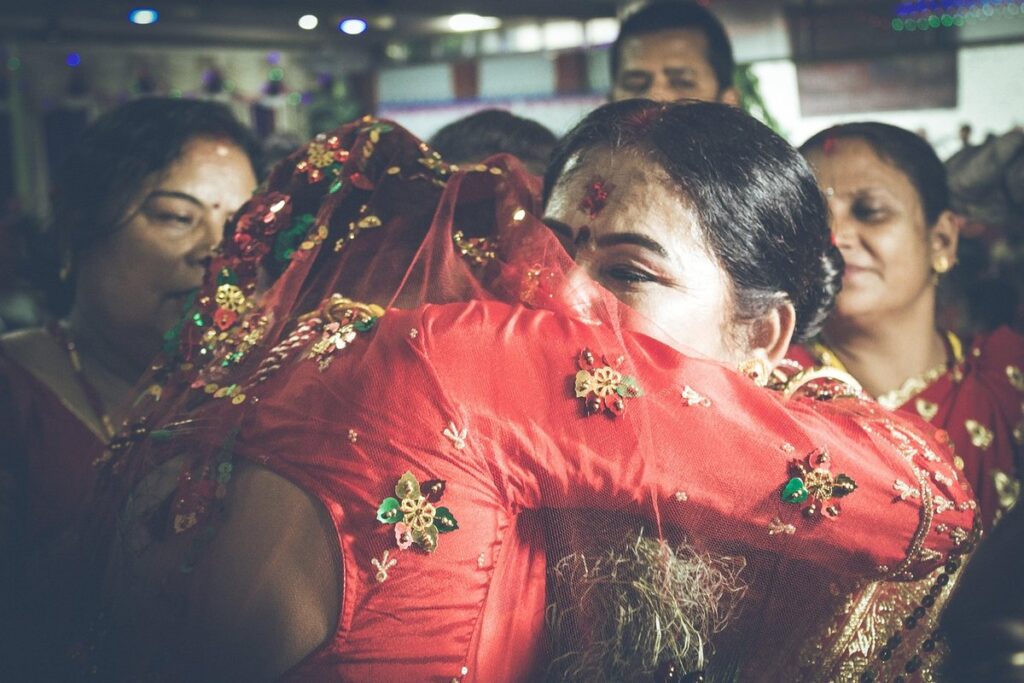
The Importance of Cultural Awareness in Greetings
When interacting with people from diverse backgrounds, being aware of cultural nuances surrounding greetings is crucial to avoid unintentionally offending someone. Understanding these differences can also help you build stronger connections and relationships abroad.
Traditional vs. Modern Greeting Styles
In traditional cultures, greetings often involve a formal bow, handshake, or kiss on both cheeks, while modern styles tend to prioritize efficiency and informality. For instance, in Japan, a bow of varying depth conveys respect and politeness, whereas in many Western countries, a brief hug or fist bump has become a common greeting among friends. The cultural context plays a significant role in shaping these differences.
In some cultures, such as India, the traditional greeting involves a namaste, where hands are placed together in a prayer-like gesture, while in modern times, this practice is often replaced with a handshake. In contrast, in many Middle Eastern and African countries, it’s customary to greet one another with a kiss on both cheeks or a warm hug.
When interacting with people from diverse cultural backgrounds, being aware of these differences can help you navigate situations more effectively. For example, if you’re meeting someone from a culture where formal greetings are expected, a brief introduction followed by a handshake or bow is usually sufficient. Conversely, in cultures that value informality, a warm smile and open body language may be all the greeting needed.
Regional Variations in Greetings
Regional variations in greetings are a reflection of each culture’s unique history, values, and social norms. In Asia, for instance, the Japanese bow is a deeply ingrained custom, with the depth and duration of the bow indicating respect or apology. In contrast, many Asian cultures place great importance on using both hands when giving or receiving something, as using one hand alone can be considered impolite.
In Europe, greetings often involve physical touch, such as kissing cheeks in France or shaking hands in Germany. However, some European countries like Italy and Greece are more reserved and may prefer a verbal greeting without physical contact. In Africa, the traditional Swahili greeting “Jambo” is a common way to greet someone, while in South America, the Argentinean custom of using “che” (a term of endearment) as a greeting is unique.
In the Americas, Native American cultures have their own distinct greetings, often involving handshakes or verbal expressions of respect. For example, in some tribes, it’s customary to use a specific phrase to acknowledge the elder’s presence before initiating conversation. Recognizing these regional variations can help you adapt your greeting style and avoid unintentionally offending someone from a different cultural background.
Types of Cultural Differences in Greetings
Greetings can vary significantly across cultures, so let’s examine some common types, from physical contact to verbal cues. Understanding these differences is key to building strong relationships abroad.
Verbal vs. Non-Verbal Cues
In greetings across cultures, verbal cues and non-verbal cues often work together but can also convey different meanings. Verbal cues include not just what you say but how you say it – tone of voice, pitch, and pace. For instance, in many Asian cultures, direct eye contact is considered impolite during greeting, while in the US, maintaining eye contact is seen as a sign of respect.
Non-verbal cues, on the other hand, can be just as telling. In some African cultures, greetings often involve physical touch, such as shaking hands or embracing, which serves as a way to establish trust and rapport. In contrast, in many European cultures, physical contact is kept to a minimum during initial greetings.
Understanding both verbal and non-verbal cues is crucial when navigating cross-cultural interactions. For example, if you’re visiting Japan, learning the correct greeting phrases (e.g., “Konnichiwa” for day-time) and paying attention to body language can help avoid unintentionally offending someone. Similarly, in India, using respectful titles (e.g., “Mr./Ms.”) and maintaining a slight distance during greetings is essential.
When interacting with people from diverse cultural backgrounds, it’s essential to be mindful of both verbal and non-verbal cues to ensure a positive and respectful greeting experience.
Formality Levels in Greeting Styles
Formality levels in greeting styles can significantly vary across cultures. In business contexts, for instance, some cultures like Japan and South Korea place great emphasis on formal titles and last names until a personal relationship is established. In contrast, many Western countries, such as the US and UK, tend to use first names more frequently. In social settings, formality levels can also differ greatly. For example, in some African cultures, it’s customary to greet elders with a formal bow or by touching their feet.
In many Middle Eastern and Asian cultures, direct eye contact is considered impolite during initial greetings, whereas in Western cultures, maintaining eye contact is often seen as a sign of respect and sincerity. In Latin American countries, hugging or kissing upon greeting is common among friends and family members but might be avoided with strangers or in more formal settings.
Practically, understanding these differences can help you navigate cross-cultural interactions more effectively. When interacting with someone from a culture that values formality, using their formal title until explicitly invited to use their first name can go a long way in showing respect. Similarly, being mindful of non-verbal cues like physical touch and eye contact can help avoid unintended offense or misunderstandings.
Cultural Differences in Farewells
When saying goodbye, cultural differences come into play in various ways. For example, some cultures place a strong emphasis on elaborate farewell ceremonies and gifts.
The Significance of Leaving Well
Leaving a good impression upon departure is just as crucial as making a strong first impression when arriving. In many cultures, the way you exit a situation can be seen as a reflection of respect for the people and place you’re leaving behind. For instance, in some Asian cultures, it’s customary to bow or use both hands to hold the other person’s hands upon parting, signifying gratitude and appreciation for the connection made.
In contrast, Western cultures often focus on the initial greeting and may not place as much emphasis on the farewell. However, even in these cultures, a polite goodbye can go a long way in maintaining positive relationships. A simple “thank you” or acknowledgement of the time spent together can be enough to show appreciation and courtesy.
It’s essential to consider regional variations in farewell customs when traveling or interacting with people from diverse backgrounds. For example, in some Latin American countries, it’s customary to kiss both cheeks upon greeting and parting, while in other cultures, this may be seen as overly familiar or even impolite. Being aware of these differences can help you navigate cross-cultural interactions more effectively and avoid unintended offense.
Regional Variations in Farewell Customs
Farewell customs vary significantly across different regions. In Japan, for instance, it’s customary to bow deeply and apologize for leaving, while in India, guests are often offered a sweet treat called “prasad” as a blessing for the journey ahead. In some African cultures, farewell ceremonies may involve gift-giving or singing traditional songs.
In many Asian countries, including China and Korea, farewell gatherings often take place at home with family members present. In contrast, in some European cultures, such as Italy and Spain, farewells tend to be more low-key and informal, taking place over coffee or a meal.
Interestingly, the way people say goodbye can also reveal their cultural background. For example, in some Latin American countries, farewell greetings often involve physical touch, with friends embracing each other tightly. In contrast, in many Western cultures, personal space is respected during farewells, and hugs may not be as common.
When navigating these regional variations, it’s essential to respect local customs and adapt your behavior accordingly. This might involve learning key phrases or gestures specific to the culture you’re interacting with. By doing so, you can build stronger connections with people from diverse backgrounds and avoid unintended offense.
Communication Strategies for Cross-Cultural Interactions
When interacting with people from diverse cultural backgrounds, using effective communication strategies can make all the difference in building strong relationships and avoiding misunderstandings. This includes being mindful of verbal and non-verbal cues.
Active Listening in Cross-Cultural Contexts
Active listening is essential when interacting with people from diverse cultural backgrounds. In cross-cultural contexts, misunderstandings can arise from differing communication styles, and active listening helps to mitigate these issues. To develop effective active listening skills, you must first be aware of the cultural nuances that may influence verbal and non-verbal cues.
When engaging in conversations across cultures, it’s crucial to pay attention to the speaker’s body language, tone, and pace. In some cultures, direct eye contact is seen as aggressive or confrontational, while in others, it’s a sign of respect. Be mindful of these differences and adjust your behavior accordingly. For instance, if you’re interacting with someone from a culture where indirect communication is prevalent, avoid interrupting or finishing their sentences.
To improve your active listening skills, try the following:
- Maintain eye contact without being aggressive
- Avoid interrupting or jumping to conclusions
- Use open-ended questions to encourage conversation and show genuine interest
- Be aware of your own cultural biases and try to suspend judgment
Asking Open-Ended Questions in Cross-Cultural Encounters
Asking open-ended questions is a crucial communication strategy for cross-cultural encounters. When interacting with people from diverse cultural backgrounds, it’s essential to ask questions that encourage sharing and foster deeper understanding. Open-ended questions can help break down barriers of language and culture by allowing individuals to share their thoughts and experiences in their own words.
Instead of asking yes/no or one-word answers, opt for questions like “What do you think about…,” “How did you experience…”, or “Can you tell me more about…”. These types of questions demonstrate genuine interest and curiosity, which can help build trust and rapport. For instance, when interacting with someone from a collectivist culture, ask open-ended questions that focus on relationships and community, such as “What’s the importance of family in your daily life?” or “How do you usually celebrate special occasions?”
By asking open-ended questions, you’ll not only gain a deeper understanding of the person but also show respect for their cultural background. This approach can be particularly effective when interacting with people from cultures that value indirect communication styles, such as those from East Asia. By adapting your questioning style to fit the cultural context, you’ll create a more inclusive and respectful atmosphere in cross-cultural encounters.
Managing Cultural Differences in Professional Settings
As you navigate professional settings abroad, it’s essential to understand how cultural differences impact everyday interactions, particularly when it comes to formal greetings and farewells. We’ll explore key tips for managing these nuances effectively.
The Role of Body Language in Cross-Cultural Business Interactions
When engaging in cross-cultural business interactions, body language can either facilitate or hinder communication. A person from a high-context culture, such as Japan, may use subtle gestures and non-verbal cues to convey respect and deference, while someone from a low-context culture, like the US, might rely more heavily on directness and assertiveness.
You should be aware that these cultural differences can lead to misunderstandings. For instance, in some Asian cultures, it’s customary for business partners to maintain physical distance during meetings, whereas in Western cultures, people tend to stand closer together. Ignoring or misinterpreting these cues can damage relationships and compromise negotiations.
To navigate cross-cultural body language effectively, observe your counterparts’ behavior and adjust yours accordingly. Be mindful of personal space, gestures, and facial expressions, as these can carry different connotations across cultures. Also, pay attention to power dynamics: in some cultures, seniority is conveyed through physical posture or proximity to the CEO. By being sensitive to these non-verbal signals, you can build stronger connections with your international business partners and avoid unintentionally offending them.
Navigating Power Dynamics in Cross-Cultural Workplaces
Navigating power dynamics can be particularly challenging in cross-cultural workplaces due to differences in authority structures and communication styles. For instance, in some Asian cultures, seniority is deeply ingrained, while in others it may be more egalitarian. In a workplace where these cultural norms clash, misunderstandings can arise from unintentional displays of deference or dominance.
To mitigate potential conflicts, consider the following:
- Be aware of nonverbal cues such as posture and eye contact, which can convey respect or assertiveness across cultures.
- Recognize that formal titles or honorifics may carry different weight in various cultural contexts.
- Establish clear expectations for communication and decision-making processes to avoid unintended power imbalances.
When interacting with colleagues from diverse backgrounds, ask yourself what your actions might imply about your intentions. For example, is a direct question perceived as assertive or aggressive? By being mindful of these dynamics, you can create a more inclusive work environment where everyone feels valued and respected. In cross-cultural interactions, it’s essential to balance respect for authority with awareness of cultural nuances.
Conclusion: Embracing Cultural Differences and Fostering Inclusive Communication
As you conclude your journey through diverse greeting and farewell customs, it’s essential to apply your newfound understanding in real-life interactions. By embracing cultural differences, you can foster more inclusive communication that breaks down barriers.
The Value of Empathy in Cross-Cultural Communication
Empathy is a crucial component of effective cross-cultural communication. When interacting with individuals from diverse cultural backgrounds, it’s essential to be aware of and respect their customs, norms, and values. A simple yet powerful example of empathy in action can be seen in a story about a Western businessperson visiting Japan for the first time. Instead of shaking hands or initiating physical contact, which is considered impolite in Japanese culture, she chose to use a bow as a greeting, demonstrating her understanding and respect for the local customs.
This small act of empathy helped break the ice and establish trust with her Japanese colleagues. Similarly, when interacting with individuals from other cultures, being mindful of non-verbal cues such as body language and facial expressions can also convey empathy. For instance, in some Asian cultures, avoiding direct eye contact is considered a sign of respect, while in others it’s seen as a challenge or confrontation.
By being empathetic and flexible, you can create a safe and inclusive environment for cross-cultural interactions to thrive.
Strategies for Continuous Learning and Improvement
To enhance cross-cultural competence, it’s essential to adopt a mindset of continuous learning and improvement. One approach is to seek out diverse perspectives through books, articles, and podcasts that focus on cultural differences. For instance, “The Culture Map” by Erin Meyer offers practical advice on navigating cultural nuances in business settings.
Another strategy is to engage in cross-cultural dialogue with colleagues or friends from different backgrounds. This can be achieved by asking open-ended questions and actively listening to their experiences. A simple yet effective question to ask is: “What’s a common greeting style in your culture that might surprise people from other cultures?” By sharing stories and anecdotes, you can gain valuable insights into the complexities of cultural differences.
Additionally, consider participating in language exchange programs or taking online courses that focus on cross-cultural communication. These resources can help you develop a deeper understanding of cultural norms and values.
Frequently Asked Questions
What if I’m still unsure about how to greet someone from a particular culture?
Yes, it’s okay to ask for clarification or guidance on specific cultural greeting customs. It’s better to err on the side of caution and show respect by asking politely than to risk unintentionally offending someone.
How can I apply these cross-cultural communication strategies in everyday life beyond professional settings?
Start by observing and learning from people from different cultures, either through social interactions or online communities. Practice active listening and ask open-ended questions to build connections with others. Be patient and flexible when navigating cultural differences, and remember that every interaction is an opportunity for growth.
Can I use body language in cross-cultural communication as a substitute for verbal cues?
No, relying solely on body language can be misleading or even lead to misunderstandings across cultures. Verbal cues are often essential for conveying meaning and avoiding misinterpretations. Use non-verbal cues like gestures and facial expressions to complement verbal communication, not replace it.
What if I accidentally offend someone with a cultural faux pas in a greeting or farewell?
Apologize sincerely and promptly when you realize your mistake. Show that you’re willing to learn from the experience by asking questions about the correct custom. Avoid making excuses or justifying your actions; instead, focus on making amends and moving forward.
How can I balance my own cultural preferences with adapting to others’ customs in greetings and farewells?
Be open-minded and receptive to learning about different cultures, but also don’t compromise your own values and comfort level. Strike a balance by finding common ground or alternatives that respect both parties’ customs.

