Poke bowls and kalua pig may be the first things that come to mind when thinking about Hawaiian cuisine, but there’s so much more to explore beyond these iconic dishes. From traditional ingredients like laulau and haupia to modern twists on classic flavors, local food in Hawaii is a unique fusion of cultures and traditions. You might be surprised by the variety of fresh produce and seafood available at farmers markets across the islands, each with its own distinct character and charm. But what really makes Hawaiian local food special is the emphasis on community and aloha spirit – it’s not just about what you eat, but how you experience it with family and friends. In this article, we’ll take a culinary journey through Hawaii’s best local ingredients, farmers markets, and modern twists on traditional flavors, so you can discover the authentic taste of the islands for yourself.
The History of Hawaiian Cuisine
Hawaiian cuisine has a rich and fascinating history that spans centuries, shaped by Polynesian traditions and influenced by international trade routes. Let’s travel back in time to discover the origins of this unique culinary culture.
Influences from Polynesian and Asian Cultures
The earliest Polynesian settlers brought with them a rich culinary heritage that would shape Hawaiian cuisine. They introduced staple ingredients like taro, breadfruit, and sweet potatoes, which were later combined with Asian influences to create unique dishes. The arrival of Asian immigrants from China, Japan, Korea, and the Philippines in the late 19th century added new flavors and techniques to local cooking.
Traditional Polynesian dishes like laulau (steamed meat or fish wrapped in taro leaves) and poi (made from fermented taro root) were blended with Asian-style stir-fries and noodle dishes. For example, the popular dish known as “chicken katsu” – a breaded and fried chicken cutlet – is a fusion of Japanese and Hawaiian flavors.
As a result of this cultural exchange, modern Hawaiian cuisine boasts a distinctive blend of Eastern and Western flavors. To experience this unique flavor profile firsthand, try visiting local restaurants that serve traditional dishes like laulau or kalua pig (pork slow-cooked in an underground oven). You might also want to sample some Asian-influenced desserts, such as haupia (coconut milk dessert) infused with Japanese matcha green tea.
The Impact of Western Colonization
Western colonization brought about a significant transformation in Hawaiian cuisine. With the arrival of European and American settlers, new ingredients such as beef, pork, and chicken were introduced to the islands. These protein sources not only altered the traditional Polynesian diet but also led to the development of new cooking techniques, like grilling and roasting.
The influence of Western colonization can be seen in dishes like laulau, which combines traditional Hawaiian taro leaves with meat that was previously unknown to the islands. Similarly, haupia, a coconut milk dessert, gained popularity after contact with European colonizers introduced dairy products. These adaptations allowed for new flavor combinations and textures, ultimately shaping modern Hawaiian cuisine.
The introduction of Western ingredients also led to changes in food production methods. Sugar cane plantations, established by British and American investors, became a major industry on the islands, forcing many Native Hawaiians to shift from subsistence farming to working on these large-scale agricultural operations. This shift had far-reaching consequences for Hawaii’s food culture and economy.
Popular Local Dishes to Try
As you explore Hawaii’s local food scene, some popular dishes are a must-try experience for any visitor. From classic Kalua pig to fresh poke bowls, we’ll highlight the island favorites to indulge in.
Poke: A Hawaiian Staple
Poke has become a staple in Hawaiian cuisine, with its origins dating back to ancient times when fishermen would cut up raw fish and mix it with sea salt, seaweed, and other seasonings. This simple yet flavorful dish was originally called “poki poki” or “poke,” which roughly translates to “to cut or chop.” Today, poke has evolved into various types, including classic ahi (yellowfin tuna) and spicy tuna. A popular variation is Maui-style poke, which adds diced onions and cucumbers to the mix.
When ordering poke at a local restaurant, it’s essential to know the different options available. Some restaurants may offer a variety of fish choices, while others might specialize in a specific type. For example, some establishments serve poke with a spicy kick from added chili peppers or sriracha sauce. If you’re looking to make poke at home, start by selecting sashimi-grade tuna and mixing it with soy sauce, sesame oil, and chopped green onions.
One key aspect of enjoying poke is choosing the freshest fish possible. When purchasing poke at a market or ordering it from a restaurant, ask about the catch of the day and where the fish was sourced. This will not only ensure you’re getting the best flavor but also support local fishermen and sustainable fishing practices.
Kalua Pig and Other Traditional Meats
Kalua pig is a staple of Hawaiian cuisine, slow-cooked in an underground oven, or imu, until tender and infused with smoky flavor. This traditional method of cooking has been used for centuries to prepare meats such as laulau, which consists of pork, beef, or chicken wrapped in taro leaves and steamed to perfection.
Haupia is a classic Hawaiian dessert made from coconut milk, sugar, and cornstarch, but it’s also often served as a side dish or used as an ingredient in savory dishes. When making haupia, use fresh coconut milk for the best flavor. Traditionally, haupia was served at luaus and other celebrations.
To try these traditional Hawaiian meats at home, start by investing in a cast-iron pot or a slow cooker, which can mimic the low-and-slow cooking method used in an imu. For kalua pig, rub pork shoulder with salt, pepper, and any desired additional spices, then wrap it in foil and cook for 8-10 hours. Serve with steamed vegetables or poi, a traditional Hawaiian dish made from taro root.
For laulau, wrap pork, beef, or chicken in taro leaves and steam for 1-2 hours. For haupia, combine coconut milk, sugar, and cornstarch in a saucepan and cook over medium heat until thickened.
Local Ingredients and Farmers’ Markets
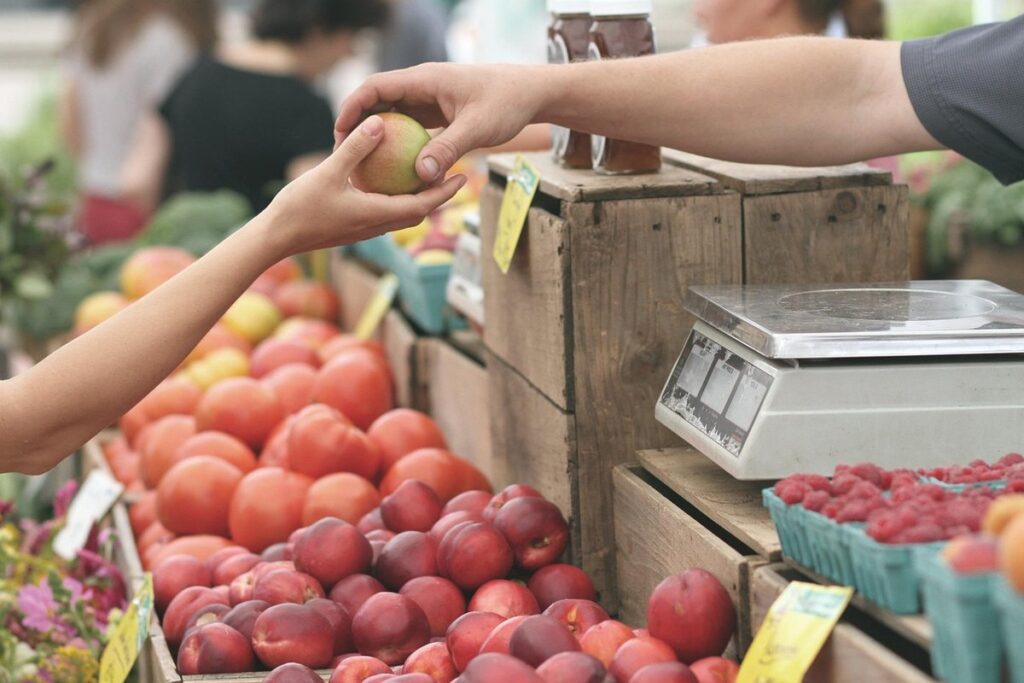
When shopping for local ingredients, head to Hawaii’s vibrant farmers’ markets where you’ll discover fresh produce from island farms. From tropical fruits to artisanal cheeses, each market is a treasure trove of flavors.
Fresh Fish and Seafood
Hawaii’s oceanic bounty is a cornerstone of local cuisine. Fresh fish and seafood are staples on many restaurant menus, with popular species like ahi (yellowfin tuna), mahi-mahi, and shrimp often featured in dishes such as sashimi, poke bowls, and grilled fish plates. For those who prefer to cook at home, many supermarkets and specialty stores offer an impressive selection of fresh seafood.
When shopping for fish, look for options that are locally caught or sustainably sourced to ensure you’re getting the freshest possible product. Some popular Hawaiian markets, like Honolulu’s KCC Farmers’ Market, even offer direct-from-the-boat sales on select days. Incorporating fresh fish into your meals is easier than you think – start by trying simple preparations like grilling or pan-searing.
To get started with cooking seafood at home, consider the following:
- Opt for firm-fleshed fish like ahi and mahi-mahi for grilling or pan-searing.
- For more delicate species like shrimp and fish with bones (like opelu), try steaming or poaching instead.
- Always purchase from reputable sources to ensure freshness and food safety.
Tropical Fruits and Vegetables
Hawaiian cuisine is renowned for its vibrant array of tropical fruits and vegetables. Visitors to the islands are often struck by the sheer diversity of produce on display at local farmers’ markets and roadside stands. Pineapples, papayas, and lilikoi (passionfruit) are just a few examples of the many exotic flavors available.
To make the most of these ingredients, consider using them in desserts. Grilled pineapple rings with fresh coconut ice cream or lilikoi-infused sorbet are perfect for warm evenings. Papaya can be used to make a delicious smoothie bowl topped with granola and fresh fruit.
When shopping at farmers’ markets, look for vendors selling locally-grown produce that’s often picked at the peak of ripeness. Ask vendors about their recommended recipes or cooking methods for specific fruits and vegetables. Some popular pairings include pairing sweet pineapple chunks with spicy jalapeño peppers or using lilikoi to add a tangy flavor to homemade BBQ sauce.
Some tropical fruits, like rambutans and guavas, are less well-known but no less delicious. Experiment with new combinations and recipes to discover your favorite ways to incorporate these ingredients into your meals.
Regional Cuisine: Oahu, Maui, Kauai, and the Big Island
Hawaii’s local food scene is a culinary journey that varies greatly from island to island, each one offering its unique flavors and specialties. Let’s take a closer look at what makes Oahu, Maui, Kauai, and the Big Island so distinct in terms of cuisine.
Oahu’s Food Scene
Oahu’s food scene is a vibrant and eclectic mix of traditional Hawaiian dishes, modern fusion cuisine, and unique dining experiences. You’ll find popular local specialties like laulau, which typically consists of pork, beef, or chicken wrapped in taro leaves and steamed to perfection. Another classic treat is shave ice, a sweet and refreshing dessert that’s perfect for hot days. For a truly immersive experience, visit one of Oahu’s many fish markets, where you can watch fresh catches being prepared right before your eyes.
For a taste of local culture, head to the KCC Farmers’ Market in Honolulu, which features vendors selling everything from fresh produce and artisanal cheeses to handmade crafts and jewelry. Food trucks are also plentiful on Oahu, offering a wide range of cuisines from traditional Hawaiian to modern fusion dishes like Korean tacos. Some must-try restaurants include Helena’s Hawaiian Food, a local institution serving up classic laulau and other traditional dishes; Ono Seafood, which offers sustainable seafood options; and MW Restaurant, a contemporary eatery with a focus on local ingredients.
When exploring Oahu’s food scene, be sure to try some of the island’s unique fruits and vegetables, such as pineapple, papaya, and Maui onions. And don’t forget to save room for dessert – haupia, a traditional coconut milk dessert, is a must-try when visiting Hawaii.
Maui’s Farm-to-Table Movement
Maui’s farm-to-table movement is a vibrant expression of the island’s commitment to sustainable and locally sourced food. The movement takes center stage at farmers’ markets like the Maui Swap Meet, where visitors can sample fresh produce and artisanal products from local vendors. One notable stop is the Maui Gold Pineapple Plantation, which not only grows its famous pineapples but also offers tours and tastings.
Restaurants across the island are getting in on the action as well. The Hali’imaile General Store, a beloved institution since 1988, has long prided itself on using only locally sourced ingredients in its creative dishes. This farm-to-table approach extends to other eateries like Mala Ocean View and Mama’s Fish House, which showcase Maui’s bounty through their menus.
For visitors looking to experience the best of Maui’s farm-to-table scene, consider planning a visit during peak season (April to October) when local produce is at its freshest. Stop by the farmers’ markets to sample what’s in season and chat with the vendors about their methods and inspiration. By choosing restaurants that prioritize local ingredients, you’ll be supporting the island’s agricultural community while indulging in some of Hawaii’s best flavors.
Food Culture in Hawaii: Festivals, Traditions, and Etiquette
Hawaii’s vibrant food culture is more than just poke bowls and shave ice – it’s a rich tapestry of traditions, festivals, and etiquette that reflect the islands’ unique heritage. Let’s take a closer look at some fascinating aspects of Hawaiian food culture.
Hawaiian Luaus and Other Celebrations
In a traditional Hawaiian luau, food plays a central role in bringing people together and celebrating community. This spirit of sharing is reflected in local customs surrounding food etiquette. At a luau, it’s customary to bring a dish to share with others, often something that represents your own family’s traditions or cultural heritage.
When attending a luau, you’re likely to see an array of traditional Hawaiian dishes, such as kalua pig, poke, and haupia (coconut milk dessert). But the true focus is on communal eating and socializing. Be sure to try a little bit of everything, as sharing food is not only polite but also encouraged.
Hula festivals are another opportunity to experience Hawaii’s rich food culture. These events often feature local food vendors offering traditional dishes, along with modern twists on classic recipes. When trying new foods at a festival or luau, remember that it’s all about the shared experience – enjoy the flavors and company of others around you. Don’t be afraid to ask locals for recommendations or try something new; it’s all part of the aloha spirit.
Modern Twists on Traditional Dishes
Modern chefs in Hawaii are breathing new life into traditional dishes by experimenting with innovative flavors and techniques. At restaurants like The Pig and The Lady in Honolulu, you can find modern takes on classic Hawaiian comfort food. For instance, their “Korean-style kalua pig” dish combines slow-cooked pork with spicy Korean chili flakes and a drizzle of hoisin sauce.
Other chefs are incorporating international flavors into traditional dishes. Take the example of Giovanni’s Shrimp Plate at Giovanni’s Ristorante in Kihei, Maui, which pairs succulent shrimp with a tangy mango salsa and cilantro-lime rice. This fusion of local ingredients with global flavors showcases the versatility of Hawaiian cuisine.
To experience modern twists on traditional dishes, be sure to visit some of Hawaii’s top food festivals, such as the Honolulu Festival or the Maui Film Festival’s Taste of Maui event. These events often feature local chefs showcasing their creative reinterpretations of classic dishes. By supporting these chefs and trying new flavors, you’ll get a true taste of modern Aloha cuisine.
Frequently Asked Questions
Can I find poke restaurants on every island in Hawaii?
Yes, poke has become incredibly popular throughout the Hawaiian Islands, and you can now find poke shops or restaurants serving this dish on every major island. However, the quality and authenticity may vary depending on the location.
What if I’m a vegetarian or vegan visiting Hawaii – are there still plenty of local food options for me?
Yes, Hawaiian cuisine has a lot to offer vegetarians and vegans. Many traditional dishes feature locally grown fruits, vegetables, and tofu, which can be easily adapted to suit plant-based diets. Be sure to explore the island’s farmers’ markets and try some of the innovative vegan versions of classic local dishes.
How can I ensure that I’m supporting local farmers and food businesses during my visit?
To support local farmers and food businesses in Hawaii, look for restaurants and shops with clear labels indicating that they source their ingredients from local farms or use locally made products. You can also ask your server or the business owner directly about their sourcing practices.
What’s the best way to experience a traditional Hawaiian luau – as an attendee or participant?
While attending a traditional Hawaiian luau is certainly an immersive experience, participating in one by helping with food preparation or contributing to the celebration through traditional dances and games can be even more enriching. If you’re interested in participating, consider reaching out to local cultural centers or organizations that host luaus and ask if they have any opportunities for volunteers.
Can I find Hawaiian ingredients like lilikoi and ti leaves outside of Hawaii’s specialty stores?
While it may be difficult to find fresh lilikoi and ti leaves outside of Hawaii’s specialty stores, you can often substitute with similar tropical fruits or herbs found in your local area. However, if you’re looking for authentic flavors and experiences, consider visiting a Hawaiian market or importing some ingredients online from reputable sources.