Hawaii is renowned for its breathtaking landscapes and rich biodiversity, but one of its most striking features are its vibrant and diverse flowers. Native to the islands, these unique species have played a significant role in Hawaiian culture for centuries, with many being revered for their spiritual significance and beauty. In addition to their cultural importance, Hawaiian flowers also contribute significantly to the local economy through tourism and export. However, many of these species require specific care and growing conditions, making it challenging for individuals to cultivate them successfully. If you’re interested in learning more about the significance of Hawaiian flowers and how to grow your own, this article will provide valuable insights into their history, cultural importance, and practical tips for cultivation.
(End of intro paragraph)
Native Hawaiian Flower Species
Among Hawaii’s stunning flora, several native flower species stand out for their unique beauty and cultural significance. These incredible blooms are an integral part of the islands’ rich heritage and natural wonders.
Introduction to Hawaii’s Unique Botanical Heritage
Hawaii’s botanical heritage is characterized by an extraordinary array of unique flowers that have evolved over millions of years. The islands’ isolation has led to a process known as adaptive radiation, where single plant species give rise to numerous varieties that are found nowhere else on Earth. This phenomenon is evident in the diversity of Hawaiian hibiscus, ma’o hau hele (yellow hibiscus), and ohia lehua, which have adapted to Hawaii’s distinct environment.
One notable aspect of these endemic flowers is their reliance on specific pollinators. For instance, the iconic hibiscus flower relies heavily on hummingbirds and bees for pollination. This dependence on native pollinators underscores the interconnectedness of Hawaiian ecosystems and highlights the importance of preserving natural habitats. In addition to their ecological significance, many Hawaiian flowers have cultural and spiritual importance, featuring prominently in traditional lei making and ceremonial practices.
The unique characteristics of Hawaiian flowers are a direct result of the islands’ geological history, which has created a distinct set of environmental conditions. This has allowed for the development of an extraordinary array of plant species that thrive in Hawaii’s subtropical climate. By understanding these factors, gardeners can better replicate the conditions needed to cultivate and care for these remarkable flowers.
Types of Hawaiian Flowers Found Only in Nature
Hawaiian flowers have captivated botanists with their unique characteristics, and several species are found only on these islands. The Yellow Hibiscus (Hibiscus brackenridgei) is one such example, boasting bright yellow petals and a large, showy bloom. This flower thrives in dry conditions and can be spotted growing near coastal areas.
Another notable native flower is the Silversword Plant (Argyroxiphium sandwicense), with its striking silver-gray foliage. Growing up to 10 feet tall, this flowering plant blooms purple flowers from April to June on Haleakala Summit. The Koki’o Ke’oke’o (Wilkesia hysterophora) is a rare and endangered flower that grows in dry to mesic forests.
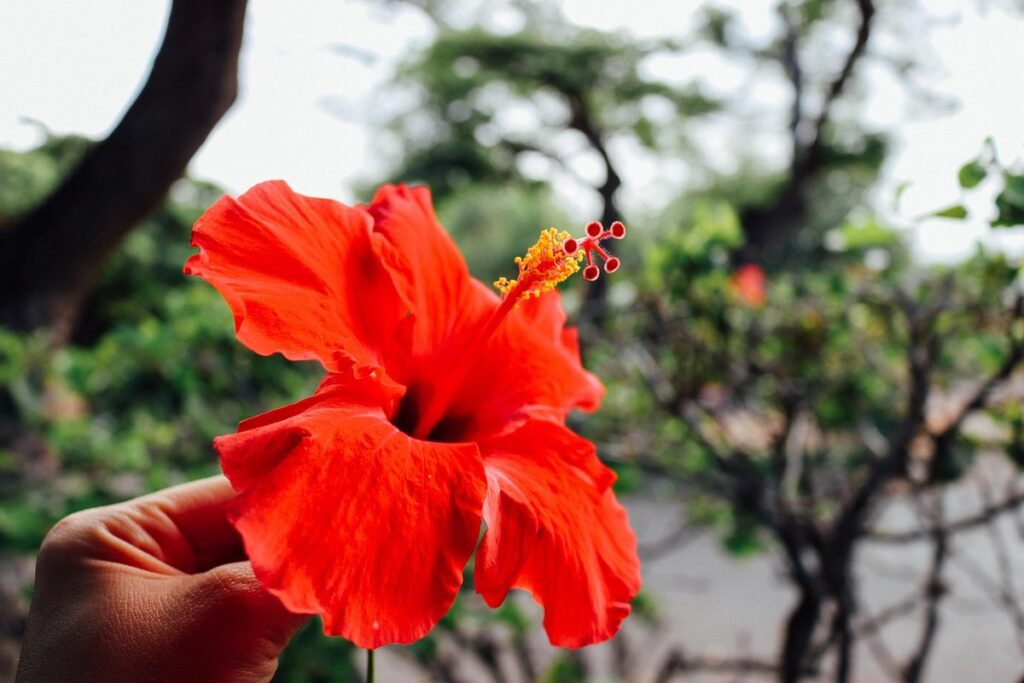
The Ilima (Sida fallax) and the Ma’o Hau Hele (Hawaiian hibiscus, Hibiscus brackenridgei) also share similar characteristics with other species. The Ilima’s small, yellow flowers resemble miniature hibiscus blooms. On the other hand, the Ma’o Hau Hele is a showy red flower often used in traditional Hawaiian garlands called lei.
These unique features have led botanists to categorize these flowers as endemic to Hawaii, contributing significantly to the island’s rich botanical heritage.
Endemic Flowers: A Threatened Treasure
Hawaiian flowers have captivated hearts for centuries with their unique beauty and cultural significance. However, many of these species are facing an unprecedented threat to their survival: extinction. Among them, endemic flowers – those found only in Hawaii – hold a special place in the hearts of locals and visitors alike.
Endemic flowers like the silversword (Argyroxiphium sandwicense) and the ma’o hau hele (Yellow Hibiscus brackenridgei) are not only breathtakingly beautiful but also play a vital role in maintaining Hawaii’s unique ecosystem. The loss of these species would be devastating, not just for their intrinsic value, but also for the biodiversity they support.
To combat this threat, conservation efforts are underway to protect and preserve endemic flowers. Organizations like the Hawaiian Botanical Society and the U.S. Fish and Wildlife Service are working together with local communities to establish protected areas, monitor populations, and develop sustainable management practices. By supporting these initiatives and spreading awareness about the importance of preserving endemic flowers, we can help ensure their survival for future generations.
Cultural Significance of Hawaiian Flowers
Hawaiian flowers have long been imbued with deep cultural meaning, representing love, respect, and spirituality in traditional Hawaiian customs. We’ll explore some of these symbolic meanings next.
Symbolism and Meaning Behind Hawaiian Flowers
Hawaiian flowers are imbued with rich symbolism and meaning, reflecting the unique cultural heritage of the islands. For example, the hibiscus is a symbol of love, beauty, and pride, often used in traditional Hawaiian clothing and accessories. The plumeria, on the other hand, represents spirituality, spirituality, and new beginnings, frequently used in leis for special occasions.
In traditional ceremonies and celebrations, specific flowers are chosen to convey specific messages or honor particular individuals. For instance, ma’o hau hele (yellow hibiscus) is often given as a gift to express aloha (love), while ma’o hina o ka uka (hibiscus sabdariffa) represents good health and prosperity.
Some flowers also hold significance in Hawaiian mythology. The iliahi (sandalwood tree) is associated with the god Kanaloa, who embodied the power of love and protection. When used in leis or as a gift, these flowers are believed to bring balance and harmony into one’s life.
In practice, understanding the symbolic meanings behind Hawaiian flowers can enhance their beauty and significance. For example, using ma’o hau hele in a lei for a wedding would convey the couple’s love and commitment to each other.
Lei Making: A Timeless Hawaiian Tradition
Lei making is an integral part of Hawaiian culture, with a rich history dating back to ancient times. In traditional Hawaiian society, leis were given as gifts to mark special occasions such as weddings, graduations, and luaus. The creation of leis was often a labor-intensive process that involved gathering flowers from nature, selecting the most vibrant blooms, and carefully arranging them in a pattern.
The significance of lei making lies not only in its aesthetic appeal but also in its symbolic meaning. In Hawaiian culture, flowers are imbued with spiritual significance, representing love, respect, and aloha (affection or kindness). A well-crafted lei is a tangible representation of these emotions, conveying the sender’s intentions and feelings to the recipient.
To create your own traditional lei, you’ll need a selection of fragrant flowers such as orchids, plumeria, or maile. Start by gathering a mix of large and small blooms, then tie them together using a strip of ti leaf or a piece of string. Experiment with different patterns and arrangements to create a unique design. With patience and practice, you can master the art of lei making and create beautiful flower garlands that capture the essence of Hawaiian culture.
The Role of Flowers in Hawaiian Traditions and Rituals
In Hawaiian culture, flowers play a significant role in various traditions and rituals. For instance, weddings often feature fragrant maile leaves and leis made from orchids, plumeria, or hibiscus to celebrate the union of two people. Birthdays are also marked with flower leis, symbolizing aloha (love) and appreciation for life.
During holidays like Queen Kamehameha’s Day, flower arrangements are used to honor the queen’s legacy. The lei is not only a beautiful adornment but also a meaningful expression of respect and gratitude. When creating your own Hawaiian-inspired flower arrangements, consider using native flowers such as maile, ohia, or iliahi for their rich cultural significance.
Some popular flowers used in Hawaiian traditions include:
- Plumeria: symbolizes new beginnings and is often used in leis
- Orchids: represent love and luxury
- Hibiscus: represents respect and aloha
- Maile: represents royalty and nobility
When choosing flowers for your arrangements, remember to select varieties that are meaningful to the occasion. By incorporating these traditional flowers into your celebrations, you can add depth and cultural significance to your events while honoring Hawaii’s rich heritage.
Growing and Caring for Hawaiian Flowers
Growing beautiful Hawaiian flowers requires more than just sunshine, as their delicate petals demand specific care and attention to thrive. Learn how to provide your tropical blooms with exactly what they need.
Tips for Planting and Maintaining Hawaiian Flowers at Home
To successfully grow and maintain Hawaiian flowers at home, you’ll need to replicate their native conditions. First, choose a location with bright, indirect light – direct sunlight can scorch delicate petals. Most Hawaiian flowers thrive in temperatures between 65-75°F (18-24°C), so ensure your indoor space maintains this range.
Soil quality is also crucial; use a well-draining potting mix specifically designed for tropical plants. Avoid using regular garden soil, as it may retain too much water and lead to root rot. For species like the hibiscus and plumeria, add a balanced fertilizer during the growing season (spring-fall) to promote healthy growth.
Monitor your plants regularly for pests, such as mealybugs and spider mites, which thrive in humid environments. Isolate new additions for 2-3 weeks before introducing them to the rest of your Hawaiian flower collection. Keep an eye out for common diseases like root rot and leaf spot, and adjust your care routine accordingly.
Some popular Hawaiian flowers are more forgiving than others when it comes to temperature fluctuations or minor neglect. For example, the ma’o hau hele (yellow hibiscus) is relatively low-maintenance, while the ohia lehua requires more precise conditions. Research specific needs for each species you’re growing and adjust your care accordingly.
Propagation Methods for Popular Hawaiian Flower Species
Orchids are among Hawaii’s most popular export flowers. You can propagate them using stem cuttings from mature plants. Cut a 4- to 6-inch section of stem, removing lower leaves and leaving two nodes with at least one bud on each node. Dip the cut end in rooting hormone powder or liquid before planting it in a well-draining potting mix.
Heliconias are often propagated using division. Choose a mature plant with several stems and gently separate them from the mother plant’s roots. Each section should have its own set of leaves and at least one growing tip. Replant the separated sections in pots filled with moistened potting mix, providing bright indirect light until new growth begins.
Hibiscus plants can be propagated through seed or stem cuttings. For seeds, sow them in a warm location and maintain consistent moisture. Germination typically takes 1-2 weeks. For stem cuttings, cut sections around 4-6 inches long from mature plants and plant them in a well-draining potting mix with the top node above soil level.
Keep the soil consistently moist but not waterlogged during the propagation process. Most Hawaiian flowers take 3-6 months to establish themselves after planting.
Common Pests and Diseases Affecting Hawaiian Flowers
Pests like aphids, whiteflies, and mealybugs are common invaders of Hawaiian flowers. These tiny insects feed on sap, causing curled or distorted leaves, stunted growth, and reduced flowering. To prevent infestations, use neem oil or insecticidal soap as a preventative measure when temperatures rise. Inspect your plants regularly for signs of pests.
Diseases affecting Hawaiian flowers include root rot caused by overwatering, leaf spot diseases like Cercospora and Septoria, and fungal infections such as powdery mildew. Fungal diseases thrive in humid environments with poor air circulation. To control disease, improve air circulation around your plants and water them carefully to avoid excess moisture.
Some Hawaiian flower species are particularly susceptible to certain pests or diseases. For example, orchids can be vulnerable to mealybugs, while hibiscus plants may be more resistant but still prone to root rot if not properly cared for. Knowing the specific needs of your plant is key to prevention and treatment.
Economic Importance of the Hawaiian Flower Industry
Hawaiian flowers are not only a cultural treasure, but they also have a significant economic impact on the state’s economy. The industry supports local businesses and creates jobs for thousands of people.
The Role of the Flower Industry in Hawaii’s Economy
Hawaii’s flower industry plays a vital role in the state’s economy, generating significant revenue and creating employment opportunities. The industry is primarily driven by the export of fresh flowers, particularly orchids, proteas, and gerbera daisies, which are highly sought after on the global market. According to data from the Hawaii Department of Agriculture, the flower industry contributed approximately $150 million to the state’s economy in 2020.
The industry supports around 1,500 jobs directly, including farmworkers, packers, and wholesalers. However, its indirect economic impact is even more substantial, with a study estimating that it generates an additional $100 million annually through related industries such as transportation, packaging, and tourism. This growth has led to the establishment of several flower farms on the islands, particularly in Kauai and Oahu.
To give you a better idea of the industry’s scale, here are some key statistics:
• The top five flower-exporting states in Hawaii are:
+ Kauai
+ Oahu
+ Maui
+ Big Island
+ Lanai
These figures demonstrate the significant economic contribution of the Hawaiian flower industry and highlight its importance to the state’s economy.
Challenges Facing the Hawaiian Flower Industry
The Hawaiian flower industry faces several challenges that threaten its growth and sustainability. One major issue is competition from foreign markets, particularly China, which has become a significant player in the global flower trade. This competition has led to a surplus of flowers on the international market, making it difficult for Hawaiian flower farmers to compete on price.
Climate change also poses a significant threat to the industry. Rising temperatures and changing weather patterns can disrupt the delicate ecosystem of Hawaii’s unique flora, leading to reduced yields and lower quality blooms. For example, the 2018 drought in Hawaii resulted in significant losses for flower farmers, with some reporting up to 50% reductions in their harvest.
To mitigate these challenges, many Hawaiian flower farmers are turning to sustainable practices and innovative technologies. Some are using greenhouses to control temperature and humidity levels, while others are experimenting with new varieties of flowers that are more resistant to climate change. By adapting to these changing conditions, the Hawaiian flower industry can continue to thrive and maintain its unique beauty and significance.
Innovations in the Hawaiian Flower Industry
Hawaiian farmers and florists are embracing innovative approaches to stay competitive in a rapidly changing market. One notable example is the use of hydroponics and aeroponics to grow flowers, which allows for increased yields and reduced water usage. For instance, some farms have implemented vertically integrated systems that enable them to control every aspect of the growing process, from seed germination to harvesting.
Another innovative approach is the incorporation of technology in flower farming. Many farms are now using data analytics and precision agriculture tools to optimize growing conditions and reduce waste. This includes monitoring temperature, humidity, and light levels, as well as using drones to inspect crops and detect potential issues early on.
Some farmers are also exploring alternative packaging materials and sustainable practices to appeal to environmentally conscious consumers. For example, some farms now use biodegradable flower wraps made from plant-based materials, reducing plastic waste and supporting a more eco-friendly approach to the industry. These innovations demonstrate the creative ways in which Hawaiian farmers and florists are adapting to changing market demands and consumer preferences.
Frequently Asked Questions
Can I use Hawaiian flowers for perfumery or essential oil production?
Yes, many Hawaiian flower species have fragrant petals and can be used to create unique perfumes and essential oils. However, it’s essential to follow local regulations regarding the harvesting and processing of these plants.
How do I prevent pests from affecting my potted Hawaiian orchid?
To prevent pests like mealybugs and scale from infesting your potted Hawaiian orchid, ensure good air circulation around the plant, use neem oil or insecticidal soap as a preventive measure, and inspect the plant regularly for any signs of infestation.
Can I propagate Hawaiian flowers using seeds, or is it better to use cuttings?
Both methods have their advantages. Seeds can be used for some species like heliconias, but they require specific conditions to germinate. Cuttings are often a more reliable method, especially for sensitive species like orchids, as they allow you to replicate the plant’s exact characteristics.
Is it legal to export Hawaiian flowers and plants, or are there restrictions?
Exporting Hawaiian flowers and plants is subject to regulations by the US Department of Agriculture (USDA) and local authorities. Before shipping any flora, ensure compliance with relevant laws and obtain necessary permits to avoid fines or penalties.