Heritage museums and gardens are more than just repositories of cultural artifacts, they’re vibrant gateways to our collective past. These institutions not only preserve historical objects but also create immersive environments that transport visitors through time. From intricately designed gardens inspired by ancient civilizations to exhibitions showcasing art and crafts from diverse communities, heritage museums and gardens offer a unique window into the cultural riches of our world.
You might be wondering what makes these places so special, or perhaps you’re a regular visitor looking for ways to get more involved in their preservation efforts. Whatever your connection, understanding the significance of heritage museums and gardens can deepen your appreciation for the history and beauty that surrounds us. In this article, we’ll explore the evolution of these institutions, their design principles, notable collections, and community-driven initiatives that ensure cultural treasures are preserved for future generations to enjoy. By the end of our discussion, you’ll have a deeper understanding of what makes heritage museums and gardens essential components of any community’s cultural landscape.
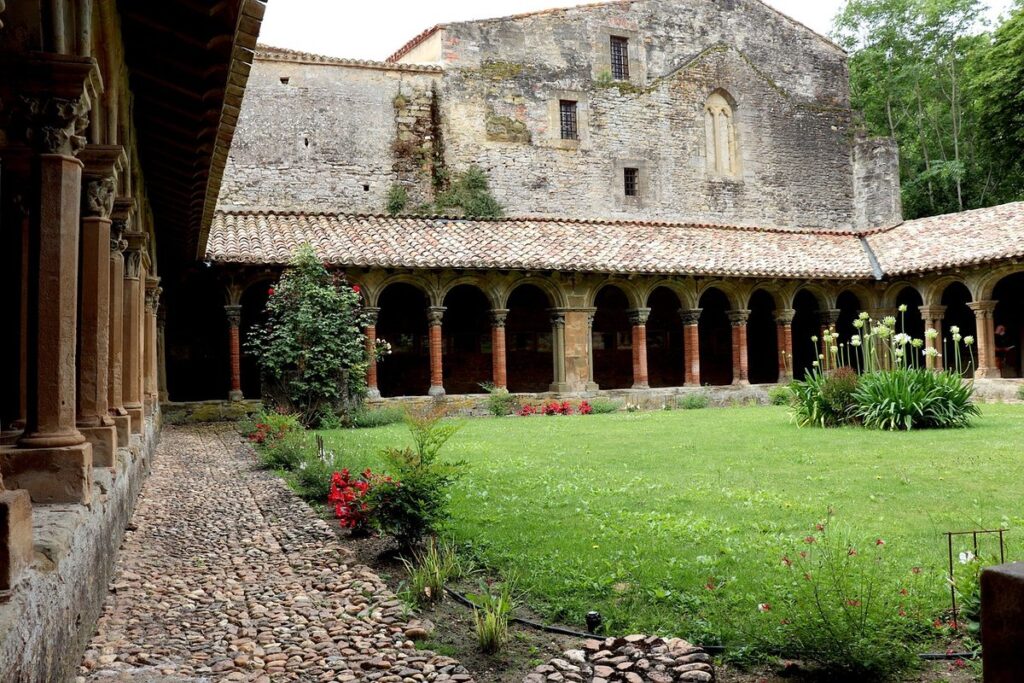
The Significance of Heritage Museums and Gardens
Heritage museums and gardens are not just repositories of artifacts, but also living testaments to our collective past. They offer a unique window into the lives and experiences of those who came before us.
Introduction to Heritage Preservation
Heritage preservation is a vital endeavor that goes beyond mere nostalgia for the past. It’s an essential component of community identity and national pride, allowing future generations to connect with their cultural roots. Preserving historical artifacts, buildings, and landscapes not only safeguards our collective memory but also enriches our understanding of the present.
A well-preserved heritage site can evoke a strong sense of belonging among local residents, who often take pride in their town’s or city’s unique character. For instance, the ancient city of Pompeii in Italy is a testament to the power of preservation. After being buried under volcanic ash for centuries, its ruins were carefully excavated and restored, providing a window into life in ancient Rome.
Heritage museums and gardens play a crucial role in this preservation effort by serving as repositories for artifacts, artworks, and natural specimens. These institutions not only conserve these treasures but also interpret their significance to the public through exhibits, programs, and educational initiatives. By doing so, they foster a deeper appreciation for cultural heritage and inspire people to take an active role in its preservation.
Types of Heritage Museums and Gardens
Heritage museums and gardens come in diverse forms, each offering a unique window into the past. Historic houses, for instance, provide an intimate glimpse into the lives of former occupants, often with period furnishings and artifacts intact. These sites are not just repositories of material culture but also serve as educational tools, helping visitors understand the social and economic contexts of bygone eras.
Art galleries, on the other hand, showcase artistic masterpieces that reflect the aesthetic values and creative output of different cultures and time periods. They play a crucial role in promoting cross-cultural understanding and appreciation for the arts. Botanical gardens, with their vast collections of plant species, not only serve as repositories of horticultural knowledge but also offer peaceful retreats for visitors to relax amidst nature.
Arboretums, specifically designed to display tree species from around the world, provide valuable insights into the ecological and environmental conditions that have shaped human societies. These types of heritage institutions cater to diverse interests and learning styles, making them accessible to a broad audience. By preserving these sites, we not only safeguard our cultural heritage but also foster a deeper understanding and appreciation for the complex relationships between people, nature, and culture.
History and Development of Heritage Museums and Gardens
Heritage museums and gardens have evolved over time, influenced by shifting societal values and technological advancements. We’ll examine how these cultural institutions have adapted to preserve their collections and share them with the public.
Ancient Roots: Early Examples of Cultural Preservation
In ancient civilizations such as Egypt, Greece, and Rome, museums and gardens served as repositories of cultural knowledge and beauty. The Egyptian temples at Luxor and Karnak featured lush botanical gardens, while the Greek and Roman aristocracy maintained extensive collections of art and artifacts within their estates.
The purposes of these early institutions were multifaceted: they not only showcased a civilization’s artistic and intellectual achievements but also played a role in education, entertainment, and even spiritual practices. For example, the ancient Greeks used their gardens as settings for philosophical debates and artistic performances. Similarly, Roman villas often featured elaborate garden spaces that served as venues for social gatherings and cultural events.
These early examples of museums and gardens have had a lasting impact on modern heritage institutions. By studying these ancient models, we can gain insights into the importance of preserving cultural artifacts and natural environments for future generations. For instance, many contemporary botanical gardens are modeled after their ancient Egyptian counterparts, emphasizing the preservation of rare plant species and ecosystems.
Evolution of Modern Heritage Institutions
In the 19th century, museums and gardens began to shift from mere repositories of artifacts and specimens to more immersive experiences for visitors. The British Museum’s Great Court, designed by Robert Smirke in 1823, set a new standard for grandeur and accessibility. However, as urbanization accelerated, many institutions struggled to balance preservation with the demands of growing cities.
The early 20th century saw significant innovations in museum design, such as the Bauhaus-inspired Museum of Modern Art (MoMA) in New York City, which prioritized clean lines, natural light, and open spaces. Meanwhile, gardens like the Royal Botanic Gardens, Kew, began to adopt more scientific approaches to horticulture, emphasizing plant classification and conservation.
The mid-20th century brought a new wave of museum design, with institutions like the Guggenheim Museum in Bilbao, Spain, incorporating striking architecture and interactive exhibits. This period also saw increased recognition of the role of gardens in community development and social welfare. For example, Japan’s Shinjuku Gyoen National Garden became a model for urban park design, combining serene landscapes with educational programs and recreational activities.
Design and Architecture of Heritage Museums and Gardens
Heritage museums and gardens are not just beautiful spaces, but also carefully crafted to preserve the past for future generations. We’ll explore how their design and architecture play a crucial role in this preservation effort.
Balancing Preservation and Innovation
When designing a heritage museum or garden, balancing preservation and innovation is crucial. The goal is to maintain the original character of the site while incorporating modern technologies and designs that enhance visitor experience. A delicate balance must be struck between restoring historic features and introducing new elements that respect the site’s cultural significance.
To achieve this balance, architects and designers often employ a phased approach. This involves prioritizing restoration efforts for areas with significant historical value, while integrating modern amenities and exhibits in designated zones. For instance, a museum might restore its original entrance hall while installing state-of-the-art climate control systems to protect the surrounding artifacts.
Other considerations include repurposing historic buildings as galleries or event spaces, and incorporating green roofs or living walls to minimize environmental impact. Effective preservation also requires careful planning for future adaptations, such as modular designs that allow for flexible exhibit layouts.
Ultimately, successful heritage museum design balances historical authenticity with innovative solutions that engage visitors and foster cultural appreciation.
Sustainable Practices in Heritage Institutions
Heritage institutions have a unique responsibility to preserve cultural riches while minimizing their environmental footprint. Sustainable practices are crucial in heritage museums and gardens, where energy consumption, water usage, and waste management can significantly impact operations.
Many heritage institutions are adopting energy-efficient lighting systems, which reduce greenhouse gas emissions and lower electricity bills. For instance, the Louvre Museum in Paris has implemented a smart lighting system that adjusts brightness levels based on natural light availability, saving 75% of its previous energy consumption.
Water conservation is another essential aspect of sustainable practices in heritage institutions. Gardens often feature rainwater harvesting systems to collect and reuse water for irrigation. The Royal Botanic Gardens in Melbourne, Australia, uses this approach to reduce its water footprint by over 50%.
Effective waste management is also vital. Heritage institutions can implement recycling programs, composting initiatives, and minimal packaging policies to minimize their environmental impact. The Metropolitan Museum of Art in New York City has implemented a comprehensive recycling program, reducing its waste output by nearly 90%.
Collections and Exhibitions in Heritage Museums and Gardens
One of the most exciting aspects of heritage museums and gardens is the opportunity to experience collections and exhibitions that showcase unique artifacts, artworks, and natural wonders. From rare botanicals to priceless antiquities, these treasures are carefully curated for your enjoyment.
Curation and Conservation Strategies
Heritage museums and gardens possess a vast array of artifacts, artworks, and natural collections that require careful curation and conservation to preserve their cultural significance. Artifact acquisition is a crucial step, often involving collaboration with experts, donors, or other institutions to ensure the integrity and authenticity of the items.
Cataloging is another essential process, where each item is meticulously documented, including its history, materials, and condition. This information is stored in databases, making it easily accessible for researchers and staff. Storage and display are also critical considerations, with climate-controlled environments and secure displays protecting the artifacts from damage and degradation.
Storage facilities are designed to mimic the conditions of their original environments, such as temperature, humidity, and lighting. Display cases are custom-made to accommodate specific needs, while ensuring that the artifacts remain safe and visible for visitors. Regular monitoring and maintenance are necessary to ensure the collections continue to thrive.
A small minority of heritage institutions have adopted digitization strategies, creating virtual replicas or 3D models of items to reduce handling and preserve fragile materials.
Innovative Exhibits and Interpretation Methods
Heritage institutions have long recognized the importance of engaging visitors through innovative exhibits and interpretation methods. To achieve this, museums and gardens employ a range of strategies, from interactive displays to immersive experiences. For instance, the National Gallery of Art’s West Building features an interactive exhibit that allows visitors to manipulate digital versions of famous paintings. This approach not only enhances the visitor experience but also promotes a deeper understanding of the artwork.
Another notable example is the use of storytelling in exhibits. The Smithsonian’s National Museum of African American History and Culture employs this technique, weaving narratives throughout its exhibitions to contextualize artifacts and artworks within the broader narrative of African American history. Effective exhibit design balances content with interactive elements to encourage visitor participation and foster a sense of connection.
In terms of emerging trends, some heritage institutions are adopting more immersive experiences, such as virtual reality (VR) or augmented reality (AR), to bring collections to life. For example, the Metropolitan Museum of Art’s “Heavenly Bodies” exhibit used VR technology to transport visitors into the world of Catholicism and art.
Community Engagement and Education in Heritage Museums and Gardens
Community engagement and education are crucial components of a heritage museum or garden, ensuring that cultural significance is shared with diverse audiences. Effective programs can spark meaningful connections between visitors and the institution’s collections.
Programs for Diverse Audiences
Heritage museums and gardens must be inclusive spaces where diverse audiences feel welcome. Programs for family-friendly activities are essential to engage young minds with cultural heritage. For instance, interactive workshops, hands-on crafts, and scavenger hunts can make learning fun and accessible. Many institutions offer these programs on weekends or during school breaks when families typically visit.
Educational workshops cater to adults interested in deepening their understanding of art, history, or horticulture. These sessions might focus on specific topics like conservation techniques, historical periodization, or garden design principles. Some museums partner with local universities or community colleges to offer credit-bearing courses or certificate programs. Collaborations like these not only enhance visitor engagement but also foster a sense of ownership among participants.
Outreach events are vital for reaching underserved populations who may face barriers to accessing heritage institutions. Partnerships between museums and local organizations can help bridge these gaps. For example, hosting events at community centers, libraries, or senior facilities allows the museum to reach audiences it might not otherwise engage. This approach also helps build trust and promotes a sense of belonging among diverse groups.
Collaborations and Partnerships with Local Communities
Heritage institutions have seen a significant shift towards engaging with local communities through collaborations and partnerships. These efforts aim to amplify the museum’s reach, foster deeper connections between the institution and its surroundings, and provide mutually beneficial outcomes for both parties.
Successful partnerships can manifest in various forms, such as co-curated exhibitions that highlight the community’s stories or cultural heritage. For instance, a museum might partner with local artists to create an exhibit showcasing traditional crafts or folk art from the region. Alternatively, collaborations may involve joint research projects where museums and community organizations work together to document and preserve historical sites or artifacts.
When establishing these partnerships, museums should prioritize open communication, flexibility, and mutual respect. Regular meetings and feedback sessions can help ensure that both parties are aligned in their goals and objectives. By doing so, heritage institutions can build trust with local communities, create lasting relationships, and make a more meaningful impact on preserving cultural riches. Effective collaborations can also lead to increased community participation, improved outreach programs, and enhanced resource allocation – ultimately contributing to the long-term sustainability of these invaluable institutions.
Challenges and Future Directions for Heritage Museums and Gardens
As we delve into the intricacies of heritage museums and gardens, it’s essential to acknowledge the obstacles they face in preserving cultural riches. What does the future hold for these institutions?
Threats to Cultural Preservation
Heritage museums and gardens face numerous threats to cultural preservation, compromising their ability to safeguard history and natural heritage for future generations. Funding constraints are a significant concern, as institutions struggle to maintain buildings, collections, and staff in the face of dwindling budgets. Changing visitor demographics also pose challenges, with some institutions struggling to adapt to shifting audience needs and expectations.
Environmental concerns, such as climate change and extreme weather events, can damage or destroy irreplaceable artifacts, gardens, and landscapes. For example, rising sea levels threaten coastal heritage sites, while droughts and heatwaves imperil botanical collections. Additionally, the increasing popularity of digital experiences may lead to a decline in physical visitation, compromising the financial sustainability of these institutions.
The impact of these threats on cultural preservation efforts is substantial. Many institutions are forced to prioritize short-term needs over long-term goals, sacrificing essential conservation work or even closing exhibits and gardens due to financial constraints. To mitigate these challenges, heritage museums and gardens must develop adaptive strategies that balance preservation with innovation, such as investing in digital engagement, diversifying revenue streams, and prioritizing climate-resilient infrastructure.
Strategies for Adaptation and Growth
To remain relevant and vibrant, heritage museums and gardens must adapt to emerging challenges. One successful strategy is innovation – incorporating new technologies, exhibitions, and programs that appeal to diverse audiences. For instance, the High Line in New York City transformed an elevated rail line into a public park, attracting millions of visitors annually.
Diversification is another key approach. The Smithsonian’s National Museum of African American History and Culture in Washington, D.C. showcases the rich cultural heritage of African Americans through interactive exhibits and rotating displays. By catering to underserved communities, institutions like this one strengthen their connection with local residents and foster a deeper understanding of diverse cultures.
Collaboration is also essential for growth. Partnerships between museums, gardens, and community organizations can facilitate knowledge-sharing, resource exchange, and co-curated exhibitions. The Brooklyn Botanic Garden’s partnership with the Queens Museum in New York City, for example, brought together horticultural and cultural experts to create a unique garden design inspired by Asian art.
Frequently Asked Questions
Can I start a heritage museum or garden in my local community?
Yes, it’s possible to establish a heritage institution in your area by building partnerships with local stakeholders, securing funding, and developing a comprehensive plan for preservation, education, and community engagement. This often involves collaborating with existing institutions, engaging local leaders, and applying for grants.
What if I don’t have the resources to preserve an entire historic house or garden?
While it’s ideal to maintain original structures, you can still create a heritage experience by highlighting specific aspects of the property, such as its architectural style, notable features, or cultural significance. Focus on preserving key elements and providing interpretive exhibits that showcase the site’s history.
Can I use digital technologies to enhance my museum or garden’s collections and exhibitions?
Yes, incorporating digital tools can significantly improve visitor engagement and access to heritage content. Consider developing mobile apps for guided tours, using interactive kiosks for exhibit interpretation, or creating virtual exhibitions and online archives to reach broader audiences.
How do I balance preservation goals with the need for accessibility in my museum or garden?
Prioritize inclusive design by incorporating accessible pathways, signage, and facilities that cater to diverse visitor needs. Consult with experts on universal design principles and collaborate with community members to ensure that your institution is welcoming and engaging for all visitors.