Holiday traditions bring people together like nothing else. From the twinkling lights on Christmas trees to the vibrant colors of Diwali decorations, these special customs have evolved over time, shaped by cultural exchange and Christianity. What’s fascinating is how different regions around the world put their unique spin on holiday festivities – think German gingerbread houses, Mexican Posada celebrations, or Japanese New Year mochi-making. Yet, amidst all this diversity, you may find yourself feeling disconnected from meaningful traditions that speak to your own values and heritage. That’s why creating new family traditions is essential for building a sense of belonging and shared identity. In this article, we’ll explore how holiday traditions have developed globally and offer practical tips on crafting your own unique customs that reflect your personal spirit and values – by the end of it, you’ll be equipped to create lasting memories with loved ones.
Origins and Evolution of Holiday Traditions
Let’s take a journey through time to explore how holiday traditions have originated, influenced by history, culture, and geography, shaping modern celebrations. From ancient customs to contemporary practices, every tradition has a story to tell.
The Ancient Roots of Winter Festivals
Saturnalia in ancient Rome and Yule in Northern Europe are just two of the many winter festivals that predate modern holiday traditions. These ancient celebrations shared common themes, such as the solstice’s significance and the struggle to survive harsh winters. During Saturnalia, Romans would exchange gifts, decorate their homes with greenery, and engage in feasting and merriment – practices eerily similar to today’s Christmas festivities.
In Northern Europe, Yule was a time for tribal gatherings, where people would share stories, sing songs, and light fires to ward off the darkness. They believed that Yule marked the return of longer days and warmer temperatures. Similarly, many modern holiday traditions involve lighting candles or fires, symbolizing hope and renewal.
What can we learn from these ancient winter festivals? By understanding their roots, we can appreciate the evolution of our own holiday customs. For example, incorporating elements like gift-giving, feasting, and merriment into your celebrations can add a deeper sense of meaning and connection to your loved ones. Consider hosting a dinner party with a focus on local, seasonal ingredients, or creating handmade gifts for family members – these simple acts can help you connect with the spirit of Saturnalia and Yule.
Influence of Christianity on Holiday Traditions
Christian holidays like Christmas and Easter have had a profound impact on modern holiday traditions around the world. The celebration of Jesus’ birth and resurrection has influenced the way people mark these special days, often incorporating local customs and practices into their observances.
In many countries, Christmas is celebrated with great fanfare, but its origins are deeply rooted in Christian tradition. The use of evergreen trees, holly, and mistletoe, for example, dates back to pre-Christian times when they were seen as symbols of life and fertility. Christians later adopted these customs, associating them with eternal life and the promise of new birth.
Easter, too, has left its mark on modern holiday traditions. The tradition of dyeing eggs, for instance, is thought to have originated in medieval Europe, where hard-boiled eggs were colored red to represent the blood of Christ. Today, Easter egg decorating remains a beloved activity around the world, often accompanied by other symbols like the Easter bunny and chocolate bunnies.
In incorporating these Christian traditions into their own holiday celebrations, people are free to adapt and modify them in ways that reflect local culture and preferences.
The Impact of Cultural Exchange on Holiday Traditions
Cultural exchange has played a significant role in shaping holiday traditions around the world. As people from different societies interact and influence one another, their unique customs and practices are exchanged and adapted. For instance, Christmas trees originated in 16th-century Germany, but have since become a staple decoration in many countries, including the United States and Japan.
The introduction of festive foods is another example of cultural exchange’s impact on holiday traditions. In Italy, panettone, a sweet bread loaf, is a traditional Christmas treat that was introduced by the Portuguese in the 15th century. Similarly, the tradition of making sugar cookies during the holidays has its roots in German and Dutch culture.
In terms of activities, many countries have adopted festive traditions from one another. For example, the Japanese city of Tokyo celebrates Christmas with elaborate light displays, a practice that was imported from the United States. In contrast, some cultures, such as Iceland’s, have maintained their unique holiday customs despite external influences. When planning your own holiday celebrations, consider incorporating elements from other cultures to add variety and depth to your traditions.
Traditional Holiday Foods and Drinks
From sweet treats to savory delights, holiday traditions are deeply rooted in the cuisine of each culture. Let’s take a culinary journey through some of the most iconic traditional holiday foods and drinks from around the globe.
Sweet Treats: Cookies, Cakes, and Pastries
Sugar cookies are a staple at American holiday gatherings, often decorated with festive sprinkles and icing. In Italy, panettone is a sweet bread traditionally served during Christmas. This buttery, raisin-studded treat has been a beloved Italian holiday tradition for centuries.
Germany’s stollen cake is another iconic sweet treat, typically made with dried fruits and spices. The country’s bakeries often sell these sweet breads throughout the holiday season. In Mexico, Rosca de Reyes is a rich fruitcake served on January 6th to celebrate the Epiphany. This sweet bread is typically topped with nuts and dried fruits.
When preparing your own holiday treats, consider incorporating local flavors and traditions into your baking. For example, you could add a hint of cinnamon or nutmeg to your sugar cookie dough for a unique twist. Alternatively, try making panettone at home using a traditional Italian recipe.
Some popular sweet treats from around the world include:
- Italy: Panettone
- Germany: Stollen cake
- Mexico: Rosca de Reyes
- Sweden: Gingerbread cookies
- France: Bûche de Noël (Yule log)
Savory Delights: Roasted Meats and Stews
Roasted meats and stews are staples of many holiday tables around the world. In some countries, like the United States and Canada, roasted turkey is a classic centerpiece for family gatherings on Christmas Day or Thanksgiving. Meanwhile, in Europe, roasted ham is a popular choice for special occasions. To prepare a delicious roasted turkey, you’ll want to rub it with a mixture of salt, pepper, and herbs before roasting at high heat until the skin is crispy.
Hearty stews are also a common sight on holiday menus. Beef bourguignon, a French dish made with slow-cooked beef, onions, and mushrooms in red wine, is a classic example. This rich and flavorful stew is perfect for cold winter nights spent with loved ones. To make your own beef bourguignon, brown the beef in a pan before adding it to a pot of simmering stock, vegetables, and red wine.
When preparing roasted meats or stews for a holiday gathering, consider a few key tips: use fresh herbs for added flavor, don’t overcook the meat, and let the dish rest before serving. These simple techniques can elevate your holiday meal into something truly special.
Festive Beverages: Eggnog, Hot Chocolate, and Mulled Wine
Eggnog is a quintessential North American holiday drink, often served at family gatherings and parties. In contrast, hot chocolate is a staple in many Latin American countries, particularly Mexico, where it’s traditionally made with rich, dark chocolate and topped with marshmallows or whipped cream. Europe, meanwhile, has its own mulled wine tradition, which involves warming red wine with spices like cinnamon, cloves, and nutmeg to create a soothing, wintry drink.
The role of festive beverages in holiday traditions is more than just providing a warm, comforting drink – it’s also about creating a sense of community and shared experience. For example, in some European countries, mulled wine is served at Christmas markets, where locals gather to socialize and enjoy the festivities. Similarly, hot chocolate is often served as a gesture of hospitality in Latin American cultures.
When incorporating festive beverages into your holiday celebrations, consider the traditions and customs of different regions or cultures. For instance, you might try making a traditional Mexican hot chocolate using high-quality dark chocolate and spices, or serve mulled wine at a winter party with friends. Experimenting with new flavors and recipes can add a unique twist to your holiday gatherings and create lasting memories.
Holiday Decorations and Symbols
From intricate nativity scenes to vibrant Day of the Dead altars, holiday decorations and symbols are a vital part of many global traditions. Let’s take a closer look at some of these unique and fascinating examples.
Lights, Garlands, and Ornaments
In many cultures, festive lights, garlands, and ornaments are an integral part of holiday decorations. For instance, during Japan’s New Year (Oshogatsu) celebrations, homes are adorned with paper lanterns and bamboo straws to usher in good luck. In Germany, Christmas trees are often decorated with candles, glass balls, and intricately designed wooden ornaments. Similarly, in Mexico, Posada celebrations feature colorful piñatas, papier-mâché nativity scenes, and vibrant flowers.
Garlands made from evergreen branches, holly, or mistletoe add a fragrant touch to holiday decor. In Italy, for example, families create garlands using fresh rosemary and laurel leaves during the Epiphany celebrations. Ornaments come in various shapes, sizes, and materials, reflecting each culture’s unique traditions. For instance, in Norway, handmade wooden ornaments are crafted with intricate patterns and designs.
To incorporate these festive elements into your holiday decor, consider choosing decorations that reflect your cultural heritage or personal style. You can also experiment with DIY projects, such as making paper lanterns or hand-painting wooden ornaments. Whatever the choice, remember that traditional holiday decorations like lights, garlands, and ornaments serve not only to beautify homes but also to connect us with our past and each other’s traditions.
The Significance of Christmas Trees and Wreaths
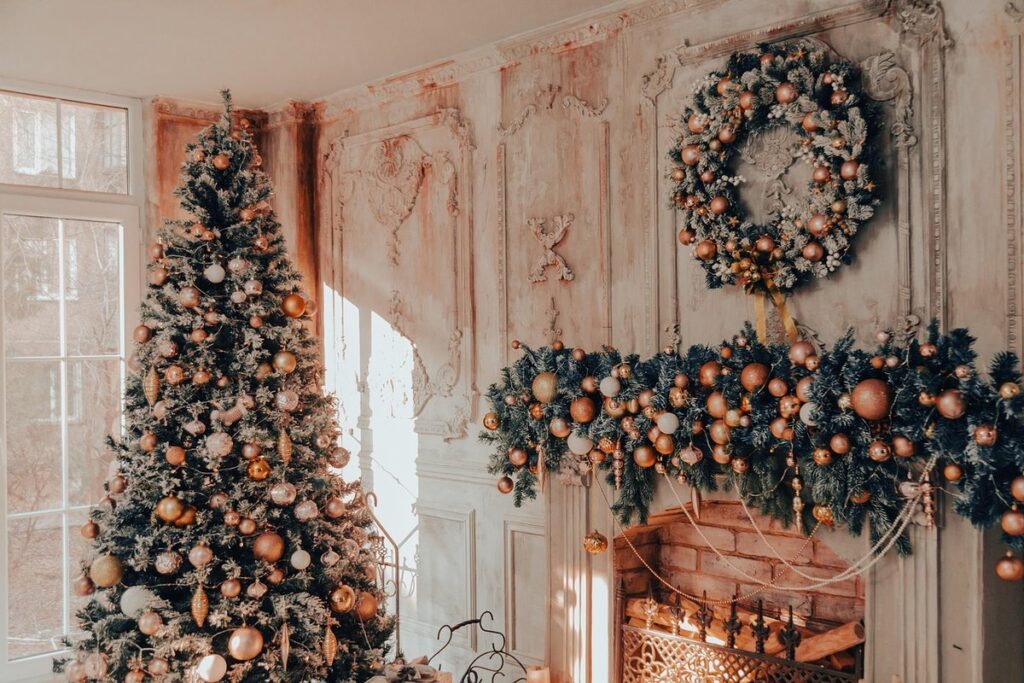
The Christmas tree and wreath are two iconic symbols of the holiday season. The origins of these traditions date back to 16th-century Germany, where evergreen trees were seen as a symbol of life and hope during the cold winter months. Martin Luther, the German Protestant reformer, is credited with popularizing the custom of decorating Christmas trees. He would bring a small fir tree into his home and decorate it with candles to remind his children of the importance of faith and the light of Christ.
In many cultures, wreaths are made from evergreen branches, holly, or mistletoe, symbolizing eternal life and fertility. The circular shape of wreaths is also thought to represent unity and wholeness. In medieval Europe, wreaths were given as gifts to friends and loved ones, signifying the arrival of the new year.
When decorating your own Christmas tree or creating a holiday wreath, consider the symbolism behind these traditions. Choose evergreen branches or other natural materials that evoke the feeling of life and renewal. Add decorations that reflect your personal style and cultural heritage. By embracing these timeless symbols, you can connect with the rich history and meaning behind them and create a more meaningful holiday experience for yourself and others.
Holiday-themed Table Settings and Centerpieces
To create a festive and inviting atmosphere at your holiday table, consider incorporating seasonal flowers, candles, and decorative ceramics into your centerpiece. For example, use red poinsettias or white amaryllis to add pops of color and fragrance to your arrangement. You can also experiment with different candle styles, such as mercury glass holders or apothecary jars, in traditional holiday scents like cinnamon or pine.
When choosing decorative ceramics, look for pieces that reflect the unique spirit of your chosen holiday tradition. For a winter wonderland theme, consider blue and white porcelain or snowflake-patterned plates and platters. To add a touch of whimsy to your table, incorporate festive-themed ceramics, such as reindeer-shaped cookie jars or Christmas tree-patterned mugs.
Incorporating natural elements like evergreen branches, pinecones, and holly into your centerpiece can also help create a sense of holiday cheer. Simply arrange these elements in a decorative vase or bowl to add depth and texture to your arrangement. Consider grouping similar items together, such as all candles on one side of the table, to create visual interest.
Modern Interpretations of Holiday Traditions
As we explore holiday traditions from around the globe, modern twists on classic celebrations are adding a fresh layer to age-old customs. From revamped recipes to innovative decorations, creativity is redefining traditional holidays.
Creating New Family Traditions
Creating new family traditions is a great way to make holiday celebrations more meaningful and personal. Start by reflecting on what matters most to you and your loved ones. Consider values like kindness, gratitude, or creativity, and think about how you can weave them into your holiday traditions.
For example, if you value environmentalism, you might start a new tradition of making eco-friendly crafts or decorating with natural materials like pinecones and evergreen branches. If you’re interested in cultural heritage, you could incorporate traditional recipes, music, or dance from your family’s ancestry into your celebrations.
To get started, try brainstorming ideas with family members to create a shared vision for new traditions. Ask each person to contribute one idea, no matter how small it may seem. You can also draw inspiration from other cultures and holiday celebrations around the world. Think about what resonates with you and why – is it the food, decorations, or sense of community?
Some possible ideas to consider include:
- Starting a new annual volunteer day on a specific holiday
- Creating a special family recipe book filled with stories and photos
- Hosting an intergenerational storytelling session around the dinner table
Incorporating Cultural Heritage into Holiday Celebrations
Incorporating elements of cultural heritage into holiday celebrations is a meaningful way to honor one’s ancestry and connect with traditions from around the world. This can be achieved by incorporating traditional foods, music, or crafts that reflect the culture’s history and customs.
For example, Italian families might prepare seven types of fish on Christmas Eve, following the tradition of “La Vigilia di Natale.” In Mexico, Posada celebrations often feature traditional foods like tamales and hot chocolate. Similarly, in Sweden, families gather to make pepparkaker, a traditional gingerbread cookie.
In addition to food, music plays a significant role in preserving cultural heritage during holidays. For instance, many Latin American countries celebrate Nochebuena with lively marimba or accordion playing. In Japan, families may sing Christmas carols, often accompanied by traditional instruments like the shamisen.
To incorporate cultural heritage into holiday celebrations, consider the following steps:
- Research traditional foods and recipes from your ancestors’ country of origin
- Learn a few words or phrases in the language spoken by your ancestors to use during holiday gatherings
- Incorporate traditional music or instruments into your holiday festivities
- Engage in or learn a traditional craft, such as woodworking or textiles, that reflects your cultural heritage
Embracing Digital Age Holiday Traditions
Technology has transformed the way we celebrate holidays, making it easier to connect with loved ones and preserve traditions despite physical distance. One notable shift is the rise of e-cards, which allow you to send personalized greetings without the environmental impact of paper cards.
Online gift-giving platforms have also become increasingly popular, enabling you to purchase gifts remotely and even schedule deliveries in advance. This can be especially helpful for those who struggle to find time to shop during peak holiday seasons or live far from family members.
Virtual festivities are another way technology has influenced holiday traditions. Many people participate in online events, such as virtual cookie exchanges or digital ornament-making workshops. Some families also use video conferencing platforms to hold remote holiday gatherings and share meals together virtually.
When embracing digital age holiday traditions, it’s essential to find a balance between technology and meaningful human connection. Set aside time for face-to-face interactions with loved ones, even if they’re virtual. You can also incorporate traditional elements into your digital celebrations to create hybrid experiences that blend old and new. For instance, you might send e-cards with handmade designs or participate in online craft sessions while sharing holiday stories with family members on video calls.
Frequently Asked Questions
What if I want to incorporate multiple cultural traditions into my holiday celebrations?
You can start by selecting a few traditions that resonate with you and your family. Research their origins and significance, then adapt them to fit your lifestyle and preferences. For example, you could combine elements of Christmas caroling from Europe with traditional Latin American music during the Noche Buena celebration on Christmas Eve.
How do I balance preserving cultural heritage with creating new family traditions?
Yes, it’s possible to strike a balance between honoring your cultural roots and forging new holiday traditions that reflect your personal values. Start by identifying which aspects of your heritage you’d like to preserve, then brainstorm ways to adapt them for modern times. For instance, if you’re of African American descent, you could revitalize the tradition of soul food cooking during holidays while also incorporating more contemporary flavors.
What are some common mistakes people make when trying to create new family traditions?
One common mistake is over-planning and trying to do too much at once. Instead, start with small, manageable steps, like setting aside a special holiday meal or activity each year. Also, be mindful of cultural appropriation: ensure you’re not borrowing elements from another culture without proper understanding or credit.
Can I use digital tools to help create new family traditions?
Yes, technology can be a great resource in creating new holiday traditions! Use apps and online platforms to plan and organize your celebrations, send digital invitations, or even create virtual scavenger hunts. You can also leverage social media to connect with others who share similar interests and learn from their experiences.
What if I’m struggling to come up with new ideas for family traditions?
No need to worry – it’s normal for inspiration to strike at times! Try brainstorming sessions with your family members, or seek out online communities and blogs focused on holiday traditions. You can also explore local events and festivals in your area, which may spark new ideas for activities and decorations.