
Peru is often associated with its rich cultural heritage, but one aspect that sets it apart from other countries is its linguistic diversity. With over 45 indigenous languages spoken across its territory, Peru boasts an astonishing level of language variety. This incredible richness, however, comes with a warning: many of these languages are in peril due to globalization and urbanization. The loss of indigenous languages not only erases cultural identity but also silences the voices of native communities.
You might wonder how this complex linguistic landscape unfolds across different regions of Peru. For instance, the Andean highlands are home to Quechua and Aymara speakers, while the Amazon rainforest is inhabited by Ashaninka and Shipibo communities. In this article, we’ll explore regional patterns of language use, the efforts being made to preserve these endangered languages through documentation and revitalization programs, and what this means for Peru’s cultural identity. By the end of it, you’ll have a deeper understanding of Peru’s rich linguistic landscape and the importance of preserving its indigenous languages.
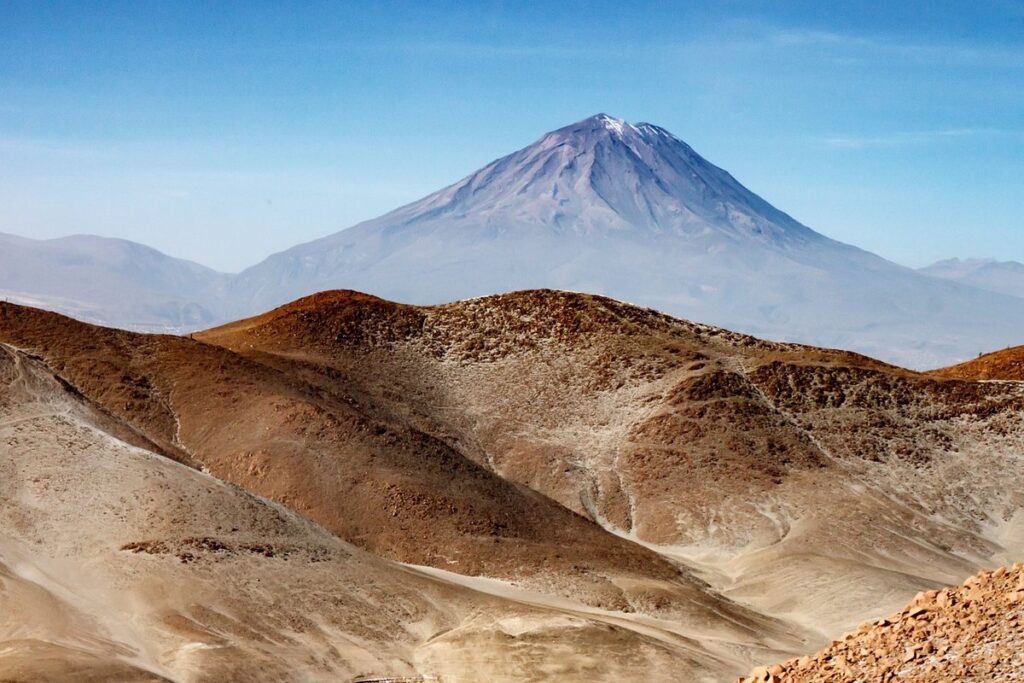
The Official Languages of Peru
Peru is home to two official languages, Spanish and Quechua, but that’s just the tip of the iceberg when it comes to linguistic diversity in the country. We’ll take a closer look at these official languages next.
Spanish as the Dominant Language
Spanish was imposed on the indigenous population as the language of governance and commerce after the Spanish conquest in 1532. This marked a significant shift from the region’s pre-Columbian linguistic landscape, where over 1,000 distinct languages were spoken. As the Spanish Empire expanded its control over Peru, the use of indigenous languages gradually declined, while Spanish became increasingly dominant.
In 1821, when Peru gained independence from Spain, Spanish was formally established as an official language, a status it retains to this day. The country’s linguistic landscape has been shaped by centuries of colonial and post-colonial history. Today, Spanish is the primary language spoken by the vast majority of Peruvians, with approximately 80% of the population fluent in Spanish.
The adoption of Spanish had far-reaching consequences for Peru’s indigenous communities, leading to a loss of cultural identity and linguistic diversity. Many indigenous languages are now considered endangered, with some estimates suggesting that up to 60% of Peru’s native languages may be lost within the next few generations if efforts to preserve them are not implemented.
Indigenous Languages in Peril
Many indigenous languages in Peru are facing a critical decline due to linguistic shift. As Spanish has become the dominant language, younger generations are increasingly abandoning their native tongues in favor of more widely spoken and economically advantageous Spanish. This trend is particularly pronounced in rural areas where access to education and economic opportunities is limited.
According to UNESCO, over 70% of Peru’s indigenous languages are considered endangered, with many having fewer than 1,000 speakers. The Quechua language, for example, which was once the dominant language in the Andean region, now has around 800,000 speakers, mostly elderly individuals. Similarly, the Ashaninka language, spoken by the largest indigenous group in Peru, is estimated to have only a few thousand speakers.
The lack of recognition and support for indigenous languages has exacerbated this decline. Many schools do not offer classes or materials in indigenous languages, leaving students with limited opportunities to learn and practice their native tongues. Furthermore, government policies often prioritize Spanish as the sole official language, further marginalizing indigenous languages.
The Number of Languages Spoken in Peru
Peru boasts a staggering linguistic diversity, with numerous indigenous languages spoken across its regions. This section takes a closer look at the number of languages spoken throughout the country.
Ethnologue’s Classification
Ethnologue’s classification categorizes languages into several levels of granularity. According to Ethnologue, Peru has a total of 59 living languages. This number includes languages spoken by indigenous groups as well as those used by immigrant communities. The classification system breaks down languages into categories such as language families (e.g., Quechua and Aymara are part of the Quechua family), language isolates (languages that don’t belong to any known family), and sign languages.
Within the 59 languages spoken in Peru, some are considered endangered, while others have a relatively large number of speakers. For example, Spanish is the dominant language with over 17 million speakers, but there are only around 1,000 fluent speakers of the Ashaninka language. This highlights the significant linguistic diversity within the country.
Ethnologue’s classification system provides a framework for understanding and comparing the linguistic landscape of different countries. However, it’s worth noting that the number of languages spoken in Peru may vary depending on the source used. Other sources and estimates will be discussed in the next section.
Other Sources and Estimates
Estimates from other sources offer varying perspectives on the number of languages spoken in Peru. According to UNESCO’s Atlas of the World’s Languages in Danger, there are 14 indigenous languages spoken in the country, with Quechua and Aymara being the most widely spoken. In contrast, a report by the Peruvian government estimates that there are around 15 indigenous languages.
However, Ethnologue’s classification, which we discussed earlier, puts the number at 45 distinct languages. This discrepancy highlights the complexity of language classification and the challenges of accurately counting linguistic diversity. The Peruvian Ministry of Education has also estimated that up to 40% of the population speaks an indigenous language as their mother tongue.
To gain a more comprehensive understanding of Peru’s linguistic landscape, it is essential to consult multiple sources and consider the nuances of language classification. By doing so, we can better appreciate the country’s rich linguistic diversity and the importance of preserving endangered languages.
Regional Linguistic Patterns
Peru is home to a staggering array of languages, with indigenous communities speaking over 70 distinct dialects across its diverse regions. We’ll take a closer look at these regional patterns and their cultural significance.
Amazonas Region
The Amazonas Region is home to a diverse array of indigenous communities and languages. According to Ethnologue, there are 26 languages spoken in the region, including Ashaninka, Shipibo-Konibo, and Matses. These languages belong to various language families, such as Arawakan, Quechua, and Tupi-Guarani.
Indigenous communities in the Amazonas Region often live in remote areas with limited access to healthcare, education, and other services. As a result, their languages are frequently stigmatized, and efforts to promote bilingualism or multilingualism may be hindered. For instance, in some schools, teachers may only speak Spanish or Quechua, making it difficult for students to learn their native language.
Efforts have been made to document and preserve the languages of the Amazonas Region. The Ashaninka language, for example, has been recognized as an official language in the region, and efforts are being made to create educational materials and dictionaries. However, much work remains to be done to support linguistic diversity in this region.
In total, around 60% of the population in the Amazonas Region speaks an indigenous language at home.
Andean Region
The Andean region is home to a rich linguistic heritage, with several languages spoken across the highlands and plateaus. Quechua, one of the most widely spoken indigenous languages in Peru, has over 2 million speakers, primarily in the departments of Cusco, Apurímac, Ayacucho, Huancavelica, and Junín. In fact, Quechua is the second-most-spoken language in Peru after Spanish, with significant use in informal settings, family gatherings, and local commerce.
Aymara, another important indigenous language, is spoken primarily in Puno department, where it’s estimated to be spoken by around 700,000 people. Aymara has its own distinct grammar and vocabulary, which sets it apart from Quechua. While both languages are recognized as official languages at the regional level, their use varies greatly across different communities.
The Andean region also boasts other indigenous languages like Ashaninka (spoken in Cusco) and K’achon (in Puno). These languages often coexist with Spanish, but their usage is generally restricted to specific cultural or social contexts. To truly appreciate the linguistic diversity of this region, it’s essential to explore local markets, attend traditional festivals, and engage with indigenous communities where these languages are spoken.
Coastal Region
The coastal region of Peru is linguistically diverse, with a mix of indigenous languages and the influence of Spanish. Quechua, an indigenous language, is spoken by around 18% of the population in this region, although its use has been declining due to the dominance of Spanish. In some areas, such as Lima, the capital city, indigenous languages have almost disappeared from everyday life.
However, there are still pockets where indigenous languages thrive. For example, in the Chincha Valley, the Quechua dialect known as “Quechua Chinchana” is spoken by a significant number of people. Similarly, in the Ancash region, the Quechua dialect of Ancash is widely spoken.
The influence of Spanish on indigenous languages can be seen in the vocabulary and grammar of these languages. Many indigenous words have been replaced with their Spanish equivalents, while others have merged with Spanish to create new linguistic forms. This process is known as language contact, where two or more languages come into close contact and exchange features.
This blending of languages has created a unique linguistic landscape in the coastal region. Understanding this complex interplay between languages can provide insights into the history and culture of the area.
The Role of Language in Peruvian Identity
Language plays a vital role in defining cultural identity, and Peru is no exception, where over 45 languages are spoken across its diverse regions. We’ll explore how these languages contribute to Peruvian identity.
Cultural Significance
Language plays a significant role in Peruvian culture, with many communities relying on their indigenous languages to maintain cultural identity and traditions. For example, in the Amazonas Region, the Shipibo-Konibo people use their native language to recount ancestral stories and myths that have been passed down through generations. Similarly, in the Andean Region, Quechua speakers incorporate traditional music and dance into their language, making it an integral part of their cultural heritage.
The preservation of these languages is crucial for maintaining cultural continuity and promoting cross-cultural understanding. By acknowledging and respecting linguistic diversity, Peruvians can strengthen their connection to their roots and foster a deeper appreciation for the country’s rich cultural tapestry. In practice, this means supporting language documentation efforts, promoting bilingual education, and incorporating indigenous languages into official government communication.
In some areas, local authorities are taking steps to revitalize endangered languages by implementing language immersion programs and creating culturally sensitive educational materials. For instance, the municipality of Cusco has launched a Quechua-language initiative that aims to promote linguistic diversity and cultural exchange between indigenous communities and Spanish-speaking residents.
Language Policy and Education
Language policy and education play a crucial role in promoting linguistic diversity in Peru. The Peruvian government has made efforts to protect endangered languages through laws such as Law 29735, which recognizes indigenous languages as official languages alongside Spanish. This law also requires schools to offer bilingual education programs that cater to the needs of students from diverse linguistic backgrounds.
In practice, this means that many schools are now incorporating Quechua and Aymara language instruction into their curriculum, allowing students to maintain a connection with their ancestral tongues. However, challenges persist in implementing these policies effectively, particularly in rural areas where resources are scarce. Moreover, the dominance of Spanish in education continues to pose a threat to indigenous languages.
To address this issue, some schools have adopted innovative approaches such as “bilingual immersion” programs, which pair students from different linguistic backgrounds together for language instruction and cultural exchange. These initiatives hold promise for promoting intercultural understanding and preserving Peruvian linguistic diversity.
Challenges Facing Linguistic Diversity in Peru
Peru boasts a rich linguistic tapestry, but despite its diversity, many indigenous languages face significant challenges, including limited documentation and recognition. These obstacles threaten the very existence of these vital cultural traditions.
Threats to Endangered Languages
Urbanization is a major threat to indigenous languages in Peru. As people move from rural areas to cities, they often abandon their native tongues in favor of Spanish or other dominant languages. This shift is driven by economic necessity and access to education and job opportunities. Without speakers to pass down the language to younger generations, these dialects risk becoming extinct.
A lack of recognition and support for indigenous languages also contributes to their decline. In Peru, there are no official policies in place to promote or protect these languages, leaving them vulnerable to cultural erasure. This neglect is compounded by the fact that many indigenous communities struggle to access basic services like healthcare and education in their native languages.
In some regions, such as the Amazonas Region, small communities with unique linguistic traditions face an even greater risk of language loss due to encroaching deforestation and migration. Efforts to preserve these languages often rely on community-led initiatives, supported by linguists and anthropologists working to document and promote indigenous language use in everyday life.
Opportunities for Preservation
Despite the many challenges facing linguistic diversity in Peru, there are several initiatives underway to preserve and promote the country’s rich linguistic heritage. For instance, the Amazonas Region is home to a number of language documentation projects, which aim to record and analyze the spoken languages of the area. These efforts not only help to identify areas where language preservation is most needed but also provide valuable resources for linguists, educators, and community members.
In addition to documentation, there are also revitalization programs underway in Peru. For example, the indigenous organization AIDESEP has launched a series of initiatives aimed at promoting the use of local languages in education and daily life. This includes language classes, cultural workshops, and even language immersion programs for students. Such efforts not only help to revitalize endangered languages but also promote intercultural understanding and appreciation.
Several organizations are also working together to develop language learning materials and resources. These include dictionaries, grammars, and textbooks that cater specifically to the needs of Peruvian indigenous communities. By supporting these initiatives, individuals can play a role in preserving linguistic diversity and promoting cultural heritage in Peru.
Conclusion: The Importance of Preserving Linguistic Diversity
As we conclude our journey through Peru’s rich linguistic landscape, it’s essential to acknowledge the value of preserving these diverse languages for future generations. This final section highlights why language preservation is crucial in a country like Peru.
Recommendations for Policy Makers and Educators
Policy makers and educators play a crucial role in preserving linguistic diversity in Peru. To support indigenous language speakers, policymakers can establish programs to document and archive endangered languages through linguistic research projects and community-led initiatives. This can involve partnering with local universities or organizations to develop language documentation standards, provide funding for language preservation efforts, and promote the use of mother tongue instruction in schools.
Educators can integrate indigenous languages into their curricula by developing bilingual education programs that emphasize cultural heritage and language maintenance. This may include hiring teachers who are fluent in indigenous languages and creating educational materials that reflect local cultures and histories. By doing so, educators can help break down linguistic barriers and promote a more inclusive understanding of Peruvian identity.
To ensure the long-term sustainability of these efforts, policymakers should also prioritize the development of language preservation policies that address issues such as linguistic rights, education, and media representation. This may involve revising national education laws to include indigenous language instruction, establishing language rights for indigenous communities, or providing funding for community radio stations to promote multilingual broadcasting.
In addition, educators can engage with local communities by conducting language needs assessments, collaborating on curriculum development, and participating in language documentation projects. By working together with policymakers, educators can create a supportive environment that fosters linguistic diversity and promotes the preservation of indigenous languages in Peru.
Frequently Asked Questions
What Can I Do to Support Language Preservation in Peru?
Language preservation efforts rely on community engagement and support. You can start by learning about the languages spoken in specific regions of Peru, such as Quechua or Aymara. Visit local communities, attend language events, and participate in language documentation projects. Additionally, consider supporting organizations that work towards language revitalization and promotion.
How Do I Choose a Language Course to Learn?
When selecting a language course, consider the focus on indigenous languages and cultural immersion. Look for courses taught by native speakers or instructors with extensive experience working with local communities. Some courses may offer opportunities to stay with host families or participate in community projects, which can enhance your learning experience.
Can I Use Technology to Learn an Indigenous Language?
While traditional language classes are essential, technology can be a valuable supplement. Utilize online resources such as language learning apps, podcasts, and YouTube channels that cater to indigenous languages. However, be aware that some languages may not have extensive digital resources available, so it’s crucial to balance tech-based learning with hands-on practice.
What If I’m a Teacher or Educator Wanting to Integrate Indigenous Languages into My Curriculum?
When incorporating indigenous languages into your curriculum, prioritize community involvement and authenticity. Collaborate with local language experts or organizations to develop culturally sensitive materials and teaching methods. Be mindful of power dynamics and ensure that the language you’re introducing is not imposed but rather welcomed by the community.
How Can I Know if a Language Revitalization Program is Effective?
To gauge the effectiveness of a language revitalization program, look for indicators such as increased community participation, improved language skills among participants, and a growing number of fluent speakers. Additionally, assess the program’s adaptability to changing community needs and its long-term sustainability plans.

