
Learning to greet in Vietnamese can be intimidating, especially when you’re trying to communicate with locals. The language may seem complex, but with a few essential phrases and an understanding of cultural etiquette, you can easily say hello and make a great impression. In Vietnamese culture, greetings are a crucial part of social interactions, and mastering basic phrases like “Xin chào” (hello) and “Chào buổi sáng” (good morning) can make a big difference in how you’re perceived by the locals. This article will walk you through the most common greetings and phrases, from basic vocabulary to more advanced expressions, and provide you with the confidence to use them in various situations, from casual conversations to formal meetings.
Understanding Vietnamese Greetings
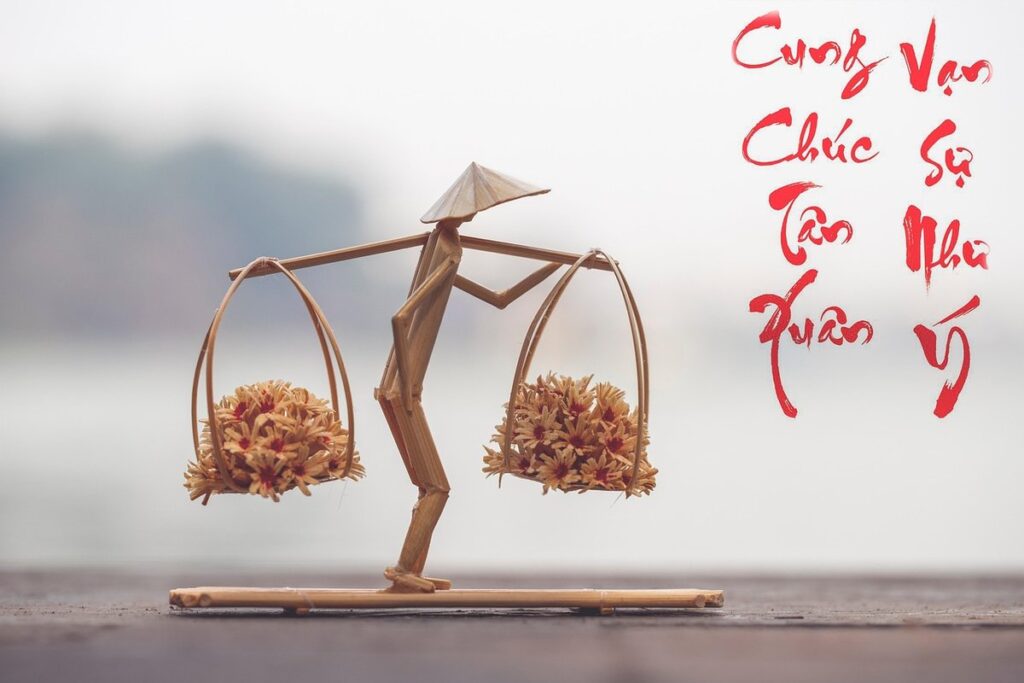
Mastering Vietnamese greetings can be intimidating, but understanding the basics of Xín chào (formal) and Xin chào (informal) will make a big difference in your interactions with locals.
Introduction to Vietnamese Culture and Etiquette
In Vietnamese culture, greetings play a vital role in building relationships and showing respect towards others. A genuine and proper greeting can make a significant difference in how locals perceive you, especially when interacting with older individuals or those in positions of authority. When visiting Vietnam, it’s essential to understand the cultural norms and etiquette surrounding greetings to avoid unintentionally offending someone. For instance, in Vietnam, it’s customary to use both hands when giving or receiving something, including business cards or gifts. This physical gesture is a sign of respect and can be particularly important when greeting someone. You should also be aware of the importance of using formal titles such as “Bác” or “Chị” when addressing older individuals, especially in formal settings. By being mindful of these cultural nuances, you can establish a positive rapport with the locals and make your interactions more meaningful.
Basic Vietnamese Phrases for Greetings
Start by learning the basic phrase “Xin chào,” which translates to “hello.” This is a versatile greeting that can be used in most situations, from formal to informal. Pronounce it as “sin chow,” with a slightly emphasized first syllable. You can also use “Chào” alone, which is a more casual way to say hello.
For more formal occasions, use “Xin chào, Bà/Bố” (hello, Mr./Mrs./Miss), which shows respect for the person you’re greeting. This phrase is often used in business or official settings. When addressing a person you don’t know well, use “Xin chào, anh/chị” (hello, brother/sister), which is a polite way to acknowledge someone without using their name.
Pronunciation guides can be helpful, but don’t worry if you struggle at first. Practice saying these phrases out loud to get a feel for the sounds and intonation. Remember to pay attention to the context and the person you’re greeting, as this will help you choose the most appropriate phrase. For example, using “Xin chào” with an older person or someone in a position of authority may be seen as too casual.
Cultural Differences in Greeting Styles
When interacting with Vietnamese people, you’ll notice distinct cultural differences in greeting styles compared to those in Western cultures. In Vietnam, a traditional greeting often involves a slight bow or a gentle hand gesture, which may feel unfamiliar to those from the West. For instance, in many Asian cultures, including Vietnamese, it’s customary to use both hands when giving or receiving something, including a greeting. This is in contrast to Western cultures, where a single hand is typically used.
In some regions of Vietnam, like the north, people may use a more formal greeting, such as “An ơi” (hello) or “Xin chào” (hello), while in the south, a more casual greeting like “Chào” (hello) or “Chào ba” (hello, older person) is more common. Understanding these regional variations can help you adapt to local customs and show respect for the culture.
When greeting Vietnamese people, it’s essential to be mindful of their body language and nonverbal cues. A gentle smile and a slight bow can go a long way in establishing a positive relationship. Remember, in Vietnamese culture, greetings are often a sign of respect and hospitality, so be prepared to receive a warm welcome in return.
Common Ways to Say Hello in Vietnamese
When traveling to Vietnam, it’s essential to know how to greet locals in their native language, and there are several common ways to say hello in Vietnamese that will get you off to a good start.
Formal and Informal Greetings
In Vietnamese culture, formal and informal greetings serve as a way to show respect to others based on their age, social status, or position of authority. Formal greetings typically involve the use of titles and honorifics, such as “ông” (mr./mister) or “bà” (ms./miss), followed by the person’s name. For example, you might say “Xin chào ông Thắng” (hello, Mr. Thắng) to show respect to an older man.
When addressing older individuals or those in positions of authority, you can use honorifics to add a layer of respect. For instance, using “bác” (grandfather) or “bác sĩ” (doctor) before the person’s name. However, it’s essential to note that the use of honorifics can vary depending on the region and context.
In informal settings, you can use more casual greetings like “Chào” (hello) or “Xin chào” (hello). You can also use the person’s name followed by a nickname, such as “Chào Thắng ơi” (hello Thắng). To determine whether to use formal or informal greetings, consider the relationship you have with the person and the context of the situation.
Regional Variations in Greetings
Vietnamese dialects vary significantly across different regions, and this is particularly true when it comes to greetings. In the north, you’ll often hear “Xin chào” (pronounced “sin chow”), which is a standard greeting used in formal and informal situations. However, in the central region, “Chào” (pronounced “chow”) is more commonly used, and it’s often accompanied by a slight bow. In the south, the pronunciation is more pronounced, and “Xin chào” is often used in conjunction with a warm smile.
In the Mekong Delta region, which is located in the southwestern part of the country, the greeting is often more casual and involves using the phrase “Chào anh” (pronounced “chow anh”), which is a colloquial way of saying “hello, brother.” In contrast, in the mountainous regions of northern Vietnam, the greeting is often more formal and involves using the phrase “Xin chào cháu” (pronounced “sin chow chow”), which is a polite way of saying “hello, young one.” Understanding these regional variations is essential for effective communication in Vietnamese.
Using Vietnamese Greetings in Different Situations
When meeting new people in Vietnam, use formal greetings such as “Xin chào” (hello) or “Chào tôi là [name]” (hello, my name is [name]). This shows respect and politeness, especially when meeting elders or those in positions of authority. However, when greeting friends, you can use more informal greetings like “Chào, anh/chị” (hello, brother/sister) or “Xin chào, em” (hello, younger sibling). When saying goodbye, use “Tạm biệt” (goodbye) or “Tạm biệt, anh/chị” (goodbye, brother/sister).
When interacting with strangers, such as shopkeepers or service staff, use formal greetings like “Xin chào” or “Chào tôi là [name]”. This helps establish a professional relationship and shows respect for their role. On the other hand, when greeting family members or close friends, use more casual greetings like “Chào, em” or “Chào, anh”.
When in a situation where you need to apologize or show sympathy, use a more formal tone and say “Xin lỗi” (excuse me) or “Tôi xin lỗi” (I’m sorry). For example, if you accidentally bump into someone, you can say “Xin lỗi, tôi không ý định làm vậy” (excuse me, I didn’t mean to do that).
Learning Vietnamese Greetings through Language Resources
To master the art of saying hello in Vietnamese, let’s explore the various language resources that can help you learn authentic greetings, from podcasts to online courses.
Online Resources for Learning Vietnamese Greetings
Language learning apps like Duolingo, Babbel, and Rosetta Stone offer comprehensive Vietnamese courses, often with dedicated sections on greetings and basic phrases. These apps typically provide interactive lessons, quizzes, and exercises to help you practice your pronunciation and comprehension. For example, Duolingo’s Vietnamese course includes a module on basic greetings, which covers phrases like “Xin chào” (hello) and “Tạm biệt” (goodbye).
Websites like VietnamesePod101 and VietnameseClass101 offer audio and video lessons on Vietnamese greetings, often with accompanying PDF materials and interactive exercises. These resources cater to learners of various proficiency levels and include explanations of cultural nuances and regional variations.
YouTube channels like Vietnamese with Binh and Learn Vietnamese with Nga provide engaging video lessons on Vietnamese greetings, often with subtitles and transcripts. These channels cover a range of topics, from basic phrases to cultural insights and idiomatic expressions. You can explore these resources to find the ones that best suit your learning style and needs.
Language Learning Books and Textbooks
If you’re looking for a comprehensive guide to learning Vietnamese greetings, several language learning books and textbooks can be a valuable resource. “Vietnamese: A Self-Teaching Guide” by Jack E. Reilly is a popular textbook that covers essential phrases, including greetings, in a clear and concise manner. Another useful resource is “Colloquial Vietnamese” by Michael J. Bode, which includes a variety of dialogues and phrases for everyday situations, including greetings. “Vietnamese for Dummies” by Phan Lê Hà also provides a thorough introduction to Vietnamese language and culture, including a section on greetings and introductions. These books can be a good starting point for beginners or a supplement for more advanced learners. When choosing a textbook, consider the level of formality and regional variation you want to focus on, as some books may be more geared towards formal or informal situations.
Language Exchange Programs and Tutors
Language exchange programs and working with tutors can be incredibly effective for improving your Vietnamese language skills, including mastering various greetings. You can find language exchange partners through websites and apps, such as Tandem, HelloTalk, and iTalki, which connect native speakers with learners. Some programs, like Conversation Exchange, allow you to search for language exchange partners in your area or online.
When choosing a language exchange partner or tutor, consider their level of proficiency, teaching style, and availability. You may want to start with a tutor who can provide structured lessons and correct your pronunciation, then progress to a language exchange partner for more informal practice. Make sure to set clear goals and expectations with your language exchange partner or tutor, such as practicing specific greetings or improving your listening skills.
Some language exchange programs, like language meetups and conversation clubs, offer opportunities to practice your Vietnamese greetings in a group setting. You can also look for tutors who specialize in teaching Vietnamese greetings and etiquette. By working with a language exchange partner or tutor, you can receive personalized feedback and guidance, helping you to improve your language skills and confidently use various greetings in different situations.
Mastering Vietnamese Greetings through Practice and Immersion
Mastering Vietnamese greetings requires more than just memorizing phrases – it’s about immersing yourself in the culture and practicing with locals. By doing so, you’ll be able to greet like a native in no time.
Practice Conversations and Role-Playing
Practicing conversations and role-playing is essential to improve your pronunciation and fluency in using Vietnamese greetings. When you practice speaking with a native speaker or a language exchange partner, you’ll get a better feel for the rhythm and intonation of Vietnamese phrases. This, in turn, will help you sound more natural and confident when greeting people in Vietnamese.
To practice conversations, start by using online language learning resources that offer interactive exercises or conversations with native speakers. You can also find language exchange partners on websites or apps, or even practice with a tutor. When engaging in conversations, pay attention to the pronunciation of individual words and phrases, and try to mimic the intonation and stress patterns of native speakers.
Role-playing is another effective way to practice using Vietnamese greetings in context. You can practice greeting a store clerk, a friend, or even a stranger on the street. Start with simple phrases like “Xin chào” (hello) and gradually move on to more complex greetings like “Xin chào, ông bà ơi” (hello, grandpa). Remember to focus on your pronunciation, intonation, and body language, as these are all important aspects of using Vietnamese greetings in social interactions.
Immersion in Vietnamese Culture and Language
Immersing yourself in Vietnamese culture and language is an effective way to improve your Vietnamese greeting skills. Language meetups are a great way to practice speaking with native speakers and learn new phrases in a casual setting. Look for meetups in your area or online, and don’t be afraid to introduce yourself and ask for language practice.
Watching Vietnamese media, such as TV shows and movies, can also help you get a feel for how the language is used in everyday life. Pay attention to how characters greet each other, and try to mimic their phrases. You can also find Vietnamese language learning YouTube channels and podcasts that offer a mix of language lessons and cultural insights.
Participating in language exchange events is another great way to immerse yourself in Vietnamese culture. These events typically pair you with a native speaker who will practice speaking with you in exchange for your language skills. This is a great opportunity to practice your Vietnamese greetings and get feedback from a native speaker.
Overcoming Common Challenges in Learning Vietnamese Greetings
One of the most significant challenges Vietnamese learners face is mastering the pronunciation of greetings. The language’s tonal system can be daunting, and the subtle variations in pitch can make it difficult to convey the intended meaning. For instance, the difference between “Xin chào” (hello) and “Xin chào ạ” (goodbye) lies not in the words themselves, but in the slight variation in tone.
To overcome this challenge, learners can start by practicing the correct tones using online resources or language learning apps. Some apps even offer interactive lessons and exercises that focus specifically on tonal pronunciation. Additionally, learners can try listening to native speakers and repeating phrases out loud to develop their ear for the language.
Another common challenge is understanding the nuances of Vietnamese greeting styles. For example, while “Xin chào” is a common greeting, using it with older individuals or in formal settings may be seen as impolite. Learners should take the time to research and understand the cultural context of Vietnamese greetings, including the importance of respect and hierarchy in social interactions.
Advanced Vietnamese Greetings and Expressions
Now that you’ve mastered basic greetings, let’s take it to the next level with advanced Vietnamese expressions that will make your interactions with locals even more impressive and authentic.
Using Vietnamese Greetings in Writing and Formal Settings
When writing in Vietnamese, using formal greetings in formal settings is crucial to convey respect and professionalism. In business emails or formal letters, for instance, you can start with a formal greeting such as “Kính gửi quý khách hàng” (Dear valued customer) or “Kính gửi quý anh/chị” (Dear Mr./Ms.). This shows you’ve taken the time to learn the language and are making an effort to communicate effectively.
In government offices or official events, you may use more formal titles such as “Quý anh/chị” (Mr./Ms.) or “Quý ông/bà” (Mr./Mrs.). When addressing someone of higher authority, use “Quý vị” (You, formal) or “Quý vị đồng sự” (You, colleague). Remember to use the formal suffix “-chi” when addressing a woman, such as “Quý chị” (Dear Ms.). This may seem daunting, but using the correct title and greeting will demonstrate your respect for the person and the occasion.
When writing formal documents, also be mindful of the language itself. Avoid using overly casual or colloquial expressions, and opt for more formal vocabulary to convey a sense of professionalism.
Idiomatic Expressions and Colloquialisms
Idiomatic expressions and colloquialisms are an essential part of Vietnamese language and culture. They convey nuanced meanings and emotions that can’t be translated literally. For example, the phrase “Chúc bạn khỏe” (good health to you) is a common idiomatic expression used when parting ways, but it’s not just a simple greeting. It’s a way of wishing someone good health, which is a vital aspect of Vietnamese culture.
Another example is the phrase “Mưa mưa rào” (raining heavily), which is often used to describe a busy or chaotic situation. When someone says “Mưa mưa rào ở đây”, they’re not literally talking about the weather; they’re describing the traffic or the noise level in a particular area.
In everyday conversations, idiomatic expressions like these help to create a sense of camaraderie and shared understanding with native speakers. To use them effectively, learners should focus on understanding the context and connotations behind each phrase. For instance, “Ăn gì?” (what are you eating?) can be a friendly question, but it can also be a way of asking someone if they’re hungry or if they’d like to share food.
When interacting with native speakers, it’s essential to be aware of these idiomatic expressions and use them appropriately to avoid misunderstandings.
Advanced Vocabulary and Phrases for Greetings
In Vietnamese, formal greetings are used to show respect, especially when interacting with older individuals, people in positions of authority, or in formal settings. One such expression is “Chào bác”, which translates to “Hello, sir” or “Hello, ma’am”. This phrase is often used with older individuals or those in positions of authority. To acknowledge someone’s higher social status, you can use “Bác” (sir) or “Bà” (ma’am) after their name.
Informal greetings are used with friends, family, or in casual settings. “Xin chào” is a common informal greeting that roughly translates to “Hello”. You can also use “Chào” alone, but “Xin chào” is more polite and friendly. When greeting someone informally, you can also use their name, followed by “Xin chào”, such as “Xin chào Anh” (Hello, brother) or “Xin chào Chị” (Hello, sister).
When writing formal emails or letters, use “Chào” or “Chào bác” followed by the person’s title and name. For example, “Chào Thưa Bác Nguyễn Văn A”.
Frequently Asked Questions
Can I use Vietnamese greetings with people of all ages and social status?
Yes. Vietnamese culture emphasizes respect and politeness, and using formal greetings is a sign of respect for elders and those in positions of authority. However, in informal settings, such as with friends or younger people, you can use more casual greetings.
How do I know when to use formal or informal greetings in different regions of Vietnam?
While formal and informal greetings are widely used throughout Vietnam, some regions have their own nuances. In the north, for example, you may encounter more formal greetings, while in the south, you may use more informal language. Pay attention to local customs and adapt your greetings accordingly.
What if I make a mistake with Vietnamese greetings? Will it offend the locals?
No. While making mistakes is inevitable, especially for beginners, the Vietnamese culture values politeness and respect. If you accidentally use an incorrect greeting or phrase, simply apologize and try again. The locals will appreciate your effort to learn and communicate in their language.
Can I use Vietnamese greetings in writing, such as in emails or formal letters?
Yes. While the tone and language used in written communication may differ from spoken language, Vietnamese greetings can be used in formal writing to show respect and politeness. Use formal greetings and phrases in emails or letters to address business partners, colleagues, or government officials.
What if I’m having trouble mastering the nuances of Vietnamese greetings? Are there any resources or tips to help me improve?
Yes. There are many online resources and language learning apps that offer lessons and tutorials on Vietnamese greetings and other essential phrases. Practice conversations with a language exchange partner or tutor, and immerse yourself in Vietnamese culture and language by attending language meetups or watching Vietnamese media.

