
Cultural diversity is often overlooked as a crucial factor in shaping society, but its impact on economic growth, social cohesion, and individual well-being cannot be overstated. A homogeneous culture can lead to stagnation and insularity, while a diverse one fosters creativity, adaptability, and resilience. In a world where people are increasingly interconnected, embracing cultural diversity is no longer a nicety, but a necessity. By promoting cross-cultural understanding and education, we can unlock the benefits of cultural diversity and reap its rewards in various areas, from business to community development. This article will explore the importance of cultural diversity and provide practical strategies for promoting it in our daily lives, enabling you to understand how to harness its power and create a more inclusive society where everyone has the opportunity to thrive.
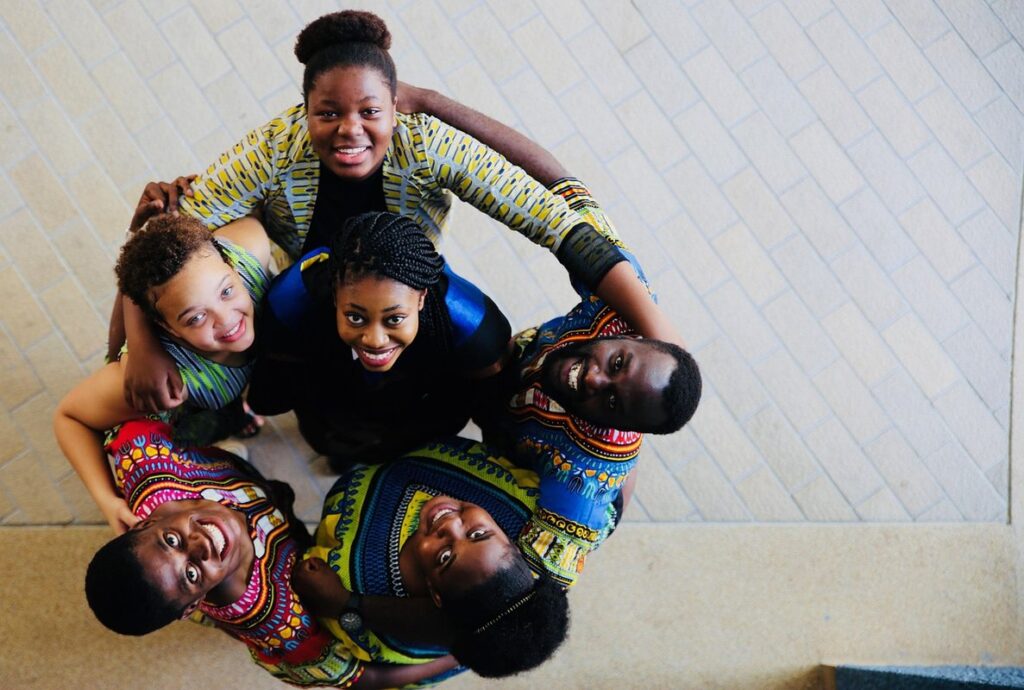
Embracing Diversity: Understanding Its Significance
Cultural diversity is a rich tapestry that adds depth and complexity to our societies, but it’s not just about differences – it’s also about the benefits they bring. Let’s explore why embracing this diversity matters for individuals and communities alike.
Definition and Types of Cultural Diversity
Cultural diversity refers to the coexistence and appreciation of different cultures within a society. It encompasses various aspects, including linguistic, ethnic, racial, and religious differences. These differences can manifest in various ways, such as through language, customs, traditions, and values.
There are several types of cultural diversity, each with its unique characteristics. Linguistic diversity refers to the presence of multiple languages spoken within a community. For instance, a city may have residents who speak English, Spanish, Chinese, or other languages. Ethnic diversity involves the coexistence of different ethnic groups, such as African American, Hispanic, Asian American, and White populations.
Racial diversity pertains to the variety of racial backgrounds present in a society. This can include people from different continents, including Africa, Asia, Europe, and the Americas. Religious diversity is another aspect of cultural diversity, encompassing various faiths like Christianity, Islam, Judaism, Buddhism, and Hinduism. Understanding these types of cultural diversity helps individuals appreciate the rich tapestry of cultures that coexist in a globalized world.
Historical and Global Context
Cultural diversity has been a defining feature of human societies throughout history. The ancient civilizations of Mesopotamia, Egypt, and Greece were characterized by their diverse populations, with people from various ethnicities and backgrounds contributing to the development of these cultures. However, it was not until the modern era that cultural diversity began to be recognized as an essential component of a healthy society.
Key milestones in this recognition include the 1965 Immigration Act in the United States, which led to a significant increase in immigration from non-European countries, and the United Nations’ 1995 World Conference on Women, which highlighted the importance of women’s rights and participation in diverse societies. Global events such as colonialism, imperialism, and globalization have also shaped our understanding of cultural diversity.
Today, cultural diversity is celebrated in many parts of the world through festivals, parades, and other public events. Cities like New York, London, and Sydney are melting pots of cultures, with people from different backgrounds living, working, and interacting together. While there is still much work to be done to promote inclusivity and address issues of racism and xenophobia, our current understanding of cultural diversity’s importance has been shaped by these historical and global events.
Benefits of Cultural Diversity in Society
Cultural diversity brings numerous benefits, including fostering creativity and innovation through exposure to different perspectives and ideas. This unique blend of cultures enriches society as a whole.
Economic Advantages
A culturally diverse society fosters a dynamic environment where different perspectives and ideas are encouraged to flourish. This diversity leads to increased innovation as individuals bring unique problem-solving approaches and creative thinking styles to the table. As a result, businesses in diverse communities tend to be more agile and adaptable, enabling them to respond better to changing market conditions.
In terms of competitiveness, companies operating in culturally diverse regions often have an edge over their counterparts in homogeneous areas. This is because they can tap into a broader talent pool, leveraging skills and expertise from various cultural backgrounds. For instance, a study on Silicon Valley’s diversity noted that tech startups with diverse teams were more likely to succeed.
A culturally diverse society also contributes to GDP growth by attracting foreign investment, tourism, and international trade. When people from different cultures interact and collaborate, they create new economic opportunities, such as importing unique products or services, exporting cultural goods, or establishing joint ventures. For example, a city with a vibrant cultural scene can become an attractive destination for tourists and entrepreneurs alike, generating revenue and stimulating local economies.
Social and Educational Benefits
Cultural diversity promotes social cohesion by breaking down stereotypes and fostering understanding among people from different backgrounds. This leads to a more inclusive and tolerant society where individuals feel valued and respected for their unique perspectives. For instance, when students from diverse cultural backgrounds attend the same school, they learn to appreciate each other’s customs and traditions, which helps to dispel misconceptions and prejudices.
In educational settings, diversity enhances outcomes by providing students with exposure to different teaching styles, languages, and approaches to problem-solving. Studies have shown that students who are taught in a culturally diverse environment tend to perform better academically, as they are encouraged to think critically and approach problems from multiple angles. To foster this kind of learning environment, educators can incorporate multicultural curricula, invite guest speakers from diverse backgrounds, and encourage student-led discussions on cultural topics.
Moreover, when students are immersed in a culture that values diversity, they develop essential life skills such as empathy, adaptability, and effective communication. These skills not only benefit them academically but also prepare them for success in their future careers.
Challenges Faced by Culturally Diverse Societies
Culturally diverse societies often face unique challenges that can impact social cohesion and economic growth, including language barriers and differing values. These obstacles require thoughtful consideration to mitigate their effects.
Stereotypes, Prejudice, and Discrimination
Stereotypes, prejudice, and discrimination can have severe consequences for individuals and society as a whole. When we stereotype others based on their cultural background, it creates an “us versus them” mentality, leading to feelings of exclusion and isolation. Prejudice and discrimination can further exacerbate these issues, resulting in the marginalization of certain groups.
For instance, research has shown that minority students who experience prejudice and bias in school are more likely to suffer from anxiety and depression. This can also affect their academic performance and social relationships with peers. Moreover, when individuals face repeated instances of discrimination, they may develop a sense of powerlessness, making it challenging for them to assert themselves or express their cultural identity.
In addition to the individual impact, stereotypes, prejudice, and discrimination can also erode social cohesion within communities. When we allow these attitudes to persist, it creates an environment where individuals feel unwelcome or unvalued, leading to increased tensions and conflicts. To mitigate these effects, it’s essential for individuals, communities, and institutions to recognize and challenge these negative attitudes, fostering a culture of inclusivity and respect for diversity.
Language Barriers and Communication Challenges
Effective communication is a fundamental building block for harmonious coexistence among diverse groups. However, language barriers can significantly hinder this process. One of the most common challenges arises from linguistic diversity within a single community. For instance, a neighborhood with residents speaking multiple languages may struggle to communicate effectively during emergencies or in everyday situations.
Language barriers often manifest as misunderstandings, miscommunications, and sometimes even conflicts. A small minority of English language learners might rely on interpreters for basic services, while most others self-identify as proficient but may still face difficulties in comprehension. Typically, a few weeks after arrival, immigrants begin to grasp the basics of their new environment’s culture and language. However, it can take several months or even years to feel comfortable navigating everyday conversations.
To overcome these barriers, communities can establish multilingual support systems, including language classes and translation services. This proactive approach enables residents from diverse linguistic backgrounds to engage more freely in public life, contributing to a more inclusive environment.
Strategies for Promoting Cultural Diversity
One of the most effective ways to promote cultural diversity is by creating inclusive environments where people from different backgrounds feel valued and respected. We’ll explore practical strategies for fostering this kind of inclusivity in our daily lives and communities.
Policy and Institutional Initiatives
Government policies play a crucial role in promoting cultural diversity and inclusion. A good starting point is to review existing laws and regulations that protect minority rights and prevent discrimination. For instance, Title VI of the Civil Rights Act in the United States prohibits discrimination on the basis of national origin in federally funded programs. Similarly, the Canadian Multiculturalism Act aims to promote multiculturalism and cultural diversity.
Educational programs also contribute significantly to fostering a culture of inclusivity. Many schools now offer diversity and inclusion training for students and staff, which helps break down stereotypes and promotes cross-cultural understanding. For example, some institutions have implemented language support services to help non-native speakers integrate into the academic community. Additionally, universities often establish cultural centers and clubs that provide a platform for students from diverse backgrounds to share their experiences and traditions.
Institutions can also take proactive steps to promote diversity and inclusion. This includes establishing diversity and inclusion committees, setting diversity-related goals and targets, and conducting regular diversity assessments. By implementing these initiatives, institutions can create an environment where individuals from all walks of life feel valued and respected.
Community Engagement and Activism
Community organizations, advocacy groups, and individual activists play a crucial role in promoting cultural diversity by challenging discriminatory practices and creating inclusive environments. These groups often work together with local governments to implement policies that protect minority rights and promote equal opportunities.
For instance, the “Know Your Rights” campaign initiated by immigrant advocacy groups helped raise awareness about the importance of language access services for non-English speakers. This led to increased funding for language translation programs in public institutions.
Individual activists can also contribute by organizing community events, such as cultural festivals and workshops that celebrate diversity. These events provide a platform for people from different backgrounds to share their experiences and traditions.
In addition to promoting cultural awareness, advocacy groups can also address systemic issues like police brutality and racial profiling. For example, the Black Lives Matter movement has brought attention to the disproportionate impact of these practices on marginalized communities.
By engaging with local authorities and community members, activists can drive meaningful change and create a more inclusive society. This requires building relationships with key stakeholders, conducting advocacy campaigns, and mobilizing public support for policy reforms.
The Role of Education in Fostering Cultural Diversity
Education plays a vital role in breaking down cultural barriers and fostering diversity, allowing students to appreciate and respect different backgrounds and traditions. By doing so, it helps shape a more inclusive society.
Curriculum Design and Implementation
Education systems can play a crucial role in promoting cultural diversity by designing inclusive curricula and fostering an environment where diverse perspectives are valued. A culturally responsive curriculum should reflect the diversity of students’ backgrounds, experiences, and cultures. This involves incorporating diverse texts, images, and histories that showcase the contributions and struggles of different ethnic groups.
Teacher training is also essential to ensure educators can effectively teach diverse students and promote cross-cultural understanding. Training programs should focus on building teachers’ cultural competence, including knowledge of different cultures, languages, and traditions. Educators must be able to recognize and address biases in their teaching practices and create a safe space for open discussions about cultural differences.
Effective implementation of a culturally responsive curriculum requires careful resource allocation. Schools should invest in materials that reflect diverse perspectives, such as multicultural literature, art, and music. Additionally, educators should have access to training programs and professional development opportunities that support their efforts to promote cultural diversity in the classroom.
Inclusive Teaching Practices and Student Support
Effective inclusive teaching practices and student support are crucial for creating a culturally diverse learning environment. This involves recognizing and valuing students’ differences, including their languages, cultures, and backgrounds. Teachers can do this by incorporating diverse perspectives into the curriculum, using culturally responsive teaching methods, and establishing positive relationships with students.
For example, teachers can use texts that reflect students’ experiences, such as literature written in their native language or about issues relevant to their community. They can also incorporate visual aids like images, videos, or podcasts from different cultures. Additionally, teachers should be aware of cultural nuances and avoid making assumptions about students based on stereotypes.
In terms of student support, schools can establish programs that promote diversity and inclusion, such as peer mentoring, cultural clubs, or language exchange initiatives. Teachers can also provide additional resources for students who may need extra help with language barriers or academic challenges. By taking these steps, educators can create a safe and inclusive space where all students feel valued and supported. This helps to foster a love of learning and promotes academic success.
Conclusion: Embracing a Multicultural World
As we conclude our exploration of cultural diversity, let’s reflect on how embracing a multicultural world can enrich our lives and communities in profound ways. By doing so, we open ourselves up to new perspectives and experiences that foster growth and understanding.
Recapitulating the Importance of Cultural Diversity
Cultural diversity is not just a societal nicety; it’s a vital component for a world where interconnectivity and mutual understanding are increasingly necessary. The article has highlighted the numerous benefits of embracing cultural diversity, from its economic advantages to its social and educational benefits. Culturally diverse societies experience increased innovation, creativity, and problem-solving skills, as people bring unique perspectives and approaches to the table.
This diversity also fosters a more inclusive environment, where individuals feel valued and respected for their backgrounds and traditions. The article has discussed strategies for promoting cultural diversity, including policy and institutional initiatives, community engagement, and activism. Education plays a crucial role in fostering cultural diversity, with curriculum design and implementation that reflects diverse perspectives and experiences.
By embracing cultural diversity, we can create a more harmonious and equitable world. As the global community becomes increasingly interconnected, it’s essential to recognize the significance of preserving and promoting our differences. This involves recognizing stereotypes and prejudices, addressing language barriers, and actively engaging with diverse cultures. By doing so, we can build bridges between communities and foster a culture of mutual respect and understanding.
Call to Action: Encouraging Active Engagement with Cultural Diversity
As we conclude our exploration of the importance of cultural diversity, it’s essential to consider how individuals can actively engage with and celebrate multiculturalism. This requires a shift from passive acceptance to active participation. One way to do this is by attending cultural events and festivals that showcase diverse traditions and customs. For example, participating in international food fairs, attending concerts featuring traditional music, or joining cultural dance classes can help break down stereotypes and foster empathy.
It’s also crucial for individuals to engage with people from different backgrounds through everyday interactions. This can be as simple as asking a colleague about their cultural practices or traditions, or inviting a neighbor over for a meal that reflects your shared cultural heritage. By doing so, we can build bridges of understanding and create a more inclusive environment.
To encourage active engagement, schools and communities should also provide opportunities for cultural exchange programs, language classes, and volunteer work that promotes cross-cultural interactions. These initiatives not only enrich our lives but also help to promote social cohesion and challenge prevailing biases. By embracing diversity in all its forms, we can build a world where everyone feels valued and respected.
Frequently Asked Questions
Can I promote cultural diversity in my small community without official policies or programs?
Yes, individual efforts can make a significant difference, such as organizing community events, promoting local businesses from diverse backgrounds, and engaging with residents to build inclusive relationships.
How do I balance the need for diversity awareness with potential concerns about “cultural appropriation” in education?
Approach cultural exchange with sensitivity by respecting the original context of practices or traditions, being transparent about intentions, and encouraging open dialogue among students and educators.
Can a school prioritize teaching English as a second language over native languages to ensure student success?
No, promoting linguistic diversity is crucial for student development and should be supported through bilingual education programs, language support services, and inclusive curriculum design that values all languages.
How can I address language barriers in the workplace or community without alienating non-native speakers?
Foster an environment of inclusivity by providing language training opportunities, using visual aids, and encouraging employees or residents to share their expertise on cultural nuances and communication strategies.
Can promoting cultural diversity be seen as a threat to national identity or traditional values?
No, embracing cultural diversity enriches society by preserving heritage while allowing new perspectives to emerge, ultimately strengthening the fabric of communities rather than compromising it.

