Effective communication between people from different generations is crucial in today’s globalized world. As families, communities, and workplaces become increasingly diverse, the ability to connect with others across age and cultural boundaries is essential for building meaningful relationships and promoting cross-cultural understanding. However, navigating these interactions can be challenging, especially when language barriers and technological differences come into play. For instance, a grandparent may struggle to understand their young adult child’s reliance on social media or messaging apps, while the younger generation may find it difficult to appreciate the older person’s more traditional communication methods. In this article, you’ll learn effective strategies for bridging these gaps and fostering positive intergenerational relationships across cultures, including building trust, navigating technology, and overcoming language barriers to promote cross-cultural understanding and create a stronger sense of community.
Understanding the Challenges
Effective intergenerational communication across cultures requires navigating diverse perspectives and addressing unique challenges that arise from cultural differences. We’ll examine some of these obstacles together, starting with the biggest hurdles you’re likely to face.
Defining Intergenerational Communication
Intergenerational communication refers to the exchange of ideas, values, and experiences between individuals from different generations. This concept is crucial in today’s globalized world, where people from diverse cultural backgrounds interact with one another more frequently than ever before. Effective intergenerational communication involves not only verbal language but also non-verbal cues, such as body language and tone of voice.
Language barriers can significantly hinder intergenerational communication. For instance, a recent study found that most older adults prefer face-to-face interactions over phone calls or video conferencing due to difficulties with technology. Cultural differences also play a significant role in shaping communication styles. In some cultures, direct eye contact is considered aggressive, while in others it’s seen as respectful.
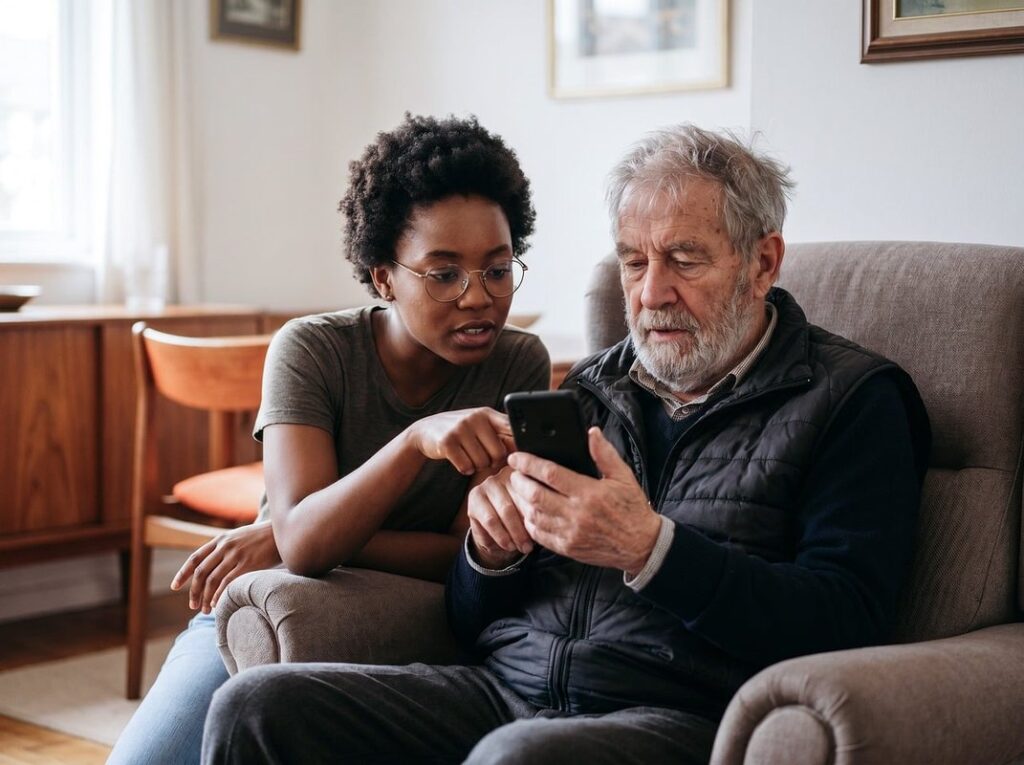
Technological disparities can further exacerbate these challenges. For example, younger generations are more likely to use social media to communicate, whereas older adults may be less familiar with online platforms. To overcome these obstacles, it’s essential to acknowledge and respect individual differences in communication styles, languages, and technological proficiency. By doing so, we can create a foundation for effective intergenerational communication that fosters mutual understanding and respect.
The Impact of Cultural Differences on Communication
Cultural differences significantly impact communication styles, values, and norms. For instance, in some cultures, directness is valued, while in others, indirectness is preferred. This can lead to misunderstandings when individuals from different cultural backgrounds interact with each other. In a face-to-face conversation, nonverbal cues like body language and tone of voice can be misinterpreted due to these differences.
In some Asian cultures, saving face is crucial, and direct criticism may be avoided at all costs. Conversely, in Western cultures, constructive feedback is often encouraged. When these cultural norms collide, communication breakdowns can occur. For example, a manager from an Asian background might hesitate to provide direct feedback to an employee from a Western background, leading to confusion about expectations.
To overcome these challenges, it’s essential to be aware of the cultural differences that may influence communication. Educate yourself about the cultural background and values of your counterpart. Be open-minded and willing to adapt your communication style as needed. For example, if you’re interacting with someone from a culture where directness is not valued, use more indirect language or ask questions to clarify expectations. By being sensitive to these differences, you can build stronger relationships and improve intergenerational communication across cultures.
Building Trust and Understanding
As you strive to bridge cultural divides, building trust and understanding between generations is crucial for effective communication. This requires a willingness to listen actively and approach conversations with empathy and an open mind.
Establishing Common Ground
To establish common ground between people from different generations and cultures, it’s essential to look beyond surface-level differences. Start by exploring shared interests and experiences that transcend age and cultural boundaries. For instance, you might discuss favorite books, movies, or music that have been popular across multiple generations. This can help create a sense of mutual understanding and appreciation.
You can also ask open-ended questions that encourage storytelling and foster empathy. For example, “What’s the most significant challenge you’ve faced in your life?” or “What’s one thing you’re proud of accomplishing?” These types of questions can help individuals connect on a deeper level and find common ground in their experiences.
Universal values like respect, compassion, and kindness are also essential foundations for effective communication. When you acknowledge and share these values, it can create a sense of unity and shared purpose. By focusing on what unites us rather than what divides us, we can build stronger relationships across generations and cultures.
Active Listening and Empathy in Intergenerational Communication
Active listening and empathy are essential components of effective intergenerational communication across cultures. When individuals from different age groups and cultural backgrounds interact, they often bring unique experiences, values, and perspectives to the table. To facilitate understanding, it’s crucial to tune in to these differences and respond with sensitivity.
Pay attention to nonverbal cues such as body language, facial expressions, and tone of voice. These can convey just as much meaning as spoken words. For instance, a younger person may feel uncomfortable discussing certain topics with an older adult due to generational differences or cultural norms. By being attuned to these subtle signals, you can adjust your communication approach to build trust and rapport.
Empathy is also critical in bridging the gap between generations and cultures. Put yourself in others’ shoes by asking open-ended questions that encourage sharing of experiences and perspectives. This helps to create a safe space for dialogue and fosters deeper understanding. By actively listening, being aware of nonverbal cues, and practicing empathy, you can navigate intergenerational communication with greater ease and effectiveness.
Navigating Technology-Driven Communication
As you communicate across cultures, technology can be both a powerful tool and a significant barrier. Here’s how to harness its benefits while avoiding potential pitfalls in digital communication.
The Role of Digital Tools in Intergenerational Communication
Digital tools can play a significant role in facilitating intergenerational communication across cultures. Video conferencing platforms like Zoom and Google Meet enable remote family gatherings and meetings, bridging geographical distances. However, they also require reliable internet access and technical know-how, which may be a barrier for some older adults.
Social media can connect people across generations, but its effectiveness depends on individual comfort levels with technology. Some older adults may feel overwhelmed by the sheer volume of information or struggle to navigate online interfaces. Messaging apps like WhatsApp and Signal can facilitate direct communication, but their use requires agreement among family members on a single platform.
When choosing digital tools for intergenerational communication, consider the needs and preferences of all involved parties. For example, older adults may prefer phone calls over video conferencing due to concerns about appearance or technical issues. Similarly, younger generations may be more comfortable using messaging apps but struggle with phone etiquette. By acknowledging these differences and selecting tools that cater to diverse needs, families can harness digital technologies to enhance intergenerational communication.
Overcoming Language Barriers through Technology
AI-powered translation tools have revolutionized digital communication across languages. For example, Google Translate’s “Conversation Mode” allows users to engage in real-time conversations with speakers of other languages. This feature uses machine learning algorithms to detect the speaker’s language and provide instant translations.
Speech-to-text software has also become increasingly popular for overcoming language barriers. Tools like Otter.ai and Trint use AI to transcribe conversations, interviews, or meetings into written text, saving time and effort in subsequent translation processes. These technologies have been particularly useful in facilitating communication between multilingual family members, language learners, and international business partners.
Assistive technologies like keyboard shortcuts for language switching and customizable font sizes can also enhance the user experience. For instance, some video conferencing platforms offer built-in language detection and automatic translation of audio streams. When using these tools, it’s essential to choose platforms that prioritize accuracy and context-specificity in their translations. A simple tip is to use a translation tool with a built-in review feature, allowing users to verify the accuracy of each translation before sharing or acting upon it.
Managing Power Dynamics and Stereotypes
When communicating across cultures, navigating power dynamics and overcoming stereotypes can be a significant challenge. Understanding these complexities is essential for effective intergenerational relationships.
Recognizing and Challenging Intergenerational Stereotypes
Intergenerational stereotypes can be deeply ingrained and often perpetuate ageism. For example, younger generations may view older adults as out of touch with modern technology, while older generations might see younger people as entitled or lazy. These biases can affect communication by creating unrealistic expectations and leading to misunderstandings.
Recognizing these stereotypes is essential for effective intergenerational communication. When interacting with someone from a different generation, take note of any assumptions you may be making about their abilities, values, or interests. Ask yourself if these assumptions are based on facts or stereotypes.
To challenge intergenerational stereotypes, focus on building genuine relationships rather than reinforcing preconceived notions. Engage in active listening and ask open-ended questions to foster a deeper understanding of the other person’s perspective. Be aware of your own cultural biases and how they might influence your interactions with individuals from different generations.
When faced with age-related stereotypes, redirect the conversation towards shared goals or common interests. This can help shift the focus away from perceived differences and towards building mutual respect and understanding. By being mindful of intergenerational stereotypes and actively working to overcome them, you can create a more inclusive and respectful environment for effective communication.
Strategies for Building Respectful Relationships
Building respectful relationships across generations and cultures requires a willingness to adapt and learn from each other. One strategy is to prioritize active listening and ask open-ended questions that encourage sharing of personal experiences and perspectives. This helps to break down stereotypes and fosters empathy.
When engaging with someone from a different cultural background, try to find common ground by asking about their family traditions or cultural practices. For example, you might ask an elderly person in your community about the traditional foods they grew up with and how those dishes are still celebrated today. This can lead to conversations that transcend age and cultural differences.
Another approach is to acknowledge and respect individuals’ boundaries and preferences for communication. Some people may prefer written communication or need more time to process their thoughts, while others may be more comfortable sharing in person. By accommodating these differences and being mindful of power dynamics, you can create a safe space for respectful exchange and learning. Be aware of your own biases and try to approach interactions with an open mind.
Best Practices for Effective Intergenerational Communication
When communicating across cultures, understanding generational differences is crucial for building strong relationships and avoiding misunderstandings. To achieve effective intergenerational communication, consider these essential best practices that foster mutual respect and trust.
Creating Inclusive Spaces for Intergenerational Dialogue
To create inclusive spaces for intergenerational dialogue, it’s essential to establish a culture of mutual respect and understanding. This can be achieved by ensuring equal opportunities for participation and using accessible language. For instance, avoiding jargon and technical terms that may be unfamiliar to older generations can help level the playing field.
When setting up physical or virtual meeting spaces, consider factors such as lighting, seating, and acoustics. Ensure that there are no visual or auditory barriers that might hinder effective communication. For example, using microphones can amplify voices and make it easier for everyone to hear each other.
In terms of process, encourage active listening by setting clear expectations for respectful dialogue. This may involve establishing ground rules for interrupting or speaking over others. Consider using facilitators or mediators who are experienced in intergenerational communication to help navigate complex discussions. A good starting point is to create a shared agenda that reflects the diverse needs and interests of all participants.
Key elements to consider when setting up your inclusive space include:
• Clear and accessible language
• Equitable opportunities for participation
• Accessible technology (e.g., audio equipment, video conferencing tools)
• Physical comfort and minimal distractions
Encouraging Intergenerational Collaboration and Knowledge-Sharing
Fostering collaboration between people of different ages and backgrounds is essential for effective intergenerational communication. One way to achieve this is through project-based initiatives that bring together individuals from various age groups and cultural backgrounds. For instance, a community-led urban renewal project can pair younger volunteers with older residents who have valuable knowledge about the area’s history and development.
Mentorship programs are another effective way to encourage intergenerational collaboration. Pairing experienced professionals with younger mentees can provide a platform for knowledge-sharing and skill-building. This approach not only benefits the individual but also promotes cross-cultural understanding and respect. Community events, such as intergenerational workshops or festivals, can also foster collaboration by bringing people together and encouraging participation.
When designing these initiatives, it’s essential to consider the needs and preferences of all participants. For example, language barriers may need to be addressed through translation services or bilingual staff. By taking a culturally sensitive approach and involving diverse stakeholders in the planning process, you can create inclusive spaces that promote intergenerational collaboration and knowledge-sharing.
Case Studies and Real-World Applications
Real-world examples of successful intergenerational communication across cultures will provide valuable insights into what works and what doesn’t, making it easier to apply these principles in your own life. We’ll examine a range of scenarios that showcase effective cross-cultural communication between generations.
Successful Intergenerational Initiatives Around the World
In Japan, the “Otona no Mirai” initiative brings together seniors and young people to share life experiences and skills. This intergenerational program has helped bridge the gap between generations through storytelling and mentoring. In South Africa, the “Umoja” project pairs elderly women with younger girls as mentors, fostering a sense of community and shared knowledge.
In India, the “Silver Inning” organization connects seniors with young volunteers to provide companionship and skills training. This model has been replicated in other countries, demonstrating the potential for intergenerational collaboration. The success of these initiatives lies in their focus on mutual learning and respect.
Key factors contributing to their effectiveness include:
- A willingness to listen and learn from each other
- Flexibility in communication styles to accommodate age-related differences
- Recognition of the value that both younger and older generations bring
- A culture of respect, trust, and open-mindedness
These initiatives serve as models for effective intergenerational communication, highlighting the importance of active listening, empathy, and a willingness to learn from one another. By studying these examples, organizations and communities can develop strategies to promote successful intergenerational collaboration and knowledge-sharing.
Lessons Learned and Future Directions
From the case studies presented throughout this article, several key lessons emerge. One of the most significant takeaways is the importance of tailoring communication approaches to specific cultural contexts. For instance, a program aimed at bridging the gap between elderly and younger individuals in Japan emphasized the value of respect for tradition and hierarchy, whereas a similar initiative in Brazil prioritized creative and expressive forms of communication.
Another crucial insight is that effective intergenerational communication often requires intentional effort to challenge stereotypes and power imbalances. This can involve creating safe spaces for open dialogue and encouraging active listening across age groups. For example, an initiative in Australia brought together younger and older individuals from diverse backgrounds to share their experiences and perspectives on social issues.
As we move forward, future research and development in intergenerational communication should prioritize the following areas: developing culturally sensitive approaches to communication; fostering inclusive spaces for dialogue; and promoting intentional efforts to challenge stereotypes and power imbalances. By doing so, we can create more effective and respectful intergenerational relationships across cultures.
Frequently Asked Questions
Can I apply these strategies to communicate with people from different cultures in a work setting?
Yes, the principles outlined in this article can be applied to various contexts, including professional settings. However, it’s essential to consider the specific needs and constraints of your workplace when implementing intergenerational communication strategies.
How do I balance the needs of older employees who may not be familiar with digital tools with those of younger colleagues who are more tech-savvy?
When introducing new technology or digital tools in a multigenerational work environment, it’s crucial to provide training and support for all employees. This can include workshops, online tutorials, or one-on-one sessions to help older staff members feel comfortable using the tools.
What if I encounter resistance from some colleagues who are hesitant to adopt these new communication methods?
Resistance is a common challenge when introducing new approaches to intergenerational communication. To address this, consider involving resistant employees in the decision-making process and providing ongoing support and training. Additionally, emphasize the benefits of effective intergenerational communication, such as improved collaboration and knowledge-sharing.
Can I use AI-powered translation tools to facilitate communication with people who speak different languages?
Yes, AI-powered translation tools can be a valuable resource for overcoming language barriers in digital communication. However, it’s essential to ensure that these tools are used responsibly and in conjunction with other strategies, such as cultural sensitivity training and human interpretation when necessary.
How do I measure the success of my intergenerational communication initiatives?
To evaluate the effectiveness of your intergenerational communication efforts, consider tracking metrics such as employee satisfaction surveys, collaboration rates, or project outcomes. Additionally, gather feedback from participants to identify areas for improvement and adjust your strategies accordingly.