
When it comes to the Spanish language, the term “language” can be quite nuanced. On one hand, Spanish is a single language with a set of standardized rules and vocabulary. On the other, it encompasses a vast array of dialects, regional variations, and even distinct language families like Andean and Chibcha. Moreover, Spanish itself is a member of the Romance language family, with its own set of grammatical and phonetic characteristics. For learners and teachers, understanding these complexities is essential to effectively communicating and connecting with Spanish speakers. This article will delve into the intricacies of languages in Spanish, exploring the relationships between dialects, language families, and the language as a whole. By the end of this article, you’ll be able to identify the key characteristics of different Spanish language varieties and locate the best resources for learning and teaching this versatile language.
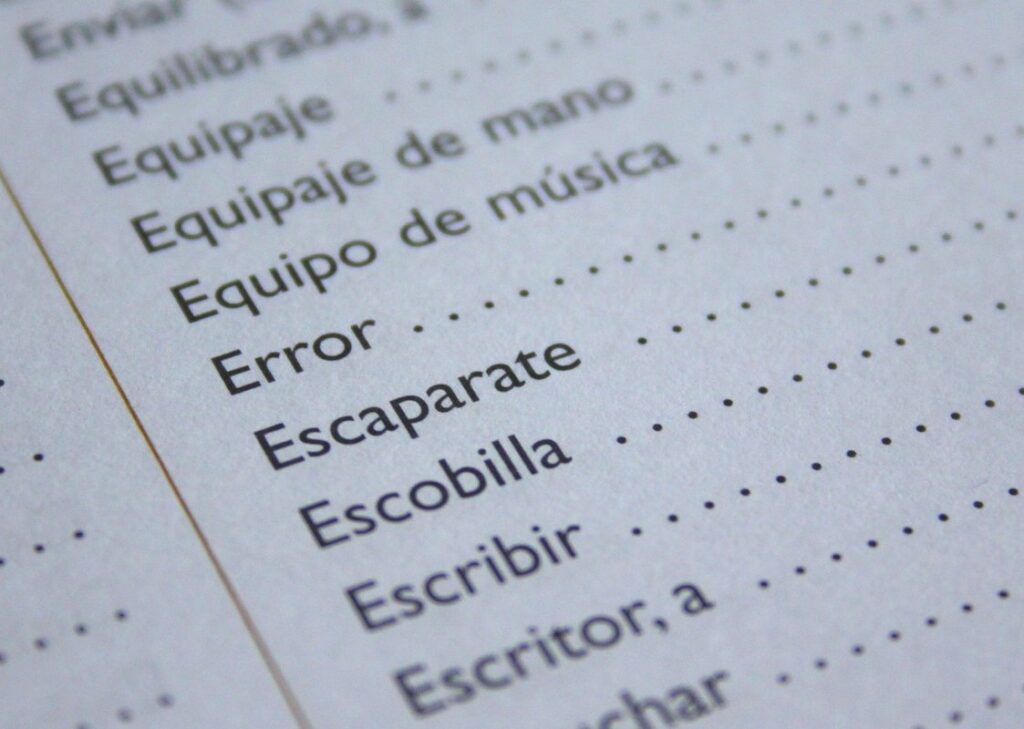
Types of Spanish Languages
Spanish is a diverse language with numerous variations, each with its own unique characteristics, spoken across the globe, and this section will explore some of the main types.
Spanish Dialects vs. Languages
Spanish dialects and languages are often used interchangeably, but they refer to distinct concepts. A dialect is a regional variation of a language, often with its own distinct accent, vocabulary, and grammar. On the other hand, a language is a unique linguistic system with its own grammar, syntax, and vocabulary.
In the Spanish-speaking world, there are several dialects that are widely spoken, such as the Caribbean dialect, known as Cuban Spanish, and the Andean dialect, spoken in countries like Peru and Bolivia. However, each of these dialects is still considered a variation of the Spanish language. In fact, linguists recognize over 20 different dialects of Spanish, each with its own unique characteristics.
Some of the main differences between Spanish dialects include vocabulary, pronunciation, and grammar. For example, in some dialects, the verb “to be” is translated as “estar” rather than “ser.” Additionally, vocabulary can vary significantly between regions, with some dialects using loanwords from indigenous languages or African languages. Understanding these differences is essential for effective communication and language learning.
Official Languages of Spanish-Speaking Countries
Spanish is an official language in 20 countries worldwide, each with its own unique characteristics and official dialects. In Spain, for instance, the official language is Castilian Spanish, which is the standard variety spoken across the country. However, regional dialects like Catalan, Basque, and Galician are also recognized as official languages in their respective regions.
In Latin America, countries like Mexico, Argentina, and Colombia have their own official dialects, often influenced by indigenous languages and African dialects brought by slaves. For example, Mexican Spanish has a distinct pronunciation and vocabulary, while Argentine Spanish is known for its fast-paced rhythm and slang. In some countries, like Costa Rica and Panama, English is also widely spoken and recognized as a second official language.
Other countries with Spanish as an official language include Bolivia, Chile, Colombia, Ecuador, El Salvador, Guatemala, Honduras, Nicaragua, Paraguay, Peru, Dominican Republic, Uruguay, and Venezuela. It’s essential to note that while Spanish is the official language, other languages may be recognized as co-official or have official status in certain contexts.
Language Families and Branches
The Spanish language belongs to the Romance branch of the Indo-European language family. This branch includes languages such as French, Italian, Portuguese, and Romanian, all of which evolved from Latin. Spanish, in particular, has developed from the Latin spoken by the Romans in the Iberian Peninsula. This Latin dialect, known as Vulgar Latin, was influenced by the pre-Roman languages spoken by the indigenous peoples of the region.
As a result, Spanish has retained many of the grammatical and phonetic features of Latin. For example, the Spanish verb conjugation system is similar to that of Latin, with a complex system of verb endings that indicate tense, mood, and voice. Additionally, Spanish has retained many Latin loanwords, particularly in fields such as law, medicine, and cuisine.
The Romance languages, including Spanish, have also been influenced by other languages, such as Arabic and Germanic languages, which were spoken in the Iberian Peninsula during the Middle Ages. This has resulted in the adoption of loanwords and linguistic features from these languages. Understanding the language families and branches of Spanish is essential for language learners and speakers to appreciate the language’s unique characteristics and its place within the broader linguistic landscape.
History of the Spanish Language
The Spanish language has a rich and complex history, shaped by the various cultures that have contributed to its evolution over centuries, from the Romans to the conquistadors.
Origins and Development
The Spanish language has its roots in Latin, which was the language of the ancient Romans. As the Roman Empire expanded, Latin spread throughout the Iberian Peninsula, where it evolved into the distinct dialects and languages of the Spanish-speaking world. The Latin language was influenced by various other languages, including the Celtic languages spoken by the pre-Roman inhabitants of the Iberian Peninsula.
During the Middle Ages, the Spanish language was heavily influenced by the Arabic language, which was introduced by the Moors during their occupation of the Iberian Peninsula. This influence can be seen in the many Arabic loanwords that have been incorporated into the Spanish language. The Castilian dialect, which emerged in the 13th century, eventually became the dominant form of the Spanish language.
The Spanish language has continued to evolve over the centuries, with various regional dialects and languages emerging. For example, the Latin American countries have developed their own distinct dialects, such as Mexican Spanish and Rioplatense Spanish. Meanwhile, the Spanish spoken in Spain has retained many of its medieval characteristics. Understanding the origins and development of the Spanish language can help language learners appreciate the complexities and nuances of this rich and diverse language.
Influence of Other Languages
The Spanish language has been shaped by various external influences, particularly from Arabic and indigenous languages. During the Moorish occupation of the Iberian Peninsula, Arabic left a lasting impact on Spanish vocabulary, especially in fields like architecture, agriculture, and mathematics. Many Arabic loanwords are still used in modern Spanish, such as “alcalde” (mayor) and “azúcar” (sugar). Additionally, indigenous languages like Basque and the languages of the Canary Islands, which were influenced by various African languages, have also contributed to the Spanish lexicon.
The impact of Arabic on Spanish is evident in its grammatical structure, with the use of the verb “ser” (to be) and the concept of “ta’ mar” (the concept of “there” or “that place”). Similarly, indigenous languages have introduced unique features like the Basque grammatical concept of ergativity, where the subject and object are treated similarly in some contexts. These influences have enriched the Spanish language, reflecting the cultural and geographical diversity of the regions where it has evolved.
Arabic loanwords are particularly prominent in fields like architecture, where terms like “alminar” (minaret) and “azotea” (flat roof) are still used today.
Language Evolution and Changes
The Spanish language has undergone significant changes over its long history. One notable development is the shift from Latin’s Latin’s distinctive sound, known as the “l rhabdomyelitis,” to the more common Spanish pronunciation. This change, which occurred in the 10th century, saw the loss of certain consonant sounds and the adoption of others, such as the use of the “s” and “z” sounds.
In terms of vocabulary, the Spanish language has borrowed words from various other languages, including Arabic and indigenous languages of the Americas. This process, known as lexical replacement, has enriched the language with new words and expressions, while also modifying the meanings of existing ones. For example, the word “aceituna” (olive) is a direct borrowing from Arabic.
Grammatically, the Spanish language has also undergone significant changes. The use of the subjunctive mood, for instance, has declined in recent centuries, particularly in informal speech. This shift is largely due to the influence of Latin American languages, which have fewer grammatical complexities than European Spanish. Overall, the evolution of the Spanish language has been shaped by a combination of internal and external factors, resulting in the diverse linguistic landscape we see today.
Language Variations and Dialects
Spanish is spoken in many different forms and variations, each with its own unique characteristics, vocabulary, and pronunciation. From Latin American dialects to European Spanish, we’ll explore these regional differences.
Regional Accents and Dialects
Regional accents and dialects are a defining characteristic of the Spanish language, reflecting the rich cultural and geographical diversity of its speakers. In Latin America, countries such as Mexico, Argentina, and Colombia have distinct variations that have developed over time due to historical, social, and economic factors. For instance, Mexican Spanish has a distinct intonation and vocabulary influenced by the indigenous languages of the region. In Europe, countries like Spain, Portugal, and Andorra have their own regional dialects, with differences in pronunciation, grammar, and vocabulary.
In Central and South America, the Río de la Plata dialect, spoken in Argentina and Uruguay, is known for its distinctive pronunciation and vocabulary. The Caribbean coast of Central America, particularly in Costa Rica and Panama, has a unique dialect shaped by African and indigenous influences. Even within the same country, regional accents can vary significantly, such as in Mexico, where the Yucatán peninsula has a distinct Mayan-influenced dialect.
Slang and Colloquialisms
Slang and colloquialisms vary greatly across different Spanish-speaking regions and communities. In some countries, like Argentina and Uruguay, voseo is widely used, where the pronoun “vos” is used instead of “tú” (you). In contrast, Chile and Colombia use the more formal “usted” (you) in informal settings. In Mexico, ” güey” is a common term used to address a friend, while in the Dominican Republic, “mi’jo” or “mi’ja” is used as a term of endearment.
In some regions, colloquialisms are used to add flavor and humor to conversations. For example, in the Andean region of South America, “ch’aska” (a small canteen) is used to refer to a plastic bottle. In the Caribbean, words like “papo” (a long, rambling conversation) and “parche” (a shortcut or a way to avoid doing something) are common.
Understanding slang and colloquialisms can help language learners navigate everyday conversations and build connections with native speakers. However, be aware that some terms may be considered informal or even rude, so it’s essential to learn about the local context and nuances of language use. Paying attention to local expressions and idioms can also enrich your understanding of the culture and community you’re interacting with.
Language Isolation and Endangerment
In addition to regional dialects, there are many indigenous languages in Spanish-speaking countries that are at risk of disappearing. These languages, such as Quechua in Peru and Bolivia, and Guarani in Paraguay, are spoken by smaller communities and are often not recognized as official languages. However, they hold significant cultural and linguistic value, and efforts are being made to document and preserve them.
In some cases, language isolation is a result of historical and social factors, such as the suppression of indigenous languages during colonial times. For example, in Mexico, the Nahuatl language was once widely spoken, but its use declined significantly after the Spanish conquest. Today, there are efforts to revive Nahuatl through language documentation and education programs.
To mitigate language endangerment, linguists and language activists recommend supporting language documentation efforts, promoting language education and literacy programs, and recognizing indigenous languages as official languages. This can involve working with local communities to develop language resources, such as dictionaries and language courses, and advocating for language rights at the national and international levels. By taking these steps, we can help preserve the rich linguistic diversity of Spanish-speaking countries.
Language Learning and Education
Learning a new language requires the right education and support, which is why we’re diving into the basics of language learning in Spanish, including key concepts and strategies.
Teaching Spanish as a Second Language
Teaching Spanish as a second language requires a thoughtful approach that takes into account the learner’s background, goals, and learning style. Immersion is a key factor, with many experts advocating for a 90% Spanish, 10% English approach to maximize language acquisition. However, this can be challenging in a classroom setting, where the instructor may need to balance language usage with lesson content.
Effective methods include task-based learning, where students learn through real-life tasks and activities, and content and language integrated learning (CLIL), which combines language instruction with other subjects, such as history or science. Instructors should also consider the role of technology, with tools like language learning apps and online resources providing valuable support.
Best practices also emphasize the importance of authentic materials, such as news articles, videos, and podcasts, to engage learners and promote cultural understanding. Additionally, instructors should be mindful of the linguistic and cultural nuances of Spanish, avoiding stereotypes and promoting respect for regional variations. By incorporating these approaches, teachers can create a supportive and effective learning environment for their students.
Language Learning Resources
When it comes to learning Spanish, having the right resources can make all the difference. Here are some of the most popular and effective tools for learning Spanish:
Textbooks like “Spanish for Dummies” and “Practice Makes Perfect” are great for beginners, offering a comprehensive introduction to the language. Online courses such as Babbel and Rosetta Stone provide interactive lessons and exercises to help you build vocabulary and grammar skills. Language learning apps like Duolingo, Memrise, and Anki offer a more flexible and accessible way to learn, with bite-sized lessons and games to keep you motivated.
For a more immersive experience, consider using language learning podcasts like “Coffee Break Spanish” or “Spanish Obsessed”. These podcasts offer conversational lessons and real-life scenarios to help you develop your speaking and listening skills. Additionally, websites like Coursera and edX offer online courses and certification programs in Spanish, taught by experienced instructors and experts in the field. By combining these resources, you can create a well-rounded learning plan that meets your needs and goals.
Cultural Immersion and Language Acquisition
Cultural immersion is a crucial component of language acquisition, allowing learners to surround themselves with the language and culture they’re trying to learn. Traveling to a Spanish-speaking country, for instance, exposes learners to authentic language use, idiomatic expressions, and cultural nuances that can be difficult to grasp in a classroom setting. Study abroad programs, in particular, provide a rich environment for language acquisition, as learners are immersed in the language 24/7 and can engage with native speakers in a variety of contexts.
Language exchange programs, where learners can practice their speaking skills with a native speaker, are also an excellent way to cultivate cultural immersion. These programs can be arranged through language schools, online platforms, or even social media groups. For those who can’t travel, language exchange apps and online communities offer a convenient way to connect with native speakers and engage in cultural conversations.
When engaging in cultural immersion, learners should focus on actively listening, speaking, reading, and writing in the target language. They should also be mindful of cultural differences and customs, avoiding cultural faux pas that can arise from misunderstandings. By embracing cultural immersion, learners can accelerate their language acquisition and develop a deeper understanding of the culture and history behind the language.
Language in Everyday Life
Language plays a vital role in our daily interactions, and in Spanish-speaking countries, it’s not just about speaking a language, but also about understanding the nuances of communication. Let’s take a closer look at how language influences everyday life in Spanish-speaking cultures.
Communication and Culture
Language plays a crucial role in shaping culture and communication in Spanish-speaking countries. Nonverbal cues, such as body language and facial expressions, can convey different meanings depending on the cultural context. For instance, in some Latin American countries, it’s common to use more physical gestures and expressiveness when communicating, whereas in Spain, people tend to be more reserved. Understanding these cultural norms is essential for effective communication.
Cultural norms also influence the way people interact with each other. In some countries, it’s customary to use formal language when speaking to someone older or in a position of authority, while in others, informal language is the norm. This can lead to misunderstandings if not taken into account. For example, using the formal “you” (usted) in Mexico can be seen as polite, but in some other countries, it may be perceived as distant or even rude.
To avoid cultural faux pas, it’s essential to be aware of these differences and adapt your communication style accordingly. Pay attention to nonverbal cues, use language that is respectful of the cultural norms, and be open to learning from the people you interact with. This will not only facilitate effective communication but also foster deeper connections and a greater understanding of the culture.
Language and Identity
Language is intricately tied to identity, encompassing both personal and national aspects. When we speak a particular language, we not only communicate our thoughts but also express our affiliations, values, and backgrounds. In the context of Spanish languages, this connection is particularly evident. For instance, a native speaker of Castilian Spanish in Spain may identify with the language as an integral part of their national heritage, whereas a speaker of Latin American Spanish may associate their dialect with their country of origin and cultural traditions.
Furthermore, language choices can also reveal an individual’s personal identity, such as their socioeconomic status, education level, or geographical location. In some regions, speaking a particular dialect may be seen as a badge of honor, while in others, it may be stigmatized. For example, the use of voseo in some Latin American countries is a complex issue, with some viewing it as a regional characteristic and others as a marker of lower social status.
To navigate these complexities, it’s essential to recognize the diverse language landscapes within the Spanish-speaking world. By acknowledging the various identities tied to Spanish languages, learners and speakers can better appreciate the rich cultural heritage and nuances of the language.
Language and Power
In many Spanish-speaking countries, language policy plays a significant role in shaping the relationship between language and power. For instance, in Spain, Catalan, Basque, and Galician have official status alongside Spanish, while in some Latin American countries, indigenous languages are recognized as national languages. This recognition can have a profound impact on the social and economic status of language speakers. In some cases, language policy can even be used as a tool for cultural and linguistic preservation, such as in the case of the Catalan language, which has been protected and promoted by the Catalan government.
Language rights, on the other hand, refer to the ability of individuals and communities to express themselves in their native language. In many Spanish-speaking countries, there is a growing recognition of language rights, particularly for indigenous and minority language speakers. For example, in Mexico, the National Language Law recognizes the rights of indigenous language speakers to use their languages in official contexts. This shift in policy has significant implications for language education, media, and government services.
Language policy and language rights are closely intertwined, and understanding their complex relationship is essential for anyone interested in the language landscape of Spanish-speaking countries.
Conclusion and Future Directions
Now that you’ve learned about the various languages in Spanish, let’s wrap up with a look at the future of language evolution and how it will impact Spanish speakers worldwide.
Recap of Key Points
The comprehensive guide to languages in Spanish has covered a wide range of topics. Starting with the history of the Spanish language, we explored its origins and development, as well as the influence of other languages on its evolution. We also examined the different types of Spanish languages, including dialects and official languages of Spanish-speaking countries.
In the section on language variations and dialects, we discussed regional accents and dialects, as well as slang and colloquialisms. We also looked at language isolation and endangerment, highlighting the importance of preserving linguistic diversity. Language learning and education were also covered, including teaching Spanish as a second language, language learning resources, and cultural immersion.
Throughout the guide, we emphasized the importance of language in everyday life, including communication and culture, language and identity, and language and power. We also highlighted the significance of language in shaping our understanding of the world and ourselves. By summarizing the key points covered in this guide, we hope to provide readers with a comprehensive understanding of languages in Spanish. This knowledge can be applied in various contexts, from language learning to cultural appreciation and understanding.
Future Directions for Language Study
Advances in technology and a growing awareness of language diversity are transforming the field of language study. Researchers are increasingly focusing on developing more effective methods for language acquisition and preservation. One area of ongoing research is the use of artificial intelligence to create personalized language learning tools. These tools can analyze an individual’s strengths and weaknesses and adapt their teaching methods accordingly. This approach has the potential to revolutionize language learning by making it more efficient and effective.
Another emerging trend is the recognition of language as a vital component of cultural heritage. Efforts are being made to document and preserve endangered languages, including those spoken in Spanish-speaking countries. This work involves collaborating with local communities to develop language documentation projects and creating digital archives of linguistic data. These initiatives not only help to safeguard linguistic diversity but also promote cross-cultural understanding and exchange.
As language study continues to evolve, it is likely that new technologies and methods will be developed to support language acquisition and preservation. By staying informed about these emerging trends and participating in ongoing research, language learners and educators can play a vital role in shaping the future of language study.
Frequently Asked Questions
What if I’m a beginner, and I want to start learning Spanish? How do I know which dialect to learn first?
Yes, as a beginner, it’s a good idea to start with the most widely spoken dialect, which is Latin American Spanish. This will give you a strong foundation and allow you to communicate with the largest number of people. You can start with online resources such as Duolingo or SpanishDict, which offer courses and lessons in Latin American Spanish.
How do I choose between online language learning resources, such as Rosetta Stone or Babbel, and in-person classes or tutors?
The choice between online resources and in-person classes or tutors ultimately depends on your learning style and schedule. Online resources can be more flexible and affordable, but may lack the personal attention and feedback that in-person classes or tutors can provide. Consider your goals, budget, and learning preferences when making your decision.
What if I’m a native Spanish speaker, and I want to teach Spanish as a second language? What are some common mistakes to avoid when creating a curriculum?
When teaching Spanish as a second language, it’s essential to create a curriculum that’s tailored to the needs and goals of your students. One common mistake to avoid is creating a curriculum that’s too focused on grammar rules, which can be dry and unengaging for students. Instead, incorporate authentic materials, such as videos, music, and real-life scenarios, to make the language more relevant and enjoyable.
Can I use my native language, such as English, when speaking with native Spanish speakers, or will it be seen as rude or unprofessional?
While it’s not uncommon for language learners to use their native language when speaking with native speakers, it’s generally considered impolite or unprofessional. If you need to communicate something in your native language, it’s better to apologize and explain the situation, rather than using your native language without permission. A more effective approach is to learn common phrases and vocabulary in Spanish, such as “Lo siento, no entiendo” (I’m sorry, I don’t understand).
How do I know when to use formal or informal language when speaking with native Spanish speakers, and what are some common phrases to use in different situations?
The use of formal or informal language in Spanish depends on the context and the person you’re speaking with. Generally, formal language is used with authority figures, such as teachers or government officials, while informal language is used with friends and family. Some common phrases to use in different situations include “¿Cómo estás?” (formal) or “¿Qué onda?” (informal) to ask how someone is doing.

