As you wander through your neighborhood on a Saturday morning, the sights and smells of fresh produce, baked goods, and artisanal cheeses transport you to a world of community and sustainability. You’re not alone in appreciating the charm of local food markets – these vibrant hubs are more than just a place to buy groceries; they’re economic engines, health promoters, and social connectors all rolled into one. By shopping at farmers markets, co-ops, and urban farm markets, you’re directly supporting local farmers, contributing to a thriving economy that keeps dollars within your community, promoting healthy eating by choosing seasonal and locally sourced options, and fostering connections with the people who grow and produce your food. In this article, we’ll explore the many benefits of shopping at local food markets and how they can be a powerful tool for building stronger, more resilient communities.
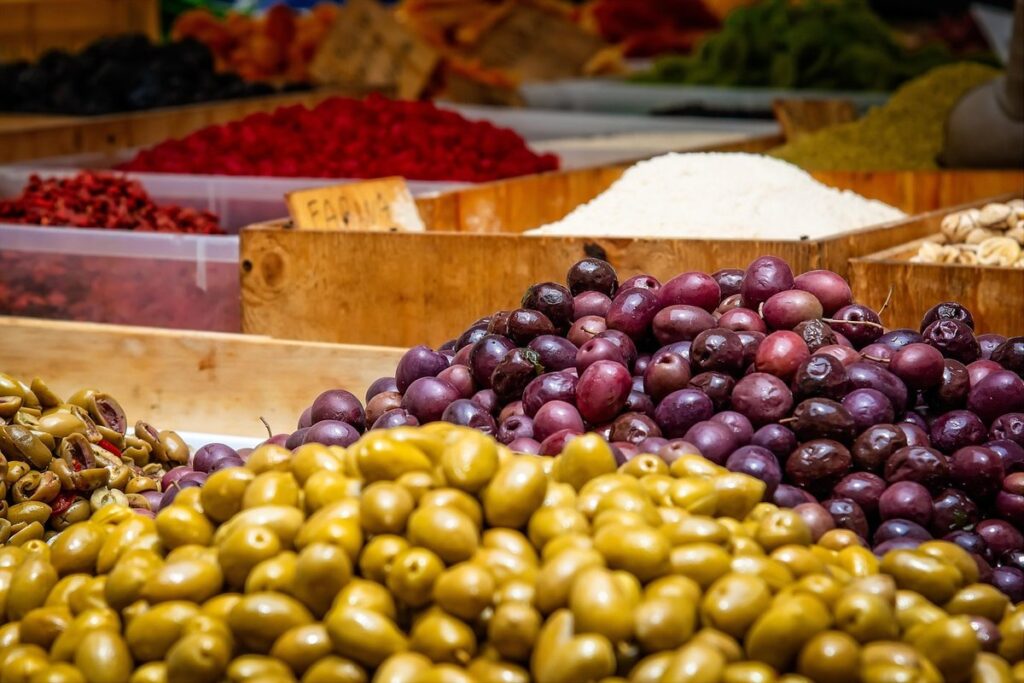
Benefits of Visiting Local Food Markets
By visiting local food markets, you’ll discover a wealth of benefits that support not just your community’s economy but also your own health and well-being. From fresher produce to authentic flavors.
Reducing Carbon Footprint
When you shop at local food markets, you’re not only supporting your community’s economy and health, but also contributing to a reduction in carbon emissions. One of the most significant advantages of buying locally is the decrease in transportation costs. Large-scale industrial agriculture often relies on long-distance transportation, which generates greenhouse gas emissions through fuel consumption. In contrast, local food markets typically source produce from nearby farms, reducing the need for lengthy transportation routes.
This not only lowers carbon emissions but also decreases packaging waste. Industrial agricultural products are often packaged in single-use plastics or cardboard boxes that end up in landfills. Local markets, on the other hand, tend to sell produce in reusable containers or without excessive packaging. By choosing local options, you can significantly reduce your carbon footprint.
To further minimize your impact, consider buying seasonal produce, which requires less energy-intensive transportation and storage. You can also support farmers who use regenerative agriculture practices that sequester carbon from the atmosphere. By making these choices, you’re not only reducing your own carbon emissions but also contributing to a more sustainable food system.
Boosting Local Economies
When you shop at local food markets, you’re directly supporting the economic vitality of your community. Every dollar spent at these markets stays within the local economy, creating a ripple effect that benefits multiple stakeholders. Local businesses generate new jobs and stimulate entrepreneurship, as market vendors often begin their entrepreneurial journeys by selling produce, baked goods, or artisanal products.
As the market grows in popularity, it attracts more foot traffic, which can lead to increased tax revenue for the community. Cities and towns with thriving local food markets tend to have higher property values, as residents are drawn to areas with a strong sense of community and access to fresh, locally sourced produce. By choosing to shop at local food markets, you’re contributing to this positive economic feedback loop.
To maximize your impact, consider shopping at markets that actively promote small businesses, such as those owned by women or minorities. You can also participate in market events and workshops that educate consumers about the benefits of buying local. By supporting these initiatives, you’ll be fostering a more inclusive and thriving local economy.
Promoting Sustainable Agriculture
When you visit a local food market, you’re likely to find vendors practicing sustainable agricultural methods. This includes organic farming, where crops are grown without synthetic pesticides or fertilizers. You might also see crop rotation techniques being used to maintain soil health and prevent pests. Some farmers may even be conserving biodiversity by growing a variety of crops together.
Many local food markets prioritize buying from these environmentally conscious farmers because it’s better for the community and the environment. By choosing sustainable produce, you’re supporting practices that reduce the market’s carbon footprint. Organic farming, in particular, tends to use significantly less water than conventional farming methods. This is especially important for regions struggling with drought.
In addition to supporting individual farmers, local food markets often have initiatives in place to promote sustainable agriculture more broadly. Some may host workshops or demonstrations on topics like permaculture design or natural pest control. Others might establish programs to help new farmers get started, providing them with resources and mentorship to adopt environmentally friendly practices. By shopping at these markets, you’re contributing to a larger movement that values sustainability and the well-being of local ecosystems.
Types of Local Food Markets
Local food markets come in many forms, each offering a unique shopping experience and way to connect with local farmers and artisans. From bustling farmer’s markets to smaller community-supported agriculture programs, there are numerous options to explore.
Farmers’ Markets
Farmers’ markets are a staple of local food systems, providing a direct link between consumers and the farmers who grow their food. These markets typically take place outdoors, often in public spaces like parks or town squares, and offer a vibrant atmosphere where people can connect with the community while shopping for fresh produce. By visiting farmers’ markets, consumers can choose from an array of seasonal fruits and vegetables, artisanal cheeses, baked goods, and other local specialties.
One of the key benefits of traditional farmers’ markets is their ability to foster relationships between producers and consumers. This face-to-face interaction allows customers to ask questions about growing practices, learn about new products, and receive personalized recommendations from the farmers themselves. Many farmers’ markets also feature artisanal food vendors, who sell handmade items like jams, honey, and soap.
To get the most out of a visit to a farmers’ market, it’s helpful to arrive early and be prepared to ask questions. Some markets may also offer workshops or demonstrations on topics like gardening or cooking, which can provide valuable skills and insights for customers. By supporting local farmers and artisans at these markets, consumers are not only ensuring the quality and freshness of their food but also contributing to the economic vitality of their community.
Food Co-ops
A food co-op is a member-owned business that offers a variety of products, often sourced locally or regionally. This model allows consumers to have a direct say in what goods are sold and how profits are distributed. Typically, members purchase shares in the co-op, which gives them voting rights and ownership in the business.
One key advantage of food co-ops is their ability to support local farmers and artisans by providing a platform for them to sell their products. This not only benefits the community by keeping dollars local but also helps build relationships between producers and consumers. Many co-ops have a “member-pick” program, where members can select the products they want to purchase from local vendors.
In addition to supporting local economies, food co-ops often prioritize sustainability and transparency in their operations. Members can expect to find environmentally friendly packaging options and product labels that disclose ingredients and production methods. Some co-ops even have on-site gardens or partner with nearby farms to provide fresh produce. By joining a food co-op, consumers can make a tangible impact on their community’s economy and health while enjoying the benefits of local sourcing.
Urban Farm Markets
Urban farm markets have been gaining traction in cities worldwide as a way to bring fresh produce directly from city farms to consumers. By reducing transportation costs and increasing access to healthy food, these markets are changing the face of urban agriculture. One notable example is Detroit’s Eastern Market, where local farmers sell their produce alongside artisanal goods.
The benefits of urban farm markets extend beyond just providing fresh produce. They often create jobs for local residents and stimulate economic growth in underserved communities. For instance, the Green City Growers in Boston offers training programs for young adults to learn about sustainable agriculture and entrepreneurship.
To find an urban farm market near you, look for listings on local government websites or search online for “urban farm markets” along with your city’s name. You can also check if nearby community gardens or farmers’ markets have any partnerships with urban farms. By supporting urban farm markets, consumers are not only getting fresh produce but also contributing to the growth of their local economy and promoting sustainable agriculture practices.
Navigating Local Food Markets
As you explore local food markets, it can be overwhelming to know where to start and how to make the most of your visit. Here’s a guide to help you navigate these vibrant hubs successfully.
What to Expect
When you first arrive at a local food market, take a moment to orient yourself with the layout. Markets can vary greatly in size and design, but most will have a clear entrance and exit point, with vendors arranged in an orderly fashion. Take note of any signs or maps that highlight specific sections, such as produce, meats, or artisanal goods.
As you wander through the market, don’t be afraid to interact with vendors – they’re often passionate about their products and happy to share information about them. Ask questions like “What’s in season right now?” or “Can I try a sample?” to get a better sense of what’s available. Many vendors will also offer tastings or demos, so keep an eye out for these opportunities.
When sampling products, be mindful of any signs that indicate specific rules – some vendors may require you to ask permission before tasting, while others may have strict guidelines around food handling and safety. Don’t be shy about asking for clarification if you’re unsure.
Choosing Fresh Produce
When selecting fresh produce at local markets, it’s essential to consider three key factors: color, texture, and seasonality. A vibrant color is often an indicator of a fruit or vegetable’s freshness, but don’t be fooled by superficial appearances – some produce may look great on the outside while being past their prime inside.
Instead, gently touch the skin to check for any soft spots or bruises. For leafy greens like lettuce and spinach, look for crisp leaves with no signs of wilting. When it comes to fruits, a slight give when pressed is normal, but avoid those that are mushy or overly soft.
Seasonality also plays a crucial role in choosing the freshest produce. Local markets typically offer seasonal fruits and vegetables at their peak ripeness, which means they’ll taste better and be more nutritious. For example, summer’s warm weather brings an abundance of juicy tomatoes, while winter’s cooler temperatures make it ideal for crisp apples.
Consider visiting your local market during different seasons to discover the unique flavors and varieties available. By taking these factors into account, you can confidently select fresh produce that will not only satisfy your taste buds but also support your community’s economy and health.
Supporting Local Artisans
When browsing local food markets, it’s easy to get caught up in the abundance of fresh produce and meats on offer. However, don’t overlook the equally important role that local artisans play in these markets. By purchasing handmade or artisanal products, you’re not only supporting small businesses but also helping to preserve traditional crafts and skills.
Consider visiting a market that specializes in baked goods, such as a baker who hand-makes sourdough bread or pastries using locally-sourced ingredients. You might also come across artisans selling homemade jams, chutneys, or specialty foods like artisanal cheeses or cured meats. These products not only taste better but are often made with love and care, making them a unique addition to any meal.
When shopping for local artisanal goods, look for vendors who can tell you about their ingredients, processes, and inspirations. Ask questions like “Where did you source the honey for your jam?” or “What’s the secret ingredient in your cheese?” This not only helps you make informed purchasing decisions but also supports the artisans themselves by giving them a platform to share their stories and expertise.
The Impact of Local Food Markets on Community Health
Local food markets not only boost a community’s economy, but also play a significant role in promoting healthier lifestyles by providing fresh produce and quality food options. Let’s examine how these markets contribute to overall well-being.
Increasing Access to Healthy Food
In many low-income neighborhoods, access to healthy food is severely limited. Supermarkets and grocery stores often don’t venture into these areas due to high operating costs, leaving residents with few options for fresh produce. Local food markets can help address this issue by providing affordable and nutritious food to those who need it most.
One way local food markets increase access to healthy food is by setting up shop in underserved communities. By doing so, they bring the food to the people rather than relying on them to travel to more affluent areas. For example, a local food market in a low-income neighborhood might offer a variety of fruits and vegetables at competitive prices, making it easier for residents to eat healthy without breaking the bank.
Another benefit is that many local food markets accept government assistance programs like SNAP and WIC. This allows low-income individuals to use their benefits to purchase fresh produce, meats, and other healthy foods, bridging the gap between limited budgets and nutritious eating. By providing access to healthy food options, local markets help alleviate the burden of food insecurity in these communities.
Fostering Community Engagement
By hosting local food markets, communities can foster a sense of connection among residents. This is particularly evident in the casual atmosphere and face-to-face interactions between vendors, customers, and fellow shoppers. At these events, people from diverse backgrounds come together to celebrate local produce, artisanal goods, and community spirit.
For instance, many farmers’ markets feature live music, cooking demonstrations, or children’s activities that encourage socializing and community bonding. Some markets also organize loyalty programs or rewards schemes to incentivize repeat customers and foster a sense of belonging among regular attendees.
To maximize the potential for community engagement, market organizers can consider hosting events that cater to specific demographics or interests. This might include themed markets focused on cultural cuisine, seasonal produce, or artisanal goods. By incorporating activities and features that resonate with local residents, market organizers can create an inclusive and welcoming environment where people feel valued and connected.
Some effective strategies for promoting community engagement at local food markets include partnering with local schools, community groups, or non-profit organizations to offer workshops, classes, or volunteer opportunities.
Supporting Food Security Initiatives
Supporting food security initiatives is a critical aspect of local food markets’ role in promoting community health. Many local food markets partner with organizations to reduce food waste and hunger. Gleaning programs, for example, allow volunteers to harvest excess produce from farms and deliver it to those in need. Some markets also host food banks or accept donations to distribute to local families struggling to access nutritious food.
Some notable initiatives include the “Gleaning Network,” a program that connects farmers with surplus produce to organizations serving vulnerable populations. Local food markets can also participate in programs like Feeding America, which distributes food to those experiencing hunger and malnutrition. By fostering relationships between producers, consumers, and service providers, local food markets help bridge the gap between food availability and accessibility.
In addition to formal partnerships, many local food markets encourage customers to support food security initiatives through simple actions: bringing non-perishable items for donation, volunteering their time at on-site food banks or pantries, or simply purchasing produce from farmers who participate in gleaning programs. By incorporating these practices into their daily routine, consumers can contribute to a more equitable and sustainable food system.
Challenges Facing Local Food Markets
As you consider supporting your local food market, it’s essential to acknowledge the challenges they face, from logistical hurdles to competition from larger retailers. These obstacles can impact the success and sustainability of your community’s markets.
Regulatory Barriers
Zoning restrictions often hinder local food markets’ ability to operate. Municipalities may have specific rules governing the size of market stalls, the types of vendors allowed, and the permitted hours of operation. These regulations can limit the number of vendors that can participate and make it difficult for new markets to establish themselves.
Licensing requirements are another obstacle for local food markets. Vendors must obtain permits or licenses from various government agencies, which can be time-consuming and costly. For example, a vendor selling prepared foods may need to obtain a food handling permit, while one selling produce may require a pesticide-free certification.
Health department regulations also pose a challenge. Markets must comply with strict sanitation standards, including proper waste disposal and handwashing facilities. While these regulations are essential for public health, they can be onerous for small-scale vendors who lack the resources to invest in costly infrastructure.
Some cities have begun to revamp their zoning laws and licensing requirements to better support local food markets. For instance, a city might create a “food truck park” with designated areas for mobile vendors or establish a streamlined permitting process for new markets. By addressing these regulatory barriers, communities can help create a more vibrant and resilient local food economy.
Market Competition
The rise of online shopping platforms and big-box stores has significantly impacted local food markets. Many consumers are now accustomed to purchasing groceries and household essentials from large retailers with the click of a button or by driving to a nearby warehouse store. These alternatives often offer lower prices, greater convenience, and an extensive selection of products.
However, this shift in consumer behavior poses a significant challenge for local food markets. To remain competitive, these markets must adapt and innovate. Some strategies include offering unique products that can’t be found elsewhere, providing exceptional customer service, and emphasizing the benefits of buying locally sourced produce.
Additionally, local food markets should consider diversifying their product offerings to appeal to a broader range of consumers. This might involve partnering with local artisans or adding prepared foods options. By doing so, these markets can differentiate themselves from big-box stores and online retailers, making them an attractive choice for customers seeking fresh, high-quality produce and personalized shopping experiences.
Sustainability and Scalability
As local food markets grow in popularity, concerns around sustainability and scalability have become increasingly important. One key issue is energy consumption – many farmers’ market stalls rely on generators to power their equipment, which can be a significant source of greenhouse gas emissions. To mitigate this, some markets are exploring renewable energy options like solar or wind power. For example, the Portland Farmers Market in Oregon has installed solar panels to reduce its carbon footprint.
Another challenge is waste management – with so many vendors and customers coming through each week, it’s easy for waste to accumulate quickly. Markets can implement recycling programs, composting initiatives, or even offer incentives for customers to bring their own reusable bags and containers. The Seattle Food Co-op, for instance, has implemented a comprehensive recycling program that includes food waste collection.
Effective resource allocation is also crucial – markets need to balance the needs of vendors with those of customers while minimizing waste and excess energy use. This can be achieved through careful planning, efficient layout design, and regular vendor education on sustainable practices. By addressing these challenges head-on, local food markets can ensure a sustainable future for themselves and their communities.
Frequently Asked Questions
How Can I Get Involved in My Local Food Market Beyond Just Shopping?
You can volunteer at your local food market by helping with setup and teardown, assisting vendors with their products, or participating in events and festivals. Many markets also have boards or committees that you can join to help make decisions about the market’s direction and operations. By getting involved, you’ll not only support the community but also gain a deeper understanding of how local food markets function.
What if I Have Food Allergies or Intolerances? Can I Still Shop at Local Markets?
Yes. Many vendors at local markets are happy to accommodate special requests, such as labeling products with allergen warnings or providing ingredients lists upon request. Some markets may also have a system in place for handling food allergies and intolerances. It’s always best to communicate openly with the vendor about your needs.
How Do I Know if a Local Food Market is Sustainable and Scalable?
Look for markets that source their products from local, organic farms whenever possible. Also, check if they have systems in place for reducing waste, such as composting or recycling programs. Additionally, consider visiting during peak season to see how the market adapts to fluctuations in demand.
What if I Want to Start My Own Local Food Market? Where Do I Begin?
Starting a local food market requires careful planning and research. Begin by assessing your community’s needs and identifying potential vendors and customers. Develop a business plan that outlines your goals, target audience, and marketing strategy. Secure funding or grants to support your venture and navigate any regulatory requirements.
Can Local Food Markets Help Address Food Deserts in Low-Income Communities?
Yes. By providing affordable, healthy food options, local markets can help alleviate issues related to food deserts. Many markets also offer programs such as free produce distribution or discounted rates for low-income families. Additionally, some markets partner with organizations that provide nutrition education and cooking classes to empower community members to make healthier choices.