
Los Angeles’ Grand Central Market has been a cornerstone of the city’s culinary scene for nearly a century. This vibrant marketplace, located in downtown LA, has played a significant role in shaping the local economy and cultural heritage. For many years, it has been a melting pot of cultures, with vendors serving everything from traditional Mexican dishes to Asian fusion cuisine. The market’s stunning architecture is just as impressive as its offerings, with beautifully restored buildings that showcase the city’s rich history. As you step through its doors, you’re immediately immersed in the sights, sounds, and aromas of LA’s diverse food culture. In this article, we’ll explore the fascinating story behind Grand Central Market, its impact on local economies, and why it remains an essential part of the city’s cultural heritage, allowing readers to gain a deeper understanding of its importance and significance.
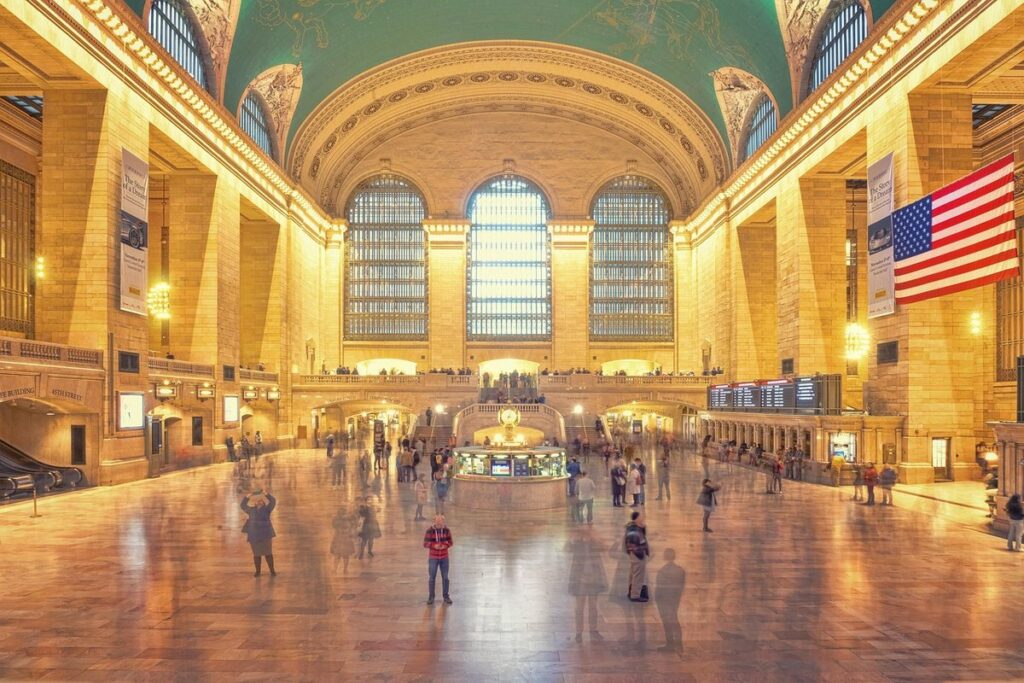
History and Evolution
Grand Central Market has been a beloved LA landmark for over 100 years, its evolution reflecting the city’s own growth and diversity. From humble beginnings to its current status as a vibrant food hall, let’s take a look at how it all came to be.
Early Beginnings: The Birth of a Marketplace
Grand Central Market’s history dates back to 1917, when it first opened as a small fruit stand. At the time, it was called the “Grand Central Market” by its founder, Richard Juhl. The market’s original location was on the corner of 3rd and Broadway in downtown Los Angeles. One of its earliest tenants was a produce vendor named Arthur Scharer, who sold fresh fruits and vegetables to locals.
As the years passed, more vendors joined the market, selling everything from meat to flowers. By the mid-1920s, Grand Central Market had transformed into a bustling gathering place for Angelenos. Its early success can be attributed in part to its strategic location: it was situated near the city’s central hub, making it easily accessible by streetcar and on foot.
The market’s humble beginnings laid the foundation for its future growth and evolution. Over time, Grand Central Market would become a beloved institution, attracting visitors from all over the world with its eclectic mix of food vendors, shopping stalls, and cultural attractions.
Expansion and Growth: A Hub for Local Vendors
As the years passed, Grand Central Market expanded to accommodate more vendors, becoming a bustling hub for local businesses. The addition of new food stalls and specialty shops not only catered to the growing demand from tourists but also provided opportunities for local entrepreneurs to showcase their products.
One key factor contributing to its growth was the introduction of the “Vendor Program,” which offered financial assistance and mentorship to aspiring vendors. This initiative allowed small business owners to take a chance on launching their ventures within the market, often with remarkable success. The program’s focus on supporting local talent helped create a diverse range of offerings, from artisanal foods to handmade crafts.
The market’s expansion also led to the development of dedicated spaces for specific types of vendors, such as the popular Sushi Alley and the Flower Market. These designated areas not only enhanced the overall shopping experience but also provided vendors with a sense of community and belonging. By catering to various needs and interests, Grand Central Market became an integral part of the Los Angeles culinary and cultural landscape.
Architecture and Design
The historic architecture of Grand Central Market is a stunning blend of art deco and Spanish Colonial Revival styles. Take a closer look at how these design elements contribute to its unique charm.
Art Deco Masterpiece: The Market’s Iconic Structure
Grand Central Market’s Art Deco architecture is a defining feature of its grandeur. The design elements that make it an iconic landmark are rooted in the 1930s, when the market was first built. The market’s facade features intricate metalwork, including ornate details and geometric patterns, which were typical of the Art Deco style. The use of terra cotta and glazed tile also adds to its distinctive aesthetic.
The market’s interior is equally impressive, with high ceilings, large windows, and a spacious layout that allows for natural light to pour in. The design elements are not just aesthetically pleasing but also functional, providing an efficient flow of people through the space. One notable feature is the iconic “Market” sign above the entrance, which has become a symbol of the market’s identity.
The Art Deco style was chosen to reflect the optimism and modernity of the era, as well as the market’s role in bringing together different cultures and communities. Today, Grand Central Market’s architecture continues to inspire both locals and visitors, offering a glimpse into LA’s rich design heritage.
Renovations and Restorations: Preserving a Piece of History
Renovations and restorations have played a crucial role in maintaining Grand Central Market’s charm while ensuring its continued relevance. Over the years, the market has undergone several transformations to preserve its original character. For instance, the 2008 renovation restored many of the market’s original Art Deco details, including the iconic clock tower. This project also introduced new amenities and improved infrastructure.
One notable restoration effort is the revitalization of the market’s historic tiles and murals. Many of these decorative elements were preserved and restored to their former glory, giving visitors a glimpse into the market’s rich history. The preservation of these details not only enhances the visitor experience but also provides a tangible connection to the past.
The market’s administration has made a concerted effort to balance modernization with preservation. This approach is evident in the addition of new vendors and food stalls, which coexist harmoniously alongside the original structures. By striking this balance, Grand Central Market continues to thrive as a vibrant hub for local culture and commerce.
Food Culture and Diversity
From sizzling tacos to fragrant Korean BBQ, Grand Central Market’s food scene is a true reflection of LA’s vibrant cultural diversity. You’ll discover how different cuisines come together in perfect harmony here.
A Melting Pot of Flavors: The Market’s Culinary Offerings
Grand Central Market’s culinary landscape is a vibrant reflection of the city’s cultural diversity. With over 40 food vendors under one roof, visitors can sample flavors from every corner of the globe. From traditional Mexican cuisine to authentic Korean BBQ, each stall offers a unique taste experience that caters to various dietary needs and preferences.
Some standout options include China Café, serving up classic Cantonese dishes like egg foo young and won ton soup; Tacos Tumbras A Tomas, offering creative tacos with Baja-style fish and carne asada; and Gjusta, a artisanal bakery featuring organic breads and pastries. The market also caters to health-conscious visitors, with vendors like Plant Food + Wine serving up plant-based small plates.
To navigate the diverse offerings, consider trying a few dishes at each stall or opting for a food tour to maximize sampling opportunities. Some popular combinations include pairing Korean BBQ tacos from Kogi with a side of Japanese-style ramen from Otafuku, or sampling Middle Eastern falafel from Shokolaat alongside authentic Vietnamese banh mi from Banh Mi 11.
Traditional Favorites and Modern Twists: A Story of Adaptation
Grand Central Market’s culinary offerings reflect a delicate balance between tradition and innovation. Classic eateries like Tacos Tumbras A Tomas have been serving up authentic street food for decades, while newer stalls like China Café offer creative twists on familiar dishes. You’ll find traditional Korean BBQ at Park’s Barbeque, alongside innovative fusion options like the spicy kimchi quesadilla.
One notable example of adaptation is the rise of plant-based cuisine in the market. What was once a niche interest has become a staple, with vendors like Don Loicoche offering vegan versions of classic dishes like the egg salad sandwich. This shift demonstrates the market’s willingness to evolve and cater to changing tastes without sacrificing its core identity.
When exploring Grand Central Market’s food scene, be sure to balance your desire for traditional flavors with an openness to new experiences. Try a classic street taco, but also venture out to sample some of the more adventurous options. With over 30 vendors to choose from, you’re bound to discover something that suits your taste.
Shopping and Entertainment
One of the best parts of Grand Central Market is finding unique souvenirs, trying new foods, and catching a live performance, all under one roof. From shopping to entertainment, we’ll show you how to make the most of your visit.
Unique Finds and Local Treasures: Exploring the Market’s Retail Scene
Grand Central Market is a treasure trove of unique finds and local treasures beyond its renowned food stalls. Visitors can explore an array of vendors selling handmade crafts, artisanal goods, and specialty products. One notable example is the Market’s long-standing partnership with local artisans, who offer everything from hand-painted ceramics to custom jewelry.
Among these vendors are several businesses that specialize in traditional Mexican and Asian imports. You’ll find vibrant textiles, colorful ceramics, and intricately designed wooden carvings. For instance, the popular stall “El Mercado” offers an extensive selection of handmade woven baskets, embroidered clothing, and hand-painted tiles.
In addition to these specialty vendors, Grand Central Market also features a variety of boutiques selling local designer goods. The Market’s retail scene is particularly notable for its focus on sustainability, with many vendors offering eco-friendly products made from recycled materials or locally sourced fabrics.
Live Events and Performances: The Market as a Community Hub
Grand Central Market’s live events and performances are a major draw for visitors from all over. The market hosts an impressive array of concerts, cooking demonstrations, and other activities that bring people together. You can catch live music ranging from indie rock to traditional mariachi bands on the market’s outdoor stage.
To give you a sense of what’s happening, the market often schedules events around major holidays or festivals. For instance, during the summer months, you might find a lively celebration of Mexican Independence Day with food vendors serving up authentic dishes and live music filling the air. Similarly, during the holiday season, the market transforms into a winter wonderland with festive decorations and special performances.
The market’s event calendar is always packed with something new and exciting. Be sure to check the official website or social media for updates on upcoming events. You can also follow the market’s Instagram account for sneak peeks of what’s coming up. By attending these live events, you’ll not only experience the sights and sounds of the market but also connect with fellow foodies and locals who share your passion for good food and community.
Impact on Local Economy and Culture
Grand Central Market has been a beloved institution in Los Angeles for nearly a century, bringing people together from diverse backgrounds. Let’s take a closer look at its profound impact on the local economy and culture.
Supporting Small Businesses and Local Economies
Grand Central Market has long been a champion of small businesses and local entrepreneurs. With over 40 vendors calling the market home, it provides an accessible platform for individuals to showcase their products and reach a diverse customer base. This inclusivity has fostered a thriving ecosystem where artisans, farmers, and food vendors can connect directly with consumers.
Many vendors began as small operations, gradually expanding their offerings based on demand and feedback from customers. For instance, the market’s iconic China Cafe has been serving traditional Chinese dishes for over 90 years, while other eateries have adapted to changing tastes by introducing fusion cuisine or specialty items. By supporting these local businesses, visitors contribute to the market’s economic vitality and help preserve the unique character of Los Angeles’ culinary scene.
In addition to its vendor-driven model, Grand Central Market also offers resources such as cooking demonstrations, workshops, and networking events that empower entrepreneurs to grow their ventures. These initiatives not only promote professional development but also underscore the market’s commitment to fostering a collaborative community environment where small businesses can thrive.
Cultural Significance: A Reflection of Los Angeles’ Diverse Heritage
Los Angeles is a city built on diversity, and Grand Central Market embodies this spirit. The market’s cultural significance extends beyond its economic benefits, reflecting the city’s rich heritage and diversity. As you walk through the bustling hallways, you’re surrounded by vendors from different corners of the world, each bringing their unique flavors, traditions, and stories.
The market is a microcosm of LA’s eclectic neighborhoods, where cultures blend and intersect. You can sample authentic Korean BBQ, savor traditional Mexican street food, or indulge in Italian gelato – all under one roof. The diversity of vendors not only showcases the city’s cultural tapestry but also highlights the importance of preserving local traditions.
To appreciate the market’s cultural significance, take note of the vendors’ family stories and the history behind their businesses. Many have been passed down through generations, with some families having operated within the market for over a century. By supporting these vendors, you’re contributing to the preservation of LA’s heritage and helping to keep its unique character alive.
Future Developments and Preservation Efforts
Los Angeles’ Grand Central Market is a beloved institution, but it’s not immune to the challenges of modernization. We’ll examine what’s being done to ensure its continued relevance and survival.
Modernization and Revitalization: Balancing Tradition with Innovation
Grand Central Market has always been a place of evolution and adaptation. As new vendors and businesses emerge, it’s essential to strike a balance between preserving its rich history and embracing innovation. To achieve this delicate balance, the market has implemented various revitalization efforts. For instance, the recent renovation of the eastern façade aimed to modernize the building while maintaining its original Art Deco charm.
One key aspect of these efforts is incorporating sustainable practices without sacrificing tradition. The market has introduced recycling programs and energy-efficient lighting to minimize its environmental footprint. This approach not only benefits the environment but also enhances the overall visitor experience. To further promote innovation, the market has also established a program for emerging vendors to test new concepts and products.
This blend of old and new is evident in some of the market’s most popular attractions. For example, the famous Gjusta bakery combines traditional French techniques with locally sourced ingredients and modern presentation. Visitors can enjoy artisanal bread and pastries while appreciating the market’s ongoing commitment to preserving its heritage. By embracing innovation while honoring tradition, Grand Central Market remains a vibrant hub of culinary and cultural discovery.
Securing a Legacy: Ensuring the Market’s Continued Relevance
To ensure Grand Central Market’s continued relevance, its stakeholders must strike a balance between preservation and modernization. This involves identifying what makes the market unique and preserving those elements, while also embracing innovation to stay competitive.
The market has already taken steps to modernize, such as adding new vendors and amenities like the Farmers’ Market Pavilion and the Grand Central Square. However, these changes should not compromise its character. A key consideration is how to adapt existing structures and systems to accommodate new ideas without altering their historic integrity.
Some strategies for securing a legacy include:
• Fostering partnerships with local businesses and organizations to promote cross-promotion and collaboration
• Investing in infrastructure upgrades that prioritize sustainability and accessibility
• Supporting emerging vendors through incubator programs or other forms of assistance
• Continuously assessing and refining the market’s layout, signage, and wayfinding systems
By adopting these approaches, Grand Central Market can not only stay relevant but also continue to thrive as a beloved Los Angeles landmark.
Frequently Asked Questions
What is the best time to visit Grand Central Market for optimal food and shopping experience?
The best time to visit Grand Central Market is during weekdays (Monday to Thursday) between 11 am and 3 pm. This allows you to avoid weekend crowds and enjoy a more relaxed dining and shopping experience.
How can I make the most of my visit and ensure I try all the must-try foods mentioned in the article?
To make the most of your visit, plan ahead by creating a list of must-try foods and prioritizing them based on opening hours and crowd levels. Consider visiting during off-peak times to minimize wait times and maximize your foodie experience.
What if I have specific dietary restrictions or preferences? Can I still find suitable options at Grand Central Market?
Yes, Grand Central Market has a variety of vendors catering to different dietary needs and preferences. From vegan and gluten-free options to halal and kosher choices, you’ll find something that suits your requirements. Be sure to ask vendors about their offerings and ingredients.
How can I support local businesses and entrepreneurs beyond just visiting the market?
Supporting local businesses and entrepreneurs goes beyond just visiting Grand Central Market. Consider shopping at local boutiques and markets outside of the main market area, attending community events, or volunteering with organizations that promote small business development in Los Angeles.
What if I’m planning a large group outing or event? Are there any specific arrangements or services available for groups?
Yes, Grand Central Market has catering options and private dining areas suitable for large groups. Be sure to contact vendors and market staff in advance to arrange for customized services and ensure a smooth experience for your group.

