The Mahamrityunjaya Mantra, an ancient Hindu chant, has been revered for centuries as a powerful tool for spiritual growth and inner transformation. This sacred mantra is often recited to seek protection from life’s inevitable challenges and to cultivate a deeper connection with one’s own inner self. As we navigate the complexities of modern life, many of us find ourselves struggling with stress, anxiety, and feelings of disconnection. The Mahamrityunjaya Mantra offers a profound solution to these issues, promising reduced stress and anxiety, as well as spiritual growth and enlightenment for those who recite it effectively. In this article, you’ll learn the benefits of incorporating the Mahamrityunjaya Mantra into your daily practice and discover how to recite it correctly, allowing you to tap into its transformative power and deepen your connection with yourself.
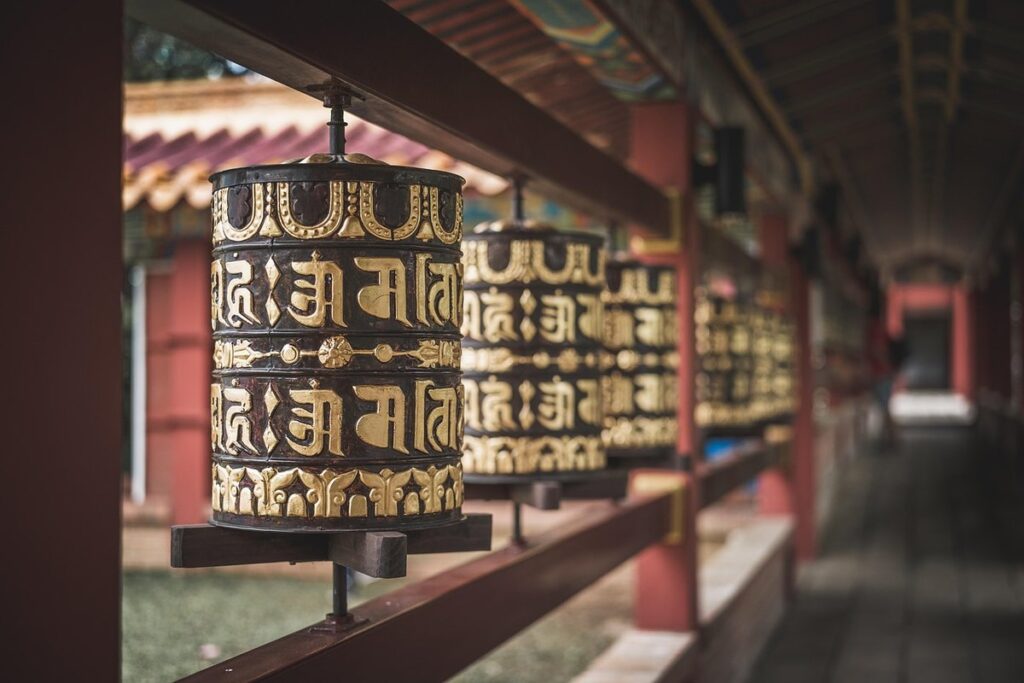
Understanding the Mahamrityunjaya Mantra
The Mahamrityunjaya Mantra is a powerful Sanskrit incantation that holds immense spiritual significance, and understanding its true meaning is crucial to harnessing its benefits. Let’s explore the mantra’s origins and significance in Hinduism.
Origins and Significance of the Mantra
The Mahamrityunjaya mantra has its roots in ancient Hinduism, specifically within the traditions of Shaivism and Tantricism. Its origins can be traced back to the Rigveda, one of the oldest and most sacred Vedic texts. The mantra is believed to have been composed by the great sage Markandeya, who attributed it to Lord Shiva, the destroyer god in Hindu mythology.
This mantra holds significant cultural and spiritual importance due to its association with Lord Shiva’s power to grant liberation from the cycle of life and death. It is considered a powerful tool for spiritual growth and healing because it embodies the essence of Shiva’s nature: the ultimate reality that underlies all existence. In this sense, the Mahamrityunjaya mantra serves as a reminder of the interconnectedness of all things and the impermanence of life.
The mantra’s significance extends beyond its spiritual connotations; it has also been used for centuries in traditional Ayurvedic medicine to promote physical healing and well-being. By understanding the origins and cultural significance of this powerful mantra, practitioners can tap into its full potential and harness its energy for personal growth and self-realization.
Meaning and Translation
The mahamrityunjaya mantra is composed of several syllables with distinct meanings. Breaking down each part of the mantra reveals its rich symbolism and connection to the concept of Moksha or liberation. The first four syllables, “Tra-Ma-Ri-Vya-Tche,” can be translated as “Tryambakam Yajamahe,” which means “we worship the three-faced one.” This refers to Lord Shiva, who is often depicted with three eyes, signifying his all-seeing presence.
The word “Sri” in front of the mantra signifies the divine or sacred. The syllables “Maha-Mrityunjaya” are a combination of two words: “Maha,” meaning great, and “Mrityu-Njaya,” which refers to one who has conquered death. This line of the mantra acknowledges Shiva’s power over death and rebirth. In essence, the mahamrityunjaya mantra is an invocation to Lord Shiva for protection from disease, old age, and ultimately, death. By reciting this mantra, practitioners seek liberation from the cycle of birth and death, known as Samsara, and aim to attain Moksha or spiritual freedom.
The Benefits of Reciting Mahamrityunjaya Mantra
Reciting Mahamrityunjaya Mantra is a powerful way to cultivate spiritual growth and inner peace, offering numerous benefits for both body and mind. By exploring these advantages, you’ll discover the transformative potential of this ancient mantra.
Physical and Mental Health Benefits
Research has shown that reciting mantras like the Mahamrityunjaya can have a profound impact on both physical and mental health. Studies have found that regular mantra recitation can reduce stress levels by activating the parasympathetic nervous system, which promotes relaxation and calmness. This, in turn, can help alleviate anxiety disorders, including generalized anxiety disorder (GAD) and post-traumatic stress disorder (PTSD). Additionally, the repetitive nature of mantra recitation can induce a state of deep relaxation, leading to improved sleep quality and duration.
In terms of physical health, research suggests that mantra recitation can lower cortisol levels, blood pressure, and heart rate. This can be particularly beneficial for individuals with hypertension or those at risk of cardiovascular disease. Furthermore, the calming effects of mantra recitation may also help reduce chronic pain by decreasing inflammation and promoting relaxation in the body.
To experience these benefits, it’s essential to establish a consistent practice of reciting the Mahamrityunjaya Mantra regularly. Start by setting aside 10-15 minutes each day for quiet reflection and mantra recitation. As you become more comfortable with the practice, gradually increase the duration and frequency. By incorporating this simple yet powerful technique into your daily routine, you may find significant improvements in both physical and mental well-being.
Spiritual Growth and Enlightenment
Regular recitation of the Mahamrityunjaya mantra can lead to profound spiritual growth, self-realization, and a deeper connection with one’s inner self. As you cultivate a consistent practice, you may find yourself becoming more attuned to your thoughts, emotions, and actions. This increased awareness allows for greater introspection, enabling you to identify areas where you may be holding onto negative patterns or attachments.
Through the mantra’s repetitive chanting, you begin to quiet the mind and access deeper states of consciousness. This can lead to a sense of inner peace, calmness, and clarity, making it easier to navigate life’s challenges with greater ease and equanimity. As your spiritual practice deepens, you may also experience a shift in perspective, allowing you to see the world and its complexities from a more expansive, compassionate viewpoint.
Some practical tips for fostering spiritual growth through the Mahamrityunjaya mantra include setting aside dedicated time for recitation each day, practicing mindfulness during recitation, and approaching the practice with an open heart and mind. By committing to this consistent practice, you can unlock profound inner transformation and develop a more intimate connection with your true nature.
How to Recite the Mahamrityunjaya Mantra Effectively
To recite the Mahamrityunjaya Mantra effectively, it’s essential to understand its correct pronunciation and the right way to chant it to tap into its transformative power. Let’s break down the key elements of effective recitation.
Preparation and Intention
To recite the Mahamrityunjaya Mantra effectively, it’s essential to prepare yourself through meditation and set clear intentions. Find a quiet, peaceful spot where you can sit comfortably without distractions. Close your eyes and take a few deep breaths to calm your mind and relax your body.
Set aside any electronic devices, as their vibrations can disrupt the energy of your space. Consider playing soft, soothing music or nature sounds in the background to create a calming atmosphere. Light some incense or candles to purify the air and set a spiritual tone.
Before reciting the mantra, define what you want to achieve through its repetition. Do you seek physical healing, mental clarity, or spiritual growth? Clarifying your intentions will help focus your energy and intention. You can also write down your goals on a piece of paper and place it near your meditation spot as a reminder.
Remember that consistency is key when practicing the Mahamrityunjaya Mantra. Aim to recite it at the same time each day, ideally early morning or before bed, to establish a regular routine. By creating a conducive environment and setting clear intentions, you’ll be better equipped to tap into the mantra’s transformative power.
Techniques for Effective Recitation
When reciting the Mahamrityunjaya Mantra, proper breath control is essential to harness its full energy. Inhale deeply through your nose, filling your lungs completely, and exhale slowly through your mouth, allowing your body to relax. This synchronized breathing calms the mind, centering you in the present moment.
Maintain a comfortable seated posture with your back straight, shoulders relaxed, and hands placed gently on your lap. Avoid crossing your legs or ankles, as this can lead to stiffness and distraction. Instead, keep your feet planted firmly on the ground, allowing your energy to flow freely.
As you recite the mantra, visualize its vibrations resonating within your body. Imagine a bright, golden light emanating from the crown of your head, flowing down through your torso, arms, and legs, filling every cell with its healing properties. Focus on the sound of the mantra, allowing its syllables to merge with your breath, creating a harmonious resonance that awakens your inner self.
By mastering these techniques – breath control, posture, and visualization – you’ll enhance the effectiveness of the Mahamrityunjaya Mantra recitation, unlocking its transformative power.
Overcoming Challenges and Adverse Effects
As you continue on your spiritual journey, it’s inevitable that you’ll encounter obstacles and adverse effects – let’s explore how to overcome them and stay on track. We’ll discuss strategies for maintaining balance amidst challenges.
Common Obstacles in Recitation
When reciting the Mahamrityunjaya mantra, many people encounter common obstacles that can hinder their progress. One of the main challenges is maintaining focus and concentration during recitation. Distractions from daily life, such as work or family responsibilities, can make it difficult to fully immerse oneself in the mantra’s energy.
Another obstacle is the physical discomfort associated with prolonged sitting or standing in a specific position while reciting the mantra. This can lead to fatigue, pain, and decreased motivation to continue practicing.
Additionally, some individuals may struggle with the correct pronunciation or intonation of the mantra, which can disrupt its efficacy. For those who are new to Sanskrit, mastering the nuances of this ancient language can be a significant challenge.
To overcome these obstacles, it’s essential to establish a regular practice routine and create a conducive environment for recitation. This may involve setting aside dedicated time each day, finding a quiet and comfortable space, and seeking guidance from experienced teachers or mentors. By acknowledging and addressing these challenges, individuals can refine their approach to the Mahamrityunjaya mantra and unlock its full potential for spiritual growth and healing.
Managing Adverse Effects or Side-Effects
When reciting the Mahamrityunjaya mantra with intention and focus, you may experience emotional releases or physical sensations. These adverse effects can be intense, but they’re often a sign that your practice is working on a deep level. For some, this might manifest as uncontrollable sobbing or feelings of anxiety, while others may feel physical sensations like tremors or numbness in their body.
To manage these side-effects, it’s essential to approach them with an open and non-judgmental mindset. Allow yourself to fully experience the emotions that arise without resisting or suppressing them. If you’re feeling overwhelmed, try taking a few deep breaths and grounding yourself in your physical presence.
In some cases, intense meditation and mantra recitation can trigger physical symptoms like headaches or fatigue. To mitigate this, be sure to pace yourself during practice and listen to your body’s needs. Take regular breaks to rest and recharge, and consider incorporating gentle stretches or yoga poses to release tension. By acknowledging and working with these side-effects, you can deepen your spiritual growth and healing journey while minimizing discomfort.
Advanced Practices and Applications
As you continue on your spiritual journey, let’s explore how advanced practitioners use the Mahamrityunjaya Mantra for profound healing and growth. We’ll examine its applications in yoga, meditation, and energy work.
Using the Mantra in Daily Life
Incorporating the Mahamrityunjaya mantra into daily routines can be a powerful way to cultivate spiritual growth and healing. You can begin by reciting it during meditation, focusing on its vibrations and allowing them to permeate your being. Alternatively, you can repeat it while practicing yoga or other physical exercises, using the rhythm of your breath to anchor the mantra’s energy.
You can also integrate the Mahamrityunjaya mantra into daily activities such as walking, showering, or even doing chores. Try repeating it softly to yourself as you go about your day, allowing its power to seep into every moment. For example, reciting “Om Trayambakam Yaja Maalavyam” while brushing your teeth can help clear mental clutter and bring a sense of calm.
To make the most of this practice, try to be consistent and patient with yourself. Start by setting aside short periods each day for mantra recitation, gradually increasing the frequency and duration as you become more comfortable with its energy. Remember that the key is not just in the words themselves but also in your intention and attention – focus on the mantra’s vibrations and allow them to transform your life.
Integrating with Other Spiritual Practices
When incorporating the Mahamrityunjaya mantra into your spiritual practice, consider pairing it with other disciplines like yoga and pranayama. This synergy can enhance the benefits of recitation, allowing you to tap into deeper states of consciousness and inner healing. For instance, combining the mantra with specific asanas (yoga postures) or bandhas (energy locks) can activate energy centers in the body associated with balance, vitality, and spiritual awareness.
In Ayurveda, you can use the Mahamrityunjaya mantra to complement herbal remedies or other treatments aimed at restoring equilibrium within the doshas (energetic principles). This holistic approach acknowledges that the mantra’s effects are not limited to mental states but also influence physical well-being. When incorporating multiple practices, keep in mind the importance of intention and focus. Prioritize a clear purpose for combining these disciplines, such as enhancing meditation or energizing your daily routine.
To integrate the Mahamrityunjaya mantra effectively with other spiritual practices:
• Start by setting aside dedicated time for recitation, free from distractions.
• Experiment with different yoga postures or pranayama techniques to find the most harmonious pairing with the mantra.
• Consider consulting an Ayurvedic practitioner for guidance on herbal remedies that complement your practice.
FAQs and Conclusion
Now that we’ve explored the transformative power of the Mahamrityunjaya Mantra, let’s answer some frequently asked questions and summarize our key takeaways.
Frequently Asked Questions
One common question about the Mahamrityunjaya mantra is whether it’s suitable for everyone. The answer lies in understanding its significance and benefits. This mantra is not a magic solution, but rather a powerful tool that requires proper intention and preparation to reap its rewards.
In Hinduism, the mahamrityunjaya mantra is considered a ritualistic chant that holds immense spiritual value. It’s often associated with Lord Shiva, who is revered as the destroyer of death. However, this mantra isn’t exclusive to followers of Shiva or Hinduism; its universal message can be appreciated by anyone seeking spiritual growth.
Some people may wonder if the Mahamrityunjaya mantra can be recited in any language or if it’s necessary to learn Sanskrit. While the original mantra is in Sanskrit, you can use translations or adaptations that resonate with your personal connection. Ultimately, the power of this mantra lies not in its linguistic form but in the intention and energy behind it.
Another frequently asked question concerns the frequency of reciting the Mahamrityunjaya mantra. There’s no set rule; some people find it helpful to repeat it daily, while others prefer to reserve it for specific rituals or ceremonies. The key is finding a rhythm that works for you and staying committed to your practice.
Final Thoughts and Recommendations
As you conclude your journey with the Mahamrityunjaya mantra, remember that its true power lies not just in recitation but in consistent practice and dedication. To maximize its benefits, establish a regular routine of chanting, ideally at the same time each day to create a sense of ritual and expectation.
When integrating the mantra into daily life, be mindful of your intention behind reciting it. Focus on cultivating a sense of inner peace and balance rather than solely seeking external results. This subtle shift in perspective will allow you to tap deeper into its transformative potential.
Consider incorporating physical postures or meditation techniques to enhance your experience. You can also experiment with combining the mantra with other spiritual practices, such as yoga or breathwork, to create a holistic approach to self-healing and growth.
Ultimately, the Mahamrityunjaya mantra’s true value lies in its ability to guide you toward inner awareness and higher states of consciousness. As you continue on this path, remain open to new experiences and insights, trusting that the mantra will unfold its secrets as you deepen your connection with it.
Frequently Asked Questions
How Long Does It Take to Notice Benefits from Reciting the Mahamrityunjaya Mantra?
It can vary depending on individual practice and dedication. Some people may experience benefits within weeks or months, while others might need to recite the mantra consistently for several years before noticing significant changes in their spiritual growth and healing.
What if I’m a Complete Beginner with No Experience in Meditation? Can I Still Recite the Mahamrityunjaya Mantra Effectively?
Yes. The article’s guidance on preparation and intention provides a solid foundation for beginners to recite the mantra effectively. Start by setting aside a quiet, comfortable space for meditation and follow the recommended techniques for breath control, posture, and visualization.
Can I Use the Mahamrityunjaya Mantra to Heal Physical Ailments or Medical Conditions?
While the article discusses the spiritual benefits of the mantra, its physical health benefits are well-documented. However, it’s essential to consult with a healthcare professional before using the mantra as a treatment for any medical condition.
How Do I Incorporate the Mahamrityunjaya Mantra into My Daily Routine in Ways Beyond Meditation?
Consider incorporating the mantra during yoga practice, pranayama exercises, or while engaging in daily activities. You can also recite it during times of stress or anxiety to help calm your mind and promote spiritual growth.
What if I Experience Emotional Releases or Uncomfortable Physical Sensations During Recitation? Should I Stop Practicing?
No. These reactions are common when working with powerful spiritual tools like the Mahamrityunjaya mantra. Instead, acknowledge these sensations as part of your healing process and continue practicing with patience and dedication.