Medieval marriage vows have been woven into the fabric of wedding traditions for centuries, but their roots run far deeper than you might expect. The ancient rituals that shaped these vows continue to influence modern-day weddings, from the sacred promises exchanged at the altar to the sentimental gestures made in the years that follow. Take, for instance, the 13th-century marriage vow of Eleanor of Provence and Henry III of England: a promise of loyalty, duty, and devotion that has been echoed in wedding ceremonies ever since. As we explore medieval marriage vows, from their historical origins to their lasting impact on our modern understanding of marriage, you’ll discover how these ancient customs continue to shape the way we celebrate love today. By the end of this article, you’ll have a deeper appreciation for the rich history behind your own wedding promises.
The Origins and Evolution of Marriage Vows
Medieval marriage vows were not just a romantic promise, but also a social contract that tied families together. We’ll explore how these vows evolved over time to reflect changing societal values and expectations.
Ancient Roots of Marriage Promises
In ancient cultures, marriage promises were not just a ritualistic exchange but a sacred vow with deep significance. The earliest known examples of marriage vows can be found in biblical accounts, such as Genesis 24:58, where Abraham’s servant prays for guidance and receives a sign that the woman chosen by Isaac is indeed God’s choice. This story highlights the importance of divine intervention in ancient marriages.
The mythological influence on marriage promises is also evident in ancient Greece and Rome. In Greek mythology, the gods themselves witnessed and blessed the union between Cadmus and Harmonia, solidifying the bond through a sacred oath. Similarly, Roman brides would often swear fidelity to their husbands under the watchful eye of the goddess Juno.
The earliest Christian writings, such as the Epistle to the Ephesians (5:25-33), also emphasize the importance of marriage vows in ancient cultures. These passages not only legitimize but also encourage Christians to honor their commitment through love and devotion. By examining these ancient roots, we gain insight into the enduring significance of marriage promises across cultures and time.
The Influence of Christianity on Marriage Vows
The spread of Christianity throughout Europe had a profound impact on medieval marriage vows. As Christian doctrine became more widespread, the church began to formalize marriage ceremonies and develop wedding liturgies. The sacrament of matrimony was established as a sacred union between a man and woman, with the expectation that their bond would be lifelong and exclusive. To reflect this commitment, couples began incorporating Christian language and symbolism into their vows.
A key aspect of Christian influence on medieval marriage vows is the emphasis on fidelity and mutual love. In contrast to ancient pagan traditions, which often centered around fertility rites and property exchange, Christian marriage vows focused on the couple’s emotional and spiritual connection. For example, a common wedding liturgy from this period includes the phrase “to have and to hold from this day forward,” underscoring the idea that marriage is a commitment to care for one another across time.
Christianity also introduced the concept of “fidelity” as a central tenet of marriage vows. Couples promised to remain faithful to each other, renouncing any desires for extramarital relationships or divorce. This shift in emphasis reflects the church’s growing influence over medieval society and its attempts to promote more stable and enduring family structures.
Medieval Marriage Laws and Customs
Medieval marriage laws varied greatly depending on social class, geography, and even the specific lord or king ruling a region at the time. We’ll explore how these laws influenced the way couples got married.
The Role of Consent in Medieval Marriages
In medieval marriages, consent played a crucial role in determining the validity of the union. According to canon law, both parties must give their free and informed consent before entering into marriage. This meant that coercion or force was not acceptable, and each party had the right to refuse if they were not willing participants.
The laws surrounding consent varied depending on social class and status. For example, noblewomen often had limited freedom of choice in selecting a husband, while commoner women enjoyed more autonomy. However, even among nobility, the concept of “free will” was nuanced; many marriages were arranged to secure alliances or properties.
Both parties were also expected to fulfill certain obligations once married. The groom had to provide for his wife and children, while the bride was responsible for managing the household and rearing their offspring. Failure to comply with these expectations could lead to divorce or other forms of separation. Understanding these medieval marriage laws can help us appreciate the complexities involved in securing consent during this period.
The Importance of Family Alliances in Medieval Marriages
During the Middle Ages, family alliances played a crucial role in arranging marriages among royalty and nobility. This was particularly evident in the aristocratic classes, where strategic marriages were used to forge powerful bonds between families and secure their positions of power. For instance, when King Henry I of England married Edith of Scotland, he solidified an alliance with her family, which helped to strengthen his claim to the throne.
In these royal households, marriage was not solely a union between two individuals but also a diplomatic arrangement between families. Parents often arranged marriages for their children based on the potential benefits of forming alliances rather than love or personal compatibility. This practice led to some unusual matches, such as the marriage between King Louis VII of France and Eleanor of Aquitaine, which initially seemed beneficial due to her vast inheritance but ultimately ended in divorce.
To understand the importance of family alliances in medieval marriages, consider this: a well-placed marriage could bring significant wealth, land, or military support to a family, whereas an unfavorable match might lead to loss of status and influence.
Types of Medieval Marriage Vows
Medieval marriage vows varied significantly, depending on social class and regional traditions. Let’s examine three key types: the promise to obey, the mutual vow, and the sacramental oath.
Oath-Taking and the “Vow of Fidelity”
Oath-taking was a critical component of medieval marriage vows, serving as a formal declaration of commitment between spouses. In this context, couples would exchange vows in front of witnesses, often with the intention of solidifying their bond and demonstrating loyalty to one another. A particularly significant aspect of these vows was the “vow of fidelity,” which emphasized the husband’s duty to remain faithful to his wife.
This vow of fidelity underscores the importance placed on a man’s commitment to his partner in medieval marriage. Historically, this promise was not only a demonstration of love and devotion but also a contractual agreement that reinforced the idea of marriage as an economic partnership between families. The “vow of fidelity” typically involved specific language and rituals that publicly acknowledged the husband’s responsibility to remain loyal.
For example, some medieval wedding ceremonies included the exchange of rings or tokens as symbols of this commitment. These tangible representations served as a constant reminder of the vows exchanged by the couple. By incorporating oath-taking into their marriage rituals, couples reinforced the idea that their union was built on mutual trust and loyalty, laying the groundwork for a strong foundation in their relationship.
The Use of Rings and Tokens in Medieval Marriages
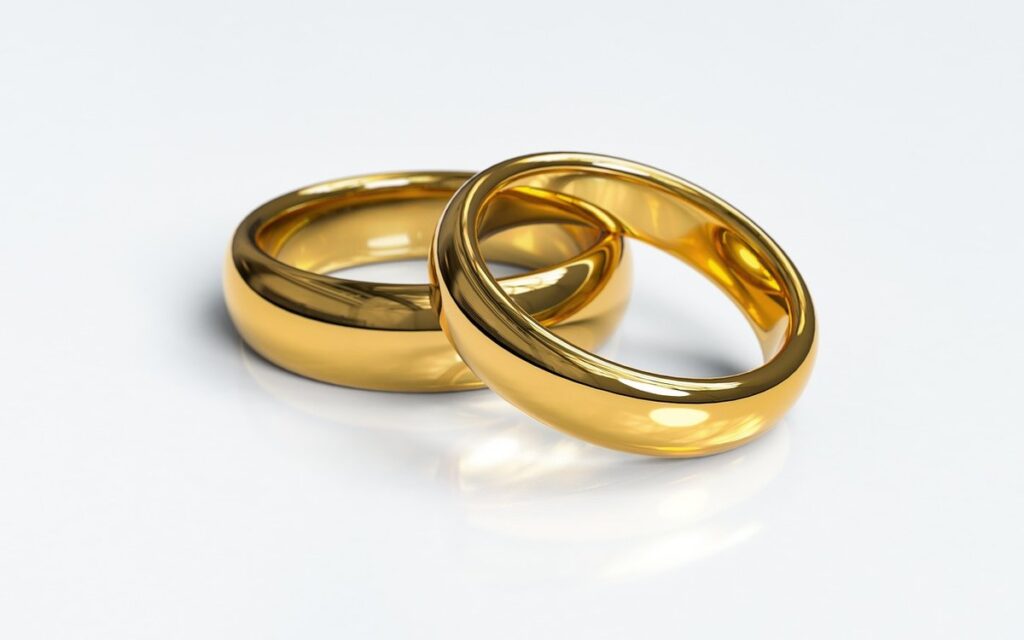
In medieval marriages, rings and tokens played a significant role in sealing the marital bond. The use of these symbols was deeply rooted in tradition and held great symbolic meaning. A wedding ring, often made of iron or gold, served as a physical representation of the couple’s commitment to one another. It signified their union and was a tangible reminder of the vows they had exchanged.
Tokens, such as small pieces of cloth or coins, were also exchanged during the ceremony. These tokens represented the couple’s promise to one another and served as a symbol of their love and loyalty. The use of these tokens varied depending on social class and regional customs, but their significance remained consistent: to solidify the bond between husband and wife.
Rings and tokens often held specific meanings based on their material or design. For example, iron rings were said to bring good fortune, while gold rings symbolized wealth and status. The choice of token also carried significance, with some couples opting for tokens that reflected their shared interests or hobbies. By incorporating these symbols into the marriage ceremony, medieval couples emphasized the importance of their vows and commitment to one another.
Social and Economic Aspects of Marriage Vows
Marriage vows in medieval times were not just a promise between two people, but also a social contract that affected their families’ economic stability. We’ll examine how these vows impacted the daily lives of those involved.
The Impact of Social Class on Marriage Choices
During the Middle Ages, social class played a significant role in determining marriage choices. Women from lower social classes often had limited options for marriage partners. For instance, a peasant woman might be married off to a fellow laborer or to someone of slightly higher status within their village. Conversely, women from noble families were typically matched with men from equivalent backgrounds, securing valuable alliances and inheritance.
The restricted options available to lower-class women are evident in the limited records of such marriages. These unions often resulted in more practical arrangements than romantic matches. In contrast, noble couples frequently exchanged vows with an emphasis on love, loyalty, and companionship.
To better understand the impact of social class on medieval marriage choices, consider the case of a 13th-century village where a lord’s daughter was married to a neighboring baron’s son. This union was largely arranged to secure a strategic alliance between their families. The couple’s vows likely reflected this pragmatic aspect of their marriage, with an emphasis on loyalty and duty rather than romantic love.
The Role of Economy in Arranged Marriages
Among the nobility and aristocracy, arranged marriages were often a strategic move to secure alliances, consolidate power, and maintain family fortunes. Economic stability was a key consideration, particularly when marrying into a higher or lower social class. A noblewoman’s dowry, typically consisting of land, goods, and sometimes even men-at-arms, could significantly impact her husband’s economic prospects.
To illustrate this, consider the marriage between Richard FitzRoy and Maud de Clare in 1266. King Henry III granted Richard a large sum of land and an annual stipend to marry into the powerful Clare family, securing a vital alliance with one of England’s most influential noble families. This arrangement was economically advantageous for both parties: Richard gained control over valuable lands, while the Clares secured a loyal vassal and potential military support.
For those seeking to understand how economy influenced medieval arranged marriages, consider the following factors: family wealth, land ownership, dowries, and titles. These economic considerations often took precedence over personal preferences or romantic interests, highlighting the practical aspects of marriage as a social and economic transaction rather than an emotional union.
Historical Examples of Medieval Marriage Vows
Medieval marriage vows varied widely depending on social class, location, and even the specific church officiating the ceremony. We’ll take a look at some historical examples of medieval marriage vows that showcase this diversity.
Famous Couples and Their Oaths
The famous couple of King Henry VIII and his second wife, Anne Boleyn, took their medieval marriage vows in a tumultuous ceremony at the Palace of Hampton Court. Before their union, Henry famously broke with Rome to marry Anne, citing the invalidity of his previous marriages due to lack of papal consent. Their wedding oath was significant, as it reflected the changing landscape of English politics and the rise of Protestantism. According to historical accounts, King Henry swore that he would “love, honor, and obey” Anne, a radical departure from traditional patriarchal norms.
Another notable example is the marriage between Geoffrey Chaucer’s son, Thomas, and Maud de Vere in 1360. Their union was marked by a lavish ceremony at Westminster Abbey, where the groom took an oath of loyalty to his bride. This bond was strengthened further with the exchange of rings, which symbolized their commitment to one another.
Not all medieval marriage vows were as elaborate or publicized. For instance, the union between Sir John de Mowbray and Elizabeth Segrave featured a more private ceremony at their family’s estate. Despite the varying circumstances surrounding these unions, one constant remained: the importance of oaths in sealing the bond between husband and wife.
The Story of Becket and de Clare
Thomas Becket, the Archbishop of Canterbury, and his wife Rohese de Clare were one of the most prominent couples of their time. Their union was significant not only for its nobility but also for the vows they exchanged. When Thomas Becket married Rohese de Clare, he took on a vow of fidelity, promising to love and cherish her above all others. This oath-taking was a common practice among medieval couples, particularly those of high social standing.
The story of Becket and de Clare highlights the importance of marriage vows in medieval society. These vows were not just empty promises but were seen as sacred obligations between husband and wife. The significance of their union can be attributed to its impact on medieval history. Becket’s vow of fidelity was a demonstration of his commitment to Rohese, which was essential for maintaining social harmony.
Becket’s marriage to de Clare also underscores the role of family alliances in medieval marriages. As a member of the powerful Clare family, Rohese brought significant connections and influence to their union. This strategic alliance was not uncommon during this period, as families often used marriage as a means to secure power and wealth. The Becket-de Clare marriage serves as an example of how these alliances were formed and maintained through vows and commitments made by the couple.
Modern-Day Legacy of Medieval Marriage Vows
Medieval marriage vows may seem like a relic of the past, but their influence on modern wedding traditions is still palpable. Many contemporary couples are unknowingly echoing these ancient vows in their own nuptials.
Evolution of Marriage Promises Over Time
Over time, medieval marriage vows have gradually evolved to incorporate more personal and romanticized elements. One notable shift is the transition from formal oaths to spoken promises. In medieval times, couples would often exchange vows in Latin, a language that was considered sacred. This practice has largely been replaced by exchanging vows in the couple’s native tongue. The trend towards more personalized marriage promises gained momentum during the Victorian era, where couples began incorporating individualized vows and sweet nothings into their wedding ceremonies.
Today, couples have even more creative freedom to craft unique promises that reflect their love story. Some opt for traditional phrases with a personal twist, while others choose to write entirely original vows from scratch. The key is to make the promises meaningful and authentic to the couple’s relationship. This can be achieved by drawing inspiration from shared experiences, inside jokes, or special memories. By doing so, couples can create a sense of intimacy and connection that resonates with their guests.
The Enduring Significance of Oath-Taking
Oath-taking has remained a vital component of modern weddings, transcending centuries to become an enduring symbol of commitment and loyalty. This ancient practice has evolved significantly since its medieval roots, but its core significance remains unchanged.
In modern times, the oath is often recited as a verbal promise, echoing the vows made by medieval couples. The language may have changed, but the essence remains the same: a public declaration of devotion to one’s partner. This ritual serves as a reminder that marriage is a lifelong commitment, requiring dedication and fidelity.
When crafting their own wedding oaths, couples can draw inspiration from historical examples. They might incorporate personal elements, such as shared values or inside jokes, to make the promise more meaningful. Some may choose to recite traditional vows, while others prefer to create their own unique language.
A few key considerations for modern couples include:
• Being clear about what they are promising
• Making the oath a joint effort, rather than an individual undertaking
• Finding ways to incorporate personal touches that reflect their relationship
Frequently Asked Questions
Can I use medieval marriage vows in my modern wedding ceremony?
Yes. While the specific language and customs may be adapted to fit your personal preferences and cultural background, incorporating elements of medieval marriage vows can add depth and meaning to your wedding ceremony. You could consider using a traditional vow of fidelity or incorporating symbolic tokens like rings to represent your commitment.
How do I know if my spouse-to-be is truly committed to me?
This can be a challenging question to answer definitively, but look for signs that they have considered the long-term implications of marriage and are willing to make sacrifices for you. It’s also essential to communicate openly with each other about your expectations and concerns.
What if I’m not from a noble or aristocratic background? Can medieval marriage vows still be relevant to me?
Yes, absolutely. While social class played a significant role in medieval marriages, the underlying principles of commitment and loyalty remain universal. You can draw inspiration from these historical examples and adapt them to fit your personal circumstances.
How do I incorporate oath-taking into my wedding ceremony?
You could consider having your officiant guide you through a formal vow or oath, using language that reflects the medieval tradition. Alternatively, you might choose to create your own unique vows that capture the essence of this practice while still feeling authentic and meaningful to you as a couple.
Can I use medieval marriage vows if my partner is not from the same cultural background?
While cultural differences can certainly present challenges in marriage, they shouldn’t necessarily preclude you from incorporating elements of medieval marriage vows. You might find that discussing your expectations and values with each other helps build a stronger foundation for your relationship, regardless of your individual backgrounds.