As the clock strikes midnight on December 31st, people from all corners of the globe gather to bid farewell to the old year and usher in the new one. But have you ever stopped to think about how different cultures celebrate this special occasion? From the reflective traditions of Japan’s Oshogatsu to the vibrant fireworks displays of Brazil’s Réveillon, the ways in which we mark the start of a new year are as diverse as they are fascinating. In some countries, it’s customary to eat 12 grapes at midnight for good luck, while in others, families gather around a table to share a meal and make wishes for the coming year. By exploring these unique customs and traditions, you’ll gain a fresh perspective on the way people from around the world celebrate the start of a new year, complete with its own set of superstitions and rituals.
Celebrations Before Midnight: Pre-New Year Traditions
Before the clock strikes midnight, many cultures around the world celebrate and prepare for the new year with unique pre-holiday traditions. We’ll take a closer look at some of these special customs.
Reflection and Resolution
In many cultures, the moments leading up to midnight on New Year’s Eve are dedicated to reflection and resolution. In Japan, for instance, families often hold a ” tokai” ceremony, where they write down past mistakes and then burn the papers to symbolize letting go of regrets. This practice encourages individuals to confront their shortcomings and make amends before embracing the new year.
In contrast, some cultures focus on forgiveness rather than self-reproach. In Brazil, for example, people often engage in “alforjas,” where they exchange gifts or small tokens with friends and family as a gesture of goodwill and apology. This tradition helps individuals release negative emotions and start fresh.
Whether it’s confronting mistakes or offering apologies, the common thread among these practices is the desire to leave past transgressions behind and move forward with clarity and purpose. By incorporating elements of reflection and forgiveness into your own New Year’s Eve celebrations, you can cultivate a sense of renewal and rejuvenation that carries over into the year ahead. Consider taking a few moments to reflect on what you’ve learned from the past year and how you can apply those lessons in the new one.
Spiritual Cleansing and Renewal
In many cultures, spiritual cleansing and renewal are essential practices before the start of a new year. In Japan, for instance, households thoroughly clean their homes from top to bottom, removing dust and dirt as if they were starting anew. This tradition is rooted in Shintoism, where cleanliness is believed to ward off evil spirits and bring good fortune.
In some African cultures, people take part in rituals that cleanse the body and spirit. In Ghana, for example, individuals may bathe with herbs or sacred water to purify themselves before the new year begins. Similarly, in India, many Hindus participate in the ritual of “Bath of Love,” where they bathe together on New Year’s Eve to wash away past mistakes and start fresh.
Whether it’s a physical cleansing of the home or a spiritual cleansing of the body, these practices serve as powerful reminders that every new year is an opportunity for renewal. Consider adopting a similar tradition in your own life – take time to declutter, meditate, or engage in other activities that promote mental and emotional clarity. This can help you enter the new year feeling refreshed and rejuvenated.
Countdown and Midnight Celebrations
From quiet countdowns in small villages to massive midnight fireworks displays, we’ll take you on a tour of how people around the world welcome the new year. Let’s start with the biggest celebrations first!
Global Fireworks Displays
Fireworks displays are a staple of New Year’s Eve celebrations worldwide. Major cities like Tokyo, Sydney, and New York City showcase elaborate fireworks exhibitions that attract millions of viewers. In Tokyo, Japan, the display is synchronized to music with intricate patterns and colors reflecting the city’s technological advancements.
In contrast, Rio de Janeiro, Brazil features a unique “Salgueiro” float parade accompanied by explosive pyrotechnics that illuminate the beaches. The vibrant displays in Rio are an integral part of the city’s Carnaval festivities, which merge New Year’s Eve celebrations with its pre-Lenten carnival traditions.
Singapore and Hong Kong also boast remarkable fireworks shows that often surpass those in Western cities due to their precision engineering and large budgets. For instance, Singapore’s Marina Bay area is transformed into a kaleidoscope of lights and sounds during the countdown celebration. Visitors can plan ahead by booking tickets for vantage points or joining designated viewing areas with restricted access.
These unique displays reflect each city’s distinct cultural identity while emphasizing collective anticipation and joy as the clock strikes midnight.
Family Gatherings and Traditional Foods
Family gatherings and traditional foods play a significant role in many countries’ New Year’s Eve celebrations. In Spain, for example, families typically come together to share a late-night meal of 12 grapes at midnight, one for each stroke of the clock. This tradition is believed to bring good luck and prosperity in the coming year.
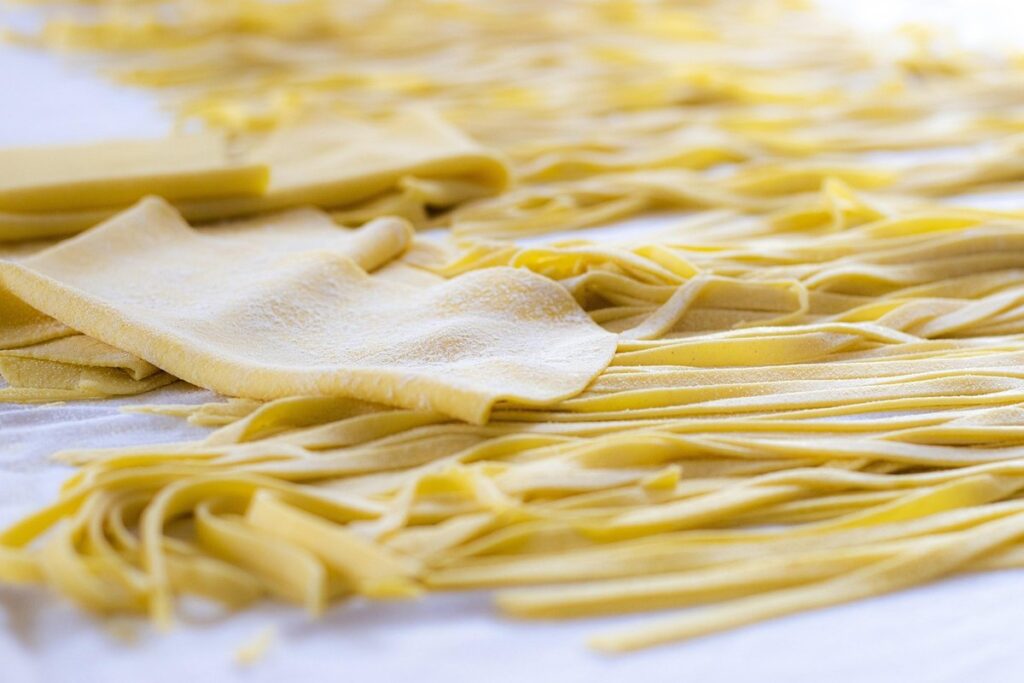
In Japan, families gather around a special dish called “Toshikoshi soba” which consists of long, thin noodles symbolizing longevity and good health. The noodles are typically eaten while making wishes for the new year.
Many Latin American countries also place great importance on family gatherings during New Year’s Eve. In Cuba, for instance, families gather around a table filled with traditional dishes such as black-eyed peas, rice, and plantains. These foods are believed to bring good fortune and abundance in the coming year.
When planning your own New Year’s Eve celebration, consider incorporating some of these traditional foods into your gathering. This can add a fun and meaningful touch to your celebrations and help create lasting memories with loved ones. Be sure to try the 12 grapes at midnight for a Spanish twist or serve up some long noodles for a Japanese-inspired meal.
Post-Midnight Traditions: Morning After Customs
As we recover from New Year’s Eve celebrations, let’s take a look at how people around the world tend to their morning after routines. From indulgent feasts to family gatherings, these customs are just as fascinating as the midnight festivities themselves.
Visiting Friends and Family (Kanpai or Santé)
In many cultures, visiting friends and family after midnight is a cherished tradition. In Japan, for example, it’s customary to visit shrines and temples to ring in the new year with prayers and good luck charms. The Japanese also exchange gifts of money, called “otoshidama,” which are meant to bring prosperity and happiness.
In some European countries, such as France and Italy, families gather around the dinner table to toast the new year with champagne or sparkling wine. In Spain and Portugal, people visit friends and family during the early hours of January 1st, often bearing gifts of food, flowers, or other treats.
When visiting friends and family in these cultures, it’s a good idea to respect local customs and traditions. For example, if you’re invited to join in a Japanese shrine visit, be prepared to participate in traditional rituals and offer prayers for the new year. In France, don’t forget to bring a bottle of champagne or wine to share with your hosts. By embracing these cultural practices, you’ll not only show respect but also create meaningful connections with the people and places you visit.
Cleaning and Decluttering
In many cultures, the start of a new year is an opportunity to cleanse and rejuvenate one’s surroundings. In Japan, for instance, it’s common to clean the home thoroughly before welcoming the new year, known as “oosouji.” This ritual involves not only dusting and polishing but also removing any unnecessary items that might bring bad luck or stagnation.
In Korea, people often get rid of unwanted items during the Seollal holiday, which falls in late January or early February. They believe getting rid of clutter helps to remove past mistakes and make room for new beginnings. This practice is especially true when it comes to household items like old furniture, clothes, and kitchenware.
To incorporate this custom into your own New Year’s traditions, consider doing a thorough decluttering of your home before the celebrations begin. Go through each room, sorting items into keep, donate, or discard piles. Be ruthless about getting rid of anything that no longer serves you or brings unnecessary stress. This will help you start the new year with a clear mind and a fresh environment.
Symbolic Start: First Day of the Year Traditions
As we welcome the new year, different cultures around the globe have their own unique ways to ring in January 1st, making every first day a vibrant celebration. Let’s take a look at some fascinating start-of-year traditions from around the world.
Lucky Foods and Fruits
In many cultures, the first day of the year is a time to consume specific foods and fruits believed to bring good fortune, prosperity, or other auspicious qualities. In Japan, for example, it’s customary to eat “toshikoshi soba” noodles on New Year’s Eve, which are thought to lengthen one’s life. Similarly, in many Latin American countries, eating twelve grapes at midnight is a tradition that’s believed to bring good luck and prosperity.
In Italy, lentils are considered a lucky food because of their resemblance to coins, symbolizing wealth and abundance. In some parts of the world, such as Thailand and Cambodia, sticky rice is a staple New Year’s food, often served with various sweet and savory dishes. In China, long noodles or “jiaozi” dumplings are eaten on the first day of the year, representing longevity and good fortune.
These foods and fruits serve as symbols of hope and renewal, providing a tangible connection to the past while embracing the promise of a new beginning. By incorporating these lucky foods into your New Year’s celebrations, you can tap into the cultural significance and intention behind them, creating a more meaningful and auspicious start to the year.
Dress Codes and Colors
In many cultures, the colors worn on New Year’s Day hold significant meaning and are believed to influence the coming year. In Japan, for instance, people often wear white to symbolize purification and good luck. Meanwhile, in Korea, traditional attire is usually red or pink to ward off evil spirits.
Similarly, in some African countries, it’s customary to don bright colors like yellow or orange, which are associated with positivity and prosperity. In Brazil, purple is a popular choice for New Year’s Day, as it’s believed to attract good fortune. Conversely, in many Asian cultures, avoiding certain colors altogether – such as black or white (in some cases) – is thought to prevent bad luck.
If you’re looking to incorporate symbolic color choices into your own New Year celebrations, consider the cultural context and intended meaning behind each hue. In some cases, specific colors may be associated with particular traditions or superstitions; research the local customs to make an informed choice. By doing so, you can tap into the rich symbolism surrounding these special days and potentially imbue your celebration with a little extra luck.
Superstition and Beliefs: Taboos and Omens
When it comes to new year’s superstitions, some cultures believe certain actions can either bring good fortune or ward off bad luck, while others fear specific omens. For example, in many countries, seeing a black cat on New Year’s Day is considered unlucky.
Avoidance of Certain Activities
In many cultures, New Year’s Day is a time to avoid certain activities believed to bring bad luck. For example, in Japan and China, it’s customary not to lend money on January 1st, as this can lead to financial difficulties throughout the year. Similarly, in Korea, people are advised against sweeping or cleaning their homes on New Year’s Day, as this can sweep away good fortune.
In some cultures, avoiding certain foods is also a way to ward off bad luck. In many European countries, it’s believed that eating black-eyed beans or lentils on New Year’s Day will bring poverty throughout the year. In other parts of Europe, consuming 12 grapes at midnight is seen as a way to ensure good luck and prosperity in the coming year.
It’s also common for people to avoid breaking dishes or glassware on New Year’s Day, as this can signal a year filled with tears and sorrow. To maintain good fortune, it’s recommended that individuals handle fragile items with care and attention on January 1st. By being mindful of these superstitions, you can help ensure a prosperous and fortunate new year.
Good Luck Charms and Amulets
In many cultures, people turn to good luck charms and amulets to bring prosperity and protection into the new year. One common practice is wearing specific jewelry, such as a horseshoe-shaped pendant or a four-leaf clover ring. In Ireland and Scotland, for example, it’s believed that carrying a small piece of moss from a first-time mother’s house will bring good fortune and ward off evil spirits.
In some Asian cultures, red underwear is worn on New Year’s Eve to attract good luck and drive away bad energy. This superstition is particularly prevalent in China and Taiwan, where couples often exchange matching red undies as a symbol of love and prosperity. To incorporate this practice into your own celebrations, consider gifting loved ones with a pair of lucky red briefs or boxers.
In Africa and the Caribbean, small tokens such as cowry shells or coral beads are believed to possess protective powers and bring good luck. You can carry one in your pocket or display it on a charm bracelet to tap into these auspicious energies.
Unique Regional Celebrations
From tiny villages in Japan to bustling cities in Brazil, each region has its own distinct way of ringing in the new year. Let’s take a closer look at some of these fascinating customs.
Chinese New Year (Spring Festival)
Chinese New Year, also known as Spring Festival, is one of Asia’s most significant and colorful celebrations. The 15-day festivities typically begin on the second new moon after the winter solstice and end with the Lantern Festival. During this time, families come together to pay respects to their ancestors, a tradition that dates back over 3,000 years.
One of the most iconic Chinese New Year customs is the lion dance. Performed by teams of skilled dancers, these vibrant performances are meant to ward off evil spirits and bring good luck. Lion dances often feature acrobatic moves and impressive footwork, making them a thrilling experience for spectators. Another important tradition is the exchange of red envelopes containing money, known as hongbao or lai see. These symbolic gifts are meant to bestow blessings and wishes for prosperity in the coming year.
To participate in Chinese New Year traditions effectively, consider learning basic phrases like “gōng xǐ fā cái” (happy new year) and “xì nian huān yù” (wishing you a happy new year). Attending local parades or festivities is also an excellent way to immerse yourself in the culture. When giving red envelopes, remember to include a crisp banknote or some coins inside, as the number of digits represents a significant aspect of Chinese numerology.
Japanese Oshogatsu Traditions
Visiting shrines and temples during Oshogatsu is a deeply ingrained tradition in Japan. Many people visit these sacred sites to pray for good luck, health, and prosperity in the coming year. This practice, known as hatsumode, marks one of the first New Year’s visits of the season.
Upon arrival, visitors typically purchase an omamori, a small charm or amulet tied with a ribbon, which serves as a symbol of their prayer. The most famous destination for hatsumode is probably Tokyo’s Meiji Shrine, which attracts millions of visitors annually. However, smaller shrines and temples are also popular destinations.
For those looking to experience Oshogatsu traditions firsthand, it’s essential to plan ahead. Travelers often visit these sites early in the morning or late at night to avoid crowds. Visitors should also be respectful of local customs and traditions by dressing modestly and removing their shoes before entering the temple or shrine. A small donation or prayer is also considered a kind gesture towards the community.
Historical Significance: Origins and Evolution
Many New Year customs have roots that date back centuries, shaped by a culture’s history, traditions, and often their connection to mythology. Let’s explore where these customs originated.
Ancient Roman Festivals (Ianuarius)
The ancient Roman festival of Ianuarius, celebrated from January 1st to 3rd, laid the groundwork for many modern New Year customs. At its core, Ianuarius was a time for purification and renewal, marked by rituals aimed at cleansing the past year’s mistakes and ushering in a fresh start. Romans would offer sacrifices to the gods, cleanse their homes with sacred water, and wear new clothes to symbolize rebirth. These themes of spiritual rejuvenation are still echoed today.
Many modern New Year traditions have roots in Ianuarius’ emphasis on renewal. For instance, exchanging gifts and wearing new attire on January 1st originated from Roman customs. Similarly, the act of “spring cleaning” has its predecessor in ancient Rome’s home purification rituals. By acknowledging these historical connections, you can tap into a rich cultural heritage that continues to inspire modern celebrations. When observing New Year traditions, consider incorporating elements of ancient Roman festivals – such as offering small gifts or wearing new clothing – to infuse your celebration with history and meaning.
Modern Developments: Globalization of Celebrations
In recent years, globalization has significantly impacted traditional New Year’s customs. As international travel and communication become increasingly accessible, people are exposed to diverse cultural practices and incorporate them into their own celebrations. For instance, many countries have adopted the Western tradition of countdowns and fireworks on December 31st, often blending it with their unique local festivities. In some parts of Asia, for example, New Year’s Eve is celebrated over a three-day period, with each day marked by its own distinct customs.
This fusion of traditions has led to the development of new hybrid celebrations. In cities like New York and London, large-scale international events are held, featuring music, food, and cultural performances from around the world. When planning your own New Year’s celebration, consider embracing this trend. You could incorporate elements from different cultures into your own festivities, creating a unique and dynamic atmosphere. By doing so, you’ll not only be reflecting the global spirit of the holiday but also adding a personal touch to your celebrations.
Frequently Asked Questions
How Can I Incorporate Global New Year Traditions into My Own Celebrations?
You can incorporate global New Year traditions into your own celebrations by researching and selecting customs that resonate with you. Start by identifying the core values behind each tradition, such as renewal or family bonding. Then, adapt these principles to create meaningful experiences for yourself and your loved ones. For instance, host a meal inspired by a specific culture’s traditional foods, or participate in a symbolic cleansing ritual like smudging.
What If I Don’t Want to Follow the Traditional Food Rules but Still Want to Celebrate with Family?
You don’t have to strictly adhere to traditional food rules if you’re not comfortable with them. Instead, use this opportunity to explore new culinary experiences and create your own fusion dishes that blend different cultures. Communicate with your family about any dietary preferences or restrictions, and work together to find a compromise that still honors the spirit of the celebration.
Can I Combine Multiple New Year’s Traditions into One Celebration?
Yes! Combining multiple traditions can add richness and depth to your celebrations. Choose customs from different cultures that align with your values and interests, and adapt them in a way that feels authentic and meaningful to you. For example, incorporate elements of Chinese New Year (such as giving red envelopes) alongside Brazilian-style fireworks displays.
Are There Any New Year’s Traditions That Can Be Adapted for People with Mobility or Accessibility Issues?
Yes! Many traditional customs can be adapted to accommodate people with mobility or accessibility issues. Consider hosting a virtual celebration where participants can engage in symbolic activities, like lighting virtual candles or participating in online cleansing rituals. Alternatively, look into low-key, home-based traditions that don’t require extensive physical exertion.
How Can I Create My Own Personal New Year’s Traditions That Reflect My Values and Interests?
To create your own personal New Year’s traditions, reflect on what matters most to you and explore ways to integrate those values into your celebrations. Consider what rituals or activities would help you feel more connected to yourself, others, or the world around you. Be creative and flexible – your unique traditions should bring joy and meaning to your life!