
The Macedonian language has a rich history that spans centuries, with roots tracing back to ancient Illyrian dialects spoken in the region. Despite its long existence, this Slavic language is often overlooked in favor of more prominent European languages. However, efforts are underway to revitalize and preserve the Macedonian tongue. From its unique grammar and phonetics to its modern-day revitalization efforts, exploring the language’s history and evolution provides a fascinating glimpse into the region’s cultural heritage. As you learn about the ancient roots of the Macedonian language and its continued use in North Macedonia today, you’ll discover why preserving this language is essential for maintaining the country’s distinct identity. This article will delve into the grammar, vocabulary, and preservation efforts surrounding the Macedonian language, providing insights that can help support its revival and ensure its continued relevance.
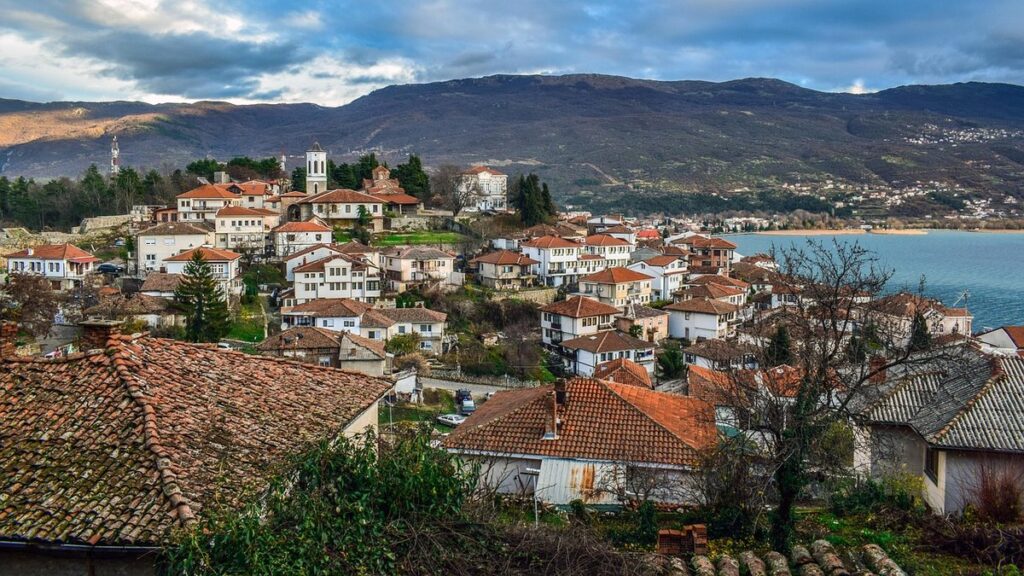
History and Origins of the Macedonian Language
The roots of the Macedonian language date back centuries, evolving from a mix of ancient tongues spoken by the region’s early inhabitants. Let’s take a closer look at how this unique language developed over time.
The Ancient Roots of the Macedonian Language
The Macedonian language has its roots in ancient languages such as Old Church Slavonic and the dialects spoken by the Illyrians. The Illyrian people inhabited a vast territory stretching from modern-day Albania to parts of North Macedonia, with their distinct dialects influencing the development of the Macedonian language.
Old Church Slavonic, which emerged during the 9th century, also played a significant role in shaping the Macedonian language. As the primary liturgical language of the Orthodox Church in medieval Bulgaria and Serbia, it helped spread Slavic languages throughout the region. The Macedonian language absorbed many Old Church Slavonic loanwords, particularly in fields such as law, medicine, and theology.
The dialects spoken by the Illyrians and the influence of Old Church Slavonic are still evident in modern Macedonian vocabulary and grammar. For instance, the word for “father” (таат, tata) is derived from the Illyrian root “tat,” while many nouns and adjectives retain their Slavic prefixes and suffixes. Understanding these ancient roots helps us appreciate the complexities of the Macedonian language’s evolution and its position within the broader Slavic linguistic family.
The Role of Cyrillic Alphabet in Shaping the Macedonian Language
The adoption of the Cyrillic alphabet in North Macedonia had a profound impact on the standardization and evolution of the Macedonian language. Prior to this shift, the language was written using the Glagolitic alphabet, which was introduced by the Bulgarian Orthodox Church in the 10th century. However, with the establishment of an independent state in 1991, the government decided to adopt the Cyrillic script as the official writing system for Macedonian.
This decision was not made lightly, and it had significant cultural and historical implications. The Cyrillic alphabet brought a level of standardization to the language that was previously lacking. Before its adoption, there were various regional dialects and variations in writing systems used across different regions. The introduction of the Cyrillic script helped to create a unified written form of Macedonian, which facilitated education, literature, and communication.
The shift to Cyrillic also reflected the country’s cultural ties with other Slavic nations that use this alphabet, such as Bulgaria and Serbia. Today, the Cyrillic script remains an essential part of Macedonian identity and is used in all official contexts, including education, government, and media.
Phonology and Grammar of the Macedonian Language
The sounds, structures, and rules that shape the Macedonian language are what make it so unique and expressive. Let’s take a closer look at how phonology and grammar come together to form this fascinating tongue.
Consonant and Vowel Sounds in Macedonian
The Macedonian language features a distinct set of consonant and vowel sounds that are unique among Slavic languages. One notable characteristic is the presence of palatalization, where consonants like “t” and “d” become soft and almost like “j” or “zh” when paired with vowels. For example, the word “žbuka” (pronounced zh-boo-kah) showcases this phenomenon.
In comparison to other Slavic languages, Macedonian has a relatively simple vowel system with five basic sounds: /a/, /e/, /i/, /o/, and /u/. However, these vowels can change pronunciation depending on their position within a word. For instance, the “e” in “telo” (body) is pronounced more like “eh”, whereas in “keto” (little), it’s closer to “eh-oh”.
Macedonian also has a range of consonant clusters that are not found in other Slavic languages. These include combinations like /ts/, /dz/, and /dʒ/ which can be challenging for non-native speakers to pronounce accurately. When learning Macedonian, paying attention to these distinctive sounds is crucial for proper pronunciation.
Noun and Verb Inflection in Macedonian Grammar
Macedonian grammar is characterized by its complex system of noun and verb inflection. There are seven cases in total: nominative, accusative, genitive, dative, ablative, locative, and vocative. Each case has specific grammatical functions and is used to indicate the relationship between a noun or pronoun and other words in a sentence.
For example, the nominative case is used to identify the subject of a sentence, while the accusative case is used for objects directly affected by the action described by the verb. In contrast, the genitive case is used to express possession or relationship, as in “kuce e moja” (the house is mine). The dative case is used for indirect objects and recipients of an action.
Verb inflection in Macedonian follows a similar pattern, with different conjugations for each tense and mood. For instance, the present simple tense has three main conjugation patterns: first person singular (e.g., “ja kam”), second person singular (e.g., “ti iš”), and third person singular (e.g., “on/ona e”). Understanding these inflectional patterns is crucial for accurately conveying meaning in written and spoken Macedonian.
Vocabulary and Lexical Influences
The North Macedonian language has borrowed words from various languages, including Slavic dialects and Turkish, reflecting its complex linguistic heritage. We’ll explore these influences in more detail below.
Loanwords and Calques from Other Languages
The Macedonian language has borrowed a significant number of words from other languages, particularly Greek, Turkish, and Italian. This is due to historical interactions between North Macedonia and its neighboring countries. For instance, many Greek loanwords entered the Macedonian vocabulary during the Ottoman period, when the region was under Greek rule. Words such as “kafene” (coffeehouse) and “tsipura” (raki, a type of fruit brandy) demonstrate this influence.
Calques, or loan translations, also occur frequently in Macedonian. These are words that have been adapted from other languages but retain their original meaning. A good example is the word for “telephone”, which comes from Greek and means literally “far-sounding”. This process of borrowing and adaptation reflects the cultural exchange between North Macedonia and its neighbors.
The presence of loanwords and calques can also provide insights into the historical context in which they were adopted. For instance, the abundance of Turkish loanwords during the Ottoman period suggests a significant level of interaction and influence during that time. By examining these borrowings, it’s possible to gain a deeper understanding of North Macedonia’s linguistic and cultural heritage.
Native Macedonian Roots and Suffixes
The native Macedonian roots and suffixes are an essential part of the language’s linguistic heritage. Many words in North Macedonia’s vocabulary have prefixes and suffixes derived from ancient languages such as Latin, Greek, and Slavic. For example, the word “krevet” (кревет), meaning bed or mattress, has a root that comes from the Slavic word for pillow.
Other examples of native Macedonian roots include “solzi” (солзи), which means tears, derived from the Proto-Slavic word for tear, and “voda” (вода), meaning water, originating from the Proto-Indo-European root for liquid. The suffix “-en” is often used to form nouns, as seen in words like “džen” (џен), meaning joy.
To recognize native Macedonian roots and suffixes, pay attention to word endings and prefixes. For instance, many words related to emotions end with the suffix “-ot”, such as “soten” (сoтeн), which means sadness. Familiarizing yourself with these patterns will help you understand the language’s nuances and improve your vocabulary retention.
Dialects and Regional Variations
The language of North Macedonia is not uniform, with dialects and regional variations playing a significant role in its rich linguistic heritage. Let’s take a closer look at how these differences shape the country’s unique linguistic identity.
Overview of Major Macedonian Dialects
The Macedonian language has a rich dialectical diversity, with several major dialects spoken within North Macedonia. The most prominent of these are: Torlakian, spoken in the south and southeast regions; Vardarian, prevalent in the central part of the country; and Eastern Upper dialect, widely spoken in the eastern mountainous regions. Each of these dialects exhibits distinct phonological, grammatical, and lexical features that set them apart from standard Macedonian.
Notably, Torlakian is often cited as being closer to Bulgarian due to its shared vocabulary and grammatical structures, whereas Vardarian retains strong links with the literary norm. Eastern Upper dialect, meanwhile, shows evidence of Turkish influence in its vocabulary. When interacting with native speakers from different regions, it’s essential to be aware of these variations to avoid misunderstandings. Travelers can also take this opportunity to engage more meaningfully with locals by acknowledging and respecting their regional accents.
The Impact of Migration on Macedonian Dialects
Migration has played a significant role in shaping Macedonian dialects. Emigration from North Macedonia to other countries, such as Australia, Germany, and the United States, led to the creation of expatriate communities that maintained their cultural heritage, including language. As these communities grew, they developed distinct linguistic features due to interactions with local languages.
For instance, Macedonians in Australia have incorporated English loanwords into their dialects, while those in Germany have adopted Germanic inflections. These changes are not limited to vocabulary; migrants have also influenced the pronunciation of their homeland dialects upon return.
Return migration has brought about another phenomenon: the blending of previously distinct dialects. As individuals from different regions of North Macedonia interact and intermarry, their dialects converge, creating new linguistic varieties. This process is most pronounced in urban areas like Skopje, where people from various rural backgrounds come together, exchanging words, phrases, and pronunciation patterns.
In some cases, return migrants have also revived archaic features in their dialects, bringing attention to the country’s rich linguistic diversity. However, this phenomenon also poses a challenge: preserving regional identities within a unified Macedonian language.
Language Revitalization Efforts
North Macedonia is actively working to preserve its linguistic heritage, and one notable initiative involves revitalizing endangered dialects. Efforts focus on language documentation, education, and community engagement.
Challenges Facing Macedonian Language Preservation
Macedonian language preservation faces significant challenges due to a decline in proficiency among younger generations. One key issue is limited exposure to Macedonian language and culture in education. While it’s compulsory for students to learn the language at school, many educational institutions prioritize other subjects or rely on outdated teaching methods, resulting in inadequate language instruction.
Inadequate media representation also contributes to the erosion of the Macedonian language. News broadcasts, films, and television shows are often produced in a mix of languages, with Macedonian taking a backseat. This lack of exposure limits opportunities for young people to engage with the language outside the classroom.
The consequences of these challenges are evident: according to recent surveys, most young people prefer to communicate in other languages, particularly English or Albanian. Furthermore, older generations often struggle to find suitable materials or resources to teach their children at home.
To combat this trend, community-led initiatives have emerged to promote Macedonian language revitalization. These efforts aim to create engaging educational content and foster a sense of linguistic pride among young people. However, more work is needed to address the systemic issues driving the decline in Macedonian language proficiency.
Community-Led Initiatives for Macedonian Language Revitalization
Community-led initiatives have been instrumental in promoting the Macedonian language and cultural heritage. For instance, the “Makedonski jazik” (Macedonian Language) festival, held annually in Skopje, features workshops, concerts, and poetry readings that showcase the richness of the language. Similarly, local communities have established language classes for children and adults, often in collaboration with schools and libraries.
These initiatives not only provide a platform for language enthusiasts to come together but also offer opportunities for language learners to engage with native speakers. The online platform “Makedonški govornici” (Macedonian Speakers) connects Macedonian language learners with native speakers from around the world, facilitating language exchange and practice. Additionally, social media groups dedicated to promoting the Macedonian language have gained significant traction, with members sharing language learning resources, cultural events, and traditional recipes.
By leveraging digital tools and community engagement, these initiatives demonstrate innovative approaches to revitalizing linguistic heritage. For those interested in supporting community-led language preservation efforts, consider volunteering for local language classes or contributing to online forums dedicated to promoting the Macedonian language.
Conclusion: The Vitality of the Macedonian Language
As we conclude our comprehensive guide to North Macedonia’s language, let’s reflect on the significance and vitality of Macedonian in its cultural identity. Its preservation is crucial for the nation’s heritage.
Preserving Cultural Identity Through Language
Preserving cultural identity through language is a delicate yet crucial process. The Macedonian language serves as a tangible connection to North Macedonia’s rich heritage and history. By preserving its nuances and intricacies, the community can safeguard its national identity for future generations.
Language is often at the forefront of cultural preservation efforts. In North Macedonia, this means protecting the unique vocabulary, grammar, and idioms that distinguish the Macedonian language from others. One way to do this is through language documentation – recording native speakers’ stories, folklore, and everyday conversations to create a linguistic record of the community’s experiences.
This process not only helps preserve cultural heritage but also promotes intergenerational connections within the community. By engaging younger generations with their ancestral tongue, families can strengthen bonds and foster a sense of shared identity. Language schools and community programs play a vital role in this effort, offering language classes and workshops that cater to diverse learning styles and needs.
Ultimately, preserving the Macedonian language is about more than mere linguistic preservation – it’s about safeguarding the very fabric of North Macedonia’s cultural identity.
Recommendations for Supporting Macedonian Language Preservation
To safeguard the Macedonian language, policymakers can establish and fund language schools and programs that focus on preserving traditional dialects. These institutions should prioritize community involvement and hire local teachers who are fluent in the regional dialects. Educators can integrate Macedonian language and culture into school curricula, starting from early childhood education to ensure a strong foundation for future generations.
Individuals can contribute by learning basic phrases and vocabulary through online resources or local classes. They can also participate in community events and festivals that promote the use of Macedonian language and culture. For example, individuals can attend traditional folk music performances or join local language exchange programs. By taking these steps, individuals can demonstrate their support for the Macedonian language and encourage others to do the same.
Policymakers, educators, and individuals should collaborate on developing a comprehensive plan for Macedonian language preservation. This plan could include setting language standards for public services, promoting language use in media and advertising, and providing incentives for businesses that adopt Macedonian as an official language. By working together, we can ensure the continued vitality of the Macedonian language and preserve its cultural significance for future generations.
Frequently Asked Questions
Can I use Macedonian language resources from neighboring countries?
Yes, many online resources and language learning materials for Macedonian come from institutions in North Macedonia or its neighbors. However, be aware that dialects may vary, and pronunciation might differ slightly due to regional influences. To ensure a standard Macedonian experience, look for official North Macedonian government websites, educational institutions, or reputable language schools.
How can I support the revitalization efforts as an individual?
You can contribute by learning and promoting the Macedonian language in your community. Participate in local cultural events that celebrate Macedonian heritage, attend language classes or workshops, and share resources on social media to raise awareness about the importance of preserving the language. Consider volunteering with organizations focused on language preservation or supporting initiatives through donations.
Can I teach myself Macedonian using online courses or textbooks?
Yes, there are various online resources and textbooks available for learning Macedonian. However, keep in mind that self-study might not provide the same level of support as a classroom setting, especially when it comes to pronunciation and grammar nuances. Consider supplementing your learning with language exchange programs, tutors, or practice groups for more effective improvement.
How do I know if my child is making progress in learning Macedonian?
Monitor their participation in language classes, their willingness to engage in conversations at home, and observe improvements in reading and writing skills. Additionally, pay attention to any increased interest in Macedonian culture and traditions, as this can indicate a deeper connection to the language and heritage.
What if I encounter difficulties with the Cyrillic alphabet?
If you struggle with the Cyrillic alphabet, practice regularly and start with simple texts like news headlines or children’s stories. You can also use online tools that provide interactive lessons, quizzes, and exercises to help improve your recognition of Cyrillic characters. Consider enlisting a tutor or language exchange partner for personalized guidance on mastering this essential part of the Macedonian language.

