The traditional account of the Plimoth Patuxet Thanksgiving has been passed down for generations, but beneath its surface lies a complex and often distorted history. You may have heard that the Pilgrims’ 1621 harvest celebration marked a moment of unity between European settlers and Native Americans, but this narrative has been repeatedly challenged by historians and Native American communities alike. The reality is far more nuanced, with the Wampanoag tribe playing a crucial role in the early years of Plymouth Colony’s survival. As we revisit the Plimoth Patuxet Thanksgiving story, it’s essential to separate fact from fiction and consider its cultural impact on Native American communities. This article will explore the events leading up to the 1621 celebration and examine the ways in which this historical event has been perceived and portrayed over time, allowing you to gain a more accurate understanding of its significance.
Understanding the Historical Context
To truly grasp the significance of the Plimoth Patuxet Thanksgiving, it’s essential to understand the complex historical context surrounding this pivotal event in American history. Let’s examine the events leading up to the infamous harvest celebration.
The Wampanoag and English Encounter
In 1620, the Mayflower arrived on the shores of Cape Cod, bringing with it a group of English Separatists seeking to establish a new life in the New World. This event marked the beginning of the Wampanoag and English encounter, which would have far-reaching consequences for both parties.
The Wampanoag tribe had inhabited the region for thousands of years, developing a sophisticated system of agriculture and trade with neighboring tribes. In contrast, the English colonists were largely unprepared to adapt to the harsh New England environment and its native inhabitants. The two groups’ vastly different cultures and ways of life set the stage for an encounter that would be marked by both cooperation and tension.
The arrival of the Mayflower was not a singular event, but rather one part of a larger pattern of European exploration and settlement in the region. This complex historical context is often overlooked in popular accounts of the first Thanksgiving, which tend to focus on the alleged “friendship” between the English colonists and the Wampanoag leader Massasoit. A more nuanced understanding of this period reveals that the relationship between these groups was shaped by a range of factors, including power dynamics, cultural differences, and the struggle for resources.
The Treaty of Plymouth and its Significance
In 1621, Massasoit, leader of the Wampanoag tribe, and William Bradford, governor of the Plymouth Colony, signed a treaty establishing a peace agreement between their respective groups. This pact not only ensured the survival of both parties but also facilitated mutual benefits through trade and alliances.
The treaty’s significance lies in its recognition of the interdependence between the English colonists and the Wampanoag people. Massasoit provided crucial support to the Plymouth Colony, helping them adapt to the new environment and overcome initial struggles with food production. In return, Bradford acknowledged the Wampanoag as equals, rather than vassals or subjects.
One key aspect of this treaty is its focus on long-term cooperation rather than short-term gains. While the immediate benefits for both parties were evident – the English gained access to land and resources, while the Wampanoag secured trade partnerships and military support – the true value lay in the peace and stability it brought to the region.
The Treaty of Plymouth serves as a testament to the complex, nuanced relationships between European colonizers and Native American tribes. By examining this treaty, we can better understand the intricate dynamics at play during this period and work towards a more accurate representation of history.
Misconceptions About the First Thanksgiving
Many people assume that the first Thanksgiving was a joyful celebration, but some common misconceptions have been perpetuated through history and media. Let’s examine three myths that don’t quite add up to reality.
Debunking the Traditional Narrative
Historians and educators often perpetuate a romanticized narrative about the first Thanksgiving, but it’s essential to separate fact from fiction. The traditional account suggests that the Pilgrims and Wampanoag came together for a harmonious feast in 1621, with all parties enjoying a mutually beneficial relationship.
However, this portrayal is oversimplified. In reality, the timing of the harvest celebration is uncertain, and it’s unlikely to have been a single event as depicted in popular culture. The actual gathering was probably more of an informal meal between English colonists and Wampanoag leaders, including Massasoit and Squanto.
The attendees were also not representative of the broader community. It’s estimated that only about 50 Pilgrims attended, along with around 90 Wampanoag. This selective representation has contributed to the mythologizing of the event. Furthermore, the purpose of the gathering was likely more practical than symbolic – a time for English and Wampanoag leaders to solidify their alliance and discuss trade agreements.
To accurately portray this complex history, it’s essential to present a nuanced narrative that acknowledges both the cooperation and tension between European colonizers and Native American communities. By doing so, we can work towards a more inclusive understanding of the past and its ongoing impact on contemporary society.
The Role of Squanto in American History
Squanto, also known as Samoset, played a pivotal role in mediating between the English colonists and the Wampanoag tribe. He was an English-speaking member of the Patuxet band, who had previously encountered European fishermen. Squanto’s fluency in English allowed him to communicate with the Pilgrims, facilitating trade and diplomacy. His influence on the colonists cannot be overstated; he taught them agricultural techniques, helped establish fishing grounds, and even served as a guide during their early years.
The most significant example of Squanto’s impact is his involvement in the Treaty of Plymouth. He acted as an intermediary, ensuring that both parties understood each other’s intentions and obligations. This treaty was crucial in establishing a fragile peace between the English and Wampanoag, which would last for over 50 years. Unfortunately, Squanto’s life ended tragically; he died shortly after contracting pneumonia, likely due to exposure to European diseases to which he had no immunity. His passing had significant consequences for the Wampanoag tribe, who struggled to maintain their relationship with the English without his guidance.
The Plimoth Patuxet Colony: Life and Struggles
Life in the Plimoth Patuxet colony was marked by struggle, disease, and famine, as the early settlers battled to establish a foothold in the New World. Let’s take a closer look at their daily lives and challenges.
Establishing the Colony and its Challenges
Establishing a settlement in the harsh winter of 1620-21 proved to be a daunting task for the Plymouth colonists. Disease swept through the colony, claiming the lives of over half of its members within the first year. Malnutrition was rampant due to crop failures and inadequate storage facilities. The winter was particularly brutal, with temperatures often below freezing and snowdrifts reaching as high as 6 feet.
To make matters worse, the colonists struggled to adapt to their new surroundings. They lacked experience in farming and had no clear understanding of the local ecosystem. This led to conflicts over resources and land use with the Wampanoag tribe, who had been living in the area for centuries. The tensions between the two groups were further complicated by language barriers and differing cultural practices.
The colonists’ lack of preparedness and inadequate planning exacerbated their struggles. They failed to bring sufficient food, tools, and building materials, forcing them to rely on the Wampanoag for assistance. This dependence created an expectation of reciprocity, which would later contribute to tensions between the two groups.
Relations with the Wampanoag: Cooperation and Tension
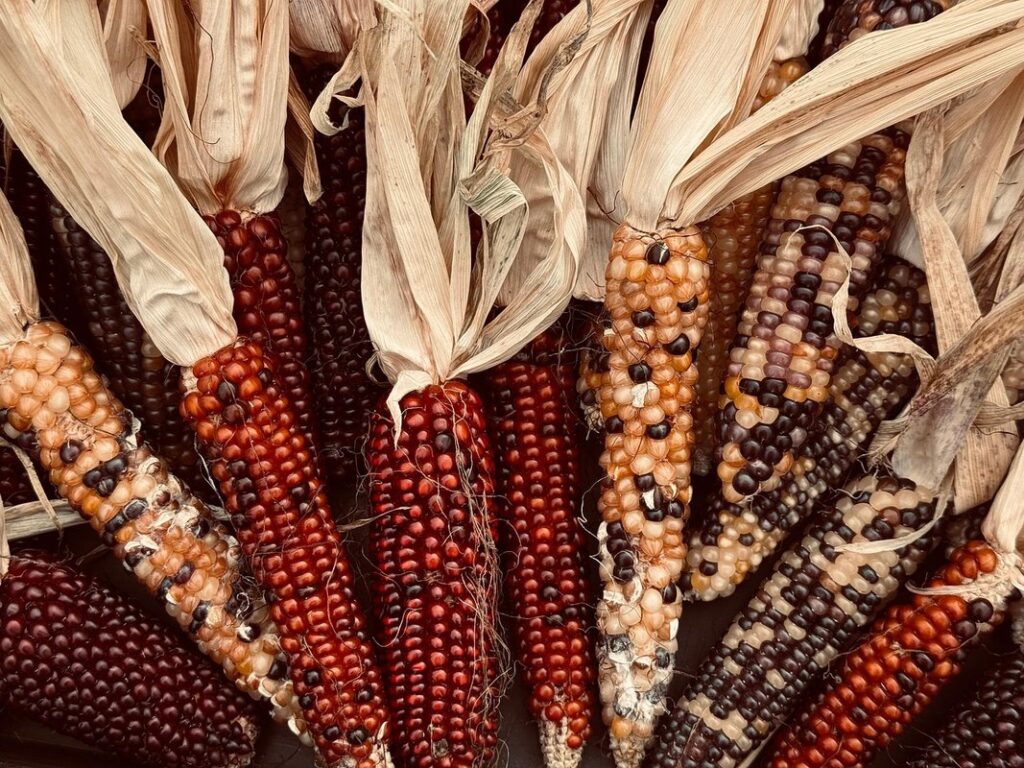
While the English and Wampanoag initially formed an alliance to promote mutual understanding and trade, their relationship was complex and marked by periods of cooperation and tension. The two groups shared knowledge about farming techniques, with the English learning from the Wampanoag how to plant corn in mounds, which improved crop yields. This agricultural sharing helped both parties during the early years of the colony.
However, there were also moments of disagreement over land use. The English colonists’ desire for more space and resources led them to encroach upon Wampanoag lands, causing friction between the two groups. Squanto’s role as a mediator was crucial in preventing these conflicts from escalating into violence. Despite their differences, both parties recognized the benefits of maintaining peace.
It’s essential to note that the Wampanoag had no concept of private property or individual land ownership. Their society functioned on a system of shared resources and communal decision-making. This cultural disconnect contributed to tensions between the English and Wampanoag, as the colonists struggled to understand and respect these differences.
Thanksgiving as a Cultural Phenomenon
Thanksgiving has become a deeply ingrained cultural tradition, but its significance and meaning have evolved over time to encompass far more than just a historical event. Let’s examine how this holiday has been shaped by societal influences and cultural norms.
Evolution of the Holiday Over Time
As the years went by, the first Thanksgiving at Plimoth Patuxet underwent a significant transformation. In 1863, President Abraham Lincoln declared the last Thursday of November as a national day of thanksgiving, cementing its place in American culture. This marked a turning point for the holiday, shifting its focus from a one-time celebration to an annual tradition.
Historians argue that this rebranding was largely driven by the Civil War and the need for national unity. Lincoln’s proclamation aimed to bring Americans together amidst the country’s internal conflict. The holiday began to be seen as a way to express gratitude not just for individual blessings, but also for the nation’s collective prosperity.
In the decades that followed, the traditional narrative of the first Thanksgiving was further solidified through literature and media. Authors like Sarah Josepha Hale and Washington Irving popularized the story of the Pilgrims’ friendship with the Wampanoag, contributing to its widespread acceptance as a quintessential American tale.
Impact on Native American Communities
The legacy of the Plimoth Patuxet Thanksgiving has been one of cultural erasure and historical distortion for Native American communities. European colonization brought devastating consequences, including forced relocation, violence, and the loss of traditional ways of life. The Wampanoag people, in particular, suffered greatly as a result of their encounter with the English.
Today, these communities continue to face challenges related to land rights, cultural preservation, and historical representation. Many Native American reservations struggle to maintain control over their ancestral lands, often finding themselves at odds with state or federal governments. The impact of this struggle is multifaceted, affecting not only economic development but also cultural identity and self-determination.
To better understand the ongoing struggles of Native American communities, it’s essential to acknowledge the historical context in which these challenges arose. This involves recognizing the ways in which European colonization was a violent and destructive force that continues to shape contemporary politics, economies, and cultures. By doing so, we can work towards greater understanding, reconciliation, and redress for past wrongs.
Native American communities are fighting for their rights, including the right to self-governance, cultural preservation, and land restitution.
The Plimoth Patuxet Museum: Preserving History and Culture
The Plimoth Patuxet Museum is a treasure trove of artifacts, stories, and history that shed light on the true significance of the early European settlements in Plymouth. Let’s take a closer look at what this remarkable museum has to offer.
Exhibits, Collections, and Interpretive Programs
The Plimoth Patuxet Museum takes a multifaceted approach to preserving and presenting the history of the Wampanoag and English encounter through its exhibits, collections, and interpretive programs. The museum’s permanent exhibit on agriculture, for example, showcases the tools and techniques used by the Wampanoag to farm the land at Patuxet, highlighting their expertise in crop rotation, irrigation, and soil management.
The museum also features an exhibit on trade between the two cultures, where visitors can see examples of goods exchanged, such as wampum beads and English metalwork. This exhibit aims to demonstrate that trade was a two-way street, with both parties benefiting from each other’s skills and resources.
In addition, the museum offers interpretive programs that delve into conflict resolution strategies used by the Wampanoag and English, including their experiences with the Treaty of Plymouth. These programs aim to humanize historical figures and events, rather than simply presenting them as dry facts. By doing so, the Plimoth Patuxet Museum provides a nuanced understanding of this pivotal moment in American history, one that acknowledges the complexities and challenges faced by both cultures.
Challenges in Representing Complex Histories
Accurately representing complex histories is a daunting task for museums and historical institutions. The Plimoth Patuxet Museum, like many others, grapples with how to present sensitive and often painful events without perpetuating inaccuracies or stereotypes. One challenge lies in avoiding simplistic or reductionist narratives that gloss over the nuances of the past.
For example, the Wampanoag’s experience at the hands of European colonizers is not a single event, but rather a complex web of interactions, violence, and displacement that spanned generations. To truly convey this complexity, museums must move beyond static exhibits or brief descriptions, instead incorporating multifaceted storytelling approaches.
This can involve using diverse perspectives, voices, and mediums to share the stories of those involved. The Plimoth Patuxet Museum has taken steps in this direction by incorporating oral histories, personal narratives, and interactive experiences into its exhibits. By doing so, it creates a more immersive and empathetic understanding of the past, one that acknowledges both the agency and the pain of the people who lived through these events.
In representing complex histories, museums must also be mindful of their own cultural biases and assumptions. This requires ongoing self-reflection, community engagement, and a commitment to accurate representation above all else. By tackling these challenges head-on, institutions like Plimoth Patuxet can provide a more honest and nuanced understanding of the past, one that honors the experiences of all those involved.
Frequently Asked Questions
How Can I Learn More About the Wampanoag Tribe’s History and Culture?
You can learn about the Wampanoag tribe’s history and culture by visiting the Plimoth Patuxet Museum, which offers exhibits, collections, and interpretive programs that provide a deeper understanding of their experiences. Additionally, you can explore online resources such as the Wampanoag Tribe’s official website, which provides information on their history, language, and cultural practices.
What Can I Do to Support Native American Communities and Preserve Their Histories?
Supporting Native American communities involves acknowledging and respecting their histories, cultures, and rights. You can start by educating yourself about the complexities of European colonization and its ongoing impact on Native American communities. Consider visiting museums that focus on Indigenous experiences, attending cultural events, and advocating for policies that promote Native American representation and self-determination.
How Can I Incorporate a More Accurate Understanding of Plimoth Patuxet Thanksgiving into My Family’s Holiday Traditions?
Incorporating a more accurate understanding of Plimoth Patuxet Thanksgiving into your family’s holiday traditions can be achieved by focusing on the historical context and cultural significance of the event. Consider hosting a family discussion or educational activity that explores the complexities of the Wampanoag-English encounter, and emphasize the importance of respecting Native American cultures and histories.
Can I Visit the Plimoth Patuxet Museum If I Have Limited Time or Budget?
Yes, you can visit the Plimoth Patuxet Museum even with limited time or budget. The museum offers flexible ticket options, including free admission on certain days of the week or month. You can also consider visiting during off-peak seasons when prices may be lower. Additionally, many educational programs and resources are available online for those who cannot visit in person.
How Can I Address Common Misconceptions About Plimoth Patuxet Thanksgiving in My Community?
Addressing common misconceptions about Plimoth Patuxet Thanksgiving involves educating your community about the complexities of the event’s history. Consider hosting a public discussion or presentation that explores the facts and myths surrounding the first Thanksgiving, and emphasize the importance of accurate representation and respect for Native American cultures.