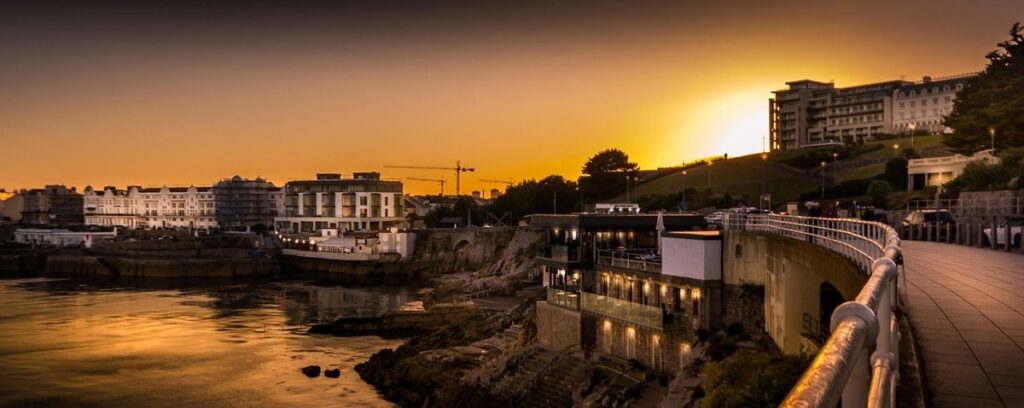
Plymouth Harbor is one of the most historic and economically vital areas in the city, with a rich past that spans centuries. For generations, this bustling commercial center has been a hub of activity, with cargo ships and fishing vessels coming and going at all hours. But Plymouth Harbor’s significance extends beyond its economic importance – it also plays a crucial role in the city’s environmental health. From pollution concerns to conservation efforts, the harbor is a delicate ecosystem that requires careful management. In this comprehensive guide, we’ll take you on a journey through Plymouth Harbor’s complex history, its modern-day challenges, and its ongoing impact on the local community. By the time you finish reading, you’ll have a deeper understanding of this vital urban space and be able to appreciate its many layers.
History and Development
Plymouth Harbor has a rich history dating back to the Pilgrims’ arrival, and its development over the centuries is a fascinating tale. We’ll take you through the key milestones that have shaped this iconic waterfront area.
Early Settlement and Maritime Trade
The early settlement of Plymouth Harbor marked a pivotal moment in its history. In 1620, English Separatist settlers established the Pilgrim Colony, with William Bradford and Myles Standish playing key roles in planning and developing the harbor. They were attracted to the area’s natural deepwater anchorage, which allowed for easier access to the Atlantic Ocean.
As a result of this strategic location, Plymouth Harbor became a vital hub for maritime trade. The colony’s early economy relied heavily on fishing and shipbuilding, with many vessels leaving from its shores bound for England and other ports. This trade brought significant economic growth, as well as an influx of new settlers and cultural influences.
The harbor’s design was influenced by the settlers’ English experience in building canals and docks. They constructed wooden wharves to facilitate loading and unloading cargo, while also establishing a town plan that took advantage of the harbor’s natural advantages. This infrastructure supported the colony’s continued growth, paving the way for its development into one of New England’s major ports.
18th-19th Century Growth and Industrialization
During the 18th and 19th centuries, Plymouth Harbor underwent significant transformations to become a thriving commercial center. The establishment of shipbuilding yards along the harbor’s waterfront enabled the construction of larger vessels, which in turn facilitated trade with other ports. Warehouses and storage facilities were also built to accommodate the increasing volume of goods being transported.
Shipbuilding played a crucial role in Plymouth Harbor’s growth during this period. Several prominent shipyards were established, including the famous Fishburn Shipyard, which produced some of the largest ships in the region. The harbor’s strategic location allowed for easy access to raw materials and labor, making it an ideal spot for shipbuilding.
The expansion of industrial facilities also led to the development of new services and industries along the harbor. Grocers and merchants set up shop to supply the needs of sailors and workers, while blacksmiths and other skilled craftsmen provided essential repairs and maintenance services. By the mid-19th century, Plymouth Harbor had become a bustling commercial hub, with thousands of tons of cargo passing through its waters each year.
Geographical Features and Navigation
Plymouth Harbor is surrounded by a unique blend of rugged coastline, sandy beaches, and scenic islands that shape its character and offer exciting opportunities for exploration. Let’s explore the key geographical features that make navigation in the harbor both challenging and rewarding.
Physical Characteristics and Layout
Plymouth Harbor is situated on the coast of Massachusetts Bay, approximately 15 miles southeast of Boston. Its layout is characterized by a relatively narrow entrance channel, which connects to the Atlantic Ocean and provides access to the harbor’s inner basin. The harbor’s size is substantial, covering an area of about 2 square miles. At its deepest point, the water depth reaches around 40 feet.
The surrounding topography plays a significant role in shaping the harbor’s natural features. To the north lies the town of Plymouth, with its historic waterfront and scenic views of the harbor. To the east, you’ll find the Cape Cod Bay, which contributes to the harbor’s tidal patterns and water quality. The harbor’s tides are semi-diurnal, meaning they have two high and low tides each day, with a mean range of around 3-4 feet.
The water quality in Plymouth Harbor is generally good, thanks to its location within a relatively pristine coastal ecosystem. However, seasonal changes in temperature and precipitation can impact the harbor’s water quality, making it essential for visitors to check current conditions before engaging in activities like swimming or fishing.
Navigation Channels and Access Points
Plymouth Harbor’s navigation channels are designed to accommodate vessels of all sizes, from small sailboats to large cargo ships. The harbor’s main channel is approximately 1,000 feet wide and 25 feet deep, providing a safe and efficient passage for commercial traffic. However, there are several access points and smaller channels that cater to recreational boaters and fishermen.
Key landmarks such as the Plymouth Breakwater and the Inner Harbor help guide vessels into the harbor. The breakwater, a 2,000-foot-long seawall, protects the harbor from wave action and provides a safe entrance for boats. The Inner Harbor is a smaller, more sheltered area within the main harbor that offers protection from strong winds and rough seas.
Boaters should be aware of several navigation channels and access points, including the Eastern Channel, which connects the harbor to the Atlantic Ocean, and the Western Channel, which provides access to the nearby Damariscotta River. Knowledge of these channels is essential for safe navigation, as they can affect a vessel’s draft and maneuverability.
Economic Importance and Industry
Plymouth Harbor has played a significant role in shaping the local economy, attracting businesses and investment to the area. We’ll take a closer look at its economic significance and the industries that call it home.
Shipping and Maritime Commerce
Plymouth Harbor is a critical shipping hub, serving as a gateway for international trade and commerce. The harbor’s strategic location on the Atlantic coast makes it an ideal spot for import/export trade, with cargo ships from around the world docking at its facilities to transport goods such as textiles, electronics, and machinery.
Several industries rely heavily on the harbor’s infrastructure, including cargo handling companies that manage the loading and unloading of goods. Logistics firms also play a crucial role, coordinating the transportation of products from manufacturers to retailers across the country. To ensure smooth operations, these companies work closely with port authorities to optimize docking schedules, storage capacity, and security measures.
The harbor’s commercial activities generate significant revenue for the local economy, creating jobs and stimulating economic growth. In addition to cargo handling and logistics, the harbor is also a hub for fishing and tourism industries, with many fishermen selling their catch at the harbor’s bustling fish market. To take advantage of the harbor’s opportunities, businesses looking to establish themselves in Plymouth should research the harbor’s regulations, permits, and zoning requirements before making an investment decision.
Tourism and Recreational Activities
Plymouth Harbor’s picturesque location and rich history make it an attractive destination for tourists and locals alike. Visitors can enjoy a variety of recreational activities, including sailing and boat tours. Many companies offer guided tours that depart from the harbor, providing insight into its maritime past and current operations.
Fishing is also a popular activity in Plymouth Harbor. Anglers can try their luck at catching species such as striped bass and bluefish. The Massachusetts Department of Fish and Wildlife recommends checking local regulations before fishing, as they are subject to change.
Waterfront strolls along the harbor’s promenade offer stunning views of the surrounding area. This pedestrian-friendly path is perfect for families or those looking to take a leisurely walk while enjoying the scenery. Visitors can also stop by the Plymouth Harborwalk, a designated scenic walking trail that features public art installations and educational signage about the harbor’s history.
For a unique experience, consider visiting during one of the harbor’s many festivals and events, such as the annual Plymouth Harbor Festival, which celebrates the harbor’s maritime heritage with live music, food vendors, and boat displays.
Environmental Concerns and Conservation Efforts
Plymouth Harbor is not just a picturesque destination, but also a delicate ecosystem that requires our attention to protect its natural beauty. We’ll examine the environmental concerns affecting the harbor and highlight ongoing conservation efforts.
Water Quality and Pollution Issues
Plymouth Harbor has faced significant water quality issues due to pollution from industrial and human activities. Historically, the harbor’s waters have been contaminated by sewage overflows, stormwater runoff, and chemical spills. These pollutants have harmed marine life and affected public health. For instance, in the 1970s, the harbor was declared a “federal brownfield” due to high levels of PCBs (polychlorinated biphenyls) and other toxic substances.
Pollution from human activities continues to impact the harbor’s ecosystem. Excess nutrients from agricultural runoff and wastewater treatment plants contribute to algal blooms, which can lead to oxygen depletion and aquatic life die-offs. Moreover, oil spills and chemical leaks have contaminated the water and harmed marine species. To address these concerns, various conservation efforts are underway.
Some initiatives focus on habitat restoration and biodiversity preservation. For example, a local organization is working with government agencies and private stakeholders to create artificial reefs and restore wetlands along the harbor’s shoreline. Another initiative involves monitoring water quality through regular sampling and testing.
Habitat Restoration and Biodiversity Initiatives
Plymouth Harbor’s waterfront areas have been revitalized through habitat restoration projects. The Massachusetts Department of Conservation and Recreation has collaborated with local stakeholders to restore salt marshes and improve water quality. These efforts aim to create a more resilient ecosystem, capable of adapting to future environmental changes.
Restoration work includes the creation of artificial reefs and oyster gardens. For example, the Plymouth Oyster Project has established an oyster farm in the harbor. This initiative not only enhances biodiversity but also helps filter pollutants from the water. Additionally, native plant species are being reintroduced along the shoreline to provide habitat for local wildlife.
Biodiversity initiatives focus on preserving and promoting the harbor’s natural resources. These efforts prioritize sustainable development, balancing human activities with environmental protection. For instance, designated areas within the harbor have been set aside as protected zones for marine life. By supporting these initiatives, visitors can contribute to the conservation of Plymouth Harbor’s unique ecosystem. This includes participating in local clean-up events and learning about responsible boating practices.
Cultural Significance and Community Engagement
Plymouth Harbor has played a significant role in shaping American history, and its cultural significance extends far beyond its historic sites. We’ll delve into how visitors can engage with the local community and experience the harbor’s rich heritage firsthand.
Historical Landmarks and Preservation Efforts
Plymouth Harbor is a treasure trove of historical landmarks, each with its own unique story to tell. One notable site is the Pilgrim Hall Museum, which showcases artifacts and exhibits related to the Pilgrims’ arrival in 1620. Visitors can explore the museum’s collection, including rare books, ship models, and even the original compact between William Bradford and Myles Standish.
Another significant landmark is the Plymouth Rock, a symbol of the Pilgrims’ landing site. The rock itself is surrounded by a memorial plaza, where visitors can reflect on the significance of this event. Just across from the rock lies the Mayflower II, a replica of the ship that brought the Pilgrims to America.
Preservation efforts are underway to protect these landmarks for future generations. The Plymouth Harbor Partnership, a collaborative effort between local government agencies and community groups, works to restore and maintain historic sites along the harbor. This includes initiatives such as dock repairs, landscaping, and educational programs. Visitors can support these efforts by attending events or donating to local preservation organizations. By doing so, they contribute to the long-term protection of Plymouth Harbor’s cultural heritage.
Community Programs and Events
Plymouth Harbor is a hub of community activity, with various programs and events celebrating its cultural significance throughout the year. The Plymouth Harbor Festival, held annually in July, features live music, local food vendors, and interactive exhibits showcasing the harbor’s maritime history.
The Plymouth Harbor Heritage Day, typically occurring on the first Saturday of September, highlights the harbor’s rich cultural heritage through reenactments, historical demonstrations, and traditional crafts. Another popular event is the Plymouth Harbor Christmas Tree Lighting Ceremony, where residents and visitors gather to mark the start of the holiday season with festive music, hot chocolate, and a beautifully lit tree.
To engage with the community and promote local businesses, some organizations offer harbor-themed tours and workshops. These events often coincide with seasonal festivals or holidays, making them an excellent opportunity for locals to explore their surroundings while fostering a sense of community among residents and visitors alike.
Conclusion
Now that we’ve explored Plymouth Harbor’s history, attractions, and activities, it’s time to wrap up our comprehensive guide and summarize the key takeaways for your next visit. Let’s review what you need to know.
Recap of Key Points
Plymouth Harbor’s rich history, unique geographical features, economic significance, environmental concerns, and cultural importance have been explored throughout this comprehensive guide. To recap, the harbor’s early settlement and maritime trade laid the foundation for its growth into a thriving commercial center. The 18th-19th century saw significant expansion, with industrialization and shipping activities driving the local economy.
The harbor’s physical characteristics, including its layout and navigation channels, have been crucial to its economic success. Access points, such as the busy Mayflower II dock, facilitate the flow of goods and people. However, these very features also contribute to water quality issues and pollution concerns that must be addressed through conservation efforts. Habitat restoration initiatives aim to mitigate the impact of human activity on marine life.
Tourism and recreational activities have become increasingly important to Plymouth Harbor’s economy, with visitors drawn to its historical landmarks and cultural events. Community programs, such as sailing lessons and harbor clean-up initiatives, foster a sense of ownership among locals and promote environmental stewardship. These dual goals – economic development and environmental protection – require careful balance and ongoing efforts from stakeholders.
Key takeaways from this guide include:
• The importance of preserving Plymouth Harbor’s maritime history and cultural heritage
• Strategies for mitigating the impact of human activity on water quality and marine life
• Opportunities for community engagement and participation in harbor conservation initiatives
• Tips for navigating the harbor safely, considering its physical characteristics and navigation channels
Frequently Asked Questions
What if I want to start a business in Plymouth Harbor but don’t have experience with maritime commerce?
Yes, it’s possible to learn and adapt quickly. Many established businesses offer mentorship programs or consulting services for newcomers. Additionally, local authorities often provide resources and support for entrepreneurs looking to establish themselves in the harbor area.
How do I navigate the complex regulatory framework governing Plymouth Harbor’s shipping and logistics operations?
The harbor’s regulatory environment can be intricate. To better understand the rules and regulations, consult official government websites or contact local business development organizations that specialize in maritime commerce. They can provide guidance on compliance requirements, permits, and other essential information.
Can I take a sailing course or rent equipment for a fishing trip within Plymouth Harbor?
Yes, there are several reputable sailing schools and rental facilities located near the harbor. You can also explore guided tours and recreational activities through local tourism boards or online platforms that specialize in water sports and outdoor adventures.
What if my boat is damaged while navigating Plymouth Harbor’s navigation channels?
If your vessel sustains damage within the harbor, contact the local harbormaster or a nearby marina for assistance. They will direct you to authorized repair facilities or provide guidance on filing claims with your insurance provider.