
Are you ready to unlock the secrets of the Polish language? If you’re interested in exploring one of Europe’s most beautiful and complex languages, you’ve come to the right place. Polish is not just a fascinating tongue, but also a gateway to understanding the rich culture and history of Poland. With its unique grammar and vocabulary, mastering Polish can be a challenging but rewarding experience. In this guide, we’ll take you on a journey through the basics of Polish language, covering everything from its ancient roots to modern-day usage. We’ll delve into grammar rules, essential vocabulary, and even explore some incredible works of Polish literature that showcase the beauty of this Slavic language. Whether you’re a beginner or looking to improve your skills, our comprehensive guide will help you learn how to navigate the intricacies of Polish from scratch.
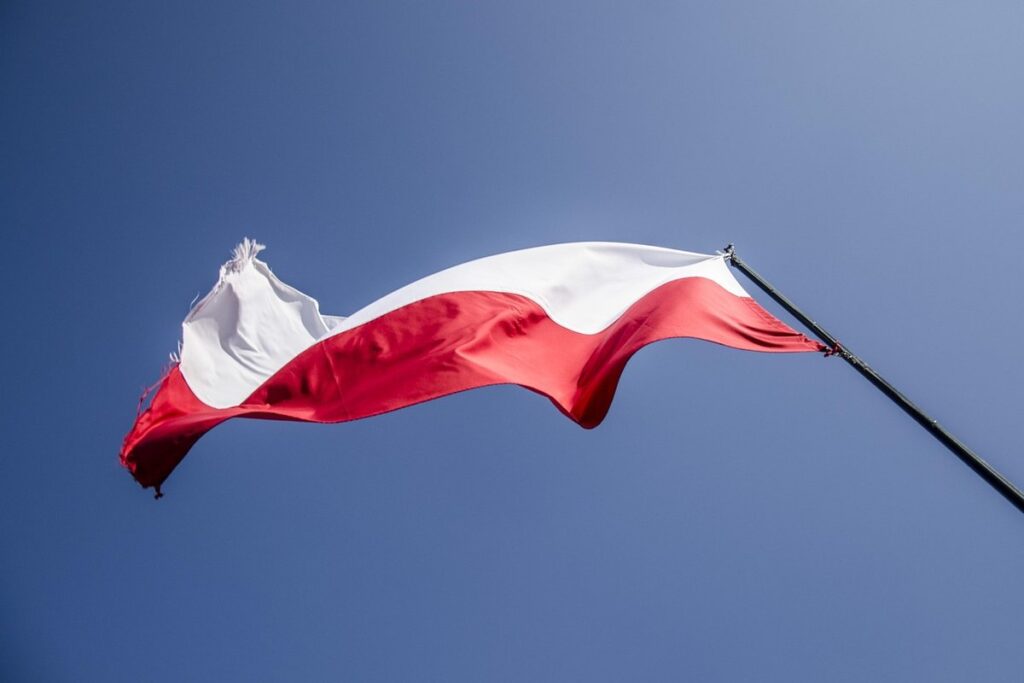
Introduction to the Polish Language
Polish is a beautiful Slavic language with a rich history and unique characteristics, making it both fascinating and challenging for English speakers to learn. Let’s take a closer look at its basics.
Brief Overview of Polish as a Slavic Language
Polish as a Slavic language has its roots dating back to the 10th century. It originated from the West Slavic languages, specifically from the Lechitic branch, which also includes Czech and Slovak languages. Polish is closely related to other Slavic languages such as Russian, Ukrainian, and Belarusian. The early development of the Polish language was influenced by various factors including geographical location, cultural exchange with neighboring tribes, and the impact of Christianity.
As a result, Polish has evolved over time incorporating elements from its Germanic and Latin influences during the Middle Ages. The Polish alphabet consists of 32 letters, with nine vowels and 23 consonants. Despite being a Slavic language, Polish is not mutually intelligible with other languages in this group due to its distinct grammar and phonetic characteristics.
Polish has undergone significant changes throughout history, particularly under German rule in the 18th century when many words were borrowed from German. However, it also retained its unique identity by preserving elements of Old Church Slavonic and Kievan Rus’ cultural heritage. Today, Polish is one of the official languages in Poland and an essential part of its national culture and identity.
Importance of Polish in Modern Times
In today’s interconnected world, the Polish language plays an increasingly important role in international relations, education, and culture. As a member of the European Union, Poland has become a hub for diplomatic relations between Europe and Eastern Europe. Knowing Polish can give you a competitive edge in this global landscape. For instance, being fluent in Polish can open doors to job opportunities in the EU’s institutions, embassies, or international companies operating in Poland.
Moreover, Polish is an official language of several international organizations, including the Organization for Security and Co-operation in Europe (OSCE). Understanding the nuances of Polish can facilitate communication with diplomats, officials, and experts from these organizations. In education, studying Polish can also provide access to a wealth of literature, history, and culture that has shaped European thought.
In addition, Poland’s rich cultural heritage is reflected in its language, which offers insights into the country’s history, traditions, and values. By learning Polish, you’ll gain a deeper understanding of Polish culture, from the intricate folk dances to the hearty cuisine.
History of the Polish Language
The Polish language has a rich and fascinating history that spans over 1,000 years, shaped by various cultures and influences. Let’s take a journey through its evolution from Old East Slavic roots to modern times.
Early Forms of Polish: Old Church Slavonic and Ruthenian
Polish language has its roots in Old Church Slavonic and Ruthenian languages. These early forms of Polish date back to the 9th century when Christianity was introduced to Poland from Kievan Rus’, a medieval East Slavic state. As a result, the Polish language borrowed many features from Old Church Slavonic, including its grammar and vocabulary.
Old Church Slavonic, also known as Church Slavonic, was a liturgical language used in Orthodox churches across Eastern Europe. Its influence on Polish is evident in its use of cases (nominative, genitive, dative, accusative, instrumental, locative) and verb conjugation patterns. In fact, many Old Church Slavonic words are still present in modern Polish vocabulary, particularly in the fields of law, medicine, and theology.
Ruthenian, on the other hand, was a medieval East Slavic language spoken in the region that is now Ukraine and parts of Poland. Its influence on Polish is more subtle but can be seen in the use of similar grammatical structures and loanwords.
Middle Ages and the Development of Modern Polish
During the Middle Ages, the Polish language was heavily influenced by various factors that ultimately shaped its modern form. As a result of Christianity’s spread throughout Poland in the 10th century, Latin became an essential part of everyday life, leaving an indelible mark on the Polish language. The country’s proximity to Germany and Russia also played a significant role in introducing foreign loanwords, particularly from German.
The use of Polish as a literary language gained momentum during the 16th century with the rise of printing presses and increased literacy rates. This enabled the creation of Poland’s first notable works of literature, such as the famous epic poem “Pan Tadeusz” by Adam Mickiewicz. The Polish Romantic movement also had an immense impact on the development of the language, introducing a more expressive and lyrical style.
Polish linguists actively incorporated elements from regional dialects to standardize the language, which in turn contributed to its modernization process. This effort is reflected in the codification of Polish grammar rules by prominent scholars like Samuel Bogumił Linde in the late 18th century.
Polish Grammar and Syntax
Polish grammar and syntax can be a challenging but rewarding aspect of the language to learn, with its complex verb conjugations and case system.
Let’s break down some of the key concepts to help you improve your Polish skills.
Nouns and Cases in Polish
In Polish grammar, nouns play a crucial role as they can change their form to indicate grammatical function. One of the most complex aspects of Polish is its system of cases, which determine how a noun functions within a sentence. There are seven cases in total: nominative, genitive, dative, accusative, vocative, locative, and instrumental.
Let’s break down each case:
* Nominative: This is the base form of a noun and is used as the subject of a sentence (e.g., “kobieta” – woman).
* Genitive: Used to indicate possession or relationship (e.g., “kobiety” – woman’s, belonging to the woman).
* Dative: Shows the indirect object of a sentence (e.g., “kobiecie” – to the woman).
* Accusative: Used for direct objects (e.g., “kobię” – the woman).
* Vocative: Reserved for addressing someone directly (e.g., “Kołaczu” – young man!).
* Locative: Indicates a location or position (e.g., “mieście” – in the city).
* Instrumental: Shows an action is performed with something (e.g., “miejscu” – by the city).
Mastering Polish cases can be challenging, but it’s essential for conveying meaning accurately. To practice, try breaking down sentences into their component parts and identifying the case of each noun.
Verbs and Tenses in Polish
Verbs are one of the most complex aspects of the Polish language when it comes to grammar and syntax. Mastering verb conjugation is essential for effective communication. In Polish, verbs change depending on the subject, tense, mood, and aspect.
To form the present tense, add a suffix to the base form of the verb. For example, “ja” (I) use -am, “ty” (you) use -esz, while “on/ona/em” (he/she/it) use -e. For example, “jadłam” means “I was eating” in the past tense, but the present tense is formed by adding a simple suffix: “jadam”. The future tense is also relatively straightforward and follows the same pattern as the present tense.
The imperative mood is used to give commands or instructions. It’s formed by using either the base form of the verb (e.g., “jeśli” – let) for plural subjects, or adding a specific suffix (-w-) followed by the base form for singular subjects.
Polish Vocabulary and Pronunciation
Mastering Polish vocabulary and pronunciation is essential for effective communication, and it’s not as daunting as you might think, especially with some practical tips and guidance. Let’s dive into the basics of Polish language learning together!
Unique Features of Polish Phonetics
Polish phonetics is one of the most distinctive features of the Polish language. One of the first things that learners notice when trying to pronounce Polish words is the presence of letters such as “ż” and “cz”. These letters are not found in many other languages, including English, making them particularly challenging for non-native speakers.
The “ż” sound is pronounced by placing the tongue behind the upper teeth, similar to a soft “s” or “z” sound. For example, the word “życie”, meaning “life”, would be pronounced as “zh-tee-chah”. The “cz” combination is made by pressing the tip of the tongue against the lower gum and releasing it quickly, resulting in a sharp “tch” sound, similar to the Scottish or German pronunciation. A good example of this sound is the word “czarny”, meaning “black”.
Another peculiarity of Polish phonetics is the lack of distinct vowel sounds, which can make it difficult for non-native speakers to distinguish between words. To improve your pronunciation, try paying attention to the intonation and rhythm of native speakers, as these often provide more insight into the correct pronunciation than written guides or dictionaries.
Common Polish Words and Phrases for Beginners
Learning to communicate in Polish can be a rewarding experience, especially when you start with basic words and phrases. For beginners, mastering common vocabulary is essential for navigating everyday situations. Start by learning the Polish alphabet and basic pronunciation rules.
Some of the most common Polish words and phrases include:
* Cześć (CHESH-tch) – Hello
* Dziękuję (JEN-koo-yeh) – Thank you
* Przykro mi (ZHEER-koh mee) – Sorry
* Tak/ Nie (TAHK/NEH-eh) – Yes/No
* Proszę (PROH-sheh) – Please
In addition to these basic phrases, learning common greetings and introductions is also helpful. For example:
* Cześć, jak się masz? (CHESH-tch, yahk seh MAH-sh) – Hello, how are you?
* Jestem [imie] (YEH-tehm [ee-meh-eh]) – My name is [name]
Remember that Polish pronunciation can be challenging for non-native speakers. Focus on mastering the correct sounds and intonation to improve your overall language skills. Practice regularly by using flashcards, speaking with native speakers, or listening to Polish media.
Polish Culture and Literature
Polish culture is deeply intertwined with its rich literary heritage, from medieval ballads to modern-day novels that showcase the nation’s complexities and traditions. Let’s delve into this vibrant world together!
Famous Polish Writers and Their Works
Polish writers have made significant contributions to literature worldwide. One of the most famous Polish writers is Adam Mickiewicz, known for his epic poem “Pan Tadeusz.” This work not only showcases his mastery of language but also provides a rich portrayal of 19th-century Polish life.
Another notable writer is Maria Konopnicka, who wrote extensively about social issues and women’s rights. Her works often critiqued the societal norms of her time, making her a pioneering figure in Polish literature.
The impact of these writers can be seen in their ability to evoke strong emotions and connections with readers. For instance, Mickiewicz’s “Pan Tadeusz” is still widely read and studied today for its poetic language and historical significance.
Polish literature has also been influenced by the country’s turbulent history, leading many writers to express themselves through their work. Konopnicka’s emphasis on social justice and equality has inspired subsequent generations of Polish writers to tackle complex issues in their writing.
In your exploration of Polish culture and literature, reading the works of these famous authors will provide a deeper understanding of the language and its significance in the country’s history.
Traditional Polish Arts and Crafts
Polish culture is rich in traditional arts and crafts that have been passed down through generations. When it comes to folk music, Poland has a unique style that is characterized by its lively rhythms and melodies. The country’s folk musicians often play instruments such as the accordion, fiddle, and flute, which are typical of Polish folk music. You can experience this vibrant culture firsthand at one of the many folk festivals held throughout the year.
Polish dance is also an integral part of traditional arts and crafts. Polka, mazur, and kujawiak are some of the most popular folk dances in Poland, each with its own unique steps and movements. Learning these dances can be a fun and rewarding experience for both locals and tourists alike.
In terms of textiles, Polish embroidery is renowned for its intricate designs and patterns. The country’s artisans use traditional techniques to create beautiful embroidered clothing and accessories that are highly prized by collectors and fashion enthusiasts. If you’re interested in learning more about this craft, consider taking a class or workshop where you can learn the basics of Polish embroidery.
Woodcarving is another traditional Polish art form that dates back centuries. Skilled craftsmen use wood to create intricate carvings, often depicting scenes from everyday life, mythology, and nature. You can find beautifully crafted wooden decorative items such as spoons, figurines, and other household objects in many Polish shops and markets.
Learning Polish: Resources and Tips
As you continue on your journey to learn Polish, finding reliable resources and tips will be crucial to improving your language skills. Here are some essential tools and advice to help you get started.
Language Courses and Online Resources
When it comes to learning Polish, having the right resources can make all the difference. There are numerous language courses and online platforms that cater specifically to learners of Polish. One popular option is Coursera’s “Polish for Beginners” course, which offers a comprehensive introduction to the language through video lessons and interactive exercises.
Duolingo also offers a Polish course with gamified learning, making it an engaging way to practice vocabulary and grammar. Another useful resource is edX, which features courses on Polish language and culture from top universities worldwide.
For those who prefer more flexible learning options, there are numerous online communities and forums dedicated to Polish learners. Sites like Reddit’s r/learnpolish and PolishPod101 offer valuable resources, including language lessons, grammar guides, and conversation practice with native speakers.
Mobile apps like Memrise and Anki can also be useful tools for vocabulary building and reviewing grammar rules on-the-go. By combining these resources with consistent practice and dedication, learners can make significant progress in their Polish studies.
Useful Websites and Podcasts for Polish Learners
If you’re eager to improve your Polish language skills, there are plenty of online resources at your disposal. One excellent website for beginners is Duolingo, which offers interactive lessons and exercises to help you learn the basics of Polish grammar and vocabulary.
For more advanced learners, it’s worth checking out Coursera, where you can take online courses on Polish language and culture from top universities worldwide. Another great resource is PolishPod101, a podcast-based platform that covers various aspects of the Polish language, including grammar, vocabulary, and pronunciation.
To enhance your listening skills, try tuning into Polonia 1, a Polish radio station that broadcasts news, music, and talk shows in Polish. Alternatively, you can listen to podcasts like “Café Polska” or “Polish Lessons,” which offer engaging conversations on topics ranging from culture and history to politics and everyday life.
Whether you’re just starting out or looking to refine your skills, these websites and podcasts will provide you with valuable resources to help you navigate the complexities of the Polish language.
Frequently Asked Questions
How can I use my new knowledge of Polish to communicate with native speakers?
Now that you’ve learned the basics, it’s time to put your skills into practice! The most effective way to improve your speaking and listening skills is through immersion. Try watching Polish TV shows or movies with English subtitles, listen to Polish podcasts or radio shows, and try to find a language exchange partner either in person or online.
Can I use Polish in everyday life, even if I’m not fluent?
While proficiency in Polish may take time to develop, you can still benefit from knowing basic phrases and vocabulary. You can use your knowledge of Polish to communicate with Polish-speaking colleagues, family members, or friends who live abroad. Even small gestures like using Polish greetings (e.g., “Cześć!”) can go a long way in showing respect for the culture.
How do I overcome common challenges when learning Polish grammar and syntax?
One common pitfall for English speakers is mastering the complexities of Polish noun cases. To simplify this process, start by focusing on one case at a time, practice using online resources or language learning apps that provide interactive exercises, and try to read Polish texts aloud to improve your pronunciation.
Are there any online resources available to help me learn Polish?
Fortunately, yes! There are numerous online platforms, language courses, and podcasts designed specifically for Polish learners. Some popular options include Duolingo, Babbel, and Coursera, which offer interactive lessons, quizzes, and exercises tailored to different skill levels.
How can I incorporate Polish into my daily routine without feeling overwhelmed?
Begin by setting aside a small amount of time each day (e.g., 15 minutes) to practice a new vocabulary word or grammar rule. You can also try using flashcards or mobile apps like Anki to review material on the go. Don’t be too hard on yourself – even small, consistent efforts will add up over time!

