Pride Month is just around the corner, and with it comes a vibrant celebration of diversity, inclusivity, and self-expression. But have you ever wondered how to get involved in your community’s Pride events? Or perhaps you’re looking for ways to show support from afar? Whether you’re a seasoned activist or just starting to learn about LGBTQ+ history and culture, there are countless opportunities to participate and make a difference.
Pride Month is more than just a celebration – it’s a time to acknowledge the progress made towards equality and justice. From parades and rallies to corporate initiatives and grassroots campaigns, Pride events bring people together in a shared commitment to creating a more accepting world. In this article, you’ll learn about the history of Pride Month, how to get involved in your community’s events, and ways to show support for LGBTQ+ individuals globally. By the end of it, you’ll know exactly how to participate in and amplify the message of Pride – and make a meaningful impact on those around you.
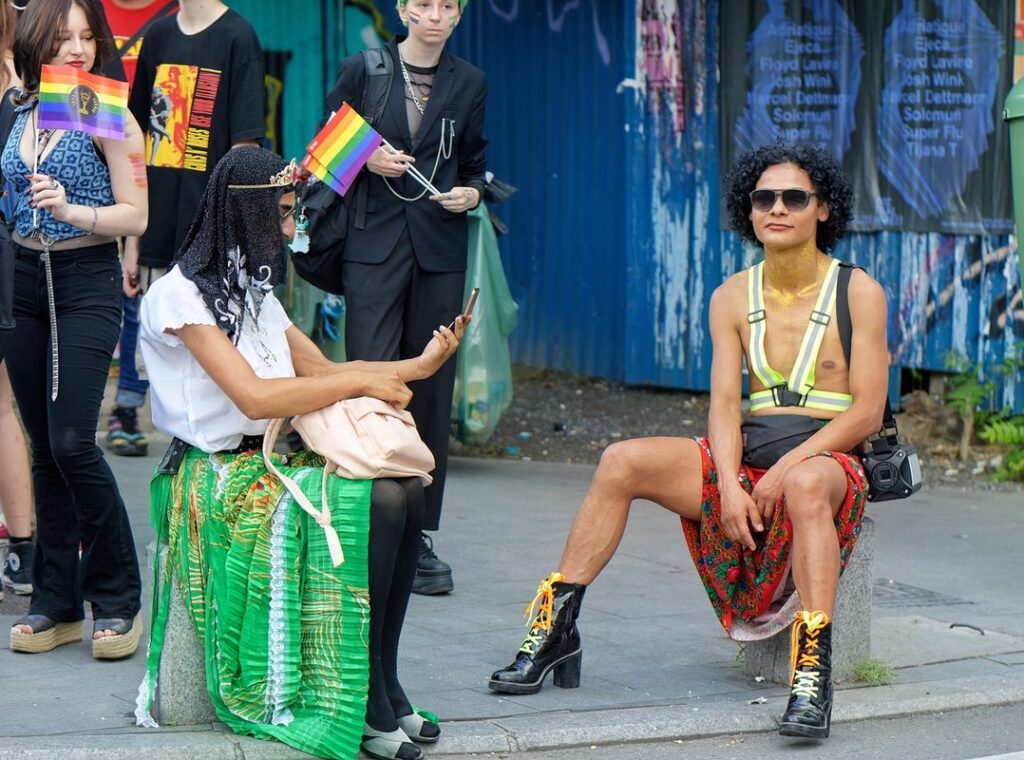
Understanding Pride Month and its Significance
Pride Month is more than just a celebration of LGBTQ+ culture, it’s a time to acknowledge the struggles and triumphs of the community. Let’s take a closer look at what Pride Month represents.
History of Pride Month
The modern Pride Month celebrations have their roots in the Stonewall riots of 1969. This pivotal event marked a turning point for the LGBTQ+ community as they began to fight back against police brutality and discriminatory laws. The first gay pride parade was organized by activist Brenda Howard in New York City on June 28, 1970, just one year after Stonewall. The event drew an estimated 2,000 participants, who marched through the streets with rainbow-colored flags, banners, and signs.
In its early years, Pride Month celebrations focused primarily on commemorating the Stonewall riots and advocating for LGBTQ+ rights. As the movement gained momentum, Pride events began to spread across the United States and eventually around the world. Today, Pride Month is celebrated in June to honor the legacy of these pioneers and continue their fight for equality.
Key milestones in the evolution of Pride Month include:
- 1973: The American Psychiatric Association declassifies homosexuality as a mental disorder.
- 1990s: The AIDS epidemic sparks widespread awareness campaigns and increased activism within the LGBTQ+ community.
- 2009: President Barack Obama issues an official proclamation recognizing June as Pride Month.
These events demonstrate how far the LGBTQ+ community has come in their fight for recognition, acceptance, and equality.
Importance of Pride Month for LGBTQ+ Community
Pride Month is a crucial celebration for the LGBTQ+ community, offering a platform for self-acceptance and advocacy. The month-long festivities provide a much-needed respite from the marginalization and exclusion that many members of the community face throughout the year. By acknowledging their struggles and achievements, Pride Month events foster a sense of belonging and validation among LGBTQ+ individuals.
The impact of Pride Month on self-acceptance cannot be overstated. Seeing themselves represented in parades, festivals, and other events helps individuals connect with their identities and feel less isolated. Many people have reported feeling empowered to “come out” or express themselves more openly after attending Pride events. This visibility is especially vital for younger LGBTQ+ individuals who may struggle to find role models or resources within their communities.
Advocacy is another key aspect of Pride Month’s importance. By highlighting the ongoing struggles faced by the LGBTQ+ community, these events raise awareness and mobilize support for social justice causes. This collective effort encourages allies to join the movement and use their privilege to amplify marginalized voices.
Ways to Show Support During Pride Month
Showing support during Pride Month is a vital aspect of celebrating and promoting LGBTQ+ rights. One way to do so is by attending local events and parades, but there are many more ways to get involved. You can start by educating yourself about the history and significance of Pride Month, as well as the ongoing struggles faced by the LGBTQ+ community.
Volunteering for an LGBTQ+ organization or participating in charity runs/walks during Pride Month is another way to show support. Many organizations rely on donations and volunteer efforts to continue their work throughout the year. You can also consider donating to reputable organizations that provide vital services such as healthcare, housing, and mental health resources.
Some people may feel more comfortable showing support by making a financial contribution rather than attending events in person. This is a valid way to make an impact, especially for those who may be unable to attend due to scheduling conflicts or mobility issues. Ultimately, every action counts, from wearing pride-themed apparel to sharing informative content on social media platforms. By taking these small steps, you can help amplify the message of Pride Month and promote greater understanding and acceptance within your community.
Upcoming Pride Events Around the World
Get ready to celebrate and show your support as we highlight some of the most exciting upcoming Pride events happening around the globe. From parades to festivals, there’s something for everyone.
Major Pride Parades and Festivals
Here are some of the most notable Pride parades and festivals happening globally. The Paris Pride Parade in France is scheduled to take place on June 24th and features a diverse lineup of performers, including LGBTQ+ musicians and drag queens. The London Pride Parade in the UK occurs on July 7th and attracts millions of attendees each year.
The San Francisco Pride Parade in California is one of the largest Pride events in the world, taking place on June 30th and featuring a 3-day festival with live music performances, food vendors, and art installations. The New York City Pride March on June 30th celebrates its 50th anniversary this year and will have a special commemorative float honoring past activists.
The Sydney Mardi Gras in Australia, held on March 2nd (note the earlier date), is one of the largest LGBTQ+ events outside of North America. The event features live music performances, drag shows, and a parade that winds through the city streets.
Other notable Pride parades include the Toronto Pride Parade in Canada on June 23rd, the Berlin Pride Parade in Germany on July 14th, and the Dublin Pride Festival in Ireland on June 22nd-24th.
Regional Pride Events in the US and Abroad
Regional Pride events often reflect the unique cultural and social contexts of their respective regions. In the United States, for example, the annual Southern Decadence festival in New Orleans is a major celebration of LGBTQ+ pride, featuring parades, parties, and live music performances.
In contrast, the European Union’s Pride celebrations are more dispersed throughout the continent, with many countries hosting their own individual events. For instance, the Paris Pride parade is one of the largest and most well-known in Europe, attracting hundreds of thousands of attendees each year.
Meanwhile, in Asia, the Taiwan Pride Parade has become a model for other regional Pride events, showcasing the island nation’s strong commitment to LGBTQ+ rights and visibility. The parade features elaborate floats, performances, and a strong sense of community among participants.
Some notable regional Pride events include:
- Sydney Mardi Gras (Australia), known for its flamboyant costumes and parties
- Toronto Pride (Canada), which celebrates Canadian diversity and inclusion
- Dublin Pride (Ireland), which highlights the country’s progress on LGBTQ+ rights
Tips for Attending Your First Pride Event
When attending your first Pride event, it’s natural to feel a mix of excitement and nervousness. To make the most out of your experience, prepare yourself for what you might encounter. Research the local LGBTQ+ community and their customs beforehand; this will help you navigate any unfamiliar situations.
Know that the atmosphere at a Pride event can be overwhelming – there are often thousands of people celebrating together. Be prepared to walk long distances or stand in crowded areas. Bring water, snacks, and sunscreen to stay hydrated and comfortable throughout the day.
One crucial aspect to consider is safety. Familiarize yourself with the event’s emergency procedures, such as where to find medical services or reporting a missing person. Also, be mindful of your belongings – theft can occur in crowded areas. A small backpack or bag with essentials like cash, phone charger, and identification can come in handy.
Additionally, consider arriving early to get a good spot near the parade route or stage area. This will allow you to see the main performances and take photos without being too far away. With some basic preparation and knowledge of what to expect, you’ll be able to fully immerse yourself in the Pride experience and make lasting memories.
Pride Month Events in Different Industries
As we celebrate Pride Month, it’s exciting to see various industries come together to show their support and solidarity. From tech to healthcare, we’ll highlight notable events happening across different sectors this June.
Corporate Pride Initiatives
Companies like Apple, Google, and Microsoft have been at the forefront of corporate Pride initiatives. These tech giants not only host employee-led Pride celebrations but also offer benefits to LGBTQ+ employees and their families, such as domestic partner health insurance and adoption leave. For instance, Apple’s Pride celebration includes a donation matching program that supports LGBTQ+ organizations.
Other notable companies like Facebook and IBM have established diversity and inclusion teams that work year-round to promote LGBTQ+ visibility and inclusion within the company. These efforts extend beyond June, with many corporations committing to long-term support of the LGBTQ+ community.
A key aspect of successful corporate Pride initiatives is employee engagement and participation. Companies can encourage employees to share their personal stories and experiences, creating a sense of community and solidarity. This can be done through internal social media campaigns, town hall meetings, or volunteer opportunities. For example, Google’s “Pride at Work” program allows employees to connect with local LGBTQ+ organizations and participate in Pride events.
When implementing corporate Pride initiatives, companies should consider partnering with LGBTQ+ organizations and donating to reputable charities that support the community. This not only amplifies their impact but also demonstrates a genuine commitment to diversity and inclusion.
Sports and Entertainment Industry’s Role in Pride Month
Many sports teams and entertainment figures use their platforms to support the LGBTQ+ community during Pride Month. Notable examples include the NBA’s Brooklyn Nets, who in 2020 became the first major US sports team to fly a rainbow flag at their home stadium, while also partnering with an LGBTQ+ advocacy organization. Similarly, music artists like Taylor Swift and Katy Perry have used their concerts as opportunities to promote acceptance and inclusivity during Pride Month.
Some teams and figures go beyond symbolic gestures, actively working to create safe spaces for LGBTQ+ fans and employees. For instance, the WNBA has implemented policies supporting transgender players, including allowing them to use facilities that align with their gender identity. In entertainment, shows like “Queer Eye” have used their platforms to celebrate LGBTQ+ culture and promote self-acceptance.
When evaluating Pride Month efforts from sports teams and entertainers, consider what actions speak louder than words: actual engagement with the community, partnerships with LGBTQ+-focused organizations, or public statements that demonstrate long-term commitment. By looking beyond surface-level gestures, you can better assess which figures are genuinely committed to promoting inclusivity.
Educational Institutions’ Efforts for Pride Month
Many colleges and universities go beyond hosting Pride Month events to create inclusive environments for their LGBTQ+ students. Some notable institutions have implemented specific initiatives, such as establishing queer student resource centers, providing pronoun badges for professors to show support, and offering scholarships specifically for LGBTQ+ students.
For example, the University of Michigan has a dedicated LGBTQ+ Resource Center that offers counseling services, workshops, and social events. Similarly, New York University (NYU) hosts an annual Pride Month celebration with keynote speakers, panel discussions, and a queer-themed film festival. These institutions not only provide a safe space for students to express themselves but also actively work towards creating a culture of inclusivity.
Colleges can take cues from these examples by evaluating their current policies and practices regarding LGBTQ+ inclusion. They may consider implementing similar initiatives, such as partnering with local LGBTQ+ organizations or hosting workshops on allyship and identity. By doing so, educational institutions can demonstrate their commitment to providing an inclusive environment for all students, regardless of their sexual orientation or gender identity.
In addition to these initiatives, some colleges have made significant changes to their curriculum, incorporating more LGBTQ+-inclusive coursework and materials.
How to Get Involved in Local Pride Events
Want to be a part of your community’s pride celebrations? Here, you’ll find practical advice on how to get involved and make a meaningful contribution.
Volunteer Opportunities for Pride Month
Volunteering your time and skills is a great way to get involved with local Pride events. Many organizations rely on volunteers to ensure the success of these celebrations. You can search for volunteer opportunities through event websites, social media groups, or by contacting local LGBTQ+ community centers directly.
Some specific ways you can contribute include helping with setup and teardown, serving as a festival ambassador, or assisting with registration and check-in processes. Many events also offer leadership roles, such as coordinating logistics or managing stages and performances.
Consider your unique skills when applying to volunteer. For instance, if you have experience in event planning, you might help coordinate a specific aspect of the Pride event. If you’re skilled at outreach and engagement, you could assist with recruiting performers or vendors. When volunteering, also look out for opportunities to network with other organizers and community members.
Some key roles to consider include:
- Event staff: Helping with setup, registration, and stage management
- Festival ambassadors: Assisting attendees and providing information about the event
- Logistics coordinators: Managing supplies, transportation, or equipment rentals
When applying to volunteer, make sure to ask about specific responsibilities and how your skills will be utilized. This will help you make the most of your experience and contribute meaningfully to the Pride event.
Organizing Your Own Pride Event
When organizing your own Pride event, it’s essential to start with a clear vision and goals. Begin by defining the purpose of your event: is it to raise awareness, fundraise for an LGBTQ+ organization, or provide a space for community connection? This will help you determine the scope and scale of your event.
Consider partnering with local LGBTQ+ groups or organizations to leverage their expertise and resources. They can provide valuable insights into the needs and concerns of your target audience. Be sure to involve a diverse group of stakeholders in the planning process, including representatives from different age groups, identities, and backgrounds.
You’ll also need to secure necessary permits, licenses, and insurance for your event. Research local regulations and obtain any required approvals before proceeding with venue selection and logistics. Finally, create a budget and plan for contingencies, such as inclement weather or last-minute cancellations. With careful planning, attention to detail, and a commitment to inclusivity, you can host a successful Pride event that brings people together and celebrates the LGBTQ+ community.
Raising Awareness and Funds for LGBTQ+ Organizations
During Pride Month, it’s essential to go beyond attending events and show tangible support for LGBTQ+ organizations. One effective way to raise awareness is by hosting a fundraising campaign on social media platforms like Facebook or GoFundMe. These campaigns can be linked directly to the organization’s website or used to collect donations in-person at local events.
When organizing a fundraiser, consider partnering with local businesses to offer discounts or donate a portion of sales to the chosen LGBTQ+ organization. You could also create a charity walk or run where participants collect pledges for each mile completed. In 2022, one successful example was a “Pride and Running” event in New York City that raised over $10,000 for an LGBTQ+ youth center.
To maximize fundraising efforts, it’s crucial to clearly communicate the organization’s mission and impact. Be specific about how donations will be used – whether it’s providing essential services or supporting community programs. Consider sharing stories of individuals who have benefited from these organizations’ work. This approach not only raises funds but also educates participants about the importance of LGBTQ+ advocacy.
When choosing an organization to support, look for those with a clear mission statement and transparent financial records. Check if they’re registered as a 501(c)(3) charity in the US or equivalent in other countries.
Conclusion: Continuing the Pride Movement Beyond June
As we celebrate the end of Pride Month, it’s essential to think about how you can continue showing support for the LGBTQ+ community throughout the year. Here are some ideas to keep the momentum going.
Long-Term Impact of Pride Month Events
Pride Month events can have a lasting impact on the LGBTQ+ community by fostering a sense of unity and solidarity among its members. When Pride events are well-organized and inclusive, they can create a ripple effect that extends beyond June. For instance, parades and rallies can raise awareness about pressing issues affecting the community, such as discrimination in employment or healthcare.
Moreover, successful Pride Month events can galvanize local communities to continue advocating for LGBTQ+ rights throughout the year. This might involve partnering with local businesses, schools, or government institutions to create ongoing programs and initiatives that promote inclusivity and acceptance.
To ensure a lasting impact, organizers should consider building relationships with local community groups and organizations before and after Pride Month. They can also establish mentorship programs, offer workshops on self-care and activism, and provide resources for marginalized communities within the LGBTQ+ umbrella. By investing in the long-term growth of these connections, Pride Month events can help create a sense of continuity and momentum that drives progress beyond June.
Strategies for Year-Round Support and Inclusion
Year-round support and inclusion are crucial for fostering a culture of acceptance and equality. Individuals, communities, and organizations can maintain their commitment to supporting the LGBTQ+ community by implementing the following strategies.
For individuals, consider making a regular donation to an LGBTQ+-focused charity or organization. This could be a monthly subscription to a group like The Trevor Project or a one-time contribution to a local LGBTQ+ center. You can also show your support by being an ally in everyday situations, such as using someone’s preferred pronouns and actively listening to their experiences.
Communities can demonstrate year-round commitment through ongoing events and initiatives. For example, some cities have designated “Pride Month” as a permanent fixture on the municipal calendar, with events taking place every month rather than just June. Organizations can also establish internal diversity and inclusion teams, which work throughout the year to promote LGBTQ+ visibility and create safe spaces for employees.
Organizations can also make practical changes in their policies and practices to support the LGBTQ+ community. This might include implementing non-discrimination policies, providing inclusive benefits packages, or training staff on LGBTQ+-specific issues. By making these commitments a permanent part of your organization’s culture, you can demonstrate a genuine commitment to diversity and inclusion that extends far beyond Pride Month.
Frequently Asked Questions
What if I want to organize a Pride event but don’t have much budget or resources?
When planning a Pride event on a tight budget, focus on what’s truly essential: engaging speakers, safe and inclusive spaces, and meaningful representation. Consider partnering with local organizations or businesses that can provide in-kind donations or sponsorships. Additionally, reach out to your community for volunteer help – many people are eager to contribute their time and skills.
How do I know which Pride events are kid-friendly?
Some Pride events are more geared towards families than others. When researching events, look for descriptions that mention “family-friendly” or “all-ages welcome.” You can also contact the event organizers directly to ask about accommodations for children. Many cities now offer Pride events specifically designed for families, so don’t be afraid to explore those options as well.
Is it possible to participate in Pride Month without attending a large parade?
Absolutely! While parades are often the most visible and attention-grabbing aspect of Pride Month, there are many other ways to get involved. You can volunteer at local organizations, attend smaller Pride events or gatherings, or even organize your own small-scale event within your community. Every effort counts, and participating in some way is what truly matters.
Can I use the same content for a corporate Pride initiative as I would for an educational institution’s event?
While there are certainly similarities between corporate and educational initiatives, it’s essential to tailor your approach to each audience. Corporate events often require more formal presentations or keynote speakers, whereas educational institutions might benefit from workshops or panel discussions. Be sure to research the specific needs of your target audience and adjust your content accordingly.
How do I balance my desire to show support for the LGBTQ+ community with sensitivity towards individuals who may not be familiar with Pride Month?
It’s crucial to approach this situation with empathy and understanding. When interacting with people who might not be familiar with Pride Month, take the time to explain its significance and offer resources for further education. This can help create a safe space for open dialogue and learning. Remember that educating oneself is an ongoing process – be patient and willing to listen as well.