Proverbs have been passed down through generations, offering timeless wisdom on how to live, work, and interact with others. These short yet potent phrases not only add flavor to our language but also provide valuable insights into human nature and behavior. A well-known saying goes that “actions speak louder than words,” and indeed they do – but what about the impact of these proverbs themselves? They often shape our attitudes, inform our decisions, and influence how we perceive ourselves and others. From ancient wisdom to modern-day expressions, this article will take you on a journey into the world of proverbs, exploring their origins, significance, and practical applications in everyday life. By the end of it, you’ll be able to tap into these collective experiences and use them to guide your own actions and decisions with greater purpose and understanding.
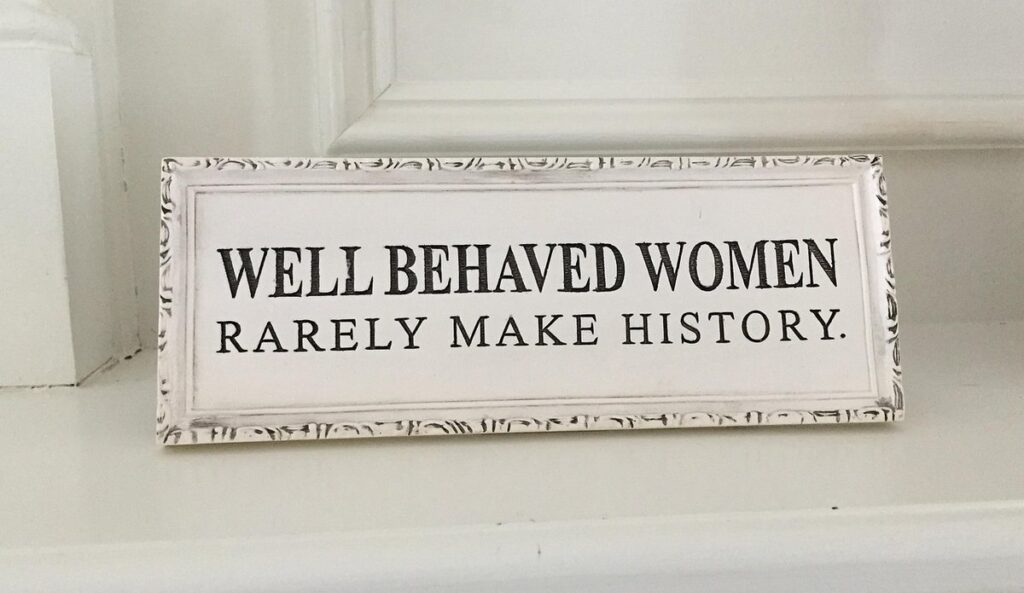
Understanding the Origins of Proverbs
Proverbs have been passed down through generations, often shrouded in mystery as to their origins. Let’s take a closer look at how these wise sayings came into existence.
The Evolution of Language and Proverb Creation
Proverbs have been an integral part of human expression for centuries, offering wisdom, insight, and guidance on various aspects of life. As language evolves, so do proverbs – new ones emerge while old ones fade away. This dynamic process is a reflection of changing societal values, cultural norms, and historical events.
Historical context plays a significant role in shaping the creation of proverbs. Ancient civilizations such as Greece and Rome had their own collections of sayings, which often reflected their politics, mythology, and everyday life. For example, the Greek proverb “Know thyself” (Γνωθι Σαυτόν) was inscribed on the Temple of Apollo at Delphi, emphasizing self-awareness and introspection.
In contrast, modern proverbs may focus more on technology, economy, or social issues. A small minority of proverbs can be traced back to specific events or figures from history. For instance, “A bird in hand is worth two in the bush” likely originated from medieval Europe’s hunting culture, where having a captured bird was more valuable than risking it for an uncertain catch.
The evolution of language and proverb creation highlights the importance of understanding cultural context and historical background when interpreting and applying proverbs.
Cultural Influences on Proverb Development
Cultural influences play a significant role in shaping the development of proverbs. As people from different backgrounds interact and migrate to new regions, their sayings and idioms often blend with those of their host cultures. For instance, African Americans brought their own unique proverbs, such as “When you’re finished changing, you’ll find you’re back where you started,” which reflects the resilience and adaptability of their community.
Similarly, European immigrants introduced their own proverbial expressions to North America, including phrases like “A bird in the hand is worth two in the bush.” These borrowings not only reflect the social change brought about by migration but also highlight the dynamic nature of language. As new communities emerge and old ones evolve, proverbs serve as a vital connection to shared history and cultural identity.
Consider how the blending of cultures has influenced the development of proverbs in your own community. Note any unique sayings or phrases that have been passed down through generations, and reflect on their origins and significance. By examining these cultural influences, we can gain a deeper understanding of the complex forces shaping proverbial language.
Types of Proverbs and Their Functions
Proverbs come in many forms, each serving a unique purpose in conveying wisdom, cultural values, and life lessons. We’ll explore various types, highlighting their distinct characteristics and uses.
Metaphorical Proverbs: Understanding Symbolism
Proverbs often employ metaphors to convey complex ideas and emotions in a condensed and memorable way. For instance, “A rolling stone gathers no moss” warns against constant change and instability. This metaphorical warning is more impactful than a straightforward statement like “constant change can lead to stagnation.” The use of a stone that rolls rather than stays in one place creates a vivid image, making the proverb easier to remember.
Similarly, “The pot calling the kettle black” uses a familiar kitchen object to describe hypocrisy. This phrase is more evocative than saying “hypocrisy is bad.” When interpreting metaphors in proverbs, it’s essential to identify the underlying concept or emotion they represent. Ask yourself: What is being compared? What is the implication of this comparison? Consider the cultural and historical context in which the proverb originated. Understanding these layers can help you grasp the intended message and significance of the metaphorical expression. By analyzing metaphors in proverbs, you’ll gain a deeper appreciation for their power to convey complex ideas and emotions through creative, memorable language.
Warning Proverbs: Cautionary Tales for Life
Proverbs serve as a repository of collective wisdom, distilling valuable life lessons into concise, memorable expressions. Among these, warning proverbs stand out for their cautionary tales and guidance on avoiding pitfalls. These sayings often feature vivid imagery, making them easier to recall and internalize.
The ancient proverb “Pride comes before a fall” is a classic example of a warning saying. It cautions against excessive pride or arrogance, reminding us that overconfidence can lead to downfall. Similarly, the African proverb “When elephants fight, it’s the grass that suffers” warns about the unintended consequences of conflict. In both cases, these proverbs aim to shape behavior by highlighting potential risks and consequences.
By internalizing these cautionary tales, we can develop a more nuanced understanding of the world and our place in it. Warning proverbs like “Look before you leap” or “Don’t count your chickens before they hatch” encourage prudence and careful consideration. When applied to real-life situations, these sayings can help us avoid common mistakes and make more informed decisions, ultimately reducing risks and promoting personal growth.
The Impact of Proverbs on Society
Proverbs have been a cornerstone of human culture for centuries, shaping our values and influencing social norms in profound ways. Let’s examine how they impact our collective behavior and societal fabric.
Social Commentary Through Proverbs
Proverbs often serve as a reflection of societal values, offering commentary on issues like inequality, morality, and social norms. For instance, the proverb “Money can’t buy happiness” suggests a critique of materialism and the idea that wealth is not the key to fulfillment. Similarly, proverbs like “An eye for an eye makes the whole world blind” or “Do unto others as you would have them do unto you” convey moral lessons about retribution and empathy.
In many cultures, proverbs also address issues of social hierarchy and inequality. For example, in some African cultures, there’s a proverb that says, “When elephants fight, it is the grass that suffers.” This phrase highlights the plight of marginalized communities who are often caught in the crossfire of power struggles between those in positions of authority.
To apply this understanding of proverbs as social commentary to your own life, pay attention to how proverbs from different cultures and traditions address similar themes. Reflect on what these sayings reveal about the values and concerns of their time and place, and consider how they might be relevant today. By examining proverbs in this way, you can gain a deeper understanding of the social forces that shape human experience.
Preserving Cultural Heritage through Proverbs
Preserving cultural heritage through proverbs is a vital component of a society’s collective identity. Proverbs often reflect the values, customs, and traditions of a culture, providing a unique window into its history and character. In education, proverbs can serve as a valuable tool for teaching children about their cultural roots and the importance of respecting tradition.
Through proverbs, cultures can also engage in cross-cultural exchange and understanding. When people share and learn from each other’s proverbs, they gain insight into the complexities and nuances of different societies. This exchange can foster empathy and appreciation for diverse perspectives, ultimately promoting global unity.
To preserve cultural heritage through proverbs, communities can establish oral tradition programs that encourage storytelling and sharing of proverbial wisdom. Schools can also incorporate proverbs into their curriculum, using them to teach language, literature, and social studies. Additionally, local organizations can create proverb museums or exhibitions that showcase the rich history and significance of these time-honored sayings. By doing so, communities can safeguard their cultural heritage for future generations.
Analyzing and Interpreting Proverbs
Now that we’ve explored the origins and functions of proverbs, let’s take a closer look at how to effectively analyze and interpret their meaning. We’ll examine common techniques for extracting deeper insights.
Deciphering Idioms and Expressions
Proverbs often rely on idiomatic expressions to convey their message. Idioms are phrases where words have non-literal meanings, making them tricky to decipher for those unfamiliar with them. A common idiom used in proverbs is “cut to the chase.” Literally, this phrase means skipping unnecessary parts and getting straight to the point. In a proverbial context, it encourages individuals to focus on what’s essential rather than getting bogged down by details.
Another example is “bend over backwards,” which can be confusing due to its physical inactivity meaning. However, in proverbs, it signifies going out of one’s way to help someone else. Understanding these nuances helps you grasp the intended message behind proverbs that utilize idioms. For instance, if a proverb says “it’s raining cats and dogs,” you wouldn’t take it literally as an unusual weather phenomenon but rather recognize its idiomatic use to describe heavy rainfall.
When interpreting proverbs that incorporate idiomatic expressions, consider the cultural context in which they originated. Some idioms may be unique to specific regions or communities, affecting their meaning and application.
Applying Critical Thinking to Proverb Interpretation
When interpreting a proverb, it’s essential to consider its historical context. This involves understanding the social, cultural, and economic conditions of the time period when the saying was first coined. For example, the American proverb “A bird in the hand is worth two in the bush” originated during the 17th-century fur trade. In this context, having a single bird (fur) that you can hold onto was more valuable than potentially catching two birds (furs) but risking losing everything.
To apply critical thinking to proverb interpretation, examine the original language and cultural influences on the saying. Ask yourself: Who created the proverb, and what were their intentions? What specific social or economic issues did they aim to address? Consider how the proverb’s meaning might have changed over time due to shifts in cultural values or technological advancements.
Additionally, think about how the proverb is being used today. Is it still relevant, or has its original context been lost? Can you find evidence of its continued use and application in contemporary society? By critically evaluating a proverb’s historical context, you can gain a deeper understanding of its intended meaning and significance. This nuanced approach allows you to appreciate the complexity and richness of proverbs as cultural artifacts.
The Role of Proverbs in Everyday Life
Proverbs have been guiding us through life’s challenges for centuries, providing timeless wisdom that can be applied to everyday situations. Let’s explore how these ancient sayings continue to shape our thoughts and actions today.
Using Proverbs in Personal Growth and Development
Proverbs offer a wealth of wisdom for personal growth and development. By reflecting on their meaning, individuals can gain valuable insights into their thoughts, behaviors, and emotions. For instance, “Know thyself” is an ancient Greek proverb that encourages self-awareness, which is essential for setting realistic goals and making intentional decisions.
When setting goals, proverbs like “A journey of a thousand miles begins with a single step” can be particularly helpful. This phrase emphasizes the importance of taking small, manageable steps towards achieving a larger objective. By breaking down daunting tasks into smaller, achievable goals, individuals can build momentum and confidence in their ability to succeed.
In terms of personal growth, proverbs like “Fall seven times, stand up eight” encourage resilience and perseverance. These sayings remind us that setbacks are inevitable but should not deter us from continuing to strive for our objectives. By embracing these attitudes, we can cultivate a growth mindset and become more effective at navigating life’s challenges.
Applying Proverbs in Real-Life Situations
Applying proverbs in real-life situations can be a powerful way to guide decision-making and relationships. For instance, when faced with a difficult conversation, consider applying the proverb “A soft answer turns away wrath.” This means approaching the situation with empathy and understanding, rather than aggression or defensiveness.
In work settings, proverbs like “Many hands make light work” can be applied by delegating tasks effectively to team members. By recognizing that everyone has strengths and weaknesses, leaders can create a more efficient and productive work environment. On the other hand, in situations where you’re considering taking on too much responsibility, remember the proverb “Don’t take on more than you can chew.” Be aware of your own limitations and don’t overcommit yourself.
In decision-making, proverbs like “Look before you leap” can serve as a useful reminder to consider all options carefully. This means weighing the pros and cons, researching different solutions, and thinking about potential outcomes. By applying these types of proverbs in everyday life, individuals can make more informed choices and build stronger relationships with others.
Conclusion: Embracing the Wisdom of Proverbs
As we conclude our journey through the world of proverbs and sayings, let’s reflect on how these timeless pieces of wisdom can be applied to our daily lives. You’ll discover practical ways to integrate their teachings into your thoughts and actions.
Reflecting on the Significance of Proverbs
Embracing the wisdom contained within proverbs requires a thoughtful reflection on their significance. By now, we’ve explored various aspects of proverbs and sayings, from their origins to their cultural impact. One key takeaway is that proverbs offer timeless advice, often rooted in observation and experience. They provide a collective wisdom that can be applied to personal and professional settings alike.
As we reflect on the importance of embracing this wisdom, it’s essential to consider how proverbs can inform our decision-making processes. For instance, the proverb “Slow and steady wins the race” encourages patience and perseverance over hasty actions. Similarly, “Don’t count your chickens before they hatch” cautions against premature celebrations or assumptions.
To integrate these lessons into daily life, we must be willing to look beyond their surface-level meaning. Proverbs often contain subtle nuances and contradictions that can only be fully understood through careful consideration. By examining the historical context in which a proverb emerged and its cultural significance, we can gain a deeper understanding of its intended message. This, in turn, enables us to harness the wisdom contained within these sayings to make more informed choices and cultivate personal growth.
Final Thoughts and Recommendations
As you reflect on the wisdom of proverbs and sayings, consider how you can intentionally weave them into your daily life. One approach is to create a personal proverb journal where you record and reflect on the ones that resonate with you. This simple practice can help you better retain their meaning and significance.
When integrating these timeless teachings into your daily routine, start small. For example, instead of trying to adopt an entirely new habit or ritual, begin by replacing one familiar phrase with a proverbial equivalent. Sayings like “the early bird catches the worm” can be a gentle reminder to establish a consistent morning routine. You might replace your usual morning affirmation with a brief reflection on what this proverb means for you and how it applies to your day.
As you grow in your understanding of proverbs, look for opportunities to share them with others. This can be as simple as forwarding an inspiring saying to a friend or family member. By doing so, you’ll not only deepen your connection with the wisdom but also help spread its value to those around you.
Frequently Asked Questions
How to Incorporate Proverbs into Daily Conversation without Sounding Cliché
Proverbs can be powerful tools for communication, but using them in conversation can sometimes come across as clichéd. To avoid this, try to use proverbs as a starting point for discussion rather than a way to end one. For example, you could say “I’ve been feeling really stuck lately” and then share a proverb that resonates with your feelings, such as “When life gives you lemons, make lemonade.” This approach shows that you’re using proverbs in a thoughtful and nuanced way.
What if I Disagree with the Meaning of a Proverb?
Yes. If you disagree with the meaning or interpretation of a particular proverb, don’t be afraid to express your opinion! In fact, critically evaluating and interpreting proverbs is an important part of their value. Consider discussing your concerns with others who may have different perspectives on the proverb’s meaning, and try to approach the conversation with an open mind.
Can Proverbs Be Used in Conflict Resolution?
Yes. Proverbs can be a powerful tool for resolving conflicts by providing a framework for understanding and addressing complex issues. For example, the proverb “When two elephants fight, it is the grass that suffers” reminds us of the importance of considering the impact of our actions on those around us. When using proverbs in conflict resolution, try to focus on finding mutually beneficial solutions rather than trying to “win” an argument.
How Can I Share Proverbs with Someone Who Isn’t Familiar with Them?
When sharing proverbs with someone who isn’t familiar with them, try to start by explaining the context and meaning of the proverb. You could also share a few examples of how it has been used in different cultures or situations. For example, you might say “This proverb comes from African culture and means that patience is key when dealing with difficult situations.” By sharing this information, you can help others understand the significance and value of proverbs.
What if I’m Not Sure Which Proverb Applies to a Situation?
No. If you’re not sure which proverb applies to a situation, don’t worry! The beauty of proverbs lies in their ability to be applied in many different contexts. Instead of trying to find a single proverb that “fits,” try to think about what values or principles are at play in the situation and use a proverb that resonates with those themes.