Many people feel drained, both physically and mentally, after a long day. They might be surprised to learn that one simple solution can help them recharge: taking a ritual bath. A ritual bath is more than just soaking in warm water – it’s an intentional act of self-care that can bring numerous benefits, from reduced stress levels to improved sleep quality. By incorporating elements like soothing essential oils, calming music, and thoughtful intentions into your bathing routine, you can create a sacred space for relaxation and rejuvenation. In this article, we’ll explore the advantages of ritual baths and provide expert tips on how to design your own transformative experience at home. By the time you finish reading, you’ll be able to craft a personalized ritual bath that helps you unwind, relax, and cultivate a deeper sense of well-being.
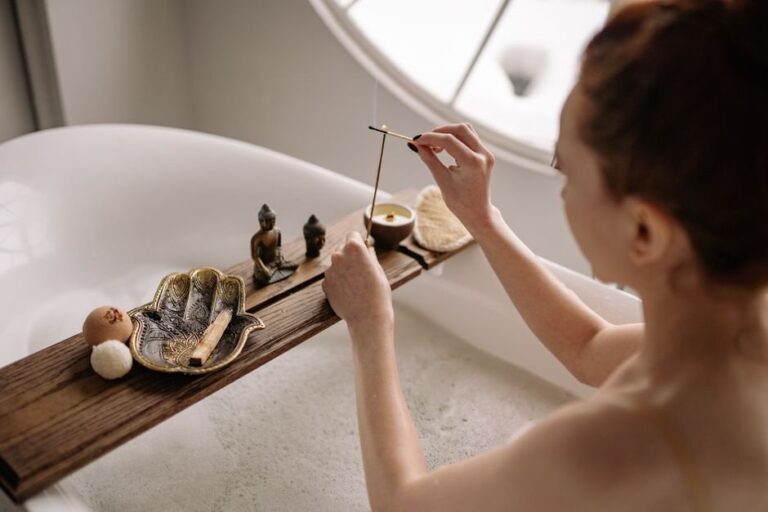
Understanding the Concept of Ritual Baths
Ritual baths have been a part of various cultures for centuries, with each having its own unique approach and intention. Let’s explore what makes these baths so special and how they can benefit our lives.
History and Cultural Significance
Ritual baths have been an integral part of various cultures for centuries, with evidence of their use dating back to ancient civilizations such as Egypt, Greece, and Rome. In these cultures, ritual baths were not just a means of personal hygiene but also a way to connect with the divine and seek spiritual growth. The ancient Greeks, for example, would often bathe in natural hot springs, believing that the mineral-rich waters possessed healing properties.
In many African cultures, ritual baths are still an essential part of initiation rites and coming-of-age ceremonies. In some Native American traditions, ritual baths are used to purify the body and spirit after a period of illness or grief. The concept of ritual bathing is not limited to these cultures; it has also been practiced in various forms throughout history, often with spiritual or therapeutic intent.
The cultural significance of ritual baths lies in their ability to create a space for introspection, self-reflection, and connection with something greater than oneself. By incorporating elements such as sacred music, candles, and incense, the ritual bath experience can be transformed into a transformative and rejuvenating ceremony.
Defining Ritual Baths vs. Regular Bathing
Ritual baths are a distinct experience from regular bathing practices. While regular bathing focuses on physical cleanliness, ritual baths combine sensory deprivation, intention-setting, and self-reflection to create a holistic experience. One key difference is the level of attention paid to the bathwater itself. In ritual baths, the water quality and temperature are often carefully considered to promote relaxation and calmness.
For example, ritual baths may incorporate essential oils or herbs to enhance the sensory experience, whereas regular bathing might rely solely on soap and shampoo for cleanliness. The intention-setting aspect is another crucial difference. Ritual baths often involve setting intentions or affirmations before entering the water, which can help quiet the mind and focus the spirit. This sets ritual baths apart from regular bathing, where the primary concern is physical cleanliness.
In practice, this means creating a dedicated space for ritual baths, free from distractions and electronic devices, to foster an atmosphere of tranquility and contemplation. By acknowledging these distinctions, you can begin to tailor your own bath experiences to suit your needs, whether it’s relaxation, rejuvenation, or spiritual growth.
Benefits of Ritual Baths for Physical and Mental Well-being
Ritual baths offer numerous benefits that can rejuvenate your body and calm your mind, from reducing stress to soothing sore muscles. Let’s look at how these relaxing baths can improve your overall well-being.
Stress Relief and Relaxation
Ritual baths have been shown to reduce stress levels by releasing tension from the body and calming the mind. This phenomenon is largely attributed to the combination of warm water, buoyancy, and sensory deprivation. As you soak in a ritual bath, your body relaxes, and your nervous system slows down. This allows for a decrease in cortisol levels, which can contribute to anxiety and stress.
The relaxation response triggered by ritual baths also activates the parasympathetic nervous system, promoting feelings of calmness and reducing muscle tension. To enhance this effect, try adding calming essential oils like lavender or chamomile to your bathwater. Aromatherapy can further reduce stress hormones and promote a sense of tranquility.
Incorporating ritual baths into your self-care routine can be as simple as setting aside 30 minutes each week for relaxation. Aim to create a peaceful atmosphere by dimming lights, playing soothing music, or practicing gentle stretches while in the bath. By prioritizing this practice, you can improve your ability to manage stress and promote overall mental well-being. Regular ritual baths can also help regulate your sleep patterns and increase feelings of calmness throughout the day.
Improved Sleep Quality
A ritual bath before bedtime can signal to the body that it’s time to sleep, leading to improved sleep quality and duration. This process is rooted in the concept of creating a clear distinction between wakeful activities and sleep preparation.
The relaxing effects of a warm bath can calm the nervous system, reducing cortisol levels and promoting relaxation. As you soak in the water, your body begins to unwind, releasing tension and stress that may be hindering sleep. The act of immersing yourself in water also helps regulate your body temperature, which is crucial for initiating sleep.
To maximize the sleep-promoting effects of a ritual bath, consider incorporating calming essential oils like lavender or chamomile into your bath routine. These oils can further calm the mind and body, making it easier to drift off to sleep after the bath. By establishing a consistent pre-sleep ritual bath practice, you can train your body to associate this activity with relaxation and sleep preparation, leading to improved sleep quality over time.
Preparing for a Ritual Bath Experience
Before you step into your ritual bath, it’s essential to prepare both physically and mentally. This means setting aside distractions and creating a peaceful environment that fosters relaxation and rejuvenation.
Creating a Sacred Space
To create a sacred space for your ritual bath experience, start by clearing the area around your bathtub of clutter and distractions. Remove any electronic devices, books, or other items that might tempt you to multitask while soaking. A peaceful atmosphere is crucial for releasing tension and quieting the mind. Consider dimming the lights or using candles to create a warm, calming ambiance.
Next, think about the temperature in the room. Ideally, it should be slightly cooler than your normal bathing temperature to promote relaxation. Avoid placing your bathtub near a window, as this can make the space feel drafty and uncomfortable. Instead, position it in a cozy corner or against a soothing backdrop, like a serene wall mural.
Finally, add any personal touches that will help you connect with the experience. This might be a favorite essential oil diffuser, a few strategically placed crystals, or a plush throw blanket to snuggle up with during your soak. By taking these simple steps, you’ll create an environment conducive to deep relaxation and introspection.
Choosing the Right Temperature and Water Quality
When it comes to ritual baths, the temperature of the water is crucial for creating a relaxing and rejuvenating experience. Aim for warm to hot temperatures between 98°F (36°C) and 104°F (40°C), as this range allows for deep relaxation without inducing drowsiness or discomfort. Cooler temperatures can be beneficial for specific intentions, such as detoxification or inflammation reduction, but may not promote the same level of relaxation.
Water quality is equally important. Use filtered or spring water to avoid any potential contaminants that might disrupt your ritual bath experience. Chlorine-free and mineral-rich waters are ideal for promoting a sense of calm and well-being. If you’re using tap water, consider adding an air purifier or water filter specifically designed for bathing to minimize impurities.
To further enhance the quality of your ritual bath, consider adjusting the pH level of the water. A slightly alkaline pH (around 8-9) can help balance the body’s natural pH and promote relaxation. However, be cautious not to make the water too alkaline, as this can cause skin irritation or other adverse effects.
To ensure a comfortable temperature, you can try adding warm stones or heating elements specifically designed for bathing. These devices allow for precise temperature control and can help you maintain an ideal environment for your ritual bath experience.
Ritual Bath Recipes and Ingredients
Now that you’ve learned how to create a sacred bath environment, let’s explore some essential recipes and ingredient combinations to enhance your ritual bathing experience.
Essential Oils and Herbs
When it comes to ritual baths, certain essential oils and herbs have been used for centuries to promote relaxation, reduce stress, and enhance spiritual growth. Lavender oil, for instance, is renowned for its calming properties and can be particularly effective when combined with chamomile or ylang-ylang. Bergamot oil, on the other hand, has a grounding effect that can help quiet the mind.
Some popular herbs used in ritual baths include calendula, rose petals, and damiana. Calendula is often added to bathwater for its anti-inflammatory properties, while rose petals are believed to promote emotional healing and self-love. Damiana is said to enhance spiritual connection and has been used by shamans for centuries.
When incorporating essential oils and herbs into your ritual bath practice, remember to use them in moderation. A few drops of oil or a handful of dried herbs can be just as effective as larger quantities. You can also experiment with different combinations to create unique blends tailored to your needs. Some examples include pairing lavender with chamomile for a relaxing evening soak or adding bergamot to a morning bath for a energizing boost.
Salt and Mineral Baths
When it comes to creating a rejuvenating and detoxifying ritual bath experience, incorporating salt and minerals is an excellent place to start. These natural ingredients have been used for centuries in various cultures to promote relaxation, ease muscle tension, and even support skin health.
The benefits of salt baths are multifaceted. Epsom salts, in particular, are rich in magnesium, a mineral that can help reduce inflammation, improve circulation, and even alleviate symptoms of anxiety and depression. To create a simple salt bath recipe, add 1-2 cups of Epsom salts to your warm bath water. You can also customize the experience by adding essential oils like lavender or chamomile for an extra calming effect.
Incorporating mineral-rich ingredients like sea salt, Dead Sea salt, or Himalayan pink salt into your ritual baths can also have a profound impact on the body and mind. These salts are rich in minerals such as potassium, calcium, and iron, which can help to detoxify and nourish the skin. For example, adding 1/2 cup of sea salt to your bath water can help to reduce muscle cramps and improve overall circulation.
To maximize the benefits of these baths, aim to soak for at least 20 minutes, allowing your body to fully absorb the mineral-rich goodness.
Advanced Ritual Bath Techniques
As you refine your ritual bath practice, let’s explore advanced techniques for maximizing its benefits and creating a truly transformative experience. This includes unique methods for enhancing absorption and amplifying intention.
Sensory Deprivation and Floatation
Sensory deprivation and floatation techniques can enhance the ritual bath experience by quieting the mind and relaxing the body. By minimizing external stimuli, you create an environment conducive to deep relaxation and introspection. One way to achieve sensory deprivation is through earplugs or earmuffs, which block out distracting sounds. You can also use a weighted blanket or a floatation device specifically designed for water.
When incorporating floatation into your ritual bath practice, consider the following: submerge yourself in warm water (usually between 92°F and 98°F) and add Epsom salt to enhance relaxation. Lie back and let go of any tension; allow yourself to sink gently into the water’s buoyancy. To amplify the effects, use red light therapy or dim blue lights, which have been shown to promote melatonin production and reduce stress hormones.
By combining sensory deprivation and floatation techniques with a ritual bath, you can create a truly immersive experience that supports deep relaxation and rejuvenation. Remember to experiment with different approaches and find what works best for your unique needs and preferences.
Setting Intentions and Affirmations
In a ritual bath, intention-setting is an essential component for personal growth and transformation. By clarifying what you want to achieve or release during your bath, you can focus your energy and direct the healing properties of the water towards specific goals.
To effectively set intentions, start by identifying what you want to manifest in your life. Be as specific as possible – instead of saying “I want to be happy,” say “I want to cultivate more joy in my relationships.” Write down your intentions on a piece of paper and place it near your bath area or even float the note in the water with you.
When setting intentions, also consider affirmations – short, positive statements that reprogram your subconscious mind. Repeat them out loud during your bath, allowing the words to sink deep into your being. For example: “I am worthy of love and respect,” or “I trust myself to make wise decisions.” Make sure to phrase your affirmations in the present tense, as if what you desire has already happened.
Effective intentions should be concise, positive, and focused on what you want to create rather than what you want to avoid.
Common Challenges and Solutions
As you prepare for your first ritual bath, it’s normal to encounter some bumps along the way. Let’s address a few common challenges that might arise and explore simple solutions to help you stay on track.
Overcoming Anxiety and Restlessness
If you’re feeling anxious or restless during a ritual bath experience, it’s essential to acknowledge that these emotions are valid and not uncommon. Many people struggle with relaxing fully, especially if they’re new to ritual bathing. To overcome anxiety and restlessness, try focusing on the sensation of your breath moving in and out of your body. This simple act can calm the nervous system and help you settle into the present moment.
Pay attention to your surroundings as well – the dim lighting, soothing music, or calming scents can all contribute to a peaceful ambiance. If you’re in a shared space, consider using earplugs or a white noise machine to minimize external distractions.
Another strategy is to set an intention for relaxation before entering the bath. This could be as simple as “I intend to let go of tension” or “I allow myself to fully surrender.” Repeating this intention to yourself can help calm your mind and focus your attention on the experience at hand.
Some people find it helpful to have a trusted companion or guide present during their ritual bath, while others prefer solitude. Experiment with different approaches to discover what works best for you.
Maintaining Consistency and Making It a Habit
Establish a dedicated time and space for ritual baths. Set aside a specific day and hour each week, and reserve a quiet spot in your home where you can retreat without distractions. Consistency breeds habit, so stick to your schedule as much as possible. You might also consider setting reminders or scheduling it into your digital calendar.
To make ritual baths a habitual part of your self-care routine, tie them to existing rituals or habits. For example, if you already practice meditation or yoga, incorporate a pre-ritual bath preparation that signals the start of this time for yourself. This could be lighting candles, playing soothing music, or practicing gentle stretches.
Consider tracking your ritual baths to monitor consistency and identify areas for improvement. Keep a journal or log where you note each experience, including what worked well and what didn’t. Over time, this record can help you refine your approach and optimize the benefits of your ritual baths.
Conclusion
As you’ve explored the world of ritual baths, you’re likely to have discovered how they can transform your self-care routine and spiritual practice. By incorporating these intentional soaking experiences into your life, you may find that you cultivate a deeper sense of calm, clarity, and connection. Remember that ritual baths are not just about relaxing in warm water – they’re an opportunity to tune into your inner world and nurture your mind, body, and spirit.
To maintain the momentum from your new ritual bath practice, try to schedule regular sessions in your calendar and commit to making them a non-negotiable part of your routine. You can also experiment with different ingredients and rituals to keep your baths fresh and exciting. Don’t be afraid to get creative and adapt these practices to suit your unique needs and preferences.
In time, you may find that the benefits of ritual bathing extend far beyond the bath itself – they can seep into other areas of your life, influencing how you approach challenges and interact with others. By honoring this simple yet powerful practice, you’re investing in a more compassionate, centered, and fulfilled version of yourself.
Frequently Asked Questions
Can I use essential oils in a ritual bath with sensitive skin?
Yes, it’s possible to use essential oils in a ritual bath even if you have sensitive skin. Look for gentle, skin-safe essential oils like lavender or chamomile and always dilute them according to the recommended guidelines. You can also do a patch test before using a new essential oil.
How often should I take a ritual bath for maximum benefits?
The frequency of your ritual baths depends on your personal needs and goals. For stress relief and relaxation, consider taking a ritual bath 2-3 times a week. If you’re looking to improve sleep quality, try taking a ritual bath 1-2 hours before bedtime.
Can I customize my ritual bath recipe for specific intentions or goals?
Absolutely! You can tailor your ritual bath recipe to suit your specific needs and intentions. For example, if you’re looking to boost energy, add invigorating essential oils like peppermint or eucalyptus. If you’re seeking relaxation, opt for calming scents like vanilla or ylang-ylang.
What if I have trouble relaxing in a ritual bath due to anxiety or restlessness?
It’s not uncommon to feel anxious or restless during your first few ritual baths. To overcome this, try incorporating grounding techniques like deep breathing, progressive muscle relaxation, or visualization into your practice. You can also experiment with different water temperatures, essential oils, and bathing rituals to find what works best for you.
Can I take a ritual bath during my period, and are there any specific precautions to consider?
Yes, you can still take a ritual bath during your period. However, be mindful of the temperature and ensure it’s not too hot or cold. You may also want to use a menstrual-friendly essential oil like clary sage or rose to promote relaxation and ease cramps. Additionally, consider using a heating pad or warm compresses on your lower abdomen for added comfort.