Rue is often misunderstood as a mere ornamental herb, but its rich history and symbolism reveal a complex and multifaceted plant. The dark green leaves with their pointed tips may seem intimidating, but they hold secrets that date back to ancient Greece, where rue was used in rituals and ceremonies to ward off evil spirits. Today, we still use rue for medicinal purposes, from easing digestive issues to treating skin conditions. However, its uses extend far beyond the physical realm, as it’s also a potent symbol in various cultures. This guide will explore the history, symbolism, and cultural significance of rue, covering its safety precautions, traditional uses, and the nuances of its meaning. By the end of this article, you’ll have a deeper understanding of rue and be able to harness its potential for both physical and spiritual purposes.
What is Rue?
Rue is a unique and multifaceted herb that has been shrouded in mystery throughout history, with its symbolism and meaning evolving over time. Let’s take a closer look at what rue actually represents.
Origins and History of Rue
Rue has a long history of use in various cultures, with its origins dating back to ancient Greece and Rome. The herb was highly valued for its perceived ability to ward off evil spirits, bad luck, and disease. In medieval Europe, rue was commonly used as a medicinal plant, often mixed with other herbs to create potions and remedies for ailments such as headaches and toothaches.
In Greek mythology, rue was associated with the goddess Hecate, who was believed to have healing powers. The herb’s association with magic and protection continued through the Middle Ages, where it was often used in spells and incantations to bring good fortune. In some cultures, rue was seen as a symbol of purification and was used in rituals for cleansing and protection.
Today, rue is still grown in gardens and used in traditional medicine in some parts of Europe. While its medicinal properties are still debated, rue remains a popular ingredient in folk remedies and spiritual practices around the world. As with any herb or plant, it’s essential to use rue responsibly and in moderation, as excessive consumption can cause skin irritation and other adverse effects.
Botanical Characteristics of Rue
Rue is a perennial herb with a distinctive appearance. Its leaves are long and narrow, typically 1-3 inches in length, and have a pointed tip. They are a deep green color on top and lighter underneath, often with a bluish tint. The edges of the leaves are slightly toothed, giving them a subtle serration.
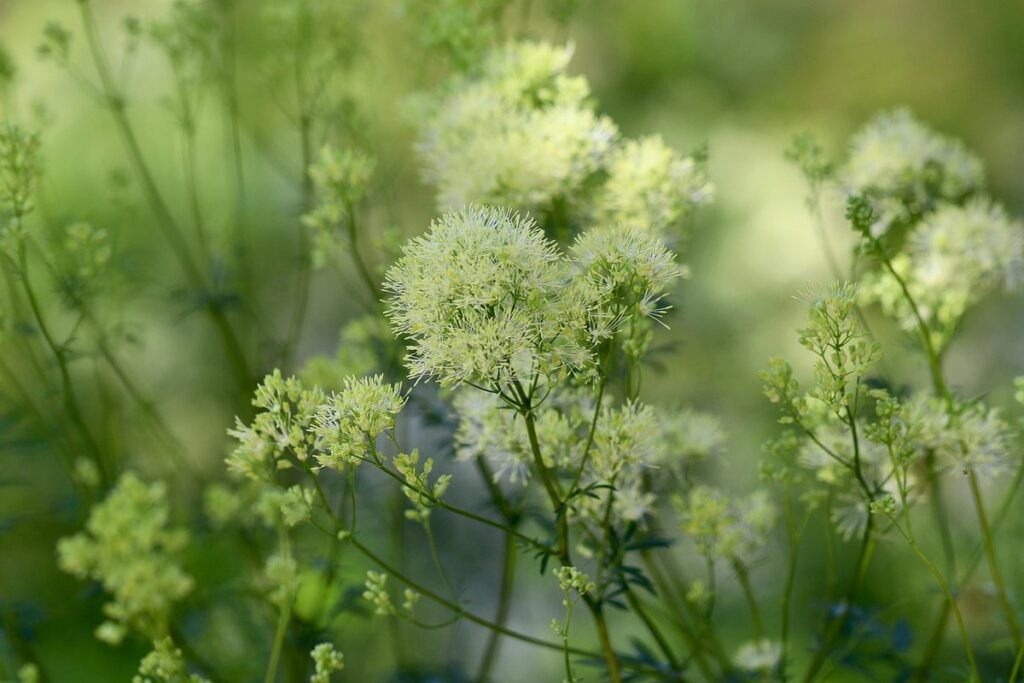
The flowers of rue are small, white, and clustered together in umbrella-like shapes at the end of long stalks. Each flower is about 1/4 inch in diameter and contains five petals. They have a delicate appearance but can be quite fragrant.
Rue grows to be around 2-3 feet tall, with multiple stems sprouting from the base of the plant. Its growth habit is somewhat sprawling, making it suitable for containers or borders where it can spread out freely. When growing in ideal conditions, rue can become a bit woody over time, but regular pruning helps maintain its bushy shape and encourages new growth.
Symbolism and Cultural Significance of Rue
Rue is a herb steeped in rich symbolism, carrying different meanings across cultures and traditions, from protection to beauty and beyond. Let’s explore its deeper significance and how it’s been revered throughout history.
Superstition and Folklore Surrounding Rue
In many cultures, rue is believed to possess powerful protective properties. In medieval Europe, it was thought to ward off evil spirits and bring good fortune. People would often carry rue sprigs or wear them as amulets to safeguard themselves from harm. This superstition likely arose from the herb’s bitter taste and strong scent, which were believed to repel negative energies.
Rue is also associated with purification and cleansing rituals in various traditions. In some African cultures, rue leaves are used to cleanse homes of evil spirits and misfortune. In others, it’s employed to protect individuals from hexes and curses. While these practices may seem far-fetched, they illustrate the significance of rue as a protective agent.
Interestingly, rue is sometimes linked with good luck in European folklore. According to legend, if you place rue under your pillow on a specific night, you’ll dream about your future partner or spouse. While this might sound like old wives’ tales, it highlights the herb’s enduring symbolic value.
When exploring the superstitions surrounding rue, remember that its meaning can vary across cultures and contexts. Approach these beliefs with an open mind, but also critically evaluate their historical and cultural significance.
Rue in Literature and Art
Rue has been a timeless muse for artists and writers throughout history. In literature, rue is often associated with themes of melancholy, loss, and the supernatural. For example, the character of Hamlet’s madness is described as being induced by “rue and thyme” in Shakespeare’s play. Similarly, in Edgar Allan Poe’s poem “The Raven,” the mysterious raven itself seems to be drawn to a chamber filled with rue.
In art, rue has been used as a motif to symbolize mourning and remembrance. The French Impressionist painter Berthe Morisot often depicted rue in her still-life paintings as a representation of domesticity and quiet contemplation. In some cultures, rue is also associated with the afterlife and the supernatural. In medieval European folklore, rue was believed to have the power to ward off evil spirits.
The use of rue in art and literature often serves as a reminder that this plant has been imbued with complex and sometimes contradictory symbolism over time. To truly appreciate its meaning, it’s essential to consider the historical context in which it was used and the specific themes or emotions it was intended to evoke. By examining rue’s presence in various artistic works, we can gain a deeper understanding of its enduring significance and mystique.
Medical and Culinary Uses of Rue
Rue has been used for centuries in traditional medicine, its essential oils and extracts prized for their antiseptic and anti-inflammatory properties. We’ll explore how rue is applied in both medical and culinary contexts.
Rue’s Antimicrobial Properties and Medicinal Applications
Rue’s unique combination of compounds gives it potent antimicrobial properties. Studies have isolated various components, including camphor, borneol, and estragole, which are responsible for its ability to inhibit the growth of bacteria, fungi, and viruses. The essential oil extracted from rue leaves has been shown to exhibit strong antiseptic and antibacterial activity, particularly against E. coli and Staphylococcus aureus.
Rue’s antimicrobial properties have led to its exploration as a potential treatment for various ailments. In traditional medicine, rue has been used topically to treat skin conditions such as acne, eczema, and minor wounds. It has also been employed internally to alleviate digestive issues like bloating and indigestion. Some research suggests that rue’s antimicrobial properties may be beneficial in reducing inflammation and combating infections.
However, due to its toxicity and potential side effects, rue should not be consumed or applied without proper guidance. The therapeutic use of rue requires careful consideration and dosing. More studies are needed to fully understand the scope of rue’s medicinal applications and ensure safe and effective usage. As with any herbal remedy, consult a healthcare professional before incorporating rue into your treatment regimen.
Using Rue in Cooking and Herbal Remedies
When used in cooking, rue adds a distinctively bitter flavor, often employed to balance rich sauces. This herb is commonly paired with vegetables like carrots and green beans, as well as meats such as lamb and chicken. To incorporate rue into your dishes, start by chopping the leaves finely, then add them towards the end of cooking time to preserve their potency.
For a classic Italian-inspired vegetable dish, try combining chopped rue with olive oil, garlic, and lemon juice, served over steamed broccoli or zucchini. This herb can also be used in homemade pesto recipes for added depth and complexity. When working with rue in the kitchen, be aware that excessive consumption can cause stomach upset due to its volatile oils.
To safely use rue in cooking, it’s essential to use fresh leaves rather than dried ones, as the latter may contain higher concentrations of toxic compounds. Typically a few sprigs are sufficient to flavor a dish without overpowering other ingredients. When handling rue, avoid ingesting large quantities or applying the herb to sensitive skin areas.
Safety Precautions and Toxicity Concerns
When working with rue, it’s crucial to be aware of its potential hazards, including toxicity and safety precautions to take when handling or ingesting this herb. We’ll address these concerns directly next.
Risks Associated with Ingesting or Handling Rue
Ingesting rue can be extremely hazardous due to its high concentration of alkaloids. According to botanical research, rue contains a combination of coumarins and furanocoumarins, which are potent skin irritants and phototoxins. Even small amounts can cause blistering, rashes, or burns upon contact with the skin.
Handling rue can also pose risks due to its sensitivity to light. When exposed to UV radiation, the alkaloids in rue can release toxic compounds that damage skin cells. This is why some traditional practitioners recommend wearing gloves and protective eyewear when working with rue plants.
While rare, there have been documented cases of rue toxicity in both animals and humans. Ingesting large quantities of rue can cause symptoms like nausea, vomiting, diarrhea, and even kidney or liver failure. To minimize risks, it’s essential to follow established protocols for handling and preparing rue. This includes carefully cleaning the plant, avoiding ingestion, and taking necessary precautions when applying it topically.
Allergic Reactions and Interactions with Other Substances
When handling rue, it’s crucial to be aware of potential allergic reactions and interactions with other substances. Rue contains a compound called rutin, which can cause skin irritation, redness, and itching in some individuals. If you experience any unusual symptoms after coming into contact with rue, such as swelling or hives, discontinue use and seek medical attention.
Rutin can also interact with certain medications, including blood thinners and thyroid medications. For example, combining rue with warfarin can increase the risk of bleeding complications. To minimize risks, consult with a healthcare professional before using rue if you’re already taking any prescription medications.
In traditional herbalism, rue is often used in combination with other herbs to enhance their effects. However, this can sometimes lead to adverse interactions or exacerbate underlying conditions. For instance, pairing rue with St. John’s Wort can increase the risk of serotonin syndrome, a potentially life-threatening condition. Always research and understand the potential synergies and antagonisms between rue and any other substances you plan to use in conjunction with it.
Spiritual and Mystical Significance of Rue
Rue has long been revered for its mystical properties, believed by many to possess spiritual energies that ward off evil and attract positive vibrations. Let’s explore the plant’s sacred symbolism and how it’s used in various cultures for spiritual growth.
Rue’s Role in Magical Practices and Rituals
In magical practices and rituals, rue is often employed for its protective and purifying properties. It’s commonly used to ward off negative energies, evil spirits, and bad luck. In spell-casting, rue is believed to amplify the effects of other herbs, allowing practitioners to focus their intentions more clearly.
Rue’s use in divination, particularly in scrying and tarot readings, is also well-documented. Its bitter taste and pungent aroma are thought to clear mental clutter and enhance psychic abilities. In some traditions, rue is burned as incense during rituals, releasing its smoke into the air to carry prayers or intentions upwards.
Practitioners often pair rue with other herbs to create potent blends for spellwork. For instance, combining rue with sage is said to neutralize negative energies, while mixing it with lavender promotes calmness and relaxation. When working with rue in magical practices, it’s essential to handle the herb mindfully and respectfully, as its energy can be intense.
When incorporating rue into your own rituals or spells, consider the following: start by setting clear intentions and defining what you hope to achieve. Use a small amount of rue, as excessive use can overwhelm the senses. Combine rue with other herbs or talismans that resonate with your goals.
Connection to Spirituality and Higher Consciousness
Rue’s association with spirituality and higher consciousness is deeply rooted in its history as a sacred herb in many cultures. In medieval Europe, rue was believed to possess magical powers that could ward off evil spirits and bring good fortune. This idea has been echoed in various forms of mysticism throughout the ages. For example, in some mystical traditions, rue is said to symbolize spiritual growth and transformation.
The connection between rue and higher consciousness can be seen in its use as a tool for inducing trance-like states and heightened awareness. In ancient Greece, rue was used by oracles to induce prophetic visions. Similarly, in modern times, some practitioners of mysticism and shamanism have reported using rue to facilitate meditation and deep introspection.
To tap into the spiritual significance of rue, try incorporating it into your daily practice through ritual or ceremony. This could involve burning rue leaves as incense during a meditation session or adding them to a sacred bath for purification and cleansing. Remember that the true power of rue lies in its symbolic value, so experiment with different ways to incorporate this potent herb into your spiritual journey.
Growing and Caring for Rue Plants
Growing rue plants can be a bit tricky, but with the right care and attention, you’ll be rewarded with lush, vibrant foliage and fragrant blooms. To help your plant thrive, let’s explore some essential tips for its growth.
Tips for Cultivating Rue in Different Environments
Rue is a versatile herb that can thrive in various environments, from indoor containers to outdoor gardens. To cultivate rue effectively, you need to understand its specific needs and adapt to the conditions of each environment.
When growing rue indoors, choose a spot with bright, indirect light. Direct sunlight can scorch the leaves, so east- or west-facing windows are ideal. Rue also prefers well-draining soil to prevent waterlogged roots. Use a potting mix specifically designed for indoor plants and ensure good air circulation around the plant.
For outdoor growth, rue requires full sun and dry to medium soil. Plant it in a location that receives at least six hours of direct sunlight per day. Be cautious not to overwater, as this can lead to root rot. Rue is also susceptible to pests like aphids and spider mites; inspect your plants regularly for signs of infestation.
In hot climates, rue may require more frequent watering due to increased evaporation. In cooler environments, it’s essential to protect the plant from frost damage by bringing it indoors or using a covering material during winter months. When transplanting rue, handle the roots gently to minimize shock and ensure successful establishment in its new environment.
Some gardeners find that rue does best in areas with mild winters, as this allows for continuous growth throughout the year. In regions with harsh winters, consider growing rue in containers that can be moved indoors during frost periods or propagating it from stem cuttings to create new plants.
Conclusion: Unlocking the Full Potential of Rue
As we conclude our journey through the symbolism and significance of rue, it’s time to reflect on its true potential and how you can harness its power in your life. This final section will reveal the full depth of rue’s meaning and application.
Recap of Key Takeaways and Future Applications
Rue’s complex symbolism and cultural significance have been explored throughout this guide. As we conclude our examination of this multifaceted herb, it’s essential to revisit some of the key takeaways and consider future applications.
One of the primary themes that emerged is rue’s association with protection and purification. In various cultures, it has been used for warding off evil spirits, promoting spiritual growth, and cleansing the body and mind. The herb’s distinctive bitter taste and aroma have also led to its use in traditional medicine, often in combination with other plants. This multipurpose quality makes rue an attractive subject for further research into its medicinal properties.
Another significant aspect of rue is its role in folklore and mythology. As we saw in our discussion of ancient Greek and Roman culture, rue was revered as a symbol of love, beauty, and fertility. However, its dark associations with poison and misfortune also highlight the need for nuanced interpretation. By examining these contradictions, we can gain a deeper understanding of how rue has been perceived and used throughout history.
Looking to the future, there are several areas where rue’s significance could be further explored. For instance, researchers might investigate the herb’s potential for antimicrobial applications or examine its impact on mental health and well-being. Practitioners of folk magic and traditional healing may also find rue’s properties useful in their work. As we continue to learn more about this enigmatic plant, it is likely that new insights will emerge into its meaning and significance.
Frequently Asked Questions
Can I Use Rue as a Substitute for Other Herbs in Recipes?
Yes, rue can be used as a substitute for other herbs like sage or rosemary in recipes, but its unique flavor and aroma profile should be taken into account. Start with small amounts and adjust to taste, as rue can be quite potent.
How Do I Know if My Rue Plant is Healthy and Free of Pests?
Check the plant’s leaves regularly for signs of pests or diseases, such as yellowing or droopy leaves, white powdery patches, or actual insects. Inspect the soil and surrounding area for any potential pest habitats, like aphid colonies on nearby plants.
Is it Safe to Ingest Rue if I Have Allergies or Sensitivities?
If you have allergies or sensitivities, consult with a healthcare professional before ingesting rue. Some people may experience adverse reactions to rue’s compounds, especially those with respiratory issues or allergies to other plants in the Rutaceae family.
Can I Grow Rue Indoors Year-Round, and How Do I Care for It?
Yes, rue can be grown indoors year-round, but it requires bright, indirect light and temperatures between 65-75°F (18-24°C). Water sparingly, allowing the soil to dry slightly between waterings. Fertilize during the growing season with a balanced, water-soluble fertilizer.
What If I Accidentally Ingested Too Much Rue? What Should I Do?
If you suspect you’ve ingested too much rue, seek medical attention immediately. Symptoms can include nausea, vomiting, diarrhea, and abdominal pain. Your healthcare provider may recommend activated charcoal or other treatments to manage the adverse effects.